
Home Blog Page 153

4 Difficult Hurdles In The Life Of A Landlord

4 Difficult Hurdles In The Life Of A Landlord

A Portland landlord shares her thoughts on four difficult hurdles in the life of a landlord.

By Mildred Delgado

From an outside perspective, being a landlord seems like the sort of job that you could do with your eyes closed.

All you have to do is make sure that the apartment building doesn’t burn down and the money comes flooding in, right? In reality, the opposite is true.

There’s so much more to being a landlord than it seems that sometimes it can be an immensely stressful job, made harder by the fact that people underestimate the difficulties.

But, if you’re thinking about being a landlord, or you already are one, or you’re just curious about what  the life of a landlord is like, then here are four of the biggest challenges they face in their daily lives.

1. Gaps in your tenancies

In life, nothing lines up quite right. This is certainly true when it comes to being a landlord, and is a particular problem when you are trying to ensure that you can keep making a profit on a building. One of the biggest problems for a landlord are those awkward periods between tenants, where an apartment is sitting unrented but draining money. This can occur even if you have a good flow of customers.

The gaps occur when you can’t line up your move-in, move-out dates perfectly, which, unless you’re leasing something in a city as packed as New York City, is a simple reality of rentals. The way to avoid this problem is to have a really strong understanding of the organization and a complete understanding of how to keep your property an attractive prospect at all times, pricewise and otherwise.
4 Difficult Hurdles In The Life Of A Landlord

2. Damage to your property

It doesn’t matter who you are, or how hard you try to avoid it, at some stage or another, your property will get damaged in a major, noticeable way. There’s always a bit of a feeling of panic with damage to property; even though it’s a building, you start to see how vulnerable things are for the place that generates your income. A quick tip is that all noticeable physical damage to the property must be dealt with as soon as possible. Problems have a nasty way of propagating themselves in physical structures, so even if it looks fairly minor to you and your tenant(s) doesn’t care, action has to be taken to protect the long-term viability of a property.

3. Handling tenants who stop paying rent

This is a classic issue. Even with a credit check and all the rest of the hoops a prospective tenant needs to jump through, people do just fall into rough patches financially. The problem is that there’s a fine balance to strike in dealing with it, and you need to assess a few things in order to know how to handle this tricky issue.

  • How likely is it that it’s just a rough month or so?
  • How important is it to you to keep this particular tenant in your property?
  • What’s their personal credit with you like?

These are the sorts of questions you need to ask yourself when handling someone who isn’t paying rent when they should be. You don’t want to lose money, but eradicating a tenant or taking too little action will end up with losses on your end.


4. Compliance to regulations now part of the life of a landlord

This is, unfortunately, a problem that will never go away. There are more and more rules and it’s increasingly important for you to pay the utmost attention to them as a landlord. Compliance is like a cloud hanging over your head as you try to conduct business. It’s a hassle, it’s as simple as that. You need to make sure that you have the proper channels in place to be certain that you hear about all of the changes in policy on landlord responsibilities and rental agreements.

Conclusion to life of a landlord

It’s a tough job being a landlord; a client-facing job that has lots of back-room responsibilities as well – and many different areas you need to be skilled in, from handyman to tax lawyer. Hopefully, this list offers you a little peace of mind that you’re not alone!

Mildred Delgado is a marketing strategist at AcademicBrits. She works with a company’s marketing team in order to create a fully-functional site that accurately portrays the company. She is also a landlord based in Portland, who prides herself on safe, decent, habitable housing.

Here is a related story:

How To Avoid My Top 7 Landlord Mistakes

Sign Up For Our Newsletter And Get Apartment News And Helpful, Useful Content Each Week.

* indicates required


How Can You Detect Faulty Electrical Wiring In A Rental Property?

How Can You Detect Faulty Electrical Wiring In A Rental Property?

Here are 4 tips on how to detect faulty electrical wiring as every year, electrical fires cause costly damages in rental properties across the United States, from Keepe the rental property maintenance company for property managers.

Fire damage cam be one of the most expensive fixes that property managers have to face.

 4 Warning Signs of Faulty Electrical Wiring

As a property manager, keep an eye out for poorly installed, outdated and damaged electrical wiring. Often, the warning signs of faulty wiring are relatively easy to detect – as long as you stay proactive and alert in spotting these issues.

1. Frequent circuit-breaker trips could mean faulty electrical wiring

A circuit breaker is designed to trip whenever a power overload occurs in the system.

However, if this happens too often (frequent circuit-breaker trips in a span of a few days or weeks), it is a clear sign that there is a deeper underlying problem in the building’s electrical wiring system. Make sure to have it checked out.

2. Constant dimming, buzzing or flickering of lights

If lights in the building constantly buzz when turned on.

Or worse, they flicker or dim when multiple appliances are in use at the same time. It is an indication that there is a problem with the building’s electrical wiring, which would potentially require an urgent professional upgrade.

3. Chewed or frayed wiring

Damaged wiring – left behind by inexperienced handymen, pets, and rodents – can cause an electrical fire in a rental property.

It is essential for property managers to look out for chewed or frayed wiring. If you spot these types of wiring, contact an electrical contractor immediately.

How Can You Detect Faulty Electrical Wiring In A Rental Property?

4. Discolored, scorched or smoked outlet points

When a rental property’s wiring system is damaged, it often causes discoloration and scorch marks on the outlet points. This is a tell-tale sign that the wiring system is damaged. If left unchecked, it has the potential to cause a fire or shock.

As a property manager, do routine walkthroughs and inspections to detect possible problems that could cause an electrical fire before it occurs.

Remember not to tinker with the electrical system in a building, especially if you see or hear any of the above warning signs.

Other Keepe suggestions:

4 Reasons HVAC Should Be Top Of Your Maintenance List

Leaking Sinks No. 1 Most Popular Maintenance Fix in November

4 Ways You Can Spot Water Damage Early In Your Rentals

About Keepe:

Keepe is an on-demand maintenance solution for property managers and independent landlords. The company makes a network of hundreds of independent contractors and handymen available for maintenance projects at rental properties. Keepe is available in the Greater Seattle area, Greater Phoenix area, San Francisco Bay area, Portland, San Diego and is coming soon to an area near you. Learn more about Keepe at https://www.keepe.com

Sign Up For Our Newsletter And Get Apartment News And Helpful, Useful Content Each Week.

* indicates required


Legislation May Require Landlords to Accept Security Deposit Insurance In Lieu of Cash Deposits

Cincinnati Landlords Must Give Renters Security-Deposit Options

A growing trend around the country by local governments and state governments could require landlords to start accepting security deposit insurance instead of traditional security deposits.

By Karen Marshall

New legislation may soon be introduced by the Cincinnati City Council requiring landlords to accept alternatives to traditional cash security deposits and give renters more flexibility.

Security deposits remain a steep financial barrier for low-income tenants and young renters with minimal savings.  The financial strain is compounded when relocating because renters must pay first and often last months’ rent plus a new security deposit before having their current deposit refunded.

A New York-based startup, Rhino, aims to lower the financial barriers for renting an apartment and seeks to work with governments at the local, state, and federal levels to help legislators pass laws it says will benefit low-income citizens, according to a New York Times article.

Rhino was founded in 2017 with the goal of getting back to renters the billions of dollars that are locked up in cash security deposits, all while protecting landlords and their property.

Nationally, security deposits are tying up over $45 billion. This is money that could otherwise be reinvested into local economies or used to cover critical expenses like healthcare, childcare, student-loan debt, and other burdens.

Rhino offers security-deposit insurance to give renters the option of paying a small monthly fee, generally $10-$20, to cover an insurance policy for the landlord.  This benefits the tenant by needing less cash up front, and benefits the landlord by paying for damages up to the limit of the policy, which is generally equal to the amount of the security deposit.

Cincinnati first in nation to propose security deposit insurance legislation

Cincinnati City Councilman P.G. Sittenfeld (Dem.) introduced a local bill that would require landlords to accept security-deposit insurance as an option instead of a cash deposit.

The Cincinnati City Council will begin reviewing the measure in December, and if passed, Cincinnati will be the first city in the nation where renters wouldn’t need an upfront cash security deposit.

Nearly two-thirds of the Cincinnati population are renters.  For the younger renters and those who are more economically challenged, “the amount tied up in a security deposit can literally be the total of their life savings,” said Sittenfeld.   More than 40 percent of Americans have less than $400 in savings.

“To get an apartment in Cincinnati, you might need at least $1,000 extra for a security deposit, which is greater than many Americans’ life savings,” said Sittenfeld.  “With this kind of insurance, someone can instead pay a small monthly fee, removing a big barrier.”

Cincinnati Mayor John Cranley, who supports the bill, said “This legislation will make housing more affordable, offer protection to landlords, and put money back into the pockets of hardworking people here in Cincinnati. Reducing the amount of upfront cash required from a renter would lift a huge burden, be a direct benefit to tenants, and spur our local economy.”

Sittenfeld’s office estimated the amount of security deposits held by property owners in Cincinnati to be roughly $70 million.

Rhino lobbying lawmakers on security deposit insurance

“The idea is pretty simple,” said Ankur Jain, the chairman and co-founder of Rhino, based in Manhattan. “Security deposits have been vastly overlooked for the past few decades and as rents have gone up, security deposits have become a much bigger barrier than they used to be for renters.”

“The greatest challenge is working against legacy and industry norms,” said Rhino CEO and co-founder Paraag Sarva. “That start has begun, but there is a huge amount of inertia behind the status quo and that is far and away what we are most challenged by day in and day out.”

To help speed up the process, Rhino is working alongside policymakers to enact change on a federal level. Rhino announced its new policy proposal, created in collaboration with federal, state and local government officials.

The proposed policy essentially allows for renters to be given a choice:

  1. Pay the security deposit in cash upfront, or
  2. Pay security deposits in installments, or
  3. Use security-deposit insurance to cover deposits.

Rhino says it will be sharing the policy proposal with 2020 presidential candidates on both sides of the aisle, and is now focused on building political support for local policies nationwide that would require landlords to accept alternatives to security deposits and give renters more flexibility.

So far, Rhino says it has saved renters upwards of $60 million in 2019, with users in more than 300,000 rental units across the country.

Opposition to the proposal

Not everyone is happy with the proposed legislation.  Charles Tassell, chief operating officer for the National Real Estate Investors Association, says, “Security-deposit insurance should really be an option only for the high-end, newly built apartment complexes.

Tassell adds, “The smaller landlords are already doing a version of it. Many property owners already take installments, but mandating those options has a lot of unintended consequences.”

Those opposed to the bill are quick to point out that Rhino is poised to benefit financially from the legislation.  A growing number of insurance carriers are now offering these policies, including LeaseLock, SureDeposit, TheGuarantors, and Rhino, among others.

If passed, this legislation may apply to existing tenants as well.  Current tenants may potentially request a landlord to refund their security deposit if they purchase a security deposit policy instead, freeing up their cash, while continuing to live in the same rental property.

While tenants benefit by not needing as much cash up front, it is important to note that the cost of the security-deposit insurance is non-refundable.  Long-term tenants may end up paying more for insurance premiums than the cost of the security deposit (which would have been refundable).

A related story:

Rental Housing Deposit Alternatives Drive More Leases Survey Says

Sign Up For Our Newsletter And Get Apartment News And Helpful, Useful Content Each Week.

* indicates required


California Court Orders Operators of Deceptive Rental Listing Websites to Pay $6 Million

California Court Orders Operators of Deceptive Rental Listing Websites to Pay $6 Million

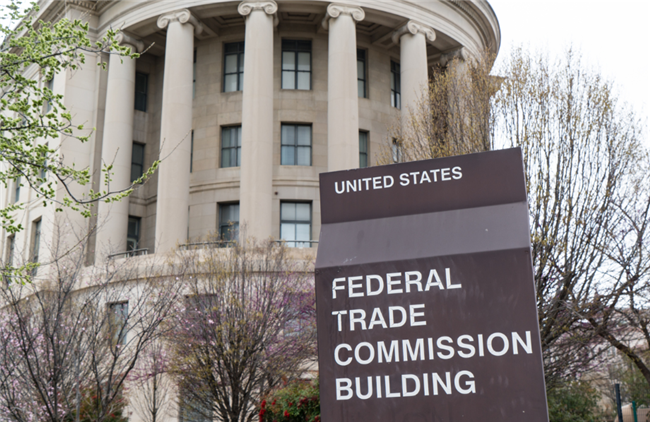
A California federal court has ordered the operators of several online rental-listing websites to pay more than $6 million after the Federal Trade Commission (FTC) alleged that they made false and unfounded claims about their listings, according to a release.

The order also permanently bans the defendants of the deceptive rental listing websites from offering rental-listing services.

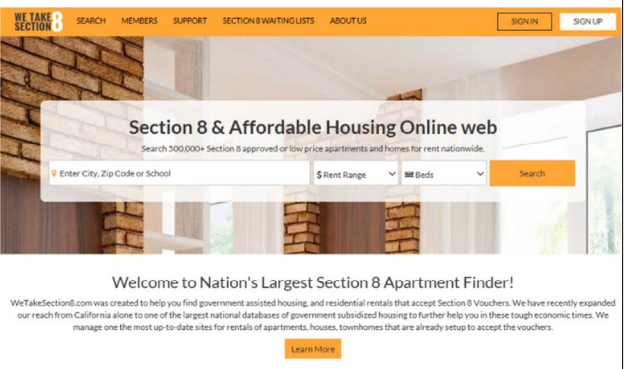
Steven and Kevin (Kaveh) Shayan made false and unfounded claims on their WeTakeSection8.com website targeting low-income, disabled, and older adults, including that the site had accurate, up-to-date listings that were approved for Section 8 housing vouchers. In reality, most of the listed properties were either unavailable or did not accept Section 8 housing vouchers. The FTC shut down the websites in 2018.

The corporate defendants in the court order were listed as, “Apartment Hunters, Inc., also d/b/a WeTakeSection8.com, ApartmentHunterz.com, and FeaturedRentals.com; Real Estate Data Solutions, Inc.; Rental Home Listings Inc.; UAB Apartment Hunters LT; and their successors and assigns.”

The Shayans also falsely claimed that consumers could access hundreds of thousands of accurate, up-to-date, and available listings on the defendants’ other subscription websites and that they had exclusive rights to list rental properties that consumers could not find on free websites, according to the release.

Operated several deceptive rental listing websites

The original complaint said the defendants operated “several prepaid rental-listing websites, including WeTakeSection8.com, ApartmentHunterz.com, and FeaturedRentals.com. The first website specifically targeted individuals seeking Section 8 housing; the other websites purported to offer general-access rental units. Defendants charged consumers a fee to access contact information for property managers of rental units listed on their websites. Defendants represented to consumers that the listings on their websites were accurate, up-to-date, and available, that consumers were likely to find suitable housing within a short time, and that consumers could not find these listings on free websites. These representations were misleading, false, or unsubstantiated.”

California Court Orders Operators of Deceptive Rental Listing Websites to Pay $6 Million
An example of one of the deceptive rental listings websites the Federal Trade Commission (FTC) alleged made false and unfounded claims about their listings.

According to the original complaint filed in 2018, “the fee and the length of the subscription to ApartmentHunterz.com varied. Typically, consumers paid $49 for 30 days’ access to the website. Defendants have also charged consumers $14.99 for a weekly subscription. Typically, consumers also paid defendants $49 for 30 days access to FeaturedRentals.com.”

In addition to a monetary judgment, the order permanently bans the defendants from advertising, marketing, or promoting subscriptions for or access to a rental listing for an apartment, condominium, or single-family home.

The U.S. District Court for the Central District of California issued the final order on December 6, 2019 after granting the FTC’s motion for summary judgment.

Other FTC real estate action:

Court Halts Massive “Sanctuary Belize” $100 Million Real Estate Investment Scam

The Biggest Holiday Risks Your Tenants Should Watch For

The Biggest Holiday Risks Your Tenants Should Watch For

When your tenants head out for the holidays there are some holiday risks to consider for both you the landlord and for the tenants.

Many people will be vacating their homes as the holidays arrive, and apartment residents are no exception. Before tenants head out for sunny weather or snow-filled fun, landlords might want to give them a run-down of what to expect and prepare for in their homes.

Many landlords include terms in their leases that cover proper procedures for leaving a rental for a period of time. However, for those whose contracts don’t include this, property managers may be wondering how to advise renters on holiday preparation.

Giving tenants a heads-up is relatively straightforward — an email or a similar form of written communication will suffice. Most cold-weather safety tips are common sense and easy to enact, reducing the stress of doing time-consuming prep before a vacation. Here are some areas of concern landlords can advise tenants on.

1. Holiday risks and fire hazards

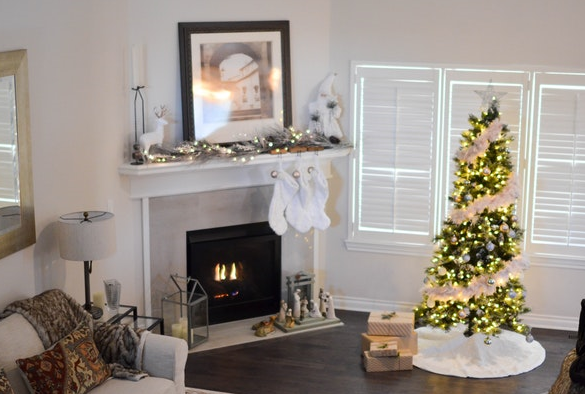
A marvelous Christmas tree can turn into a fire hazard if the lights are left unattended. Candles and string lights create wistful holiday cheer, but they can be dangerous if improperly used. Similarly, renters should never switch on a space heater and leave it unattended.

The Biggest Holiday Risks Your Tenants Should Watch For

Renters can avoid many holiday fire hazards by being diligent about fire safety and noting potential risks. Tenants should test the smoke and carbon-monoxide alarms regularly to ensure they are working. If the devices don’t operate correctly, landlords can inform tenants about replacing the batteries or take care of this issue promptly.

In many cases, this is the landlord’s responsibility, meaning they’ll need to pay a visit and inspect everyone’s detectors.

2. Break-ins and holiday risks

Residents should close and lock all doors and windows to reduce holiday risks. Locking up securely can spell the difference between a unit remaining undisturbed or being broken into. Landlords can also set up security systems or simply post signs about surveillance cameras to deter unwanted activity.

Landlords often encourage their residents to buy renter’s insurance to protect their belongings. It’s a requirement for many properties, though if tenants are reluctant to sign on, landlords can review the benefits of it with them. Most insurance companies offer it for affordable rates, and it covers aspects like temporary living expenses and personal property.

Finally, anyone who’s heading off for vacation should avoid broadcasting their whereabouts on social media. That is a holiday risk easy to avoid. Landlords can give renters a nudge about this by reminding them to keep their location known to only a few — including the property owner.

3. Energy waste

Tenants should shut off and unplug all unnecessary appliances before they head out for the festivities. Leaving the lights on isn’t the best idea, either, with 40 percent of all energy usage in buildings attributed to lighting costs.

It’s essential to set the HVAC on a lower temperature, too. It’s tempting to keep the heating running high throughout the chilly days to have a toasty home to return to. However, cranking the heat up while no one’s home wastes energy and makes utility bills costlier than they need to be.

Property managers can do their part by inspecting the building envelope of their rental property for gaps; even small cracks can lead to major energy loss. The building envelope is the barrier between the rental’s interior and the exterior setting.

4. Frozen pipes

Every landlord will do their best to help tenants prevent frozen pipes. The interior temperature shouldn’t be so high that it makes a dent in the energy bill, though. Energy waste is a significant issue for both renters and homeowners, as described above. The apartment only needs to be warm enough to keep the water flowing. A preferable temperature is above 50 degrees but below 70.

If there is a sink on an outside wall, open the under-sink cabinets to keep the pipes warm. Letting the faucets drip can also keep the pipes from freezing, preventing residents from coming back to a wet rental. Burst pipes are messy and expensive to fix, and tenants can be liable if they don’t have renter’s insurance.

The Biggest Holiday Risks Your Tenants Should Watch For
Make sure the heat is on and any under sink cabinet doors open if tenants are away and the weather is freezing.

5. Lonely pets

If renters aren’t taking their pets with them on vacation, they’ll benefit from hiring a sitter to watch their furry friends. A bored pet can do a lot of damage to a home, especially with absences of more than a couple days. Tenants may have to forfeit their deposits if their beloved pet destroys the interior while they’re gone.

Hiring a pet sitter has the added advantage of having someone to check on the apartment — or maintain it if they plan to stay there. Someone can feed the pets, check the mail and keep an eye out for suspicious happenings. It’s a three-in-one win.

The Biggest Holiday Risks Your Tenants Should Watch For
Hiring a pet sitter while away lowers the risks for tenants and landlords.

Celebrate a disaster-free holiday

The holiday season poses unique concerns for renters, but they can avoid these issues by preparing their homes ahead of time. Landlord-tenant communications should be clear and concise to prevent misunderstandings or larger problems later on.

With some helpful maintenance tips, everyone can enjoy their holidays without stress or mess.

5 To-Do’s For Property Managers As Tenants Head Out For Vacations

Sign Up For Our Newsletter And Get Apartment News And Helpful, Useful Content Each Week.

* indicates required


How Rent Control Limits Owner Profits and Maintenance in Portland, Seattle

Rent Control Still Not the Solution to Housing Affordability

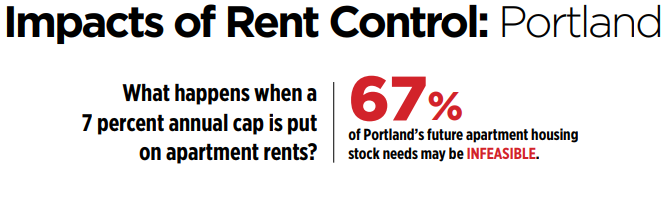
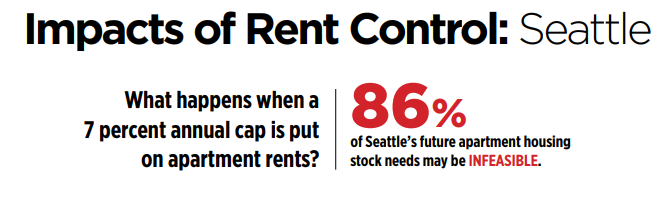
A new rent-control modeling study that includes Portland and Seattle shows how the combined effects of limiting rents and deterring new construction work to reduce owner profitability and can limit maintenance.

The National Apartment Association (NAA) engaged Capital Policy Analytics (CPA) to model its impacts on four metropolitan areas, all of which have had increasing calls for rent control during the past two years: Chicago, Denver, Seattle and Portland.

CPA used the Oregon rent-control legislation as a likely precedent for other governments and chose to examine the imposition of a similar limit, excluding inflation, on the amount of annual growth in rental prices. The rent growth cap in Oregon limits the increase in rent to seven percent plus inflation as measured by the Consumer Price Index (which varies widely across years and regions of the country).

The study says rent-growth caps affect the apartment industry in several ways, each of which is estimated in the model.

How Rent Control Limits Owner Profits and Maintenance in Portland and Seattle
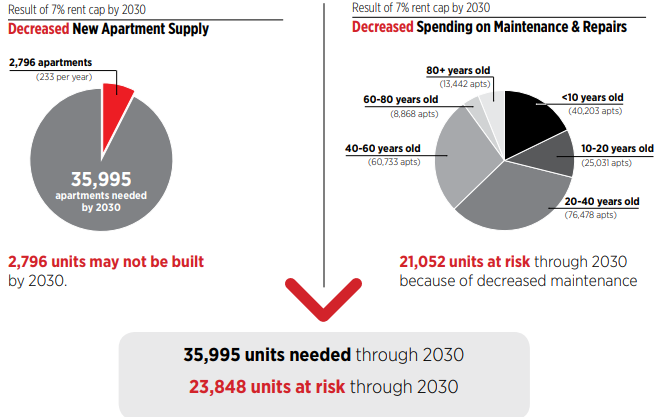
Decreased new apartment supply and maintenance
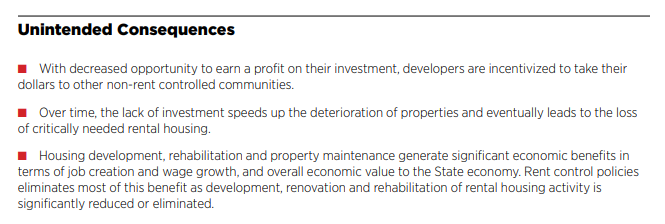
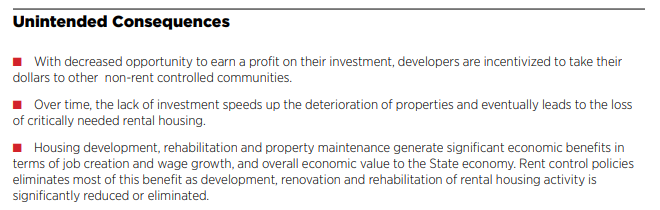
The unintended consequences of the controls
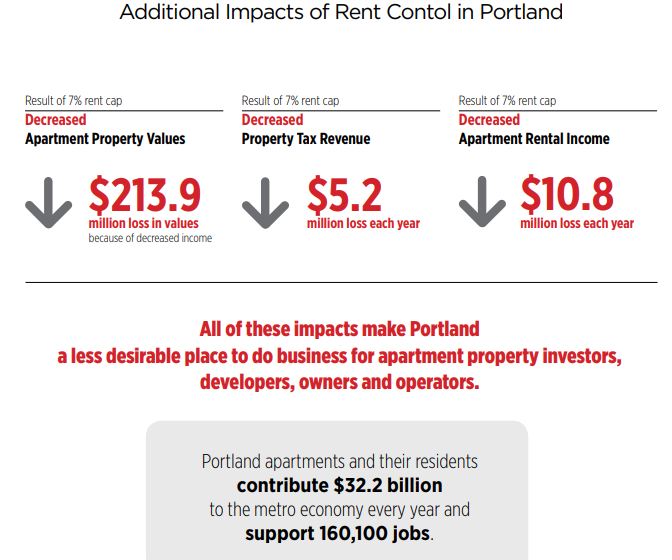
Additional impacts of the laws on rents

Here are some of the effects in the rent-control study

  • The most direct effect is on the monthly rent for units that would have experienced a growth above seven percent in a given year.
  • Limiting rent growth affects the long-term viability of building new units and performing maintenance on existing units, as it changes the expected return on investment for each of these activities.
  • By limiting rents, a rent-growth cap also will affect new construction as it will change the expected return on this investment.
  • The combined effects of limiting rents and deterring new construction work to reduce owner profitability.
  • A cap on rent increases essentially becomes a de facto cap on the profits of building owners, and that gets negatively capitalized in the value of rental property.

“Each of these effects represent inefficient outcomes relative to allowing the market price to adjust according to supply and demand. By not allowing the market for dwellings to function properly, rent control changes the allocation of housing investment across space,” the NAA study says.

Under normal conditions, rising rent levels would be met with increased building in an area, curbing long-term growth in rents.

However, rent control blunts the price mechanism, causing a misallocation of housing investment both within and across metropolitan areas.

CPA constructed several models to examine the effect of a rent growth cap on the study markets.

First, the change in expected rents was modeled through an examination of historical rent increases. Those data were used to assign a probability that an apartment owner is likely to see a spike in demand that results in a rental price increase that exceeds the seven percent cap in a given year for each area.

That expected rent change was linked to estimates of new supply and maintenance expenditures, and the outputs from those models were combined to estimate the effect of rent caps on total income and, ultimately, property values.

All estimates reflect the impact of a seven percent rent-growth cap on rental units in buildings with five or more units.

Seattle example in the modeling study
How Rent Control Limits Owner Profits and Maintenance in Portland and Seattle

The analysis of the model outputs concluded:

  • The expected change in rental values across metropolitan areas ranged from two percent in Chicago and Portland to five percent in Denver and nine percent in Seattle.
  • The effect on new apartment construction would also be substantial, but it varies significantly across metropolitan areas.
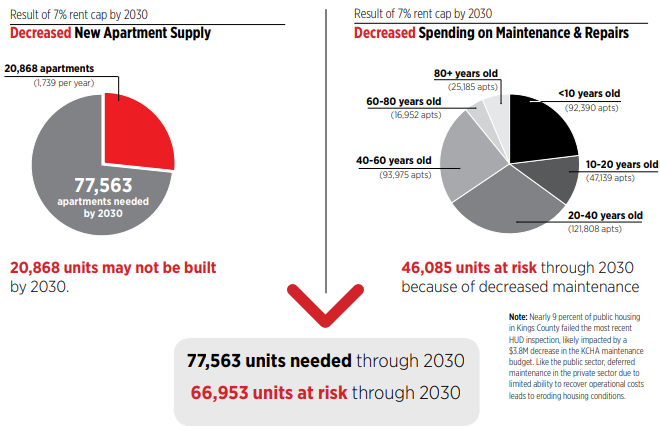
  • Seattle would see a reduction in construction of 1,739 units per year, with 779 fewer units constructed annually.
  • Denver and Chicago would see 320 fewer per year.
  • Portland would see 233 fewer per year.

Maintenance spending would fall under rent control

The models estimate that annual maintenance spending would fall by:

  • $5.9 million in Seattle
  • $5.4 million in Chicago
  • $4.5 million in Denver
  • $2.7 million in Portland

The total rental income lost for apartment owners would be significant. The CPA model showed the loss would be:

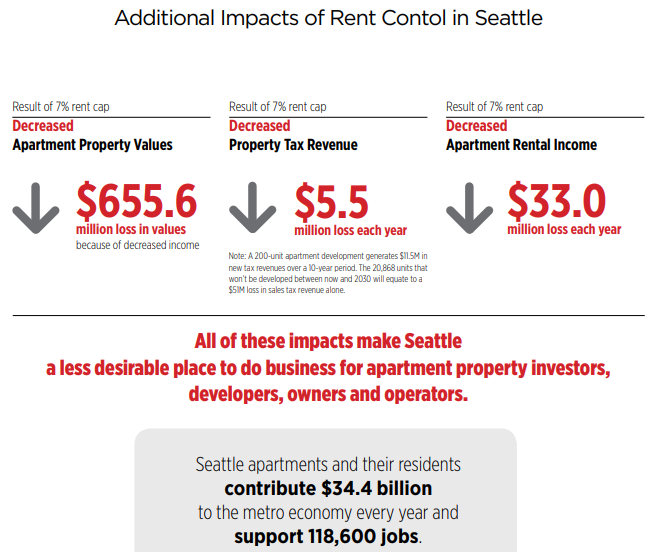
  • $33 million in Seattle
  • $24 million in Chicago
  • $23 million in Denver
  • $10 million in Portland

These loss estimates include both the income lost due to restricting rents and the income lost from foregone construction.

Property taxes will fall with loss of apartment values

Also, the projected income reductions logically translate into declines in the value of apartment properties.

The model output estimated an aggregate loss of property value of $213 million in Portland, $462 million in Denver, $487 million in Chicago and $655 million in Seattle.

If property-value losses are realized in the assessment of property, then they would also be realized by lower property tax collections.

Taking the property loss estimates from the low-discount rate model and assuming that property assessments follow market-value losses, annual property-tax revenue losses would be more than $6 million annually in Chicago, with losses of more than $5 million in Seattle and Portland and $3.5 million annually in Denver.

A seven percent growth cap on rents would have a substantial impact on the apartment rental market in the areas studied.

The estimates suggest that a non-trivial percentage of units would be bound by the policy and that this would lead to rent losses for building owners.

The fact that rents would not be able to fluctuate to meet market conditions in the metropolitan areas and across neighborhoods would have far-reaching implications.

A seven-percent cap would substantially reduce the amount of new unit construction and have a negative impact on maintenance expenditures.

Finally, the models show that the seven-percent growth cap would depress annual income for owners and ultimately be capitalized into falling property values. Falling property values could have further implications not explored in the study, such as declines in local wealth and public services funded by the local property tax base. Using the results of a 2017 report, “U.S. Apartment Demand – A Forward Look,” produced by Hoyt Advisory Services for NAA and NMHC, we estimate the long-term effects of rent control and how it could affect vitally needed rental housing units by 2030. These figures are presented in the following charts included here.

Get the full rent control modeling study here.

Related stories:

Governor Kate Brown Signs Landmark Oregon Rent Control Bill

2020 Oregon Allowable Rent Increase Cap is 9.9 Percent

Sign Up For Our Newsletter And Get Apartment News And Helpful, Useful Content Each Week.

* indicates required


Winter Seasonal Slowdown Stalls Multifamily Rent Growth

Winter Seasonal Slowdown Stalls Multifamily Rent Growth

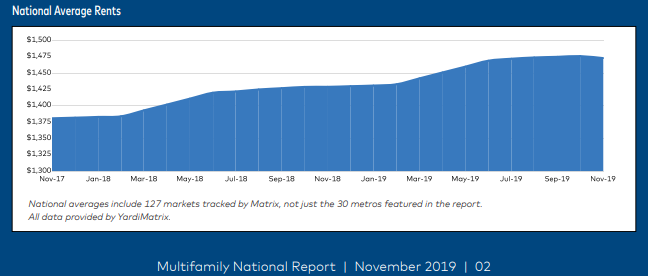
Rent growth and multifamily demand for housing remains strong and consistent despite a seasonally driven $3 decline in the average rent in November, according to the latest report from Yardi Matrix.

Average rents fell slightly in November to $1,473 per month as the winter seasonal slowdown starts to take hold.

Rents are up 3.1 percent year-over-year and have been at 3.0 percent or higher since the spring of 2018, which demonstrates the strength and consistency of demand, the report says.

The seasonal slowdown is expected to continue through early 2020, but substantial demand for multifamily housing remains, and rent growth will likely accelerate again in the spring.

Seattle continues to see negative growth in the winter

  • With 320,000 units absorbed to date, this is the sixth straight year with more than 250,000 units absorbed.
  • Rent growth remains strong across the board, with metros in the Southwest, Southeast and California dominating the top 10 of the rankings.
  • The Pacific Northwest shows seasonal weakness in several metros, with three-month drops of 0.4 percent or more in Seattle, San Francisco and San Jose.

Seattle – along with San Jose and San Francisco—posted sharply negative growth over the last three months. For reasons that are not entirely clear, these metros have developed the same pattern of larger-than-average seasonal changes in recent years, with high growth in the summer and rent declines in the winter, according to the report.

“Overall demand in all of these markets remains extremely high, and none have extreme winters, so the pattern doesn’t have an obvious explanation,” the report says.

“Rents may be affected by new deliveries that tend to come online in the fall. Job growth and in-migration continue to be strong in the Pacific Northwest, so we would expect rent gains to pick up again in the New Year.”

Winter Seasonal Slowdown Stalls Multifamily Rent Growth

Phoenix, Las Vegas and Sacramento tops in rent growth

The Southwest and West continue to exhibit the highest rent growth, producing the strongest gains. Job growth and strong in-migration continue to fuel the desert Southwest.

  • Phoenix 7.5 percent
  • Las Vegas 6 percent
  • Sacramento 5.3 percent

Despite anxiety, multifamily rent growth Is forecast by employment, occupancy and supply

“Commercial real estate performance has been stellar for about eight years and demand is strong, and rents continue to grow in most segments.

“At the same time, property values are at all-time highs and debt markets are functioning smoothly, with healthy deal flow and few delinquencies.

“The industry, however, isn’t used to lengthy periods of uninterrupted success, which leads to anxiety about the other shoe dropping,” Yardi Matrix says in the report.

  • Nearly a decade into a very positive cycle for commercial real estate, many in the industry are wondering how long it can last and looking for signs of weakness.
  • Although transaction underwriting and debt levels are not as frothy as they were in 2006-07, investors are getting very little premium for high-risk assets such as value-added properties and mezzanine loans.
  • Market players should keep abreast of the possible economic headwinds and develop strategies to deal with such events.

It is a hard time for businesses to plan when there is so much uncertainty about government rules and regulations.

“With the next presidential election a year away, policies could change soon. For the time being, however, the economy remains set to expand at a 2 percent plus real rate, enough to power the real estate expansion forward,” Yardi Matrix says in the report.

Recent Yardi Matrix report:

Rents Rise, As Do Political Pressure and Rent Control

About Yardi
Yardi® develops and supports industry-leading investment and property management software for all types and sizes of real estate companies. Established in 1984, Yardi is based in Santa Barbara, Calif., and serves clients worldwide.

Yardi Matrix is the industry’s most comprehensive business development and asset management tool for investment professionals, equity investors, lenders and property managers who underwrite and manage real estate investments in multifamily, industrial, office and self-storage. Email matrix@yardi.com, call 480-663-1149 or visit yardimatrix.com to learn more.

Sign Up For Our Newsletter And Get Apartment News And Helpful, Useful Content Each Week.

* indicates required


How A Regular Maintenance Schedule For Rental Property Can Help Busy Landlords

How To Deal With The Most Common Pests In Rental Housing

Advice on how a regular maintenance schedule for rental property can help busy landlords, from veteran property manager Corey Brewer.

By Corey Brewer

The day-to-day life of a landlord or property manager can be difficult to predict, which is part of the fun of the job, but it also means you can be caught off guard.

It’s a little more reliable to predict monthly, seasonal, and annual management cycles.

Proper planning will put you in the best position possible to handle maintenance needs as they arise at your properties.

The most common “routine” maintenance items are typically landscaping and pest control.

The exact frequency and timing will, of course, depend on the property itself, but these items will often require attention each month or each quarter.  Shop around to find a plan that works.

The time of year will dictate how often the grounds need attention, and what kind of work is to be done.  During winter months, when the grass isn’t growing, perhaps the focus shifts to leaf cleanup or pressure washing, for example.

How A Regular Maintenance Schedule For Rental Property Can Help Busy Landlords
Winter months are a good time to do pressure washing as part of a regular maintenance schedule.

Regular maintenance schedule for seasonal items

Seasonal maintenance can take many forms, from window-washing to gutter-cleaning to the all-important “periodic” or “routine” inspections.

Best practice at our management firm is to visit our properties at least twice per year to test smoke and CO alarms, look at plumbing connections, and so on.  Another common seasonal concern will be to winterize, and then de-winterize, sprinkler systems (or pools and hot tubs if applicable).

Annual maintenance will likely include a check on the major functions of the home, such as a furnace tune-up.

It’s always good to take a look before heading into the colder months so you can try to avoid emergency repairs or even replacement, and some vendors may offer lower pricing during off-peak times of year.  Again, on a property-specific basis, you may have additional concerns such as snaking drains and checking for root growth, or pumping a septic system.

Over the long-term life of the property there are going to be other concerns such as paint, flooring, and appliances.

Generally speaking, the “useful” life spans of these elements in a rental property are as follows:

  • Interior paint is about 4-5 years.
  • Carpet is about 7-10 years.
  • Common household appliances are about 10-12 years.

Budgeting for these types of expenses in advance will soften the blow when it comes time to update, repair, or replace.

Other considerations will be the care of the roof, deck, railing, fence, and any other elements that can wear over time.

Map out a plan, and look for reliable vendors that you can (if you’re happy with their work) bring back year after year, as they’ll become familiar with the unique quirks of your property.

“Failing to plan is planning to fail.”  – Benjamin Franklin

Other posts by Corey:

How To Find A Contractor You Can Trust

Sign Up For Our Newsletter And Get Apartment News And Helpful, Useful Content Each Week.

* indicates required


Five Holiday Decorating Guidelines To Give Your Tenants

Five holiday decorating guidelines for your tenants to keep them happy and avoid maintenance issues and damages is this week’s maintenance tip from Keepe.

As a property manager, you want to make sure that your holiday decorating guidelines plus rules and regulations strike a good balance.

You want to allow your tenants to feel at home in their rental. But you also need to ensure that the owner’s property remains in good condition and minimize any repairs that need to be made.

During the holiday season, many of your tenants will have friends and family over as guests and will want to make sure the home feels festive and inviting.

Five holiday decorating guidelines for tenants

Some decorating options are difficult to achieve without damaging paint, walls, or roofs, so it can be helpful to provide some specific suggestions and guidelines for hanging cheerful decor during the holidays.

1. Non-damaging adhesive

There are plenty of options in terms of adhesive hanging tools that do not damage paint when removed, such as Command strips and hooks.

The hooks can be used on the front door or walls for wreaths, and even on the mantle for stockings! These products will avoid the possibility of filling holes in the walls and doors from nails or thumbtacks.

2. Laser-Lights

Not only do Laser Lights provide the convenience of not having to climb a ladder to hang them, they also avoid potential damage to the roof and gutters.

There are many different colors and designs of Laser Lights available for any holiday or special event, so there is sure to be something to compliment your tenant’s decorative tastes. If your tenants prefer the idea of hanging traditional lights, there are outdoor light hooks available as well!

3. Window Clings

Utilizing window clings in front and side windows or glass doors can add an extra dimension to holiday decorating without causing any damage at all.

Most are easily removed in one piece and any leftover scraps can be easily removed with windex, and cause no scratching or build-up on glass.

4. Incense Diffusers

Who doesn’t want their home to smell like pine and fresh gingerbread during the holiday season?

Unfortunately, the cozy scents provided by candles can lead to house fires when left unattended. Instead, suggest incense diffusers. They tend to spread more evenly across the home and don’t have the potential hazard and cost of an open flame!

5. Inflatables

When renting out a property with a yard, suggest that your tenants utilize inflatable lawn ornaments that use small tent stakes to hold them in place instead of placing decorations in the ground.

Lawn decorations with large, deep stakes or a bigger surface area may damage the lawn itself, the sprinkler system, or pest control tools. Inflatable characters can be great for homes with kids and are also aesthetically pleasing to neighbors.

Summary 5 holiday decorating guidelines

Providing these guidelines to tenants prior to the holidays will allow them to create the environment for their holiday celebrations, and property owners will appreciate the extra mile you’ve gone to avoid unnecessary repairs.

Even if decorating guidelines are already outlined in the lease agreement, it’s never a bad idea to send a reminder.

Other recent posts from Keepe.

How To Pick The Perfect Exterior Paint Color For Your Rental Property

4 Outdoor Flooring Options For Your Rentals

About Keepe:

Keepe is an on-demand maintenance solution for property managers and independent landlords. The company makes a network of hundreds of independent contractors and handymen available for maintenance projects at rental properties. Keepe is available in the Greater Seattle area, Greater Phoenix area, San Francisco Bay area, Portland, San Diego and is coming soon to an area near you. Learn more about Keepe at https://www.keepe.com

Landlords Gifts For Tenants Can Create Great ROI For The Holidays

Sign Up For Our Newsletter And Get Apartment News And Helpful, Useful Content Each Week.

* indicates required


New Laws, New Defenses for Tenants – Staying Ahead of the Curve

A federal judge has ruled a landlord did not have to automatically waive its animal fee for a tenant with an emotional support animal

New laws in Portland and Oregon have brought big changes for landlords so the topic this month by attorney Brad Kraus urges landlords to stay ahead of the curve.

By Bradly Kraus
Attorney, Warren Allen LLP

The 2019 legislative session brought several tough changes for Portland and Oregon landlords. From rent control to the nearly complete obliteration of no-cause rights, these new laws brought challenges for landlords and decisions related to their property. The new laws also present new causes of action and/or defenses for tenants, often with punitive consequences for landlords who make the slightest misstep. While SB 608 received much of the attention of the past session, not much attention has been paid to HB 2530, scheduled to take effect on January 1, 2020. This new law provides further defenses for tenants related to notices of termination under the Oregon Residential Landlord and Tenant Act (ORLTA) and eviction actions.

HB 2530 amends ORS 105.113, one of the statutes related to eviction actions. It also adds to the ORLTA, although it is unclear on where it will be placed in Chapter 90. The important piece of HB 2530 is that it will require landlords to include with any notice of termination certain information related to veterans assistance. The relevant portions of the new bill state:

  1. Except as provided in subsection three of this section, a person who sends or serves a document listed in subsection two of this section shall include the following information with the document:
    1. A statement that if the recipient is a veteran of the armed forces, assistance may be available from a county veterans’ service officer or community action agency; and
    2. Contact information for a service officer appointed under ORS 408.410 for the county in which the recipient lives and contact information for a community action agency that serves the area where the recipient lives; or
    3. A statement that contact information for a local county veterans’ service officer and community action agency may be obtained by calling a 2-1-1 information service.
  2. This section applies to the following documents:
    1. A notice of termination of tenancy under any provision of ORS chapter 90;
    2. A summons in an action under ORS 105.110 for forcible entry or detainer.

New laws and also new defenses for tenants

While the above information may not seem like much, it does present new defenses for tenants in any Forcible Entry and Detainer (FED) action. Oregon case law is clear that proper notice is a prerequisite to maintaining a FED action. Should any landlord fail to include the information described in Section (1)(a)-(b), they run the risk of a defective-notice defense by the tenant in any FED trial.

HB 2530 also requires that the same information be included in any summons prepared for the FED action. The failure to include that information presents the same pitfalls for landlords, and any such failure may be met with a motion to dismiss for insufficient summons by a knowledgeable tenants’ attorney. Accordingly, if landlords prepare their own summons (or have a process server do so), it is important that they vet those documents for compliance with HB 2530.

The new law is scheduled to take effect on January 1, 2020. While Landlords may have some notices that will expire and terminate tenancies prior to the effective date, vetting and updating your forms now will remove all doubt and/or defenses related to HB 2530, should you need to file an FED on those documents after the first of the year.

Don’t Drop The Baton: Finishing The Race With Bad Tenants

Money For Nothing: Getting The Most From Your Tenant Settlement Strategies

Sign Up For Our Newsletter And Get Apartment News And Helpful, Useful Content Each Week.

* indicates required