Home Blog Page 86

Federal Appeals Court Skeptical of Criminal Background Check Rules

Federal appeals court skeptical of Seattle criminal background check law

A federal appeals court panel has appeared skeptical of a Seattle law preventing landlords from inquiring about the criminal background checks of prospective tenants, repeatedly wrestling with whether the law violates landlords’ First Amendment rights, according to a report in Law360.

The United States Court of Appeals for the Ninth Circuit panel appeared skeptical of a district court’s decision to uphold the Seattle ordinance.

A group of landlords is appealing the district court’s ruling upholding the city of Seattle’s Fair Chance Housing Ordinance, one of the first of its kind in the nation, which prevents landlords from seeking out otherwise publicly available criminal information on prospective tenants or denying tenancy based on criminal history.

“I think you are looking at judges who are wrestling with the free-speech claims,” Circuit Judge Kim McLane Wardlaw told Roger D. Wynne of the Seattle City Attorney’s Office when he tried to pivot away from his free-speech arguments, Law360 reported.

Wynne told the panel the law does not regulate speech, but that if it does, it is only commercial speech, which meets the court’s intermediate-scrutiny standard.

Ethan Blevins of the Pacific Legal Foundation, who represents the landlords, told the panel the ordinance does not meet the intermediate-scrutiny standard because it is not narrowly tailored. He said the city council relied on some studies that should have found the ordinance is unnecessary, including a survey in the 1990s that showed landlords are largely open to renting to tenants with criminal histories as long as it didn’t threaten other tenants’ safety.

Judge Wardlaw told Wynne the criminal background check ordinance “seems overbroad” and may not meet the intermediate-scrutiny standard established in the U.S. Supreme Court’s 1980 ruling in Central Hudson Gas & Electric Corp. v. Public Service Commission of N.Y.

Seattle passed its law in 2018, and it was challenged that same year in state court by the landlords and the Rental Housing Association of Washington, a membership organization that provides screening services. The lawsuit was removed to federal court, with a district judge eventually granting summary judgment in favor of the city.

Read more here.

Why Tenant Screening Must Include Nationwide Checks

Sign Up For Our Newsletter And Get Rental Property And Apartment News And Helpful, Useful Content Each Week.

* indicates required

Why I Like My Rental Properties’ Nosy Neighbors

Three Steps to Becoming a Successful, Lazy Landlord

Seattle Landlords May Have To Report How Much Rent They Charge

Seattle Landlords May Have To Report How Much Rent They Charge

The Seattle City Council has approved an ordinance requiring landlords twice a year to report the rent and other fees they charge for each rental, according to reports.

Also in the required reporting by landlords will be square footage, number of bedrooms and bathrooms, and whether the house or apartment is occupied.

The entity that the landlords are to report to still seems unclear, other than a “research university” that has not been determined.

Here is a summary of the ordinance that passed:

“This legislation would require landlords to submit a certification to the Seattle Department of Construction and Inspections (SDCI) that the landlord provided information about rental housing units and rent to a third party like a research university for analysis.

“The information the landlord would be required to submit would include whether a rental housing unit is vacant or occupied; the net rentable square footage; the number of bedrooms; the number of bathrooms; housing costs or to-be-charged if the unit is vacant (“housing costs” includes rent and any periodic or monthly fees for other services such as storage and parking paid to the landlord by the tenant); the cost of utilities; and the length of a rental agreement.

“The legislation would require the owner to furnish information to the research university the city chooses twice a year. The legislation does not request personally identifiable information of the tenants,” the ordinance reads.

Seattle landlords oppose the reporting requirement

An amendment passed by the council said the information Seattle landlords submit to the university “should be made available to the public.”

Testifying before the council, landlords said the bill would require them to reveal confidential business information and could contribute to property owners deciding to sell their rentals.

“We are providing a dwindling number of Seattle’s affordable missing-middle-rental housing options, yet (the) council continues to exclude us,” said Ballard landlord Angie Gerrald, according to the Seattle Times.

Why council members want the information

The newspaper reported that council members offered various reasons for wanting the data, from guarding against displacement of low-income tenants to making the case for more affordable housing.

Councilmember Alex Pedersen, who sponsored the ordinance, said the city lacks information about “nonsubsidized housing that happens to have below-market rents or more affordable rents,” during a recent committee meeting.

“We don’t know exactly where that housing is and we need to know that as we make decisions such as updating our Comprehensive Plan,” he said, referring to the city’s 20-year planning document that influences where the city allows denser housing and other growth.

Councilmember Tammy Morales said the data would help the city track how rents are climbing.

Will Landlords Comply?

The legislation builds off of the requirement that landlords register their units with the City. But there is a question on how many have actually done so.

As passed the ordinance calls out the potential of noncompliance, according to mynorthwest.com.

Currently, the city’s office of building inspections fines non-compliant landlords $150 per day for the first 10 days and up to $500 per day after that. Failure to not submit the information requested under the new legislation would result in a $500 first-time penalty, and $1,000 fines for subsequent violations.

No Wonder Smaller Landlords Want To Call It Quits

Sign Up For Our Weekly Newsletter And Get Apartment News And Helpful, Useful Content Each Week.

* indicates required

The Opportunity to Increase Energy Efficiency in Rentals

Landlords and renters are in it together as they work together towards energy efficiency in rentals.

Landlords and renters are in it together as they work together towards energy efficiency in rentals.

By Greg Fasullo

Consumers are increasingly seeking ways to decrease their carbon footprint and use energy more efficiently. The best place to start? At home.

A considerable decarbonization opportunity exists in the energy consumed by homes. Residential energy consumption accounts for nearly 20 percent of U.S. energy-related greenhouse gas emissions. That’s more emissions than Germany puts out, and approximately the same as Brazil.

Single-family rental homes (SFRs) have recently experienced substantial growth within the U.S. rental inventory. Their share of the market is currently valued at approximately $4.4 trillion. With the SFR market projected to further expand and become 12 percent of all new homes built over the next decade, there is a huge opportunity to increase sustainability efforts.

By following a process that involves pairing focused energy-efficiency upgrades and behavior changes with data driven by technology, major carbon reductions can be achieved. Rental operators and institutional landlords will see multi-faceted impacts — they’ll maximize savings and cut extra costs while working towards a more sustainable future.

Addressing Inefficiencies by Implementing Sustainable Solutions

Inefficiencies across SFR homes are rampant, from improper insulation to outdated appliances. In fact, American renters use nearly one-third more energy per square foot than homeowners do, especially when utility costs are fixed and bundled with rent. To address these opportunities for energy and cost savings, SFR operators must begin by conducting energy audits across their rental portfolios. These audits can pinpoint a rental property’s energy drainers and provide a tangible starting place for cutting energy usage at scale. An energy audit provides actionable data, and when weighed against the data from other rental portfolios it provides the necessary insight to define benchmarks and identify areas of improvement or success in energy efficiency.

Properly reducing emissions in SFRs comes largely through changing behavior, in the forms of both human and appliance behavior.  Improving appliance behavior includes making informed maintenance decisions, taking advantage of appliance-technology capabilities, and weighing the benefits of replacing old appliances with newer, often more energy-efficient options. None of this is possible or effective without information from regular energy audits and ongoing energy monitoring benchmarked against large data sets in the SFR industry.

After all, you can’t manage what you can’t measure.

Changes in human behavior are also aided by the same process. Rental operators and institutional landlords can make informed decisions on energy-efficiency, from smaller items such as window and door insulation, to larger system upgrades such as solar panels and residential batteries. Renters and SFR occupants can also use their desire to reduce emissions and save money to shape behavior changes. This can take many forms, including understanding and implementing best practices around heating and cooling as well as taking advantage of natural light during the day.

Holistic Energy-Efficiency is an Investment for All

Ultimately, landlords and renters are in it together. As they work together towards energy-efficiency in rentals, they’ll share the benefits that will follow. Air quality will improve. Money will be saved. Carbon footprints, both individual and institutional, will be reduced. They’ll make their homes stand out through investing in energy-efficiency and renters will be proud to live there.

About the author:

Greg Fasullo is CEO of Elevation, an energy solutions company targeting the single-family rental market with an energy-efficiency platform. Fasullo is an executive and entrepreneur with three decades of experience in technology, innovation and ethical capitalism

Renter Preferences Survey Report Shows The Future Is Remote Work

Sign Up For Our Newsletter And Get Rental Property And Apartment News And Helpful, Useful Content Each Week.

* indicates required

Why I Like My Rental Properties’ Nosy Neighbors

Three Steps to Becoming a Successful, Lazy Landlord

Portable Cooling Devices and the ORLTA: How SB 1536 Affects You

Portable Cooling Devices and the ORLTA: How SB 1536 Affects You and Oregon

Portable cooling devices, Oregon SB 1536, and how this law impacts both landlords and tenants and the requirements it places on them.

By Bradley S. Kraus
Partner, Warren Allen LLP

The 2022 legislative session has concluded. When compared to the sessions of the past two years—and the flurry of new laws landlords have had thrown at them arising from the same—this session seemed less noteworthy. However, the legislature did pass SB 1536, a bipartisan piece of legislation amending the Oregon Residential Landlord and Tenant Act. This law tackles restrictions on the use of “portable cooling devices” from May to September of each year and imposes new requirements that housing provide cooling devices in new construction.

As you can imagine, this law was reactive to the unprecedented heat wave the Pacific Northwest experienced in the summer of 2021. Prior to SB 1536, the ORLTA had little discussion about air conditioners within the same, unless it was provided for by the landlord (at which time the landlord would have an obligation to maintain the same). From a definitional perspective, SB 1536 defines “portable cooling devices” as “air conditioners and evaporative coolers, including devices mounted in a window or that are designed to sit on the floor.” Notably, this does not include devices whose installation or use would require alteration to the dwelling unit. Senate Bill 1536 prohibits landlords from restricting tenants from installing or using portable cooling devices in most circumstances.

There are several standards to be found within Oregon SB 1536 to which tenants will need to adhere. First, the installation and use of the portable cooling device cannot violate building codes, damage the premises, or make it uninhabitable, or require electrical power that cannot be accommodated by service to the building or dwelling unit. Landlords can also require that the portable cooling device be installed or removed by the landlord or their agent, be inspected and serviced by the landlord or their agent, and finally, require that it be removed from October 1 through April 30.

There are additional restrictions allowed for portable cooling devices installed in the window. The window-installed device cannot impede necessary egress from the dwelling, interfere with the ability to lock a window, or damage the housing unit. Finally, the window-installed unit must be installed so that it is not at risk of falling. In the event the resident installs the portable cooling device (as opposed to the landlord), the landlord is immune from liability for claims for damages, injury, or death caused by a device installed by the renter. In essence, the landlord will be able to maintain some oversight over the device—and install it themselves as detailed above, should they desire—but doing so removes this liability exception.

Finally, with respect to new construction, cooling devices are now required. In buildings where permits are issued on or after April 1, 2024, the dwelling units must have cooling facilities that provide cooling in at least one room, not including a bathroom, which conform to applicable law at the time of installation and are maintained in good working order. This can include central AC or a portable air conditioning device provided by the landlord.

The impacts of global warming are upon us. The temperatures during the summer months continue to rise. The extreme temperatures felt in 2021 may be an outlier, but similar heat waves will continue. Senate Bill 1536 became effective March 24, 2022, with input from both sides of the aisle, and Multifamily NW. As the summer months approach, landlords should handle any requests related to AC units with the above in mind and reach out to counsel if they have any questions about their rights and obligations.

About the author:

Bradley S. Kraus is an attorney at Warren Allen LLP. His primary practice area is landlord/tenant law, but he also assists clients with various litigation matters, probate matters, real estate disputes, and family law matters. You can reach him at kraus@warrenallen.com or at 503-255-8795.
Portable Cooling Devices and the ORLTA: How SB 1536 Affects You and Oregon
Bradley Kraus, Portland attorney

Sign Up For Our Weekly Newsletter And Get Apartment News And Helpful, Useful Content Each Week.

* indicates required

The End of the Grace Period, Part Deux

The End of the Grace Period, and How Landlords Should Approach it

Senate Bill 891: More Changes to Ring in the New Year

Renter Preferences Survey Report Shows The Future Is Remote Work

renter preferences survey

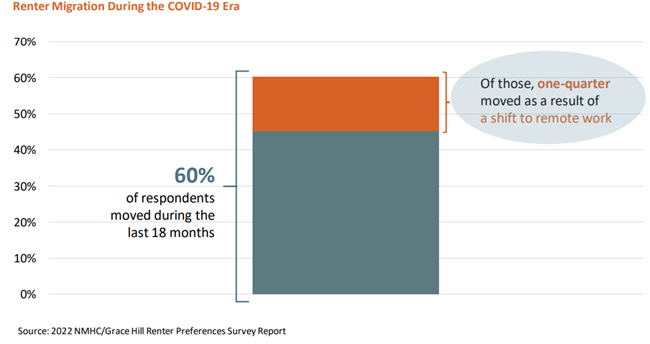
The 2022 renter preferences survey report shows that renters have been on the move over the past 18 months and clearly seek more space in their living arrangements.

And, more telling is that a quarter of respondents who moved reported that their moves were due to a shift to remote work during the pandemic, according to the 2022 Renter Preferences Survey Report from National Multifamily Housing Council and Grace Hill.

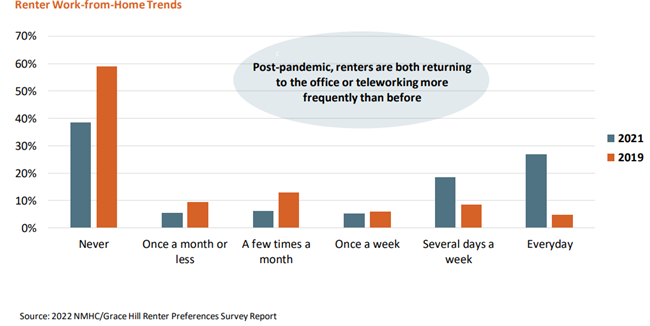
“In general, renters are teleworking with higher frequency than ever before. And there’s little expectation of that changing. In fact, nearly two-thirds (64 percent) of survey respondents said they expect to be teleworking about the same amount over the next year as they are now. This shift is driving demand for home offices and meeting space,” the report says.

The 2022 renter preferences survey report shows that renters have been on the move over the past 18 months and clearly seek more space in their living arrangements.

Renters were moving

Renter Preferences Survey Report Hot Trends and Key Findings

1. Demand for more space

“Lockdowns seemingly led to a strong desire for additional space; twenty-eight percent of renters who said they intend to move to a different rental community when their lease expires cited “additional living space” as a reason, up from just 19 percent two years ago.

2. Washers and dryers, air conditioning, soundproof walls and high-speed internet

“Now, more than ever, home is proving to be a sanctuary, and renters have a great desire — and are willing to pay a premium in additional monthly rent — for certain amenities. Reported must-haves include: washer/dryer in-unit (92 percent of renters interested, $54.73 monthly premium), air conditioning (91 percent, $54.73) , soundproof walls (90 percent, $46.21), high-speed internet access (89 percent, $47.93) , and walk-in closet (88 percent, $43.46).

3. Package delivery increase

“The share of renters who received two or fewer packages per month dropped from 45 percent in 2019 to just 24 percent this round, while the share who received three or more packages per month increased from 55 percent to 76 percent over the two-year period,” the report says.

Renters want choices

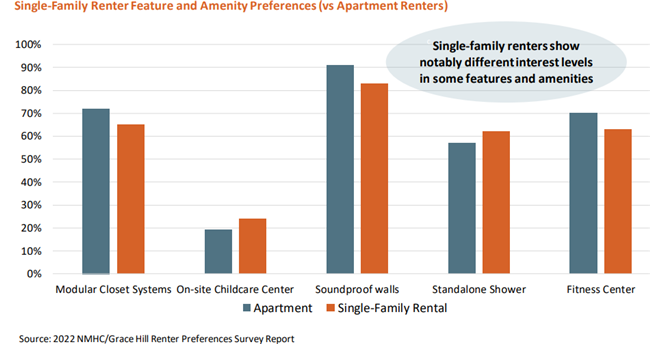
“Our survey asked residents what types of rental homes they considered during their last home search. While traditional apartment homes garnered a majority of responses (57 percent), townhomes and single-family rentals were also in the mix at 23 percent and 19 percent of responses, respectively.

“There were also strong correlations between what type of rental home they ultimately ended up in and their preferences for features and amenities like storage solutions, fitness centers and package management,” the report says.

Interest in smart home technology

The 2022 renter preferences survey report shows that renters have been on the move over the past 18 months and clearly seek more space in their living arrangements.

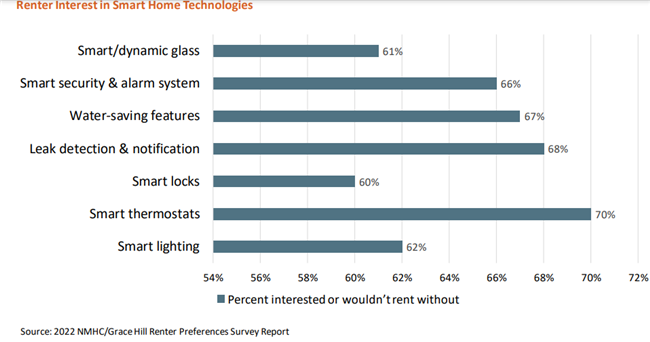
Renters’ interest in smart home technology is tied to its ability to add convenience or drive savings. Survey results show that the most popular smart home feature for renters is a smart thermostat, with 70 percent of respondents saying they were interested in or wouldn’t rent without this feature.

Smart sensor technology is also feeding renter interest in leak detection systems (67 percent) and water-saving features (67 percent).

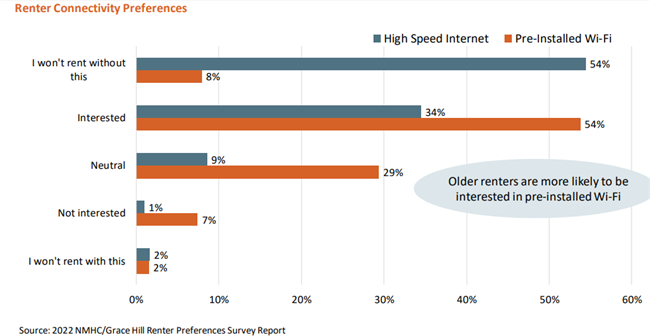
Also connectivity is an issue with reliable cell service and internet service a requirement.

The 2022 renter preferences survey report shows that renters have been on the move over the past 18 months and clearly seek more space in their living arrangements.

“Reliable cell phone service ranked as the No. 1 community amenity, with 86 percent of survey respondents indicating interest. Renters are even more serious about their internet connectivity, with nine out of 10 respondents saying they were interested in or wouldn’t rent their home without it.”

Renter preferences survey: pet-Friendly amenities

Roughly one-third of renter respondents indicated they lived with a pet or service animal.

Dogs are proving to be a renter’s best friend, with 70 percent of pet owners indicating their fur babies were dogs.

The preference is driving interest in—and premiums for—four-legged friendly amenities like community dog parks, pet washing stations and on-site pet services like doggy daycare and grooming.

Moreover, survey results show that pet breed restrictions may be falling out of favor with renters, with 77 percent of respondents indicating that pet breed restrictions would either have no effect on their leasing decisions or would make them less likely to rent a property with restrictions in place.

Noise-related issues continue to be a problem

Noise remains a leading environmental pollutant at rental communities, detracting from renters’ wellbeing and living experience.

“As a result, renter interest in sound mitigating tech in windows and walls remains sky high. In fact, soundproof walls are the third most popular home feature after air conditioning and an in-unit washer/dryer, with 90 percent of respondents indicating they were interested or wouldn’t rent without them.”

Features that are most important

A renter preference for outdoor space also

“Renters have long put a premium on private outdoor space like patios and balconies, as well as other community outdoor amenities.

“Nationally, nearly three-quarters (73 percent) of the renter preference survey respondents indicated strong interest in a community pool, with the strongest interest levels coming mostly from fairer climates in the Southeast and Texas. Geography also factored into interest levels around amenities like rooftop space and common area barbecue grills as renters in higher density areas in and around some of the nation’s leading cities showed stronger interest levels,” the report says.

About the renter preferences survey:

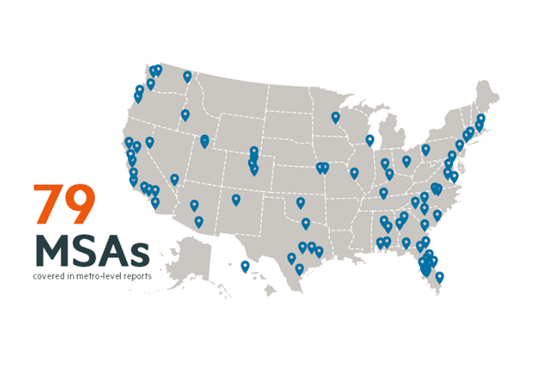
“Our team conducted the survey in September and October 2021. Web-based surveys were distributed to more than 1 million residents. Along with the national report, metro-level reports are available. To qualify, each market needed at least 150 responses from five properties and at least two participating firms.”  A total of 221,559 renter responses were received.

Get the full report here The 2022 NMHC/Grace Hill Renter Preferences Survey Report is Now Available

3 Tips to Keep You Out of Landlord Rehab

Sign Up For Our Newsletter And Get Rental Property And Apartment News And Helpful, Useful Content Each Week.

* indicates required

Why I Like My Rental Properties’ Nosy Neighbors

Three Steps to Becoming a Successful, Lazy Landlord

Picking the Right Delaware Statutory Trust Companies

Picking the Right Delaware Statutory Trust Companies

Investors often must juggle multiple investment options, like where to invest and with whom. When it comes to evaluating a Delaware Statutory Trust or DST investment, real estate investors should look for a firm that specializes in DST investments to help ensure their 1031 Exchange is executed, with no detail being dropped.

One of the most important reasons investors need to carefully research any Delaware Statutory Trust company is because 1031 Exchange investment decisions need to be made within a tight timeframe, and within strict IRS requirements. These are not easy decisions to make within the timeframe, as they require careful assessment and specialized know-how of both the 1031 Exchange and DST industries.

1031 Exchange Timeline Considerations
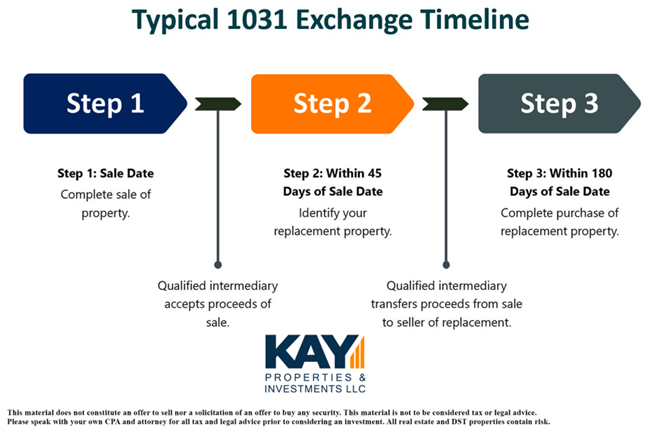
The IRS timeline on a 1031 exchange can be extremely challenging, including completing the following steps within the specified timeframe as outlined under Section 1031 of the United States Internal Revenue Code:

  1. Investors must purchase another “like-kind” investment property
  2. The replacement property must be of equal or greater value
  3. Investors must invest all the proceeds from the sale (i.e. the sale cannot receive any “boot”.) NOTE: A boot is a portion of the sales proceeds you receive from a 1031 exchange that isn’t re-invested in a replacement property. For example, if you sell a property for $200,000 but only re-invest $180,000, the $20K difference is known as boot.
  4. The investor must be the same title holder and taxpayer
  5. Investors must identify new property within 45 days
  6. Investors must purchase new property within 180 days

How Knowledgeable is your Delaware Statutory Trust Company?

One of the greatest benefits of working with a specialized and skilled Delaware Statutory Trust company is that they can provide investors not only expert advice and insight into the various property options, but also provide advice on building a conservative, customized, and diversified portfolio for their investor’s. Some firms advise investors to select risky businesses like hospitality, senior care, and oil & gas industries for 1031 exchange property options. Firms like Kay Properties & Investments is focused on building conservative, customized, diversified portfolios for their clients, doing everything possible to minimize risk.

Another important investment criterion investors should consider when a DST 1031 exchange, is does the firm provide 1031 Exchange investors a diversified menu of real estate assets from which they may choose, rather than forcing them to pick from limited options.

Kay Properties has access to the marketplace of DSTs from working closely with more than 25 DST sponsor companies. This allows investors to close their 1031 Exchange in little as 2-3 days, and invest in quality assets within the multifamily, net-lease, self-storage, industrial and manufactured housing sectors. In addition, Kay Properties offers the industry the largest inventory of custom debt-free DSTs while other firms only have 1 or 2 available. In addition, Kay Properties provides its clients a cash-out refinance option for those investors seeking potential liquidity.

Are They Offering a Breadth of Investment Options?

One of the concerns with having limited investment options is that investors may choose to invest their money in a particular investment not because it is necessarily the most suitable available in the market, but simply because it is the best option amongst those presented to them. For example, Apple and Microsoft are often considered by some to be well managed and profitable companies, but if those were the only options presented to a stock investor by their financial advisor, that investor would not necessarily know about other companies sometimes considered by others to also be well managed and profitable in which they could diversify their holdings, such as Amazon, Google, Netflix, etc… The same is true in the world of Delaware Statutory Trust brokers.

Many 1031-exchange investors are sometimes introduced to DST 1031-exchanges by someone that only has access to one or two DST properties and/or who has very little experience/knowledge in completing and evaluating 1031 DST exchanges.

What About the Education Process for DST 1031 Investors?

Because the Delaware Statutory Trust 1031 IRS laws can be confusing, the best Delaware Statutory Trust broker should offer investors educational tools to help them find the right DST investment vehicle. In addition, a good DST 1031 firm should also possess extensive knowledge about the different types of DST options, and be able to share this knowledge so that their client can pick the right property that meets their goals and objectives, be it in terms of tax deferrals or benefits and of course potential returns. And – depending on your unique goals and objectives – an excellent DST broker may help you select DST investments as you consider all three: potential income, potential capital preservation, and capital appreciation potential.

Kay Properties has one of the most (if not the most) robust 1031 Delaware Statutory Trust educational platforms in the nation. Some of these educational tools include:

  • DST 1031 Conference Calls
  • 1031 Exchange Delaware Statutory Trust Seminars and Workshops
  • Vast Library of DST blog articles where investors can learn about DST trends, transactions, and insights
  • A Regularly Updated Library of Podcast Episodes dedicated to DST 1031 exchanges

What Does their Track Record Say?

Another good idea for investors who are looking for the right Delaware Statutory Trust company should do is to examine the track record of any firm you are thinking of working with to determine whether they have extensive experience with DST 1031 investments. A long track record suggests they have acquired the necessary financial skill set and industry expertise which can help them evaluate several options to help you pick the right one. Plus, with years of experience in the DST sector, the best DST companies boast of a broad network of DST sponsors, offering you many options to choose from.

Kay Properties & Investments is considered one of the most experienced and knowledgeable investment firms in the country specializing in Delaware Statutory Trust (DST) and private equity real estate investments. The firm was established in 2010 with the emphasis on providing real estate investment options to high-net-worth clients looking for passive real estate ownership. In addition, Kay Properties believes it has created one of the largest 1031 exchange and real estate investment online marketplaces in the country that generates some of the largest DST 1031 investment volume in the United States. In 2021, for example, Kay Properties clients participated in thousands of transactions, and the $610 million of equity invested through the Kay Properties platform was invested in more than $8 billion of real estate offerings totaling approximately 50 million square feet of multifamily, manufactured housing, single tenant net lease, industrial, self-storage and medical properties nationwide.

Besides a deep network, what accredited investors deserve is an experienced and knowledgeable 1031 Delaware Statutory Trust broker that can provide them with valuable insight, guidance, and access to a large amount of diverse DST properties from many different DST sponsor companies. Kay Properties, a national Delaware Statutory Trust (DST) investment firm, is such a DST broker.

What to Look for When Searching for a Delaware Statutory Trust Company?

What to Look for? What does this mean? What Questions to Ask?
Make sure the firm is hyper-specialized in DST 1031 Investments A true DST specialist firm will have participated in billions of dollars of DST investments and be able to provide clients custom options to satisfy their specific, unique needs.


Kay Takeaway: Ask how many DST 1031 deals the firm has successfully completed.
Make sure you use a firm that has an entire team of DST 1031 professionals It’s important to understand how the concepts of debt replacement, lease structuring, diversifying real estate portfolios, etc. are relevant to any 1031 exchange. A true DST 1031 expert will be able to explain these and other terms in great detail. Key Takeaway: Ask very specific questions and demand very specific answers.
Make sure you use a firm that is very particular with their DST properties Many firms that don’t specialize in DST properties encourage investors to look at assets that have higher risk, overly priced, and little performance data. Key Takeaways: Ask where the advisory firm sources their properties for 1031 exchanges, and what type of due diligence they have performed on the properties.
Make sure to use a firm that has some of its own skin in the game. Smart investors work with DST 1031 advisory firms who invest their own money in the investments they are selling. Key Takeaways: Ask if your advisory firm personally invests in the specific properties they are advising other people to invest in.


What Kay Properties Can Do for You?

One of the tremendous resources offered to investors by Kay Properties is the kpi1031.com online marketplace. The www.kpi1031.com platform provides access to the marketplace of DSTs from over 25 different DST sponsor companies, custom DSTs only available to Kay clients, independent advice on DST sponsor companies, full due diligence and vetting on each DST (typically 20-40 DSTs) and a DST secondary market.  Kay Properties team members collectively have over 150 years of real estate experience, are licensed in all 50 states, and are 1031 exchange DST brokers who have participated in over $30 Billion of DST 1031 investments.

Sophisticated real estate investors know that choosing the right DST broker is critical when looking to place their 1031-exchange or cash-investment dollars into a DST.

Ask Bill Exeter

Ask Bill Exeter and his team your questions about 1031 exchanges and he and his team will get back to you.

Name

About Kay Properties and www.kpi1031.com

Kay Properties is a national Delaware Statutory Trust (DST) investment firm. The www.kpi1031.com platform provides access to the marketplace of DSTs from over 25 different sponsor companies, custom DSTs only available to Kay clients, independent advice on DST sponsor companies, full due diligence and vetting on each DST (typically 20-40 DSTs) and a DST secondary market.  Kay Properties team members collectively have over 150 years of real estate experience, are licensed in all 50 states, and have participated in over $30 Billion of DST 1031 investments.

This material does not constitute an offer to sell nor a solicitation of an offer to buy any security. Such offers can be made only by the confidential Private Placement Memorandum (the “Memorandum”). Please read the entire Memorandum paying special attention to the risk section prior investing.  IRC Section 1031, IRC Section 1033 and IRC Section 721 are complex tax codes therefore you should consult your tax or legal professional for details regarding your situation.  There are material risks associated with investing in real estate securities including illiquidity, vacancies, general market conditions and competition, lack of operating history, interest rate risks, general risks of owning/operating commercial and multifamily properties, financing risks, potential adverse tax consequences, general economic risks, development risks and long hold periods. There is a risk of loss of the entire investment principal. Past performance is not a guarantee of future results. Potential cash flow, potential returns and potential appreciation are not guaranteed.

Nothing contained on this website constitutes tax, legal, insurance or investment advice, nor does it constitute a solicitation or an offer to buy or sell any security or other financial instrument. Securities offered through FNEX Capital, member FINRA, SIPC.

Why Real Estate Syndication Is Important for Delaware Statutory Trust 1031 Exchange Real Estate Investors

Six Ways to Ensure Your 1031 Exchange is Successfully Completed

Kay Properties & Investments Has Record Year With $610 Million In Equity Placed

The Top 50 Best Cities For Renting An Apartment

top 50 best cities to rent an apartment

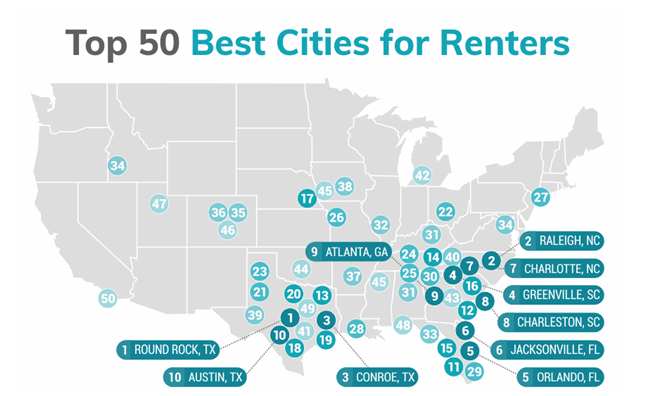
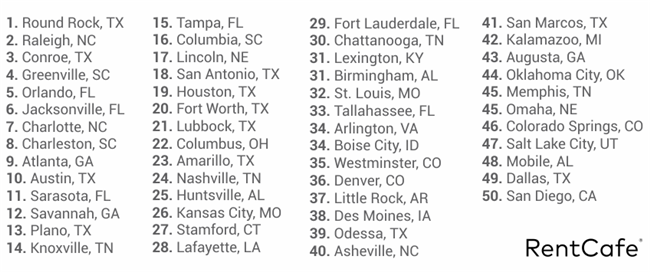
RentCafe has ranked the best U.S. cities for renting an apartment in 2022, using a unique combination of 17 metrics and proprietary data, according to a release.

“In addition to what it costs to live in America’s cities, we also looked at the selection and quality of apartments, the quality of their neighborhoods, occupancy rates, local economy growth, air quality, job opportunities and much more,” the company said in the release

The report ranks the suburb north of Austin, Round Rock, as the best city for renters in 2022, followed by North Carolina’s fastest-growing city, Raleigh.

Here is the ranking across the three main categories of cost of living and housing, local economy and quality of life:

  • Round Rock leads other Southern cities, small and large, that confirm not only Texas’ appeal for renters, but the South’s as an entire region. Round Rock stands out especially due to its highly rated schools, having one of the best job growths in the country: 9.1 percent, and a large stock of high-end apartments: 75 percent.
  • Raleigh takes the second spot due to its great quality of life metrics, as well as its high-end apartments in quality neighborhoods, low unemployment rate – 4.3 percent, and access to high-quality education.
  • Conroe, TX ranks third thanks to its great cost of living and housing, followed by Greenville, SC, and Orlando, FL, which rounds up the top 5.
  • Jacksonville, FL takes the title of best large city for renters, at no. 6 overall. What made it stand out were its large apartments, high number of new business applications – one of the highest in the country, good job growth – 5.4%, and low unemployment rate– 5.5 percent.
  • Small cities dominate the cost of living & housing section, with Savannah, GA in the lead. Its large floorplans and lower overall costs of living helped the city rank high up in the general chart as well, at no. 12. Plano, TX ranks best for local economy, with a low unemployment rate of 4 percent, one of the highest average incomes: $78,700, and a healthy job growth of 7.4 percent.

The Top 50 Best Cities For Renting An Apartment

Read the full report here.

Sign Up For Our Weekly Newsletter And Get Rental Property And Apartment News And Helpful, Useful Content Each Week.

* indicates required

Be Careful: Investors, Landlords Are Easy Targets for Fraud

Investors, Landlords Are Easy Targets for Fraud

Investors and landlords are easy targets for fraud because they have to put their information out there in many databases.

By David Pickron

Just last week I received an email that promised me the easy life.  King Jeremiah from Zimbabwe had 45 million dollars that he needed my help with to get out of his country.  Imagine that… little ole me being contacted to help royalty in another country.  And for my troubles, I’d get half of the money.  I was blown away, even overwhelmed, by this amazing turn of fate that had come my way.   Most of us can clearly see through offers like this a mile a way but they keep coming.  Someone must be falling for these types of scams, or they would not continue month after month, year after year.  Though fraud schemes like these are easy to see, scammers are getting better and better at using your information against you.  One slip and you could lose your identity or thousands of dollars.

Recent statistics provided by a Federal Trade Commission (FTC) report that there are over 6,000 reports of fraud on average every single day.  And that’s just those that are reported. I would guess that the actual number of acts of fraud committed daily are 3-4 times as many, but they go unreported. These acts include check, credit card, bank account, email, and/or mail fraud; they are all around us.

As an investor/landlord you have to ask yourself are you at risk, and if so, how?

Investors have their information literally everywhere online as it is stored in several databases.  The simple act of buying a home opens you up to people seeing and eventually stealing your data.  Think of the places you provide personal information during this process: application forms, down payments for escrow, public websites like the county recorder and assessor, landlord registration, corporation commission, Zillow, and other data harvesters.  In fact you’ve probably experienced our very own investing industry grabbing this data and soliciting you directly to buy, sell or manage your properties.  How many unsolicited texts, phone calls or emails have you received from people who want to buy your home?  Ever wonder how they are getting your number?  Your personal information is more accessible than ever.

As a Private Investigator with the click of just a few buttons, I could tell you everywhere you lived, what you owned, who your neighbors were, names of your family members, cell phones, social security, date of birth, extended relatives, cars, employment etc.  When you set up your last online profile, wherever it may be, did you answer a new security question?  Boom, that is one more piece of data collected on you.  It used to be as simple as asking for your mother’s maiden name, but that has now extended to things like your high school best friend, sisters date of birth, name of first pet or any other crazy question.  Unknowingly we are all sharing information that may be used against us.

We rely on great relationships with our bankers who  have seen a large increase in bank fraud over the last several months.  While they may seem safe, wire and money transfers have become targets for fraudsters, and they do not have the protection credit cards have.   Wire transfers are immediate and clear banks quickly and before you know it, your money is gone.  Our personal and business accounts are at risk too.  It is crazy to me that we will diligently protect our social security number but then give anyone a check with our routing number and bank account number printed right on it, leaving us massively exposed to online check fraud.  It’s time to protect our bank account numbers like just like we do our social security number.

I suggest that you do these THREE things immediately as an investor:

  1. Put a freeze on your credit. Experian has made it easy to freeze and unfreeze.  Freezing your data stops anyone other than you from accessing your information and receiving new credit.  If you are at a car dealership and looking to finance, you simply go to the Experian portal and remove the freeze for the day.   It automatically freezes again the next day.  Create your freeze today at: https://www.experian.com/freeze/center.html
  2. Use an online rent payment system to manage your rental payments. This system allows rent to be paid from bank account to bank account, without giving out your personal bank account numbers to your tenants.  This will protect you from one more person having your personal information.
  3. Watch what you post online. When you search your name, what do you see?  I personally write many articles, do podcasts, record videos, and have my information everywhere…I am toast!  In helping others, I expose myself and, in an attempt, to be personal, tell many stories that give data about my family, properties, hobbies etc.  Social media is also the perfect medium for people to grab pictures or personal information.  If you find yourself in a similar situation with a growing online presence or increased exposure, go back to number 1 above and make sure you freeze your credit.  You don’t want to be one of those 6,000 reports a day going to the FTC.

In reality we aren’t ever going to be able to entirely get away from those that want to use our good information for bad purposes.  But we can take steps to protect ourselves that will at least limit the damages.  The good news for me is that King Jeremiah is going to make me mega rich, so I’ll just find a quiet home in a sleepy town, own a Dairy Queen, and be set for life.

About the author

David Pickron is president of Rent Perfect, a private investigator, and a fellow landlord who manages several short- and long-term rentals.  Subscribe to his weekly Rent Perfect Podcast (available on YouTube, Spotify, and Apple Podcasts) to stay up to date on the latest industry news and for expert tips on how to manage your properties.

Investors, Landlords Are Easy Targets for Fraud
David Pickron

3 Tips to Keep You Out of Landlord Rehab

Sign Up For Our Newsletter And Get Rental Property And Apartment News And Helpful, Useful Content Each Week.

* indicates required

Why I Like My Rental Properties’ Nosy Neighbors

Three Steps to Becoming a Successful, Lazy Landlord

Rent Growth Accelerates Again Up 1.2 Percent In May

Rent Growth Accelerates Again Up 1.2 Percent In May

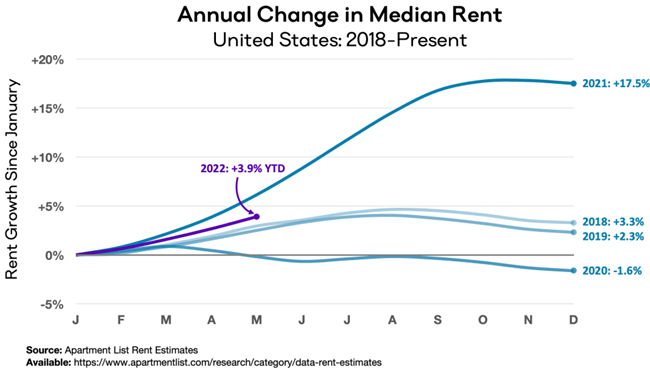
National rent growth accelerated slightly again in May, with the national index up by 1.2 percent over the course of May, the largest monthly increase of the year so far, according to Apartment List.

“So far this year, rents are growing more slowly than they did in 2021, but faster than the growth we observed in the years immediately preceding the pandemic. Over the first five months of 2022, rents have increased by a total of 3.9 percent, compared to an increase of 6.1 percent over the same months of 2021,” the Apartment List research team writes in the report.

Rent growth likely to exceed pre-pandemic trends

Year-over-year rent growth currently stands at a staggering 15.3 percent, but is down slightly from a peak of 17.8 percent at the start of the year the report says.

“Based on what we’ve seen so far this year, rent growth in 2022 seems likely to continue exceeding the pre-pandemic trend, even as it moderates substantially from 2021 levels,” the report says.

Rents increased in May in 96 of the nation’s 100 largest cities, though 70 of these cities have seen slower rent growth in 2022 so far than they did last year, and some of the hottest Sun Belt markets are finally showing signs of plateauing growth.

Vacancy rate continues upward trend

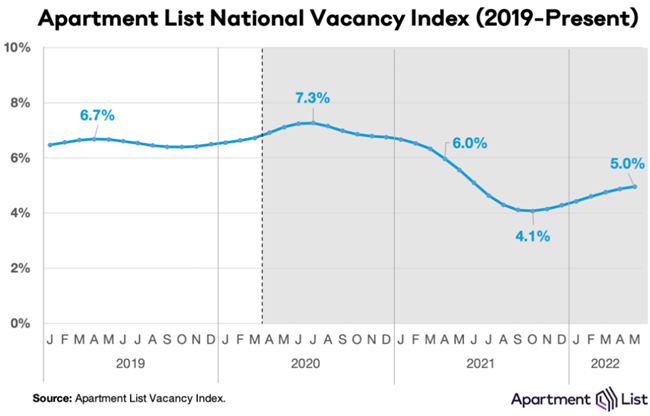
The national vacancy index ticked up slightly again in May, continuing a streak of gradual easing dating back to last fall.

vacancy rate continues upward as rent growth accelerates

“Our vacancy index now stands at 5 percent, up from a low of 4.1 percent, but remains well below the pre-pandemic norm,” the report says.

Although this gradual easing in occupancy is a positive signal, the market remains historically tight.

“And although we’re now at the start of the busy season for the rental market, when the bulk of moving activity normally takes place, rapidly rising rents may incentivize many renters to stay put and renew existing leases rather than looking for new ones. At the same time, the recent spike and mortgage rates has created yet another barrier to a historically difficult for-sale market, potentially sidelining would-be homebuyers and keeping them in the rental market.

“Given these factors, it’s possible that the easing of our vacancy index could level off in the coming months,” the report says.

Sign Up For Our Weekly Newsletter And Get Rental Property And Apartment News And Helpful, Useful Content Each Week.

* indicates required

Changing the Perception of Apartment Living

Family in new apartment home::The popularity of apartment living is growing with a wide variety of renters at all income levels, ages and stages of life.

The popularity of apartment living is growing with a wide variety of renters at all income levels, ages and stages of life.

By Debbie Willis

Negative perceptions about renters and landlords have been around for ages.  According to a survey conducted by Apartment List, some of these perceptions include renters are poorer and can’t afford to purchase a home, they are transient and not invested in their community, and renting is a short-term solution which points to a lack of commitment and responsibility.

Throughout our own development process and experience, we consistently run into locals who feel adding an apartment development within their community will have a negative impact on the neighborhood.

The popularity of apartment living and for rent single family homes continues to grow across the United States, and for many it’s by choice.  According to Pew Research Center, the percentage of renters in the United States rose from 34.6% to 43.3% from 2006 to 2016 and it appears to have remained at these levels since.  So why the negative perceptions?  And why are so many choosing to rent as opposed to purchasing a home?

Who’s Renting and Length of Residency

We’re seeing a wide variety of renters in all stages of life, economic standing, and age applying to live in an apartment and for rent communities.

Some are snowbirds looking for a second home in a warmer climate to spend their winters, some are traveling professionals, some are building a home or waiting to purchase a home, many want to live in a specific location, some are retiring and looking to simplify and downsize, and some simply do not want the stress that comes with owning and maintaining a home.  For these reasons and many more, renting has been a lifestyle choice for years and is increasing in popularity.

The popularity of apartment living is growing with a wide variety of renters at all income levels, ages and stages of life.
A wide variety of renters in all stages of life, economic standing, and age are applying to live in an apartment and for rent communities.

One of the stigmas related to apartment living is the fear an apartment community will draw transients and higher crime rates.  As of May 2022, the average residency of a P.B. Bell apartment resident is 29.3 months or 2.4 years.  On the high end, two communities within our portfolio have an average residency of 3.7 years.  The properties within our portfolio range in class type, age, and location and offer a varied sampling.  Maintaining a beautiful, clean, and safe community is a top priority at all our properties and residents enjoy the benefit and convenience of having a professional group manage and care for their community and home.

Income

Many community members worry, and may publicly voice concern when a new multifamily community is proposed or planned for development in their neighborhood because of the idea or assumption that apartment renters generate lower than average income and are not willing to invest in their immediate and surrounding community.

According to CoStar, as of May 17, 2022, the average asking rent for an apartment home in the Phoenix Metropolitan Area is $1,597.  Typically, the minimum income requirement to qualify for a rental home is at least three times the asking rent, which would total nearly $60,000 in annual income.  Newer apartment communities are asking much more.  The average market rent per unit in an apartment community built in 2020 to 2022 in Phoenix is $2,060 (source: CoStar).  This brings the minimum annual income requirement to $74,160.

While some are applying for an apartment home with roommates to combine income and meet these qualifications, we’re also seeing many applicants surpass the minimum income requirement by quite a bit, falling into the upper middle and upper class.

Regardless of single or multiple applicant status, occupancy standards are enforced at all professionally managed communities which is typically two persons per bedroom.  When we review our residents’ qualifications, it’s clear many can afford to purchase a home but are choosing to rent because they like the location, the flexibility, availability, and convenience an apartment home may offer.  Multifamily residents also support nearby shops and restaurants boosting local businesses.

Community Amenities

Master-planned community members may fear that apartment renters moving into the community will cause congestion with the use of their amenities, such as parks, community centers, pools, etc.

However, it’s quite the opposite.  One of the appealing factors to many apartment renters are the incredible amenities available exclusively to them within their apartment community.  In Arizona, some of these basic amenities include resort style pools, fitness centers, 24-hour on call maintenance, controlled community access, and playgrounds.  Newer developments are offering so much more, from dog parks and dog spas to indoor and outdoor lounges, complimentary common area WiFi, coffee bars, business centers, electric vehicle charging stations, smart apartment home thermostats and so much more.  Apartment residents have the ability to access all these amenities within walking distance from their apartment home, offering a unique lifestyle of luxury, exclusivity, and convenience.

We’d like to challenge skeptics to seek out a new apartment or rental community in your area and take a tour.  See for yourself why people are making this lifestyle choice and making the decision to rent.

About the author:

The popularity of apartment living is growing with a wide variety of renters at all income levels, ages and stages of life.
Debbie Willis, CPM®, President & Designated Broker Of Property Services

Debbie D. Willis, President and Designated Broker for P.B. Bell, is responsible for the company’s residential property management operations.  Debbie has been in the multifamily property management field since 1979 and with P.B. Bell since 1983.  Debbie administers all functions of the P.B. Bell Property Management Division and oversees all new business and development activities.  Debbie has served as the Arizona Multihousing Association State Convention and Trade Show chairperson, Education Committee chairperson, and Ethics Committee chairperson.  She currently serves on the Arizona Multihousing Association Board of Directors.  Debbie has an Arizona broker’s license, received her Certified Apartment Manager (CAM) designation from the Arizona Multihousing Association in 1987 and her Certified Property Manager (CPM®) designation in 1992 from the Institute of Real Estate Management.

Key Components of Effective Communication with Residents


Sign Up For Our Weekly Newsletter And Get Rental Property And Apartment News And Helpful, Useful Content Each Week.

* indicates required

Keeping Your Communications Compliant with Fair Housing

5 Ways to Communicate Better with Challenging Tenants

What to Look for in Property Management Software