Home Blog Page 71

4 Signs of Faulty Electrical Wiring in Rental Property

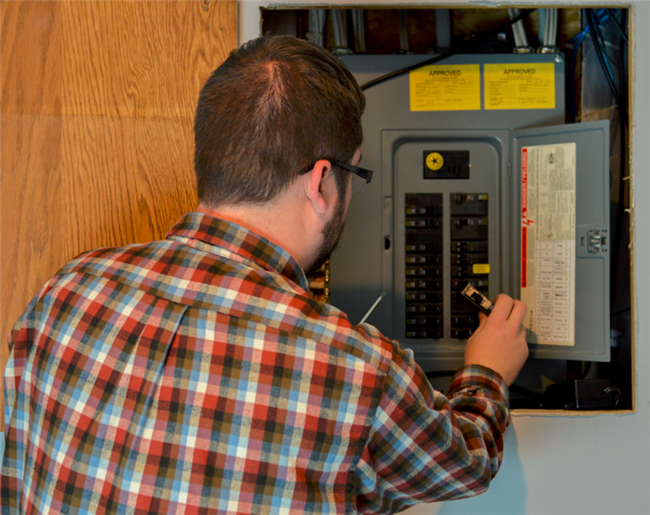
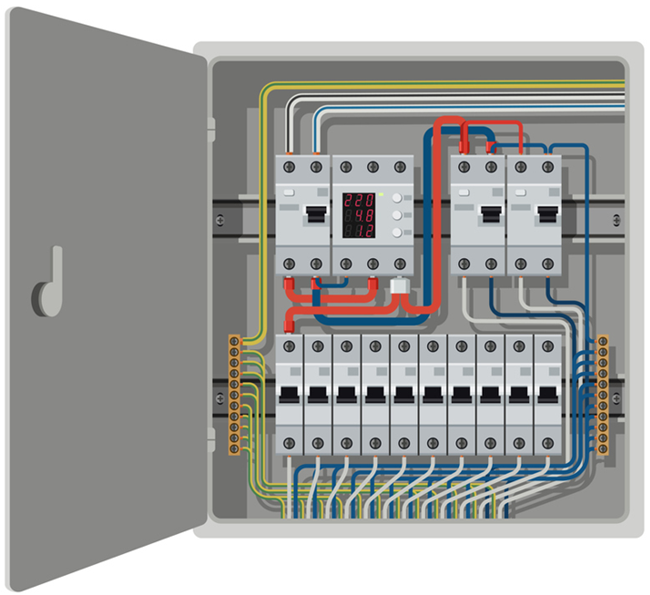
Frequent circuit breaker trips are one of4 Signs of Faulty Electrical Wiring in Rental Property

You and your tenants should be on the outlook for these four signs of faulty electrical wiring in a rental property.

By Phil Schaller

There are a few telltale signs that you may have some bad wiring at your property. If you or your tenants hear, see, or smell any of these indicators your electrical infrastructure needs to be inspected.

Electrical malfunction can be very dangerous (fires), not to mention that you need consistent electricity to power many components of the home (which you are legally obligated to provide based on landlord/tenant laws and the lease with your tenants). Not only should tenants be encouraged to report any issues with the property, electrical systems should also be inspected regularly (we suggest a couple of times a year).

Be alert for any of the following four signs of faulty electrical wiring from your tenants

1. Warm electrical wall outlets

If a wall outlet is warm to the touch, this is a sign of faulty wiring and should be addressed immediately.

Another indicator is if the outlet is vibrating; call an electrician!

2. Frequent circuit-breaker trips

The reason circuit breakers exist is to provide a safety net for the electrical systems of a property.

When an electrical system is overloaded, the circuit breaker will shut off the power. This happens occasionally and is normal here and there. But when the breaker trips too often (once a month or more) it’s a sign something is off.

Either the electrical load is too high or you may have faulty wiring. This is another reason to call an electrician (you may see a theme here!).

3. Abnormal noises or lighting issues

If your tenant hear any clicking or flickering noises coming from lights or outlets, this is another sign something may be wrong.

Buzzing is another noise to look out for. If you notice lightbulbs dying quickly or dimming, this should be addressed by an electrician.

4. Signs of scorching and/or smoke

Probably the most obvious of wiring woes. If you or a tenant sees or smells smoke or odd odors coming from an electrical outlet, be ready to call 911 in case of a fire. If there are signs that heat has caused a stain or discoloration around an outlet, this could mean the wiring is faulty and is producing heat (and hence a big fire hazard). If left unchecked, major damage could ensue.

It’s important to be diligent about the state of a property’s electrical infrastructure. We advise not to take the inexpensive route when doing electrical work, especially the more complex work requiring a permit. Hire an electrician and invest in your property.

About the author:

Phil Schaller is an experienced landlord and the founder/CEO of RentalRiff – an alternative service to traditional property management that provides ongoing oversight and upkeep of rental properties, while serving as the main point of contact for tenants. You can reach him at 541-600-3200. Maintenance and repair costs are included and property specialists are licensed/insured. Phil is a Pacific Northwest native, father of two, and fly-fishing addict.

Sign Up For Our Weekly Newsletter And Get Rental Property And Apartment News And Helpful, Useful Content Each Week.

* indicates required

How To Winterize Your Rental Property

How to winterize your rental property because just one cold spell could result in sudden tenant calls or problems with pipes.

By Phil Schaller

It’s that time of the year again. Winter will bring cold and wet weather and it’s critical to prepare your rental for the elements. Just one cold spell can wreak havoc on your pipes, gutters, roof, and unfortunately more. But have no fear, we are here to help! The checklist below is a must-do heading into winter.

While the items listed below will set your property up well for the months ahead, it is not exhaustive. The koi pond in the front yard will require some attention, although we don’t have it listed below (maybe a future blog post).

How to winterize your rental property

  1. Blow the irrigation system. This will require a landscaping company to come out to clear your systems, but it’s quick and not very expensive.
  2. Detach your hose(s) and cover the spigots. Water left in the hose/spout can cause pipes to crack and the spouts to malfunction (not to mention the hose as well).
  3. Caulk any cracks or holes around your windows. Exterior silicone caulk is the way to go here. It’s water-resistant and very durable.
  4. Clear the gutters. With more precipitation in the winter months, your gutters need to function as well as possible. All those needles, leaves, pinecones, etc. clog things up.
  5. Clean up the roof and siding. If you notice any moss build-up (common in the PNW) it’s best to scrape it to prevent further build-up. We don’t recommend hopping on the roof yourself, hire someone who has the proper equipment.
  6. Bring in outdoor furniture and grills. If your furniture sits outside all winter in the elements, you’ll be buying new furniture before you know it.
  7. Insulate water supply pipes. Focus on pipes that aren’t kept warm by insulation or heating – pipes in the attic, crawl spaces, garage. Foam pipe covers work well and are easy to install.
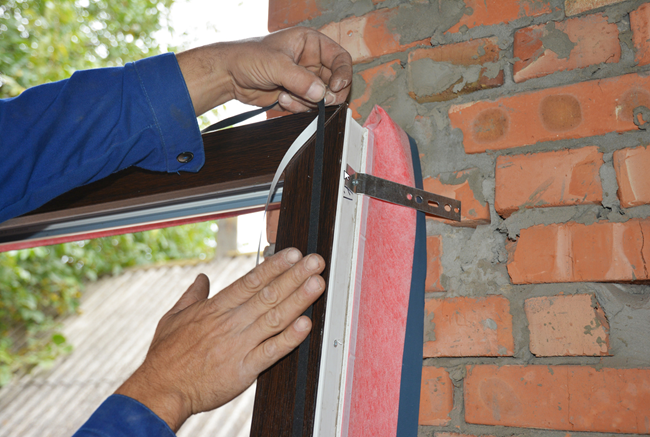
  8. Install draft guards and weather stripping to necessary doors. Draft guards are inexpensive and slide onto the bottom of a door.
  9. Replace the furnace filters. This is important to do regularly but especially important heading into winter. You and your tenants will want the furnace working as well as possible.
  10. Adjust the thermostat. If you’re turning over a unit or a single family home, make sure you don’t let the temperature dip below 50 degrees. Damage to uninsulated pipes can ensue if it gets too cold.

While there’s a decent to-do list above, if you winterize your rental property (or any property for that matter) it will pay dividends in the long run. On top of that, these tasks aren’t very time-consuming or expensive.

Any questions for us, please feel free to reach out anytime. Happy winterizing!

About the author:

Phil Schaller is an experienced landlord and the founder/CEO of RentalRiff – an alternative service to traditional property management that provides ongoing oversight and upkeep of rental properties, while serving as the main point of contact for tenants. You can reach him at 541-600-3200. Maintenance and repair costs are included and property specialists are licensed/insured. Phil is a Pacific Northwest native, father of two, and fly-fishing addict.

Sign Up For Our Weekly Newsletter And Get Rental Property And Apartment News And Helpful, Useful Content Each Week.

* indicates required

3 Common Plumbing Emergencies In Rental Properties And What To Do

3 Common Plumbing Emergencies In Rental Properties And What To Do

Here are several common plumbing emergencies in rental properties and what to do in each case.

By Phil Schaller

Plumbing issues can range from a rapidly flooding basement to a small leak. All of these issues should be addressed as a landlord, some more quickly than others. Be cognizant of your local landlord/tenant laws as water issues are typically a high priority and require a landlord to initiate a fix immediately.

Before we dive into the list of common plumbing emergencies in rental properties and what to do, there are a few items you should be familiar with at your property. The most important is the location of the main water supply. This is critical to know if there’s ever a plumbing emergency (and helpful for other plumbing issues as well). We always advise landlords to inform their tenants of the location of the main water supply (one of the first steps we take with customers is to make sure tenants, owners, and property specialists know where this is).

It’s also important to know the basics of your water heater: how to turn it on and off, how to increase the water temperature, where the pilot light is – basic troubleshooting.

Burst Pipes

A pipe can burst when too much water pressure builds up at a weakened joint. Pipes also burst in the winter when leftover water expands when frozen, hence the importance of insulating exterior pipes and interior pipes that are exposed to the cold. More likely than not you will know when a pipe has burst –  it can make a loud popping noise – otherwise, there will be significant leaking.

Burst pipes need to be addressed immediately. Turn the main water line off to stop the leak and call a plumber as soon as possible. After the water has been shut off it’s best to drain all the faucets and do your best to clean up the water. Let in as much warm air as possible to dry out the area around the leak.

No Hot Water

A lack of hot water is a little trickier to diagnose – many things can cause this. Here are a few items to look at:

  • What is your water temperature set to? If it’s below 120 degrees F you may want to turn up the heat – temps below that 120-degrees F mark can also cause bacterial growth in your tank. Don’t go above 140 degrees F for the risk of burning.
  • Check the pilot light. If you have a gas water heater, it will have a pilot light – if it’s out, it will need to be re-lit. New heaters will have an ignition switch, older models may require you to light manually. Reference the user manual when relighting the pilot.
  • Flush the water heater. Over time, sediment and other buildups can cause your water heater to not be effective. Again, take a look at the user manual on directions for flushing your tank – this may or not be a job a landlord is up to.
  • Water pooling around the heater. If you can see a leak or determine that the pooled water is coming from your heater, this should be fixed. We recommend calling a plumber –  the leak will get worse and worse with time.

Broken Water Line

A busted water line is a major headache for a landlord. These are not easy fixes and are typically quite expensive. Here are some indicators that your water line needs repair:

  • Poor water pressure. If your tenants notice the water pressure is lower than normal, it could be because there’s a leak. If there are no other signs of water damage or a leak on the property, it may be the water line. Bringing out a pro to scope your line is the next step to take.
  • Increasing water bills. If you or your tenants notice the water bill going up, it’s because water may be leaking into the ground. Hopefully, the city can alert you/your tenants of any significant changes but, again, bring out a plumber to look at your water line.
  • Soggy ground. If the tenants notice soft spots or water build-up in the front lawn, for example, the water line may be broken. Water can be one of the most damaging elements on any property. Make sure to keep a close eye on your plumbing systems and check for signs of malfunction often.

About the author:

Phil Schaller is an experienced landlord and the founder/CEO of RentalRiff – an alternative service to traditional property management. With RentalRiff, landlords can hire a dedicated “property specialist” (licensed/insured general contractor or handyman) who will provide ongoing support and upkeep of rental properties, while serving as the main point of contact for tenants. Maintenance and repair costs are included in the monthly fee. Phil is a Pacific Northwest native, father of two, and fly-fishing addict. You can reach RentalRiff at 541-600-3200.

Oops! We could not locate your form.

Sign Up For Our Weekly Newsletter And Get Rental Property And Apartment News And Helpful, Useful Content Each Week.

* indicates required

Rental Property Maintenance Checklist, Part One: Plumbing

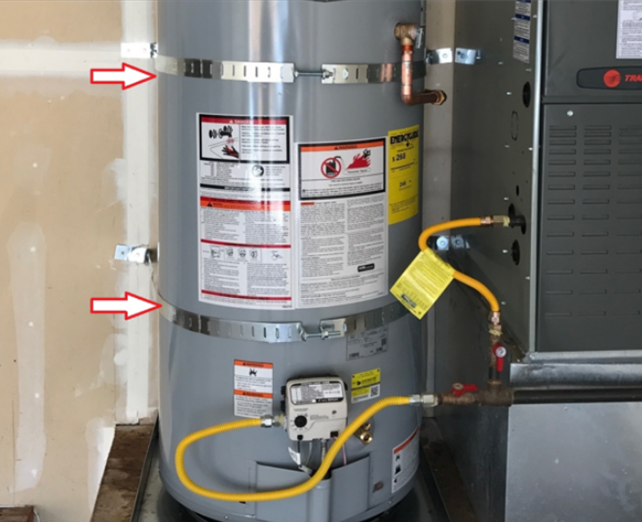
rental property maintenance plumbing and water heater secured with straps in earthquake prone areas of the country

Rental property maintenance checklist part one is plumbing, the first in a three-part series provided by Landlord Gurus.

By Eli Secor

It is easy for rental property maintenance expenses to get out of control, which can quickly impact the profitability of your investment.

Tracking and staying on top of routine upkeep, as well as practicing preventative care, is essential to maximizing the returns of your rental business.  Furthermore, it helps keep things running efficiently and smoothly, which has the added benefit of reducing the stresses of surprise repairs.

This article is the first in a 3-part series on maintenance, which focuses primarily on plumbing issues.

Key Plumbing Issues & How to Tackle Them

Plumbing issues are both common and potentially costly in rental properties.  While drain cleaning is an inevitable reality, there are plenty of other plumbing issues that can arise.  Here are some of the top plumbing issues every landlord faces, and suggestions on how to address them.

Water Heaters

Modern water heaters truly have a limited life-span, and can cause very costly damage if they fail and dump water into your building. Always record the installation date of all water heaters and schedule replacement based on the manufacturer’s estimate of lifespan.

Main Drain

Blockage in the main drain line can flood your building with sewage and filthy water. To head off this risk it is good practice to have those lines thoroughly cleaned every few years. One approach that is highly effective and gentle on pipes is to have them jetted with high-pressure water, as it clears grease and build-up from the whole drain line. You may either jet-clean from the roof or remove a toilet to access the line.

Also, consider using cameras to scope the sewer line, which will help you to monitor the condition. This is especially beneficial if you have an old building. Knowing the drain line’s condition will help you avoid sudden damage and disruption.

Bathroom Sinks

Another trouble area is the bathroom sinks that often clog with hair and soap build-up. It is good practice to remove the trap and sink stopper to clear any blockage at each tenant turnover. This way if that drain clogs during the next tenants’ residency you know it is their doing and can bill them for the cleaning costs.  You may also try using a product like a “FlexiSnake” to unclog drains without disassembling the plumbing.

Leakage

Leaks are the most common plumbing issue causing water damage in rental property. Many times they are under the kitchen or bathroom sinks, and often go undetected. There are now plenty of affordable leak detectors on the market that sound an alarm or send an alert to your phone.

It is also important to check all fixtures, such as faucets and showerheads, regularly to ensure there are no leaks that waste water. For toilets, we suggest putting a few drops of food coloring in the tank.  If that color starts showing up in the bowl you know the toilet is leaking. If a leak is detected, the best solution is usually to replace the flapper assembly and fill valve.  With the high cost of water, however, it often makes sense to replace old toilets that use a high volume of water at each flush.

Takeaway

The list of potential plumbing issues in rental property is long, however we see these as the most important to address.

The next two articles in this series cover issues related to security, pest control, exterior maintenance, electrical, fire safety, and HVAC.

About the author:

Eli Secor started LandlordGurus.com with long-time friend and fellow landlord Chris Lee.  After many a discussion about how to manage various tricky rental property issues, they decided to share their experiences and expertise with other independent landlords.  Along the way they are finding new answers and new tools, which they also share.

Earthquakes And Water Heaters: Are Your Rental Properties Ready?

Sign Up For Our Newsletter And Get Apartment News And Helpful, Useful Content Each Week.

* indicates required

3 Common Plumbing Emergencies In Rental Properties And What To Do

Rental Property Maintenance: 6 Items to Troubleshoot in Your Crawl Spaces

How to Waterproof Your Basement


Renters Put Off Moves Due To Fear Of Unknown, Recession

Renters are putting off moves due to fear of recession and unknowns, hunkering in place until they have a clearer picture of the market

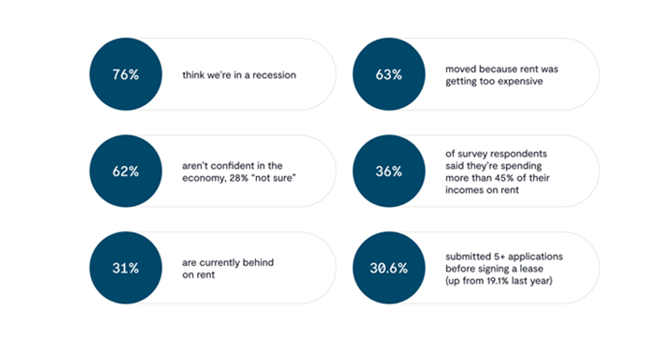
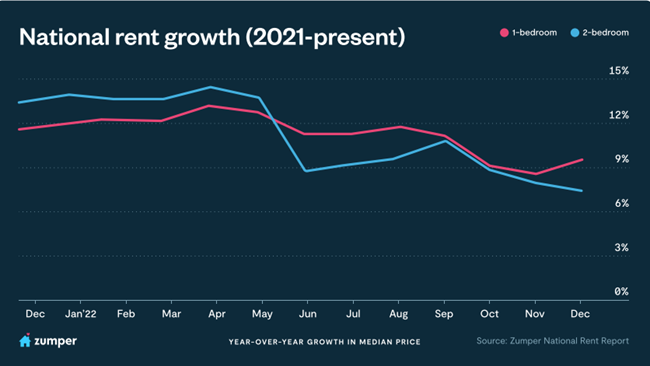
Renters are putting off moves due to fear of the unknown, hunkering in place until they have a clearer picture of the market, and having trouble finding a home that suits their budget, according to a survey in the Zumper State Of The American Renter Report.

“Rent prices are nearly always a harbinger of other economic indicators. We’re seeing pandemic-era trends begin to unwind, and we expect that to accelerate—in nearly every sector of the economy—over the next six months or more, ” Zumper CEO Anthemos Georgiades said in the report.

Renters Think The Country Is In A Recession

The survey says 76 percent of respondents think the country is in a recession and as a result their lifestyle choices are shifting and renters are putting off moves.

  • New household formation is shrinking
  • Occupancy is down
  • Prices are beginning to level off or decline in many markets
Renters are putting off moves due to fear of the unknown, hunkering in place until they have a clearer picture of the market, and having trouble finding a home that suits their budget
Chart courtesy of Zumper

Rental market impacted by home ownership getting out of reach

The survey says people “priced (or scared) out of the home-buying process have created pressure on the rental market—and, perhaps, helped prevent rent prices from dropping more drastically.

“Markets that became accustomed to all-cash bidding wars and listings staying online for under a day are now seeing homes sit on the market for weeks or months. Today’s interest rates are driving even more people out of the home-buying process and chipping away at confidence in the idea that owning a home is part of the “American dream.”

Other highlights from the report

  • 51.5 percent believe the new American dream is being untethered to homeownership and yet 36 percent of survey respondents said they’re spending more than 45 percent of their incomes on rent
  • Money saving hacks; ditching coveted amenities saves hundreds per month etc.
  • Post-pandemic winners: Florida, NYC, Jersey City
  • Post-pandemic losers: Boise, Austin and Phoenix
  • New York City will end 2023 the reigning most expensive metro

Conclusion: What does 2023 look like?

“Given the amount of demand for rental homes (including from people priced out of buying a home), we don’t expect to test a new bottom of the market. Occupancy will continue falling, but it isn’t likely to fall below 94 percent (which is considered the bottom end of our industry’s normal range).

“As new household formation continues to shrink and consumers put off big moves until the economic picture is more clear, we do expect rents to decrease across much of the country for at least the first quarter of 2023. But, by around mid-year, consumer confidence will likely improve significantly, and renters will help drive the economy with more optimistic spending habits. By the end of 2023, we’ll potentially see the first “normal” season since 2019,” the report says.

“Our industry will certainly need to weather the upcoming storm but, overall, will do very well over 
 the next decade,” Georgiades said in the report.

Read the full report here.

Sign Up For Our Weekly Newsletter And Get Rental Property And Apartment News And Helpful, Useful Content Each Week.

* indicates required

How Property Managers Can Adapt to Changing Resident Expectations

How property managers are adapting to changing resident expectations and industry trends to align with renters lifestyles.

How property managers are adapting to changing resident expectations and industry trends to align with renters lifestyles.

By Kerstin Young

The COVID-19 pandemic changed how property managers and renters alike defined home.

At some point, properties became more than just places to live. They became safe havens in great times of uncertainty. They became connectivity hubs: home offices for hybrid or remote work and the backdrop for countless Zoom or Facetime calls with family and friends.

As renters spend extraordinary amounts of time in their dwellings, property managers are working overtime to provide them with premium resident experiences, property upgrades, and amenities that align with their lifestyles. Let’s take a closer look at some of the industry trends property managers are following.

Affordably Meeting Residents’ Demands

With more of Americans’ paychecks going to rent—36 percent of their gross income to be exact–renters are looking to get more for what they’re paying, especially if they’re staying home more. Keyless entry, free Wi-Fi, and smart lockers that store their packages are hot on their list of digital amenities. Interior features like walk-in closets and soundproofed living environments that quiet everyday noise distractions are another must.

Amenities may be nice, but residents also want property managers to listen to them.

They expect prompt responses when they reach out with questions, concerns, or maintenance requests. According to a property management report, 55% of residents expect to hear back from a property manager within 2 hours of contacting them. Additionally, 22.8% of almost 65,971 online mentions about poor communication were related specifically to a lack of email response from property managers. One suggestion for property managers in order to mitigate this situation is to include an automated email response with an expected response time in order to manage communication efficiently.

Property managers should also not underestimate the power of using surveys and reviews to elicit/collect existing resident feedback.

They’ll also notice a different level of candidness in what residents are willing to say in surveys versus reviews versus social media. The same report reveals 88 percent of prospective residents read reviews before touring a property and 55 percent won’t even consider doing that if a property has less than four stars. Virtual tour mentions online have increased by 49 percent from last year with the sentiment increasing by 14.1 points.

Be Aware of the Competition

Aside from taking care of their residents, property managers also need to stay on top of their competition.

Well-funded start-ups are the new kids on the block, using fancy amenities at premium costs to attract new residents. Therefore, it’s in property managers’ best interest to closely monitor the competition by reading reviews and gathering competitive intelligence -investing in tools that mine external feedback on social media is critical to gaining an advantage in the current market. An increased use of automation including automated resident screening and onboarding, rent collection and maintenance requests allows property managers to stay above the rest in terms of competition.

Be Prepared for Rent Negotiations

Over the past two years, amenities have become a deal breaker for residents. So much so, that they use it as a bargaining chip when it comes to rent negotiations.

For example, choosing to not offer free Wi-Fi gives residents even more reason to live at a competing property instead. Property managers know residents have high expectations when it comes to amenities but are also struggling with controlling costs at a time when inflation is prevalent at every juncture of everyday life. This is especially true for Gen Z, who prefers working from home since the pandemic, and expects apartment rentals to offer amenities such as outdoor living and working spaces.

Renewed Emphasis on Renter’s Customer Journey

In today’s renter’s landscape, property managers are also stewards of the resident journey. According to Gartner, 11 percent of resolution is completely resolved by self-service. This means that residents need help resolving their problems, and rarely can customers navigate the entire journey on their own. The best communities are going to have both options, thus the need for property managers to provide residents with an omnichannel experience that prioritizes self-service over a multistep process to be connected to a live agent. Offering digital solutions allows an easier process for tenants to find, rent and manage properties.

Let’s not forget that listening to employees is also a critical part of providing renters with the best living experience possible. They’re responsible for maintaining the top two drivers of positive sentiment, customer service, and speed, and are property managers’ eyes and ears in identifying service issues that are negatively affecting resident sentiment.

After all, employee experience and customer experience are symbiotic. Data from each cohort directly impacts the other.

Providing Renters with the Best Experience Possible

By and large, renters’ demands will remain unchanged between 2022 and 2023. Property managers are still contending with setting affordable rent rates, lingering labor issues, and industry regulations from COVID-19, on top of finding new ways to drive more efficiencies without sacrificing performance.

What will ultimately be a measure of property managers’ success is how they strategically prioritize their efforts to improve the resident experience. At the end of the day, property managers and renters both want the same thing: to love where they live. Let’s make that happen in 2023.

About the author:

Kerstin Young is a Senior CX Strategist at Reputation, where she supports organizations with strategic initiatives to help improve the customer experience, from acquisition to loyalty. With 10+ years of CX management programs, she is responsible for providing guidance across various phases of the consumer journey such as implementation, design and actioning on feedback, to ensure alignment in developing a programmatic approach. Connect with her on LinkedIn.

Sign Up For Our Weekly Newsletter And Get Rental Property And Apartment News And Helpful, Useful Content Each Week.

* indicates required

Giving Back: How to Engage Your Team and Get Involved in Your Community

The multifamily industry touches many lives so here is how to engage your multifamily housing team and get involved in your community.

The multifamily industry touches many lives so here is how to engage your multifamily housing team and get involved in your community.

By Kristina Rauscher and Amy Campbell

Giving back and helping others makes us feel happy.

According to Jason March and Jill Suttie, “a 2006 study by Jorge Moll and colleagues at the National Institute of Health found that when people give to charities, it activates regions of the brain associated with pleasure, social connection, and trust, creating a ‘warm glow’ effect. Scientists also believe that altruistic behavior releases endorphins in the brain, producing the positive feeling known as the ‘helper’s high.’ ”

More and more, people want to support and work for organizations that have a culture of community involvement and support. The multifamily industry touches many lives and therefore, there are many opportunities to give back and get involved. Here are a few tips on how to accomplish good within your organization and at your multifamily communities:

Identify Ambassadors

A good first step to getting involved and organizing charitable efforts is to designate a community ambassador or a team of ambassadors.

At P.B. Bell, we have a committee called the Culture Club. In addition to their core responsibilities of communicating our company values, these individuals come together on a biweekly basis to organize social and charitable company events as well as recognize employees who go above and beyond and exemplify company values, including “Show You Care.”

Get Involved With Your Local Multifamily Association

The Arizona Multihousing Charitable Foundation (AMCF) is the philanthropic arm of the Arizona Multihousing Association (AMA).

The AMA believes in giving back to the community through charities that have an impact on their members and residents. We have an AMCF ambassador who communicates and organizes all AMCF efforts at our properties and at the corporate office. Since 2005, the AMCF Big Hearts Committee and dedicated members of the AMA have raised over $1.2 million to support local and statewide charities. Members of the AMCF Big Hearts Committee host annual fundraising events such as the Bowl-A-Thon, Car Raffle, Silent Auction, Dollar-A-Door campaign and more. They believe by working together as an industry, we can and will make a difference.

AMA also offers a 5-Star Program, designed to help reduce criminal activity and improve safety, as well as unite community organizations and individuals. Project S.A.F.E. (Safety Awareness Family Education) is an onsite event component that focuses on educating residents about important safety issues through community partnership. Guest speakers and partners might include the local fire department, YMCA, police department, pest control companies, animal shelters, swim schools, and city parks and recreation.

Support Local Community Efforts and Current Events

Stay on top of current events and identify opportunities to support immediate and seasonal needs, such as disaster relief, pandemic relief, back-to-school drives, homeless aid, food and clothing drives and toy drives.

Reach out and connect with nearby schools and non-profit organizations regarding needs and ask how you can get involved. Invite employees, residents, and vendors to participate and contribute to your cause. The opportunities to give back to the community are endless and can be catered to your company values.

Organize and Offer All Employees Volunteer Opportunities

From community manager and maintenance technician to corporate accountant and I.T. specialist, the various positions and numerous property locations within a multifamily organization can sometimes make it difficult to see or engage with fellow colleagues. At P.B. Bell, we’ve found organizing volunteer opportunities where all employees are invited to join during a workday have been very successful. These events not only bring people together for a good cause, but they also build team morale, familiarity, and connection.

While organizing and offering community, charity and volunteer events are major steps, be sure to request feedback and evaluate participation and impact along the way. Stay involved or continue efforts with high impact and consider trying other efforts if participation is low. Try new things, but don’t be afraid to establish traditions too. Survey employees and ask what their favorite charities are.  Encouraging participation throughout the process will further engage your team, build comradery, and yield greater success.

About the authors:

Kristina Rauscher


Kristina Rauscher is the marketing director responsible for overseeing corporate marketing initiatives and communications as well as strategic marketing planning for the P.B. Bell portfolio. Her skills and duties include branding, creative direction, digital marketing, advertising, public relations, outreach marketing and events, and she’s a member of the company’s Culture Club.


Amy Campbell

As director of learning and development, Amy Campbell is responsible for developing and managing P.B. Bell’s training and career development program, P.B. Bell University. This includes more than 800 courses offered online as well as in classroom and onsite training. She also is a member of the Culture Club.

5 Things Your Company Can Do To Retain Top Talent in Multifamily

Staying Competitive and Sticking to the Basics in Multifamily

Changing the Perception of Apartment Living

Sign Up For Our Weekly Newsletter And Get Rental Property And Apartment News And Helpful, Useful Content Each Week.

* indicates required

Keeping Your Communications Compliant with Fair Housing

5 Ways to Communicate Better with Challenging Tenants

What to Look for in Property Management Software

What If Tenant Moves Out Early And Cuts Off Utilities?

What should you do if a tenant moves out early and cuts off utilities to your rental property is the question for Hank

What should you do if a tenant moves out early and cuts off utilities to your rental property is the question this week for Ask Landlord Hank. Remember Hank is not an attorney and is not offering legal advice. If you have a question for him please fill out his form below.

Dear Landlord Hank:

If a tenant moves out of property before their 30 days is up and cuts their utilities off do I as the landlord have rights to go in that property that belongs to me and get lights cut back on to protect pipes on my property? It is winter time so heat needs to be on low. Tenant did not tell me they were leaving early and tenant has not turned in key.

-Gloria

Dear Gloria,

I hope you have a written rental agreement or lease with this tenant.

Most leases will have a clause related to utilities and say something like: The failure of the tenant to retain and pay for essential services upon notice and demand by the landlord shall constitute a material breach of the lease.

There should also be a clause relating to Right of Entry that landlord has the right of immediate entry to protect and preserve the premises.

Have you tried to contact the tenant?

I would email, text and call the tenant now and if no response post a notice on the tenants door that utilities must be turned on immediately or they will be in violation of the lease.

I would then turn on the electric to keep premises safe and change the locks. It may help to contact an attorney in your area that deals with landlord tenant law. You definitely want to protect your property.

Good luck!

Sincerely, Hank Rossi

Each week I answer questions from landlords and property managers across the country in my “Dear Landlord Hank” blog in the digital magazine Rental Housing Journal.  https://rentalhousingjournal.com/asklandlordhank/

What should you do if a tenant moves out early and cuts off utilities to your rental property is the question
Landlord Hank says, “Most leases will have a clause related to utilities and say something like: The failure of the tenant to retain and pay for essential services upon notice and demand by the landlord shall constitute a material breach of the lease. ” Contact an attorney for help.

Ask Landlord Hank Your Question

Ask veteran landlord and property manager Hank Rossi your questions from tenant screening to leases to pets and more! He provides answers each week to landlords.

  • This field is for validation purposes and should be left unchanged.

Do I Have to Paint and Replace Flooring for a Long-Term Tenant?

A Tenant Poured Grease Down Drain Who Is Responsible?

Sign Up For Our Newsletter And Get Rental Housing And Apartment News And Helpful, Useful Content Each Week.

* indicates required

Property Automation Allows For Refocus On Resident Retention

An Oregon Senate Bill would require landlords to offer tenants options to use a paper application, pay by check or other non-digital methods

Property automation that allows for a refocus on resident retention can help defend occupancy rates moving into 2023.

By Mike Branam
Head of Multifamily Sales
PointCentral

The last three years profoundly changed things, and we now live with certain realities.  While COVID changed many aspects of our lives, we have been looking forward to putting the pandemic in the rearview mirror, and while we are approaching that welcomed stage, news of a pending recession appears to be the next hurdle that we need to jump over.

Despite seeing layoffs, rising prices, raised interest rates, and inflation, the economic landscape — while not destabilizing — is uncertain.

This will become both a challenge and an opportunity for the multifamily sector next year.

It will be the first year that operators feel significant pressure on their bottom line since mass adoption of rental technology accelerated during the pandemic. They are going to have to take a serious look at how their staff are being deployed and the value they deliver for the business.

Lower rental rates and higher operating costs are going to create a sense of urgency around this and, together, these will be the big themes of 2023. However, there are things you can do to shore up your multifamily business and defend occupancy rates across the year.

 Focus on retention as rents are set to decline in 2023

The national rents index fell by 1 percent through November, marking the third straight month-over-month decline and, according to the Apartment List, this was the largest single-month dip since 2017. With declining rents, retaining revenue by ensuring residents renew their leases rather than moving elsewhere, will be the absolute priority for managers and operators.

According to a report from Zego, in 2021, the average cost of losing a resident was $3,850. Resident satisfaction is the only thing that will protect multifamily businesses this year. Renewal rates are the only show in town and intelligent tech solutions are the battleground operators will use to boost their renewal rates.

Occupants of multifamily units are now spending more time in their apartments than ever before. Property staff must place additional emphasis on keeping residents happy so that they choose to renew rather than look for a cheaper deal and a better experience elsewhere. According to research, residents with seven or more friends in their apartment community are 47 percent more likely to renew their lease.

With declining rents through 2023, a successful and profitable building will need to foster loyalty from its residents by meeting the increased expectation for a good resident experience.

One way to achieve this is to foster communal living through events and activities. Providing a connection with the community and other residents reduces the risk of churn as residents are less likely to make decisions solely for financial reasons.

This focus takes time and money – owners & operators who have adopted the most automation are well-positioned to refocus on resident experience. Property managers’ most important resource when it comes to resident satisfaction is the personal touch.

The entire connection with tenants is about to be reimagined towards relationship building, community and enjoyment. It’s no exaggeration to say that the job description of the property manager will change permanently while their old day-to-day role steps into the background with the help of technology.

Re-evaluating and repurposing staffing models to high-impact roles in 2023

Remote access solutions allow prospective residents the convenience of a self-guided tour, reducing the need for onsite leasing agents.

In addition, managers no longer need to be physically available to allow maintenance access. Technology has allowed these roles to be repurposed towards the softer skills required for community building and relationship fostering. Organizing social events and creating an engaged cohort of residents can be accomplished by picking and choosing technology that removes the need for automated tasks to be done manually.

In 2023, focusing on residents’ happiness will be a far more critical retention tool than arranging for a repair person to mend a water leak or fix a thermostat, especially if you can get tech to prevent the issue from occurring in the first place or alerting you to a problem as soon as it arises.

In-unit, smart tech solutions increase resident satisfaction

 Residents living in an increasingly tech-led world want and expect smart tech solutions and property automation.

If a resident leaves their apartment, forgetting to turn the heating off, they don’t want to worry about the utility bill. With a couple of taps on their smartphone, they can manage all heating, air conditioning, and water systems without fuss. If your resident forgets to lock their door or wants to let someone in to walk the dog, it’s all easily managed remotely, with no hassle and instant peace of mind.

Property automation and a seamless technology experience improves resident satisfaction with their multifamily community. Once a resident sees the benefits of smart tech, it’s hard to go back to an apartment without smart features.

For multifamily managers and owners, a relatively small investment in hardware and software tools for access, home monitoring and guest communication can significantly reduce resident churn costs.

For multifamily operators that haven’t yet invested in automation technology, the challenge will be how to redeploy resources towards community management and keep up with competitor buildings that are already moving towards these solutions to build stronger operations in 2023.

About the author:

Mike Branam is the Director of Multifamily Sales at PointCentral, a property automation platform for apartment owners & operators. PointCentral is a wholly owned subsidiary of Alarm.com, the leading platform for the intelligently connected property. Millions of consumers and businesses across 50+ countries depend on Alarm.com’s technology to manage and control their properties from anywhere in the world. www.pointcentral.com

Sign Up For Our Weekly Newsletter And Get Rental Property And Apartment News And Helpful, Useful Content Each Week.

* indicates required

18 Months of Outstanding Rent Growth Coming to An End

Multifamily Rent Growth Turned Negative In November

Multifamily rent growth turned negative in November as the economy softened, demand for apartment units slowed and the rising interest rates. Yardi Matrix reports

Multifamily rent growth finally took a turn downward in November due to the economy softening, demand for apartment units slowing and rising interest rates, Yardi Matrix says in their November National Multifamily Report.

“The average U.S. multifamily rent fell $9 to $1,719 in November, the largest one-month decline in rents in well over a decade,” Yardi Matrix writes in the report.

  • All of Yardi Matrix’s top 30 metros continue to display positive rent growth year-over-year, though more recent performance shows some weakness.
  • Almost two-thirds of the top 30 had negative growth over the last three months and more than 90 percent had negative growth over the last month.
  • The single-family rental market is following the same pattern. The average U.S. asking rent dropped $5 in November to $2,091, while the year-over-year increase fell by 80 basis points to 5.9 percent.

Deterioration in rents not unexpected

The rent decline is not necessarily a signal of a deep recession, the report says.

“Rent increases have far exceeded normal growth patterns for nearly two years. Average asking rents increased by 22 percent nationally between January 2021 and October 2022, a rate that would be unsustainable under optimal conditions.

“Now, however, the decades-high inflation rate has left household balance sheets in a weaker position than a year ago, while economic growth is slowing as the Federal Reserve raises interest rates,” Yardi Matrix says in the report.

Renewing leases is a focus now

“National renewal rents continue to show strength, increasing 11.1 percent year-over-year through September, up slightly from August, as property owners were still in the process of bringing rents of existing tenants closer to asking rates.

“However, as asking rates for new tenants have turned negative, the growth in renewal rents will certainly slow in coming months,” the report says.

Slowdown in transaction activity

“Property sales, a big source of originations, have come to a screeching halt as the bid-ask spread has widened,” the report says.

Another sign of the slowdown is that “government-sponsored enterprises Fannie Mae and Freddie Mac may not lend all the capital allocated to them by the federal government.” This also slows refinancing.

Read the full report here.

Yardi Matrix: Multifamily rent growth turned negative in November as the economy softened, demand for apartment units slowed and the rising interest rates.
November report from Yardi Matrix

18 Months of Outstanding Rent Growth Coming to An End

About Yardi Matrix

Yardi Matrix researches and reports on multifamily, office and self-storage properties across the United States, serving the needs of a variety of industry professionals. Yardi Matrix Multifamily provides accurate data on 18+ million units, covering more than 90 percent of the U.S. population. Contact the company at (480) 663-1149.

Sign Up For Our Weekly Newsletter And Get Rental Property And Apartment News And Helpful, Useful Content Each Week.

* indicates required

Multifamily Rents ‘Hit the Brakes’ in September

Rental Price Drops Around The Country