Home Blog Page 55

Oregon Audit Questions Emergency Rental Assistance Spending

Oregon audit questions emergency rental assistance spending including the Oregon Housing and Family Services agency

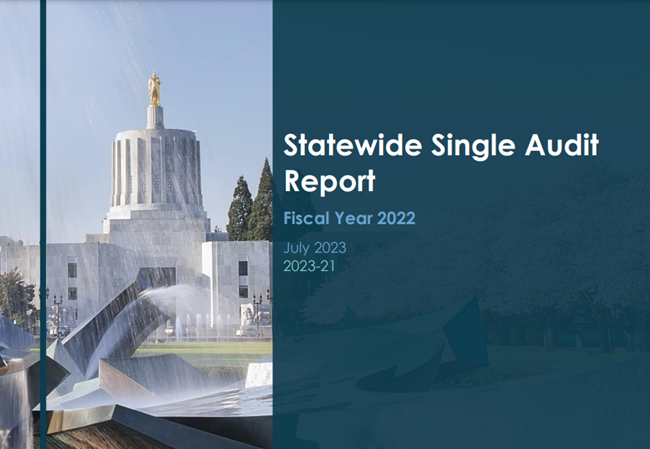
Oregon Secretary of State auditors unearthed millions of misappropriated dollars and a lack of oversight and accountability in four state agencies including emergency rental assistance spending at the Oregon Housing and Family Services, according to an audit released Wednesday.

Auditors determined the emergency rental assistance spending program, run by Oregon Housing and Family Services, lacked the necessary safeguards to prevent or detect misspent money.

The agency, for example, did not monitor community organizations that received rent payments and overpaid landlords. The auditors identified $11.2 million in questionable spending, including overpayments, across the state, the report said.

In its response, the housing agency blamed the misspending on the pandemic, short-staffing and the rapid launch of the program to prevent homelessness.

“The work required unprecedented action that sometimes fell short of our usual standards for client-assistance payment compliance,” the agency said. “OHCS will use these lessons moving forward, should we operate future emergency programs, to move towards best practices,” the Oregon Capital Chronicle reported.

In all, state auditors flagged $35.2 million of questionable spending within the Oregon Department of Human Services, the Oregon Health Authority, Oregon Housing and Community Services and the Higher Education Coordinating Commission. Auditors found suspect expenditures in federally funded programs that provide emergency rental assistance, help with utility bills, and grants for drug addiction treatment programs.

“Our financial audits are a critical part of keeping Oregon government accountable to its people,” said Audits Director Kip Memmott in a statement. “This year’s statewide audits found some significant issues that we think are important to bring to the attention of Oregonians, the governor and the legislature.”

The review of federally funded programs comes after the pandemic, when federal funding to Oregon grew and state officials scrambled to get money to help people stay in their homes and have access health care. In fiscal year 2022, Oregon received $21 billion in federal aid, nearly double what the state usually received.

The $35.2 million – called “questioned costs” – includes expenditures that were paid with federal dollars and should have been funded by the state. They include overpayments to landlords, misappropriated money for renovations, and money that’s not tracked appropriately.

“It serves as a flag for federal funding agencies to review the findings and then decide whether the costs are allowable,” said Tracey Gates, a principal auditor, in a statement.

Portland Update: Changes to FAIR Ordinance Bring (Some) Necessary Changes

Dealing with Habitability issues and Substitute Housing


Oregon Landlords Can Increase Rents 10% Next Year

Oregon landlords can increase rents by 10% in 2024 under Oregon’s revised rent control law, according to the calculations by the state

Oregon landlords can increase rents by 10% in 2024 under Oregon’s revised rent control law, according to the calculations by the Oregon Office of Economic Analysis.

This amount is 7% plus the Consumer Price Index (CPI) for All Urban Consumers, West Region (all items), as most recently published by the Bureau of Labor Statistics, or 10%, whichever is lower.

Under Oregon law, only one rent increase may be issued in any 12-month period.

The allowable rent increase percentage for the previous year, 2023, was 14.6% if the increase was issued before July 6th, or 10.0% if issued after July 6.

The Office of Economic Analysis will publish the maximum annual rent increase for 2025 by Sept. 30, 2024.

Oregon Gov. Tina Kotek signed the new revised rent control law, SB 611, which caps rents and prohibits Oregon landlords from charging a rent increase annually of more than 10 percent regardless of inflation.

The new Oregon rent control law makes key changes to how the maximum-allowable annual rent increase percentage is calculated for residential tenancies.

The bill was passed in the recent legislative session. It was designed to fix the current rent control law that limited rent hikes by Oregon landlords to seven percent plus inflation. But when the Consumer Price Index showed high inflation, some recent cases resulted in 14 percent rent increases.

SB 611 states that the maximum allowable annual rent increase percentage is calculated as the lesser of:

  1. Ten percent; or
  2. Seven percent plus the September annual 12-month average change in the CPI for all urban customers, according to the Portland Housing Bureau Rental Services Office.

SB 611 also clarifies that during any tenancy, other than week-to-week, the landlord may not increase the rent more than once during any 12-month period.

SB 611 takes effect immediately, applying to all notices of rent increase delivered on or after July 7, 2023.

Oregon was the first state in the nation to pass a statewide Oregon rent control law. The new rent limit covers most people who live in properties that have been rentals at least 15 years, which is the majority of the rentals in Oregon.

While rent control appears to help housing providers in the short run, in the long run it affects their investment and development plans, according to new research by the National Apartment Association (NAA).

“While the notion of rent-control policies may appear as an appealing solution to housing affordability, it is critical to acknowledge their potentially counterproductive and damaging consequences. Rent control has been proven to negatively impact renters, housing providers and even entire communities.

“This research shows that rent control policies can inadvertently lead to reduced housing supply, lower property values and decreased quality of available properties. Additionally, rent control (disincentivizes) new construction, which could exacerbate the housing affordability crisis,” the NAA research said.

Governor Signs Revised Oregon Rent Control Law

Portland Update: Changes to FAIR Ordinance Bring (Some) Necessary Changes

Dealing with Habitability issues and Substitute Housing


How to Identify and Avoid Contractor Scams

Contractor scams are both common and costly so here's everything you need to know about identifying and avoiding contractor scams

Contractor scams are both common and costly. The best way to avoid these scams is to be aware of how they work and use your best judgment.

By Matt DiBara

Here’s everything you need to know about identifying and avoiding contractor scams:

Do Your Research

Perform due diligence to ensure you only work with reliable contractors. Here are a few tips:

  • Check the company’s website and consider visiting the office in person to ensure everything adds up. Some scammers have fake websites with no real presence; they book online appointments and disappear after receiving a fee.
  • Check licenses and permits and only work with authorized contractors. In most cases, you will have the option to verify licenses online.
  • Run a background check and avoid contractors with a lot of complaints. Verify with your local Better Business Bureau (BBB) to read what others say about a contractor before working with them.

Moreover, it might be a good idea to stay away from random people calling or visiting you simply because they are in the neighborhood or have a special offer.

Ask for References and Check Reviews

Your safest bet is to work with a contractor with whom you have prior experience or to ask a trustworthy source, such as a friend or family member, for references. However, that may not always be possible.

If you’re not able to receive a referral, then do not shy away from asking the contractor for details, including past projects and references. Also, don’t blindly trust what you see on their social media pages or official sites. Remember that about 30% of online reviews are fake. Scammers are known to publish fake reviews to lure clients, so you must proceed with caution.

Always check third-party platforms such as Trustpilot for reviews, and avoid companies that do not look legitimate.

Do NOT Sign Contracts Until You’re Sure

Always get everything in writing, from estimates to what is included in the package you select. This will help you avoid issues such as a contractor saying, “I never agreed to do this.” Avoid companies that insist on solely verbal agreements.

Also, do not make the mistake of signing contracts until you have read everything. Get in touch with a professional if you do not understand the legal terms, and do not be afraid to ask for revisions.

Most contractors are willing to make changes. Companies that decline to edit the contract are usually not honest, hence it’s best to keep away from them.

Avoid Deals That Look Too Good to Be True

If it looks “too good to be true,” then it probably is. Some untrustworthy companies run special discounts and offers to attract innocent customers, only to come up with excuses like “we ran into unexpected problems,” “the permit is taking too long,” etc.

Some will even offer a low rate because they have “materials left from the previous job” or “because they like you.” Keep an eye out for red flags such as companies that encourage you to start the job right away or ask for cash payments.

To be safe, compare multiple bids and don’t automatically choose the lowest estimate, especially if it looks too cheap.

Never Pay Up Front in Full

Beware of contractors who ask for a full down payment. It’s a major red flag, and is also illegal in some situations. For example, in most cases, out-of-town contractors cannot ask to be paid in full (in advance) after a disaster.

The key to avoiding contractor scams lies in being careful and doing thorough research. Don’t rush into things and only work with contractors you can trust.

About the author:

Contractor scams are both common and costly so here's everything you need to know about identifying and avoiding contractor scams
Matt DiBara

Matt DiBara, the owner of DiBara Masonry, is the founder of The Contractor Consultants. He’s the fourth generation of Italian immigrant-built masonry that is ranked five stars on Google, Yelp, and HomeAdvisor. He’s known as the “undercover contractor” who works with celebrity clients and everyday homeowners to provide advice and insight about how to manage construction projects.

Sign Up For Our Weekly Newsletter And Get Rental Property And Apartment News And Helpful, Useful Content Each Week.

* indicates required

Rental Property Maintenance Checklist, Part One: Plumbing

rental property maintenance plumbing and water heater secured with straps in earthquake prone areas of the country

3 Common Plumbing Emergencies In Rental Properties And What To Do

Rental Property Maintenance: 6 Items to Troubleshoot in Your Crawl Spaces

How to Waterproof Your Basement</

Part 2 – Rental Property Maintenance: Security, Pest Control, & Exteriors


Unauthorized Pets in My Rental, What Do I Do?

What to do about unauthorized pets in my rental is the question this week for Landlord Hank and how best to handle the problem.

What to do about unauthorized pets in my rental is the question this week for Ask Landlord Hank. Remember Hank is not an attorney and is not offering legal advice. If you have a question for him please fill out his form below.

Dear Landlord Hank,

My name is Carolyn and I am a landlord.

I understand the need for pets, but I am wondering about a tenant who brought in two dogs – and now I’m seeing a cat in the window a couple of years later, and there may be even two cats.

She said she told my husband about the cats but my husband passed away and never mentioned it to me. The gentleman is wheelchair-bound, I don’t know if you needed to know that. Thanking you in advance for your time.

-Carolyn

Hi Carolyn,

Normally, in most leases, there is a clause stating that tenants shall NOT keep any animal or pet in or around the premises without the landlord’s PRIOR written approval, and then a pet addendum to the lease is filled out and made part of the lease.

The pet addendum states that the tenant is responsible for the pet, that they can’t be a nuisance (barking, annoying neighbors, running free), the tenant must clean up after the pet, a pet deposit is required in case of damage, and whether the number of pets, types and breeds are restricted.

It sounds like your tenant has a small zoo at your place. I would make arrangements to do a home inspection, right away, and then you can decide the best way to handle this.

The tenant’s home may be spotless with no sign of any pet damage or maybe not, but check it out ASAP.

Sincerely,

Hank Rossi

Each week I answer questions from landlords and property managers across the country in my “Dear Landlord Hank” blog in the digital magazine Rental Housing Journal.    https://rentalhousingjournal.com/asklandlordhank/

What to do about unauthorized pets in my rental is the question this week for Landlord Hank and how best to handle the problem.
Landlord Hank says, “Normally, in most leases, there is a clause stating that tenants shall NOT keep any animal or pet in or around the premises without the landlord’s PRIOR written approval.”

Ask Landlord Hank Your Question

Ask veteran landlord and property manager Hank Rossi your questions from tenant screening to leases to pets and more! He provides answers each week to landlords.

Can I Limit the Number of People in My Rental?

Do I Have to Paint and Replace Flooring for a Long-Term Tenant?

A Tenant Poured Grease Down Drain Who Is Responsible?


Sign Up For Our Newsletter And Get Rental Housing And Apartment News And Helpful, Useful Content Each Week.

HUD Charges Landlord with Discrimination Over Assistance Animal

HUD has charged a landlord with discrimination over refusing a reasonable accommodation for a tenant with an assistance animal

The U.S. Department of Housing and Urban Development (HUD) is charging Lakeview Avenue LLC in Rensselaer, New York, and its employees with violating the Fair Housing Act by refusing a tenant’s request for a disability-related reasonable accommodation to keep an assistance animal and subjecting the tenant to retaliation for requesting a reasonable accommodation, according to a release.

HUD’s charge alleges that the multifamily housing providers refused a tenant’s request to allow her disabled child to have an assistance animal, a dog, in her unit.

After the tenant requested a reasonable accommodation, the housing providers responded saying, “I recognize you have a right to the dog, but I also recognize my right as your landlord to refuse having one in my building. I’m so sorry but I can’t permit a dog on the property and I can’t make an exception for one resident. I understand your need to get one, but if you are set in stone about it, you may have to look for a new place. Sincerest apologies,” according to the HUD charge.

“The Fair Housing Act requires housing providers to make reasonable accommodations when necessary for an individual with disabilities to have equal enjoyment of housing,” said Damon Smith, HUD’s general counsel, in the release.  “That includes waiving a ‘no pets’ policy to permit a needed assistance animal.”

Although the tenant provided medical documentation supporting the minor’s need for an assistance animal, the housing provider continued to deny the reasonable accommodation and to impose onerous and discriminatory conditions.

Shortly after her latest request for a reasonable accommodation, the tenant received a notice to vacate her unit and had to move to another, more expensive, apartment within her daughter’s school district.

The Fair Housing Act prohibits discrimination and retaliation based on disability, which includes failing to grant reasonable accommodations and interfering with tenants’ exercise of rights protected by the act.

Everything Landlords Should Know About Emotional Support Animals

Sign Up For Our Weekly Newsletter And Get Rental Property And Apartment News And Helpful, Useful Content Each Week.

* indicates required

Rental Growth Rates Return To Pre-Pandemic Levels

Rental growth rates are returning to pre-pandemic levels in line with historic standards even though asking rents are increasing slowly

Rental growth rates are returning to pre-pandemic levels in line with historic standards even though “asking rents are increasing at a slower rate than the last two years,” Yardi Matrix says in a special bulletin.

“With a mild recession looming, rent growth will be suppressed at the higher end, with demand falling to lower-end units,” Andrew Semmes, Senior Research Analyst, writes in the report.

Why A Difference In Growth Rates?

The report says the biggest difference in rental growth rates between this year and the years preceding the pandemic is geography.

“Markets that had been performing very well before the pandemic are generally not performing as well post-pandemic because their cost of living had already risen commensurately with rent increases and then work-from-home allowed people to relocate to areas with a lower cost of living while maintaining their income.

“Conversely, markets that had been fairly stagnant pre-pandemic were relative bargains and saw strong growth during the pandemic; that growth is continuing in smaller and midsize markets across the Midwest, South and Northeast,” Semmes writes.

New supply will limit rapid growth

Many new apartments in markets that saw rapid growth during the pandemic “will limit the magnitude of rent increases in the short and medium term, but so far absorption rates have held up, and we expect that to continue.

“High mortgage rates will continue to constrain the single-family market, as homeowners are reluctant to move, and the barriers to homeownership will remain elevated for the foreseeable future, propping up demand for multifamily housing,” the report says.

Conclusion

“There were no major changes to the forecast for this update, and our overall economic outlook has also not changed. We still anticipate a minor recession once interest rate hikes have managed to work their way through the economy, and the restart of student loan payments will financially stress a meaningful number of renters.

“This will likely limit the demand for higher-end rental properties and suppress rental growth in those properties. However, much of that demand will fall to mid-range and workforce housing, which will likely continue seeing strong growth, helping support the overall health of the market,” Semmes writes in the report.

Read the full report here.

About Yardi Matrix

Yardi Matrix researches and reports on multifamily, office and self-storage properties across the United States, serving the needs of a variety of industry professionals. Yardi Matrix Multifamily provides accurate data on 18+ million units, covering more than 90 percent of the U.S. population. Contact the company at (480) 663-1149.

Now Is The Time to Promote Mental Health In Multifamily

Now is the time to promote mental health in multifamily for owners and operators to understand the mental health challenges of their teams

“Multifamily experienced an improvement in mental health last year, but the number of people who reported less stress in 2023 fell to nearly the same level that multifamily experienced during the pandemic, according to the National Apartment Association 2023 Mental and Emotional Health Study.”

By Stephanie Anderson

If you’re in crisis, help is available by calling or texting the 988 Suicide & Crisis Hotline, where trained counselors are available 24/7. Call or text to 988 or visit 988lifeline.org to chat with someone.

 In the U.S., there are more than 45,000 deaths by suicide every year, making it the 12th leading cause of death. There is a mental health crisis in America, and it affects more than 50 million people and nearly 55% are receiving no treatment. While addressing mental health in multifamily and commercial real estate is always important, the need for it is highlighted during September, which is National Suicide Prevention Month.

Multifamily experienced an improvement in mental health last year when more people reported a decrease in their stress levels, according to the National Apartment Association 2023 Mental and Emotional Health Study. Unfortunately, the number of people who reported less stress in 2023 fell to nearly the same level that multifamily experienced during the pandemic. NAA utilizes an Agreement/Importance algorithm to score stress levels. For 2021, that score for “Overall, I feel less stressed than I did a year ago” was 56. It increased to 63 in 2022 and has now dropped back to 57. The lower the score, the fewer people agree with the statement.

Now is the time for owners and operators to better understand the mental health challenges of their teams and utilize the available resources to help not just their employees, but their residents as well.

Mental Health in Multifamily

The statistics on mental health in multifamily are not much better than the national figures. Stress about heavy workload was reported by 40% of respondents in the study and an equal number stated they had taken time off work because of stress. Sadly, 28% reported not even knowing if their company offered mental health assistance.

Some of the stressors that respondents shared included the need to work outside normal hours and on their off days to keep pace with their workload; too few employees for the required work; pressure to ignore a work-life balance and put their company first; and companies making them feel guilty for taking personal days. One of the most alarming concerns expressed in the study was the fact that companies will provide a mental health program but fail to support actions that would reduce employee stress.

This is where as an industry we have an opportunity to walk the walk by implementing regular mental health training, encouraging mental health checkups, sharing resources with employees during high-stress periods, along with communication and follow-up with employees about how they are doing. Owners and operators should also evaluate the efficiencies and technology of communities in their portfolio to locate any missed opportunities to reduce stress.

Addressing Mental Health Concerns

Fortunately for the multifamily industry, there are numerous resources and training to help address mental health issues before they become a larger issue, as well as help deal with situations that are more critical.

Mental Health First Aid Instructors: Identifying, understanding and responding to mental health issues is key to providing effective assistance. The Mental Health First Aid program is an eight-hour, skills-based training program developed by the National Council for Mental Well-Being. The course is considered to be one of the elite mental health programs in the nation, even receiving recognition by the U.S. Senate. More than 2.6 million people have taken the course since its introduction in 2001. The NAA recently sponsored 12 instructors who can be connected to multifamily communities for help with mental health needs.

On-Demand Webinars and Articles: In addition to information on responders, NAA also provides an extensive library of on-demand webinars that address a wide range of mental health challenges, including hoarding, coping and managing onsite challenges, burnout and self-care, dealing with trauma, maintenance team stress and challenges in today’s workforce. Articles that examine the stigma surrounding mental health, important things to know and mental health in the workplace are also available through this resource.

Online Resources: A catalog of mental health training courses designed to help all levels of employees. The NAA site provides courses on Visto (list starts below webinars and articles) that cover stress management, using empathy to connect with others, understanding and managing emotions and more.

Mental Health Policy: Grace Hill offers clients the ability to craft mental health policies and has even designed a best-practice mental health policy template to help multifamily companies create one regarding their employees. Grace Hill has partnered with NAA to make this free template available to all.

9-18-23 Grace Hill_Q3 Mental Health_In The WorkPlace_Infographic (1)

Mental Health Best Practices Concerning Residents

NAA has a helpful guide for dealing with mental health issues and multifamily residents, which offers steps and recommendations during a mental health crisis. Here are a few considerations for teams to aid in suicide prevention:

Develop a Preventative Individual Crisis Plan: Management should develop a plan with a case manager or mental health skill builder before a crisis occurs or is imminent based on the individual needs of your organization This should include a way for a resident near or in-crisis to get assistance.

Put a Plan in Place for a Crisis Situation and Put Safety First: A plan of action is needed during a mental health crisis in order to ensure a swift and appropriate resolution. This may include evacuation plans, the layout of the leasing office and providing exits for teams. Steps for staff to calmly engage agitated residents should be spelled out. This would also include emergency contacts and resources.

Become Familiar with Mental Health Diagnosis: Managers should become familiar with the symptoms of mental health issues, including depression, anxiety, bipolar disorder and post-traumatic stress disorder (PTSD).

Become Familiar with Resources in Your Community: Become familiar with your local, regional and state mental health agencies. They will also be able to provide assistance in dealing with a crisis.

Regularly Train Staff: Make sure that your onsite teams are always up-to-date on your policies and plans regarding mental health, as well as information and resources.

Multifamily cannot afford to only address mental health during the months it’s observed. Effective change will happen only if the multifamily industry addresses these issues every day. Take the time to understand the issues facing your teams and those that residents are dealing with. We owe it to each other to offer assistance whenever possible, provide ample resources, recognize the warning signs and bring an end to this ongoing crisis.

 About the Author

Stephanie Anderson is Senior Director of Communication and Social Media for Grace Hill. She is an advocate for the implementation of mental health policy and access to resources. Stephanie is a certified Mental Health First Aid (MHFA) instructor, as well as a member of the National Apartment Association Operations Committee and NAA’s Mental Health Committee.

About Grace Hill

Grace Hill provides industry-leading SaaS technology solutions designed to make a positive impact in real estate and improve the lives of people where they work and live. Harnessing years of real estate experience and the understanding that people are better together, Grace Hill helps owners and operators increase property performance, reduce operating risk and grow top talent. More than 500,000 professionals from over 1,700 companies rely on Grace Hill’s talent performance solutions covering policy, training, assessment, survey, and data-driven insights. Visit us at gracehill.com or on LinkedIn.

Sign Up For Our Weekly Newsletter And Get Apartment News And Helpful, Useful Content Each Week.

* indicates required


Fostering a Self-Starter Culture to Unleash Employee Potential

Top Considerations for Multifamily Training and Compliance

Why Verification Forms are Critical in Property Management

Verification forms play a pivotal role in property management offices, particularly when handling requests for reasonable accommodations

See why verification forms are so important in property management and how to stay in compliance with Fair Housing rules.

By The Fair Housing Institute

Verification forms play a pivotal role in property management offices, particularly when handling requests for reasonable accommodations or modifications under the Fair Housing Act. This article delves into the nuanced world of verification forms, shedding light on their significance, considerations, and best practices for optimal use.

Understanding Verification Forms

Verification forms serve as essential tools for property management when dealing with requests for reasonable accommodations or modifications. They are designed to ascertain whether a resident qualifies as disabled under the Fair Housing Act and genuinely requires the requested accommodation or modification. Often, disabilities may not be readily apparent, necessitating the involvement of a third-party verifier to establish eligibility.

Expanding on this point, it’s essential to recognize that the Fair Housing Act is a federal law that prohibits discrimination in housing based on disability, among other factors. Verification forms are instrumental in ensuring compliance with this law by validating disability-related requests.

The Necessity of Using Verification Forms

Property management entities are not legally mandated to employ verification forms. However, adopting a well-defined process for handling accommodation or modification requests, which includes the use of verification forms, is highly recommended. While some residents may provide letters from their verifiers that contain all the requisite information, having standardized verification forms streamlines the process and ensures consistency.

Common Issues in Processing Verification Forms

One common challenge arises when verification forms or letters lack essential information. To qualify for a reasonable accommodation or modification, residents must substantiate their disability and the associated need for the requested change. In cases where documentation falls short, property managers should seek clarification from the verifier, with written consent from the resident.

Another prevalent issue in processing verification forms is the credibility of the verifier. In instances where the verifier’s qualifications or knowledge of the resident’s condition are questionable, seeking legal counsel from a fair-housing attorney is advised. This ensures that the appropriate course of action is determined within the boundaries of fair housing laws.

Best Practices for Verification Forms

While many property managers employ generic forms, customization can significantly enhance the effectiveness of verification forms. Customized forms can include targeted questions that provide detailed information about the accommodation request.

For example, consider this scenario:  A resident has requested to move to another apartment due to a claim that their neighbor’s candles bother their asthma. Having pre-prepared forms that deal specifically with allergies and chemical sensitivities can help speed up the process by asking all the right questions that a generic form might miss. In addition, having this additional information facilitates a more informed evaluation of the request’s legitimacy.

It is also critical that housing providers establish robust follow-up policies. Timely responses and proper documentation of all interactions, including dates and discussion details, serve as valuable evidence in demonstrating due diligence and will protect the property if a fair-housing claim were to arise.

Training and Forms

Having an assortment of well-prepared forms is just the beginning. Staff training is a necessity to make sure that they have a thorough understanding of what the forms require and what they legally can request. Along with this, role-playing common situations that arise when a resident is asked to fill out a form will help staff know how to reply properly and help avoid any appearance of discrimination.

In conclusion, verification forms are indispensable assets for property management companies in ensuring compliance with the Fair Housing Act and efficiently processing reasonable accommodation or modification requests. Customized forms and well-defined follow-up procedures, along with training, can significantly enhance the utility of verification forms.

Property management offices should strive to stay current with policies and procedures while tailoring forms to address various accommodation requests effectively. Ultimately, the careful use of verification forms contributes to a fair and equitable housing environment for all residents.

About the author:

In 2005, The Fair Housing Institute was founded as a company with one goal: to provide educational and entertaining fair-housing compliance training at an affordable price at the click of a button.


2 Background Check Providers to Pay $5.8 Million Over Inaccurate Reports

The FTC is making two background check report providers pay $5.8 million to settle charges they deceived consumers over criminal reports

The Federal Trade Commission (FTC) will require background check report providers TruthFinder and Instant Checkmate to pay $5.8 million to settle charges that they deceived consumers about whether consumers had criminal records, according to a release. Both companies are owned by PeopleConnect.

The FTC charged the companies violated the Fair Credit Reporting Act (FCRA) by operating as consumer reporting agencies while, among other things, failing to ensure the maximum possible accuracy of their consumer reports.

The companies had advertised and marketed themselves as “best background check for landlords” according to the complaint, for landlords doing background screening checks on tenants.

Earlier this year, the FTC and the Consumer Financial Protection Bureau (CFPB) asked for comment on tenant background screening checks especially use of criminal and eviction records and algorithms

“Companies that compile personal information and sell background reports are on notice: Don’t make false claims about the contents of your reports,” said Samuel Levine, director of the Bureau of Consumer Protection, in the release.

“And, if you market your reports to be used to screen tenants or employees, you are a consumer reporting agency and you must follow the requirements of the FCRA.”

Earlier this year, Samuel Levine, Director of the FTC’s Bureau of Consumer Protection said,  “No one should be shut out of housing because of inaccurate or unfair background screening practices. We are proud to be part of a whole-of-government effort to ensure fairness and equity in the rental market, and we are looking forward to hearing from the public on this vital issue.”

“Error-ridden background checks are increasingly used by corporate landlords to deny housing to Americans,” Rohit Chopra, Director of the CFPB, said earlier this year. “We will continue to work together to protect the integrity of our credit reporting system from sloppy background check companies.”

California-based Instant Checkmate and TruthFinder market people-search services, allowing users to search unlimited background reports on individuals, and charge monthly subscription fees to view the full reports. In 2014, Instant Checkmate agreed to settle FTC charges that the company previously violated the FCRA by failing to take reasonable steps to make sure that its background reports were accurate and that its users had a permissible reason to have them.

In a complaint, the FTC says Instant Checkmate and TruthFinder made millions from their monthly subscriptions using push notifications and marketing emails that claimed that the subject of a background report had a criminal or arrest record, when the record was merely a traffic ticket. All the while, the companies touted the accuracy of their reports in online ads and other promotional materials, claiming that their reports contain “the MOST ACCURATE information available to the public.” The FTC says, however, that all the information used in their background reports is obtained from third parties that expressly disclaim that the information is accurate and that Truth Finder and Instant Checkmate take no steps to verify the accuracy of the information.

The companies also deceived customers by providing “Remove” and “Flag as Inaccurate” buttons that did not work as advertised, according to the complaint. The “Remove” button removed the disputed information only from the report as displayed to that customer; however, the same item of information remained visible to other customers who searched for the same person. In addition, the FTC also says that, when a customer flagged an item in the background report as inaccurate, the companies never took any steps to investigate items flagged by consumers as inaccurate, to modify the reports, or to flag to other customers that the information had been disputed.

Despite disclaimers on their websites, according to the complaint, TruthFinder and Instant Checkmate have operated as consumer reporting agencies (CRAs) because they have assembled and evaluated information on consumers into background reports and have marketed and sold those reports for employment and tenant-screening purposes. And, as CRAs, they were required to comply with the FCRA. For example, the complaint charges that the companies used search-engine advertising keywords that relate to employment and tenant screening, such as “best background check for landlords” and “pre-employment screening.” The FTC noted that Instant Checkmate was already under an FTC order for engaging in similar conduct, which implicated it as a CRA, and therefore was aware that it was required to comply with the FCRA.

The FTC says that, in addition to failing to ensure the accuracy of their reports, the companies violated the FCRA by providing background reports to people who did not have a permissible purpose to obtain them and failing to implement reasonable procedures to limit who could obtain their background reports. The FTC also says the companies failed to investigate and respond to consumer complaints about inaccuracies in their reports, as required by the FCRA.

TruthFinder and Instant Checkmate tried to increase the number of positive user reviews, and decrease the prominence of negative user reviews, by offering customers one free premium background report in exchange for posting a review of their products on the review site HighYa, which warns that such practices violate the site’s terms and conditions, according to the FTC. TruthFinder and Instant Checkmate, however, failed to advise customers to disclose that they were being compensated for their review.

Under the proposed order, which must be approved by a federal judge before it can go into effect, TruthFinder and Instant Checkmate and their affiliated companies will be required to pay a $5.8 million penalty.

Read the full FTC release here.

Tenant Background Screening Checks Under Federal Scrutiny

Sign Up For Our Weekly Newsletter And Get Rental Property And Apartment News And Helpful, Useful Content Each Week.

* indicates required

Expense Growth Clouds Future Multifamily Performance

Expense growth clouds future multifamily performance as operators are now facing the rapidly growing expense side of the ledger

While economic growth and a strong job market have helped multifamily asking rents grow nationally in August, operators are now facing the rapid expense growth on that side of the ledger, led by mushrooming property-insurance costs, Yardi Matrix says it in its national report for August.

“With rent growth slowing, property owners increasingly must implement strategies to pare expense growth to maintain and grow net income,” the report says.

“After several years of stellar income growth, multifamily is facing headwinds that include not only decelerating rent gains but a rapid uptick in expenses. During the trailing 12-month period ending June 2023, expenses for multifamily properties nationally grew by an average of 9.3%, up 63% from the 5.7% increase during the previous 12 months,” according to Yardi Matrix data.

“During that period, the average property operating expense rose $740 per unit to $8,694, according to Matrix. Costs rose significantly in most categories, led by insurance, which increased by an average of 18.8% in the 12 months ending June 2023, per Matrix. Insurance is rising because of the growing number of significant weather-related events, such as hurricanes, extreme temperatures and wildfires, that have created large insurer payouts, particularly in the Southeast, California and Texas,” the report says.

Highlights of the August report

Asking rent growth in August was concentrated in the renter-by-necessity segment, which increased by 0.1%, while lifestyle rents declined 0.1%. The composition of rent growth reflects a substantial supply increase in some areas, as most deliveries are lifestyle units, which increases competition within the segment.

  • Multifamily performance continues to hold up well, as rents and occupancy were relatively flat in August. The average U.S. asking rent rose $1 to $1,728 during the month, while year-over-year growth fell to 1.5%, down 20 basis points from July.
  • In the short term, supply growth remains a driving factor in metro-level rent growth. Most metros with the highest year-over-year asking rent growth, such as New York, Chicago, Indianapolis and San Diego, benefit from a weak new supply pipeline.
  • Single-family rents (SFR) fell slightly, down $6 nationally to $2,104. Year-over-year, national SFR rent growth fell 70 basis points to 0.5%. SFR demand remains strong overall, but there is some evidence of deceleration in the high-end segment.

Lease renewal rates continue to slow

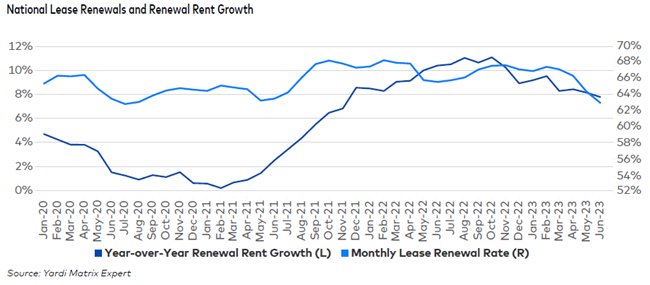
Renewal rent growth fell to 7.8% year-over-year as of June, down 40 basis points from May.

Renewal rents, the change for residents that are rolling over existing leases, has slowed since peaking at 11.1% in 4Q 2022 as more tenants get caught up to asking-rent rates. Only a handful of metros continue to see double-digit growth in renewal rents. Miami has had the largest renewal rent growth at 12.4% while San Francisco had the smallest at 1.8%. Growth was between 5.6% and 9.7% year-over-year in 26 of the top 30 markets in the report.

National lease renewal rates were 62.9% in June.

“Renewal rates have been steadily declining since mid-2022, which is attributable to the large amount of new supply that has come online. As new deliveries are made available, occupancy rates decline, which compels properties to offer greater concessions and consequently creates the incentive for more renters to move,” Yardi Matrix says in the report.

Expense growth clouds future multifamily performance as operators are now facing the rapidly growing expense side of the ledger
Chart courtesy of Yardi Matrix

Read the full Yardi Matrix report here.

About Yardi Matrix

Yardi Matrix researches and reports on multifamily, office and self-storage properties across the United States, serving the needs of a variety of industry professionals. Yardi Matrix Multifamily provides accurate data on 18+ million units, covering more than 90 percent of the U.S. population. Contact the company at (480) 663-1149.