Home Blog Page 88

Four Market Fundamentals That Will Affect Your Rental Properties in 2022

Four Market Fundamentals That Will Affect Your Rental Properties in 2022

Here are four market fundamentals that will impact your rental properties in 2022, from inflation to changing work patterns and more.

By Joan Rohrer
Founder and President, JMR Company, Inc.

It has been a difficult few years for property owners. With the events of 2020 and 2021 creating uncertainty and upheaval on a universal level, we have dealt with so many challenges – from eviction bans and rising inflation to new tax laws that plagued investors and property managers. We have even seen the single-family home real estate market explode, flooding the rental market and contributing to rising prices for everyone.

In this environment filled with pressure and uncertainty, there are four fundamentals that property owners and managers should be watching closely as the market evolves. These factors can have an impact on market rental rates and the cost of doing business, determining how profitable your properties will be in the coming year:

1. Inflation looms large

As products shrink and prices rise, consumers are feeling the pinch of inflation from every corner.

Renters are especially susceptible to the rising cost of living. Inflation was higher than predicted in 2021, and the Federal Reserve has already raised rates once in 2022. The Fed also stated that they may increase the interest rate at least two more times this year, with a potential total increase up to 0.9 percent. The rate of inflation often affects renters’ willingness to pay premium prices, since rent is typically tied to consumer prices and rises with inflation. It’s a tricky dynamic with the demand for rentals continuing to surge. Your properties will need to be priced aggressively, but flexibility will be needed throughout the coming year.

2. Remote work is here to stay, and so are changed living priorities

The pandemic brought us to remote work, and it looks like as a culture, the home office is here to stay.

Home offices were once a “nice-to-have” feature but are now a critical factor for potential tenants. Do your properties offer a flex space or extra room for virtual work or schooling? Is there an opportunity to add or make simple renovations to accommodate work spaces in your properties? Additionally, with all of this isolation at home, millennials and Generation Z are also seeking community and connection. Ask yourself what the community around your property offers: Are there opportunities for tenants to engage with others in shared activities? The addition of outdoor spaces for small gardens or common areas to create the “feel” of a neighborhood can add value that justifies premium rates and generates fully leased units. A final checklist item for renters is technology. Does your building have good WiFi/data access? That factor alone is a deal breaker for new renters.

 3. More demand than ever before

Overall, the market for rentals has never been stronger.

As we emerge from the pandemic, property owners are strongly positioned to make up for lost profits. Millennials, who make up the largest population of renters, are the biggest participants in the gig economy, and value flexibility and freedom more than the generations before them. Because they are less interested in purchasing homes that will lock them down to one location long-term, they will continue to be a strong market for rentals. With the explosion of the real estate market in the past year, more people are cashing out of homes and turning to rental units for a place to live, adding more boomers and Generation Xers to the mix. Since the housing crisis in 2008, the supply of rental properties has not caught up with demand, and construction of new complexes has essentially halted. It will be years before supply matches demand again, so rentals will continue to be a premium.

4. Be aware of 1031 exchange laws and potential changes

These laws will only affect those who wish to sell or transfer ownership of rental properties, but for them, that impact could be huge.

Many property investors began to panic when they saw that the current administration was considering changing the tax laws around 1031 exchanges. However, in the final draft of the law, this provision was not included. The new law would have placed a cap on gains above $500,000 per year on an investment-property exchange. While this addition may be revisited in the future, the current 1031 exchange laws remain intact for now.


Overall, the outlook for the rental property market is stronger than ever, especially for investors that stay aware of what is happening in the market and adjust accordingly. We know that along with increasing rental unit prices, tenants’ expectations for their rental experiences have also elevated. Many multifamily property owners are rising to the occasion to meet these additional demands, while taking advantage of the larger number of renters in the marketplace. Even though there have been plenty of reasons for concern over the last two years, property owners have every reason to look at the future with high expectations for growth and profitability.

About the Author

Joan Rohrer is the founder and president of JMR Company, Inc., a certified Woman-Owned Small Business (WOSB) entity in the state of Missouri. With more than 20 years’ experience as a private investor and helping property owners manage their investments, she is passionate about helping individuals and families find homes as tenants with her clients. Joan is a member of the St. Louis Realtors Association, the Missouri Realtors Association, the National Realtors Association, and the Institute of Real Estate Management.


Sign Up For Our Weekly Newsletter And Get Rental Property And Apartment News And Helpful, Useful Content Each Week.

* indicates required

5 Summer Maintenance Checklist Items for Multifamily Communities

5 Summer Maintenance Checklist Items for Multifamily Communities

A surplus of maintenance issues is expected on the first weekend of summer in multifamily communities so beat the calls and requests with this summer maintenance checklist.

By Kris Servidio
Senior Associate Director of Facilities and Support
Mark-Taylor Residential

Summer is on the horizon for many multifamily communities, especially those across the Southwest. While the change in season may appear to be a harmless shift to warmer temperatures, it opens communities to several maintenance-related areas of opportunity.

To uphold exceptional standards of service, proactivity is the most important element in summer maintenance. At Mark-Taylor, we begin our summer maintenance efforts in the spring, prior to the influx of emergency requests due to a change in season. It also helps us get a jump start on pool season, alleviating the additional pressure that mass use puts on our amenities.

Being hyper-proactive benefits all parties – residents, community management and maintenance staff. The following checklist, outlining our tried-and-true summertime maintenance methods, will help you bring our proactive approach to your community:

1. Beat the heat with your supply orders

A surplus of maintenance issues is expected on the first weekend of summer and the first weekend of winter; the drastic changes in temperatures may throw off your teams’ maintenance routines if practices do not adjust to evolving needs.

It is imperative that community service teams plan ahead by ordering supplies before the new season begins. For example, purchase chlorine, clarifier and phosphate removers for increased pool and spa maintenance in advance. This is especially important as we face ongoing nationwide supply chain issues with increased costs and delivery delays.

2. Communicate with residents early and often

Keeping residents proactively informed is a best practice that creates an enjoyable living experience for residents, and an efficient work environment for your teams. Before the start of a new season, start communicating with residents about what to expect, how to submit requests and what to do in cases of emergency. When issues triggered by the heat occur, residents will feel supported and prepared with the correct information, providing a more seamless maintenance experience for everyone.

3. Solve issues before they begin

Preventative maintenance could be the difference between a chaotic season of maintenance and a successful one.

Cycling units that are empty and vacant is a recommended practice. However, for occupied units, it remains important to tend to systems, amenities and the surrounding community grounds to avoid pitfalls during the demand of the season. Significant areas to focus on include:

  • HVAC System Checks – Change out air filters once a month
  • Swimming Pool and Spa Maintenance – Test the water chemistry on a daily basis and check jets regularly
  • Landscaping – Replenish plants and perfect your watering schedule

4. The key to success is working together

The best community maintenance teams have a strong partnership with their community management. Staying in close contact as one united team helps maintain a well-connected and efficient internal operation. Community management teams are essential partners in times of need, as well as when budgeting for the season, conducting resident communications and identifying key areas of opportunity.
5. Create a well-oiled machine, year-round

Preventative maintenance is not the end-all, be-all; day-to-day maintenance must not be overlooked. Once a new schedule has been put into action, maintenance teams should work together to become aligned. Getting into a streamlined cadence is guaranteed to save your teams’ time and energy.There are evident benefits to preparing and implementing maintenance before summer is in full swing: heightened resident satisfaction, a result of receiving a 5-star experience, and positive-minded maintenance and community management teams, to name a few. Altogether, these practices support the cultivation of a multifamily community that is not only highly desirable but exceptional in every regard.

About the Author:

A surplus of maintenance issues is expected in early summer in multifamily communities so beat requests with our summer maintenance checklist.
Kris Servidio

Kris Servidio is the Senior Associate Director of Facilities and Service for Mark-Taylor Residential. As a leader and a mentor in the organization, he is responsible for overseeing an exceptional group of service teams that care for luxury communities across Arizona and Nevada. His depth of knowledge in maintenance operations, as well as his extensive experience in the multifamily industry, has equipped him to ensure that Mark-Taylor’s 5-star signature standards of service are upheld.

6 Community Maintenance Tips For Exceptional Tenant Experience

Sign Up For Our Newsletter And Get Rental Housing and Apartment News And Helpful, Useful Content Each Week.

* indicates required

3 Best Practices for Communicating with Residents

4 Ways to Balance the Needs of Pets and Residents in Multifamily Communities

Why Tenant Screening Must Include Nationwide Checks

Why Tenant Screening Must Include Nationwide background Checks and criminal history

Tenant screening must include nationwide background checks because gone are the days of knowing most of the people in our communities and getting referrals from those same people – trusted friends or family – to fill our properties

By David Pickron

For the first 100 years of being a country, the United States was comprised of small, rural family or ethnic groups that thrived upon sharing resources to support their entire communities.  Over the last 100 years of our history and with the massive population growth in our major cities, many of us have become “strangers” to even our closest neighbors.  Being a landlord today requires so much more than in the past.  Gone are the days of knowing most of the people in our communities and getting referrals from those same people – trusted friends or family – to fill our properties.  In the past a person’s actions might be known town-wide, but now people can live and move anonymously within our neighborhoods.  How does that affect you as a property owner? And how does that affect your ability to operate as a “successful, lazy landlord,” a concept I teach and live by?  I’ll tell you; it affects both dramatically.

A disclaimer before you read too far: I’m not advising you to never rent to any individual with a criminal history.  I am advising you to utilize criminal history checks as just another tool in your landlord “toolbox.”

Criminal Histories

When it comes to understanding criminal behavior, we have to rely on the criminal statistics to give us a true and accurate look at our current situation.  Recidivism, the tendency of a convicted criminal to reoffend, and the rates of reoffending are a powerful indicator for you as a landlord as you analyze a potential tenant.  The Bureau of Justice recently released the results of a 10-year study of individuals that were released from prison in 2008.  This is what they found:

  • 66 percent of prisoners released across 24 states in 2008 were arrested within three years.
  • 82 percent were arrested within 10 years.
  • Of those that were arrested within 10 years, 47 percent were arrested for offenses involving property and another 47 percent for drug-related offenses.
  • The average inmate committed nine crimes before they were sentenced.

Based on just this data, what risks are you willing to take?  Though this is federal data, state recidivism rates closely mirror them.

A Country on the Move  

The moving industry reports that more than 15 million American households move annually, with an average of three people per household: great news for us as housing providers.  That equates to 45 million people a year calling somewhere new “home.”  More than three million of those moves are considered interstate, meaning they are leaving one state for another.  What that means for you as a landlord is that a “current state only” search of any history, criminal or otherwise, for your applicant during tenant screening is likely insufficient.  Specific to criminal, 16 percent of those who were arrested within 10 years of release from prison were arrested in a state other than the one they were convicted in.  Would you as a landlord be happy with a one in six chance for anything, but especially when searching an applicant’s criminal history?

One reason individuals with a criminal history move is to get away from their communities, especially in small towns.  For better or worse, it’s hard to escape the stigma of being the town drunk when the whole town knows your history.  Also, individuals with criminal histories often move to states that have less stringent research and reporting laws, seeking asylum where their history can’t even be reported to you as a landlord, leaving you feeling handcuffed in managing your property.  And finally, 33 percent of the individuals released from prison could not find active employment within the first three years of their release.  These factors combined with the transient nature of our country indicate that including a nationwide check during tenant screening shouldn’t just be an option, it should be a necessity for successful landlords.

Applying Consistent Criteria        

What kind of criteria do you have when it come to an applicant’s criminal history?  If you don’t have one, I’d encourage you to visit with your attorney to determine what is fair and legal in your state when it comes to criminal background research and use in housing.  We have a sample criteria you can request at info@rentperfect.com.  If you do have criteria, make sure you are applying it fairly and equally across the board for each applicant.  A question I get often is “Is it okay to have property-specific criteria?”  Not only is it OK, but I would also encourage you to make this a key part of your practice.  Your portfolio may contain properties of varying locations, values, and restrictions, and each of these will affect how you manage the property.  For example, you may have a property that qualifies as low-income housing.  Would the criteria you use for a tenant there differ from the criteria you might have in place for a property in an age-restricted community?  Of course it would.  What doesn’t differ is your enforcement of whatever criteria you use for each specific property.  Consistency is king whether you are considering criminal, credit, or eviction history.

As much as we might like a return to the old days where agreements were sealed with a handshake, our future is much different.  Knowing criminal histories, seeing moving patterns, and using consistent criteria make us better landlords and more profitable investors.  This is why it is so important to include a nationwide criminal history check on every tenant from whom you receive an application.

About the author

David Pickron is president of Rent Perfect, a private investigator, and a fellow landlord who manages several short- and long-term rentals.  Subscribe to his weekly Rent Perfect Podcast (available on YouTube, Spotify, and Apple Podcasts) to stay up to date on the latest industry news and for expert tips on how to manage your properties.

Why Tenant Screening Must Include Nationwide background Checks
David Pickron

3 Tips to Keep You Out of Landlord Rehab

Sign Up For Our Newsletter And Get Rental Property And Apartment News And Helpful, Useful Content Each Week.

* indicates required

Why I Like My Rental Properties’ Nosy Neighbors

Three Steps to Becoming a Successful, Lazy Landlord

Kay Properties Publishes New Issue of the “1031 DST Digest”

Kay Properties Publishes New Issue of the “1031 DST Digest”

Kay Properties has recently published a new issue of the  “1031 DST Digest,” a magazine written for investors who want to educate themselves on the 1031 exchange process and Delaware Statutory Trust (DST) investment vehicle.

The 96-page glossy magazine dissects present-day investment themes and explores investment strategies for today’s 1031 Exchange and DST real estate investor.

According to Dwight Kay, Founder/CEO of Kay Properties and editor of the magazine, the 1031 DST Digest was designed to help educate investors on the DST 1031 Exchange marketplace, while also answering specific questions his firm’s team of expert representatives hear from investors daily.

“Inside this accessible magazine, readers will find out what makes Delaware Statutory Trust 1031 investments so popular, how to build a defensive DST real estate portfolio, and how DSTs help investors replace debt in a 1031 Exchange. The magazine is offered free of charge as part of our commitment to providing educational resources to 1031 exchange DST investors nationwide. Request your complimentary copy today and in addition to a print version delivered to your doorstep, you’ll also receive instant access to an electronic version of the magazine.” said Kay.

People can receive a copy of the limited-edition periodical by going to https://www.1031dstdigest.com.

“The intent of the 1031 DST Digest magazine is to help educate existing and potential clients about DST 1031 properties, the potential benefits and risks of DST investments and whether they might be a right fit for investors considering a 1031 exchange,” said Kay.

Specifically, the Kay Properties “1031 DST Digest” will cover topics like :

  • How 1031 Exchanges into Delaware Statutory Trust Investments Can Unlock More Quality Time for Investors
  • Why Now Might be a Good Time to Sell the Income Property you Love
  • What Real Estate and DST Investment Opportunities Should be Considered after the Pandemic recedes?

View the newest issue of the 1031 DST Digest now.
About Kay Properties and www.kpi1031.com

Kay Properties is a national Delaware Statutory Trust (DST) investment firm. The www.kpi1031.com platform provides access to the marketplace of DSTs from over 25 different sponsor companies, custom DSTs only available to Kay clients, independent advice on DST sponsor companies, full due diligence and vetting on each DST (typically 20-40 DSTs) and a DST secondary market.  Kay Properties team members collectively have over 150 years of real estate experience, are licensed in all 50 states, and have participated in over $30 Billion of DST 1031 investments.

This material does not constitute an offer to sell nor a solicitation of an offer to buy any security. Such offers can be made only by the confidential Private Placement Memorandum (the “Memorandum”). Please read the entire Memorandum paying special attention to the risk section prior investing.  IRC Section 1031, IRC Section 1033 and IRC Section 721 are complex tax codes therefore you should consult your tax or legal professional for details regarding your situation.  There are material risks associated with investing in real estate securities including illiquidity, vacancies, general market conditions and competition, lack of operating history, interest rate risks, general risks of owning/operating commercial and multifamily properties, financing risks, potential adverse tax consequences, general economic risks, development risks and long hold periods. There is a risk of loss of the entire investment principal. Past performance is not a guarantee of future results. Potential cash flow, potential returns and potential appreciation are not guaranteed.

Nothing contained on this website constitutes tax, legal, insurance or investment advice, nor does it constitute a solicitation or an offer to buy or sell any security or other financial instrument. Securities offered through FNEX Capital , member FINRA, SIPC.

Why Real Estate Syndication Is Important for Delaware Statutory Trust 1031 Exchange Real Estate Investors

Six Ways to Ensure Your 1031 Exchange is Successfully Completed

Kay Properties & Investments Has Record Year With $610 Million In Equity Placed

Emotional Support Animals and the Fair Housing Act

Emotional Support Animals and the Fair Housing Act

Emotional support animals, rental housing issues and the Fair Housing Act create more questions than just about any other topic we see. Here is some help with the issues and remember this is not legal advice so check with your attorney on specifics.

By The Fair Housing Institute

Emotional support animals can come in all shapes and sizes, making it difficult to know how to properly handle accommodation requests and avoid possible fair-housing complaints. This article will discuss the proper verification process for emotional support animals based on the Fair Housing Act and how to manage some common situations that may arise.

Emotional Support Animals – Proper Verification

How do you handle an applicant who states they have an emotional support animal and presents you with an ESA letter? This can be tricky, as many of these letters can be obtained from the Internet without much of a professional relationship between the resident and the verifier.

To help with these situations, you should have a verification process in place based on the Fair Housing Act that includes the following:

Questions to ask the resident:

  • Did you contact the verifier for the sole purpose of obtaining an ESA letter?
  • Have you had more than one or two brief contacts with the verifier for the purpose of providing a verification?
  • Does the verifier have personal knowledge of your disability and need for an animal?
  • Has the verifier provided you with medical or mental health services?

Questions to ask the verifier:

  • Did the resident contact you for the purpose of obtaining a verification?
  • Other than providing a verification for an assistance animal, do you have an ongoing professional relationship with the resident by providing medical or mental health services beyond providing a verification?
  • Do you have adequate personal knowledge of the resident to be able to make a diagnosis of a disability? Please note: We are not requesting that you provide the diagnosis.

Emotional Support Animals and the Fair Housing Act

As you can see, the above questions will establish whether or not the resident has an ongoing relationship with the verifier and meets the criteria of having a disability that requires the aid of the animal.

Breed and Size Restrictions

Can you restrict an ESA (emotional support animal) based on breed or size? The short answer is no. If the need for the animal has been verified, the Fair Housing Act states that accommodations must be made. Your job is to now welcome Muffy the 100-pound Rottweiler, or Wilbur the pot-bellied pig, to the family.

Undisclosed or Multiple Emotional Support Animals

You just received a notification from a maintenance staff member that a resident has multiple animals. Further investigation shows that the pets were not disclosed on their rental application. The resident states that they are all emotional support animals. What now?

Whether it’s one or multiple animals, you need to follow the same verification procedures. The only difference here is that each animal would have to provide a different service. If each animal can be verified, then accommodations need to be made.

In conclusion, we can see that the Fair Housing Act protects the need for emotional support animals under certain circumstances. A verification process along with fair housing training will ensure everyone’s needs and rights are met.

About the author:

In 2005, The Fair Housing Institute was founded as a company with one goal: to provide educational and entertaining fair housing compliance training at an affordable price, all at the click of a button.

Everything Landlords Should Know About Emotional Support Animals

Sign Up For Our Weekly Newsletter And Get Rental Property And Apartment News And Helpful, Useful Content Each Week.

* indicates required

The Do’s and Don’ts of Fair Housing Advertising

ADA, HUD, the Fair Housing Act: Which One Applies to Housing and Support Animals?

The 7 Habits Of Highly Successful Property Managers

The 7 Habits Of Highly Successful Property Managers

What are 7 habits of highly successful property managers? Buildium.com did a webinar to explore 7 ways that property managers can better organize their daily routines while the chaos of property management problems rage around them. Here are the habits courtesy of Buildium.

No. 1 – Make Communication A Core Competency

“Create templates for everything, from emails to new tenants, notifications you send when people are late on rent, or common alerts.  These can all be made into templates and used over and over. If you are sending the same information more than three times in a month, you need a template. Software can help you do this,” Lauren Mason, Field Marketing Manager for Buildium.com, said on the webinar.

    • Deliver information in a consistent way each time.
    • Send rent reminders that look the same each month.
    • Send owner statements that look the same and are consistent.
    •  Are you reminding inspectors at regular intervals to do inspections with the same consistent message?

“Figure out ways to communicate with less effort,” she said. “For instance, instead of you compiling owner statements each month, use software that allows owners to login when they choose to see whatever reports they want. For tenants, allow them to submit a maintenance request online from their phone. And give tenants access to updates from the maintenance worker.”

No. 2 – Always be learning. Always be teaching

“When you are managing a property for someone, you are managing something that person considers as a key investment. Property owners want to feel a sense of security and assurance they are trusting their property to someone who knows property management and the local market inside and out. It’s on you to inspire that confidence,” she said.

“Get up to speed and stay current on all things related to property management – local rent rates, your state’s laws and regulations and general trends in the market place.”

Survey of property owners: What value do you expect from property managers?

    • Gives me peace of mind knowing things are handled – 79%
    • Fills vacancies faster with better tenants – 75%
    • Collects rents, fees and handles accounting – 71%
    • Lifts the burden of planned and unplanned maintenance – 65%
    • A professional partner with industry expertise and knowledge – 58%
    • Helps me increase my revenue and profitability – 57%

No. 3 – Create a playbook for growth

On the webinar, 78 percent said they expect to be managing more properties in the future than today, but how to they plan to connect with new property owners?  Where are you going to get your owner leads from?

So you need to know where property owners go to look for property managers. Top places

    • Searching the web – Two things to help yourself show up, with a great website and content, for long-term growth. Or short-term paid marketing search strategy.
    • Other property managers
    • My local real estate group
    • Ask for referrals from a friend

“Responding to a lead within the first five minutes is important, because owners typically look for three potential property manager candidates.

“Know what sets you apartment from your competition. Can your owners login to your portal, for instance?”

No. 4 – Successful property managers create processes for repetitive tasks

“Document your routines to train new employees you may add to your property management team. Create checklists for each of the things you do repeatedly,” Mason said.  Automate what you can also such as:

    • Rental listings and syndication
    • Applications
    • Payment reminders and late fee notifications
    • Reporting for owners
    • Maintenance updates and recurring task reminders

Successful property managers tips

    • Do an audit once a month
    • Put together a checklist for anything you did more than three times a month
    • Centralize – keep all your documents in one place, preferably in the cloud

“Over time you are essentially building a guide on how to run your business,” she said.

No. 5 – Use technology to stay organized


the 7 habits of highly successful property managers

“Everyone has differing levels of comfort with technology. Having a single platform everyone can access is an advantage.

“Technology is the edge property managers can use to keep up with maintenance issues, finding good tenants and staying organized,” she said on the webinar.

According to a Buildium.com survey, 81% of owners think successful property managers should be using the latest technology.

No. 6 – Be proactive

the 7 habits of successful property managers include property managers need to be proactive

Two results of live polls during the webinar courtesy of Buildium.

“Inspect, insure and inquire before trouble hits. When you get ahead of things, it reduces problems,” she said.

Successful property managers require renters insurance of tenants

Get proactive by:

    • Having a recurring inspection cadence
    • Require renters insurance
    • Send out reminders to every tenant five days before rent is due.
    • Enable recurring payments
    • Send out surveys

“Catching a leak early saves time and money. Humans need reminders so send out reminders to tenants five days before rent is due. Software can allow you to set up automatic payments. Send out an annual survey to all tenants and owners once a year. Find out why tenants are staying or choosing to leave,” she said.

No. 7 – Successful Property Managers Keep calm and carry on

“Property management is totally chaotic. Owners pay you to deal with their headaches. Chaos and stress can come from not having the right information at the right time,” Mason said.

Tips:

    • Put information in the cloud
    • Optimize mobile communication
    • Have a life

“Try to centralize information in one place where everyone can access anytime from anywhere. If information is in the cloud, it can be accessed by mobile anywhere anytime. Free up your time so you have the ability to do what you love,” she said.

About Buildium.com

Buildium is the property management solution that helps real estate professionals win new business from property owners and community associations seeking services. Backed by expert advice and relentless support, Buildium enables you to outperform across all facets of your business with intuitive software that balances power, simplicity, and ease of use. Buildium services nearly 13,000 customers in 46 countries, totaling over one million residential units under management. In 2015, Buildium acquired All Property Management, a leading online marketing service for property managers, making Buildium the only company to give property managers a way to acquire new customers and increase revenue.

Photo credit: GeorgeRudy via istockphoto.com

7 Proactive Maintenance Tips That Keep Tenants Happy

6 Factors Involved in Lease Renewals Post-Pandemic

Sign Up For Our Newsletter And Get Apartment News And Helpful, Useful Content Each Week.

* indicates required

A Closer Look at the Highest-Rated Property Management Software

A Closer Look at the Highest-Rated Property Management Software

If you’re a landlord, investor, or property manager, chances are that you’ve seen your fair share of software options–and that each of them claims to be the best in its own way.

In a market that offers no shortage of big claims, the first step in choosing the best software for your portfolio is to draw clear parameters around what it means to be “the best” in the first place–and to deduce what each software company means when they claim the title for themselves.

A great rule of thumb to use if you’re not sure about where to start is this: the best software is the kind that strikes a balance between extensiveness and ease of use. The platform you choose should have a full suite of powerful features without sacrificing user experience. After all, having a million super-advanced features is pretty much useless if they’re impossible to find, learn, and use.

DoorLoop property management software is one of the fastest-growing software options in the real estate space. It’s also said to be the highest-rated. Today, we’re taking a closer look at DoorLoop to determine whether its claim of being the “easiest software on the market” actually holds up. Let’s get started.

DoorLoop highest-rated property management software

Subscription Pricing

With 3 subscription packages, DoorLoop offers flexible pricing for portfolios of different sizes. It’s important to note that the software charges by number of units, not number of users, so accounts can have as many user profiles as needed at no additional cost.

Starter Plan

  • Cost: $49/month (billed annually, $59/month billed monthly)
  • Users: Unlimited at no extra charge
  • Units: Unlimited (note: price goes up when over 20 units)
  • Full suite of accounting features
  • Mobile app
  • Document storage of up to 50 MB per unit
  • RapidRent online payments
  • Tenant portal
  • eSignatures

Pro Plan

  • Cost: $79/month (billed annually, $99/month billed monthly)
  • Users: Unlimited at no extra charge
  • Units: Unlimited (note: price goes up when over 20 units)
  • Includes all of the features in the Starter plan, plus:
    • Owner portal
    • One-click data exports
    • User access roles
    • Bank reconciliation
    • Custom dashboards
    • Community-wide accouncements
    • Online advertising and CRM
    • QuickBooks sync
  • Document Storage: up to 5 GB per unit

Premium Plan

  • Cost: $109/month (billed annually, $139/month billed monthly)
  • Users: Unlimited at no extra charge
  • Units: Unlimited (note: price goes up when over 20 units)
  • Unlimited document storage
  • Includes all of the features in the Pro plan, plus:
    • Integrations and access to DoorLoop’s API
    • Free incoming ACH payments
    • VIP status for Support
    • Website portal integration

You’re welcome to take a closer look at DoorLoop’s pricing plan here.

DoorLoop landlord and tenant benefits

Intuitive Interface

Ease of use is one of DoorLoop’s most talked-about features, and that’s for good reason. The company is relatively new, and this modernity shows in the software’s interface. The platform is bright, uncluttered, and very easy to navigate. All of the software’s features are clearly labeled and easy to navigate to from the main dashboard. It also features a Quick Search option, which allows users to access any feature, property, unit, task, or document in seconds.

DoorLoop’s goal is to make support as unnecessary as possible through an intuitive interface and easy-to-adopt features. With that said, the software’s support is another one of its strengths. Support specialists respond to messages within 24 hours, and their live chat response time is a couple of minutes during the company’s business hours.

world-class support


Oversee All Your Listings

DoorLoop’s goal is to facilitate every aspect of the property management process, which includes listing and advertising properties. The platform integrates with the top listing syndication software online in order to maximize the visibility of users’ listings. These platforms include Apartments.com, Zillow, StreetEasy, Trulia, and more.

Users can collect applications from these syndication sites, or from the listings on their own custom website, directly on DoorLoop. You can also use DoorLoop to manage the applications that you do receive. This means being able to screen tenants in one click in order to filter through the best candidates.

 Manage Tenant Applications

You can bring in applications on autopilot with DoorLoop, whether they’re coming in from third-party listing websites or from your own custom website. You’ll be able to see all of these applications in your account’s “Prospects” section. From there, you can move forward with screening, accepting, or rejecting tenants as you see fit.

Rental application templates are built into the software, offering all of the basic must-have information for your tenants to fill out (name, address, employment, salary, etc.). You can also customize your application with all of the questions and fields you’d like to include. You can also charge tenants an application fee to cover screening and administrative fees, plus collect the payments automatically through DoorLoop when you connect your bank account to the software.

Screen Your Tenants

Tenant screening features are offered by DoorLoop through their integration with TransUnion. All tenant screening includes the following:

  • Criminal background check
  • Eviction history
  • Bankruptcy search
  • Sex offender database search

You can run all of these checks with just one click using the information that your tenant has filled into their application. Tests are $40 each, and you can choose to charge this amount to your tenants via your application fee (depending on your state, you can also charge a higher application fee in order to make a profit).

Manage Leases

DoorLoop allows you to manage your lease agreements from beginning to end. Its lease management features include:

  • Uploading lease templates of your choice and storing them within the software for repeated use
  • eSignature requests and management
  • Document storage
  • Setting lease terms, including rent fees, recurring charges, automatic interval-based late fees, pet rent, renewals, rent increases, and more.

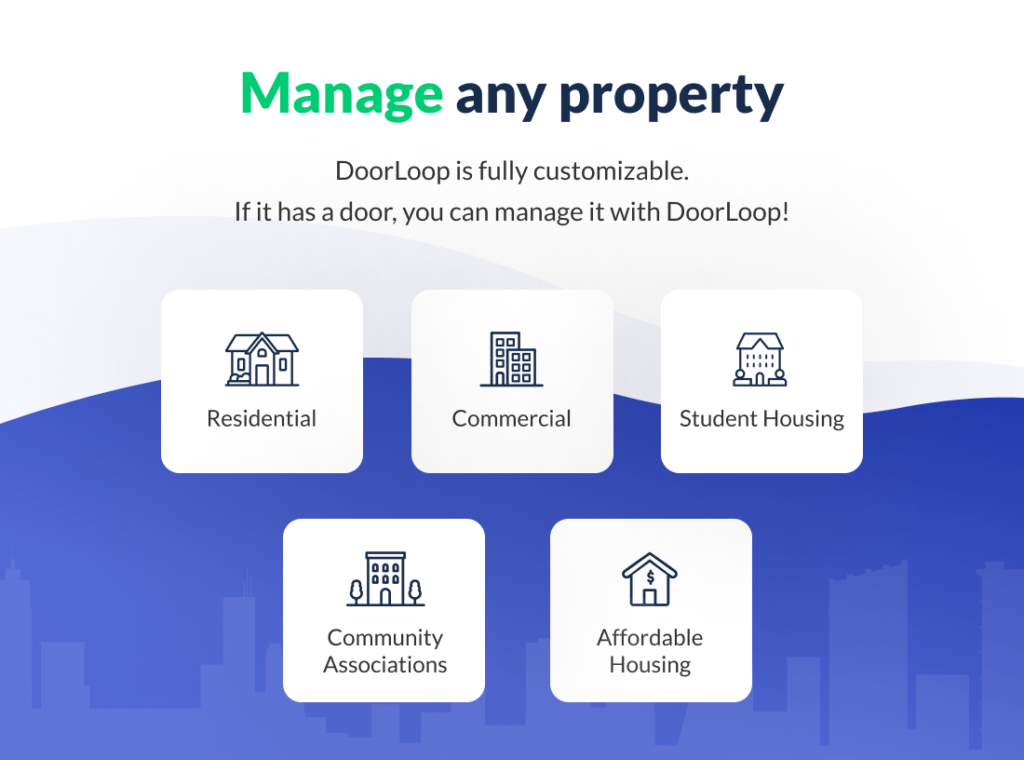
Manage any property

Get Paid Automatically

With DoorLoop’s RapidRent feature, you can collect rent from tenants automatically. The software’s payment features don’t stop there. They also include:

  • Automatic payment reminders sent to tenants at intervals of your choosing
  • Determine the amount, frequency, and triggers for late fees, then automatically apply them to any lease
  • Track all of your paid, due, and past due payments right from your dashboard
  • Get notifications about any missed, late, and completed payments.

It’s important to know that users will be charged a one-time $49 fee to set up their online payment account. Though this fee is not refundable if you are approved to process payments, it will not be charged for any denied merchant accounts.

Tenants are the ones who pay any processing fees for credit cards and debit cards (2.95% of the amount being paid), and ACH payments ($1.99 flat fee). Account holders don’t have to worry about paying any fees themselves.

Click here to learn more about getting paid through DoorLoop.

 Tenant Communication

DoorLoop’s secure tenant portal makes it easy to send announcements to tenants individually or to all of your tenants at once. You can also share documents, send payment reminders, and receive maintenance requests from your tenants in seconds.

The tenant portal is protected by 256-bit security encryption, which is the same level of security used by banks and the military. This means you can rest assured that all of your messages and sensitive files are fully protected.

Messages, documents, and requests can also be shared with owners and investors through a similar portal. Additionally, DoorLoop accounts can be created for owners so that they can be sent any tasks, payments, or updates directly.

Maintenance Management

One of DoorLoop’s most popular set of features is its maintenance management suite. Users can receive maintenance requests from tenants directly through the tenant portal. Once that has been received, work orders can be created.

Work orders include all of the relevant information needed about the task at hand, the vendor associated with the task, the urgency of the task, and the task’s due date. You can create DoorLoop accounts for all of your vendors and send them the work order request in one click. You can also track every step of the work order’s progress until it is completed. When completed, you can pay vendors directly through the software in order to make sure your working relationship remains both positive and productive.

 Full Accounting Suite

If you already use QuickBooks Online, you don’t have to worry about a learning curve you don’t want. DoorLoop integrates directly with QuickBooks Online, which eliminates double data entry and makes it easy to stay on top of your transactions.

With that said, DoorLoop also has its own built-in suite of accounting features that do everything QuickBooks can do (and more). Accounting features include:

  • Customizable chart of accounts
  • Advanced reports, including 60 built-in templates
  • Bank account reconciliation
  • Export data in one click

 Mobile App

DoorLoop has a mobile app available at no additional cost, and it has the same functionality as the desktop version of the software. This allows users to stay on top of everything, whether they’re in-office or across the world.

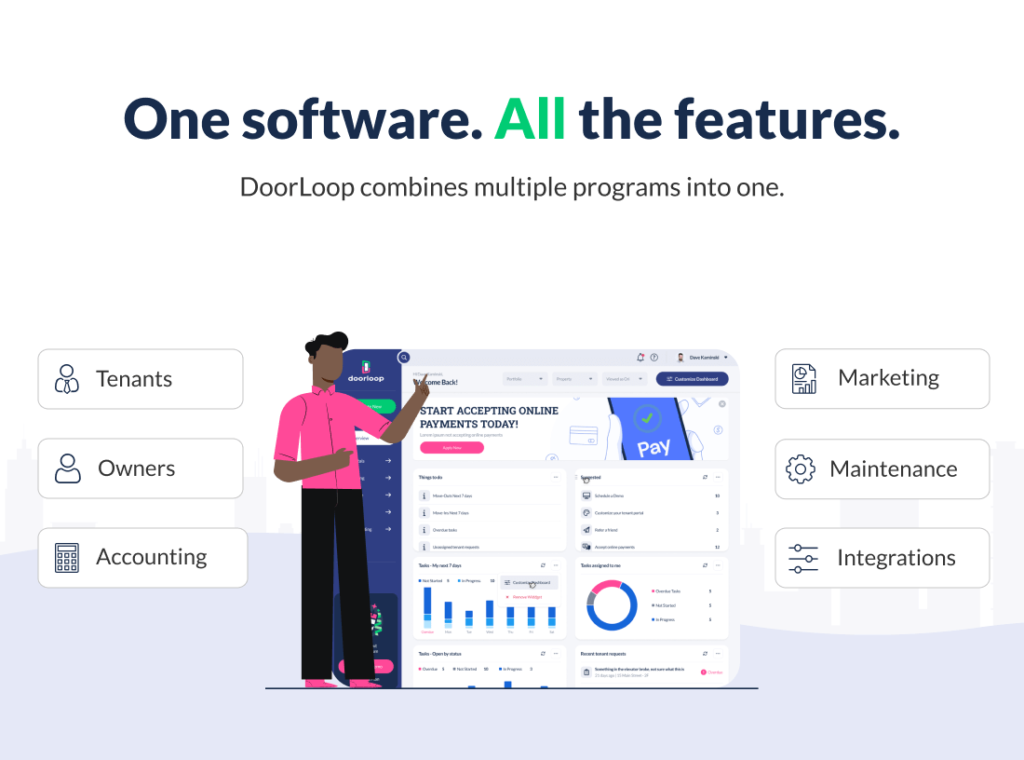
one software all the features

It’s easy to see why DoorLoop is the highest-rated software in the world. With that said, the only way to tell whether it’s the right choice for your business is to see it at work for yourself. You can sign up for a demo of DoorLoop and get 50% off your first two months on the software by clicking here.


Low Credit Score or No Credit Score Isn’t Always High-Risk For Rent Payment

Low Credit Score or No Credit Score Isn’t Always High-Risk For Rent Payment

Guaranteed rent companies like OneApp and Nomad accept the financial responsibility of applicants by providing upfront costs such as the rent deposit and first month’s rent and guarantees renters will pay each month.

By Paul Bergeron

An insufficient credit score is the No. 1 reason why apartment operators deny prospective residents’ applications. It doesn’t have to be that way, says Tyrone Poole, founder of a new industry application and payment tool, OneApp.

OneApp serves as a co-signer for its qualified applicants, which apartment operators say is often the single thing that would enable them to accept applicants whose credit scores don’t meet the minimum standard set by the communities.

OneApp, representing more than 1,000 apartment communities and supported by more than 100 property management companies nationwide, accepts the financial responsibility of these applicants by providing the proper upfront costs such as the rent deposit and first month’s rent. It guarantees these renters will pay their rent each month.

The OneApp Guarantee costs the property management company and screening companies nothing.

Driving Revenue, Occupancy with Proven Results

Karen McLane, director of RangeWater, has been using OneApp in her portfolio for over a year.

“It has been great for when you have that borderline applicant or the denial that has great income but is more of a credit risk,” McLane says. “My owners love the program. Additionally, it is very easy to use – you just refer your applicant to OneApp and they take it from there. And, there is no cost to the property – the fees are paid by the applicant and they’re not excessive so as to lose the applicant.”

Joyce Prince, regional manager of BM Residential, says that in less than a year, OneApp Guarantee added $4 million of annual revenue to BM Residential’s bottom line.

“It helped us to fill over 350 vacancies with guaranteed residents, increasing our overall occupancy by three percent to five percent with only a handful of defaults. The few defaults we have had were paid out very promptly within a few days. I would recommend any multifamily company to use this unique, risk-free product.”

Credit a ‘Terrible’ Measurement of Risk

Poole says that 96 percent of OneApp participants are employed, only four percent of its users have been evicted, and a total of 13 percent of leases end in debt—lower than the national average.

“Credit is the No. 1 reason for their denial, but it’s a terrible measurement of risk,” Poole says. “Not having credit doesn’t automatically mean you are at risk.”

Poole says that although credit maybe the No. 1 reason for denial, it’s not the top reason for America’s housing crisis.

“The real problem is risk,” he said. “To be more specific, it’s the strategy housing providers use to mitigate risk. In an effort to maximize success, housing providers first identify, then deny access to housing to America’s most vulnerable families.

“This is not because housing providers hate poor people, or racism, or any of the other narratives being spoken. It’s basic economics. A housing provider’s success is directly proportional to the level of vulnerability of their residents. The more rent burden they face from residents who can’t miss a single day of work or are one parking ticket away from being unable to pay rent; or from residents who left property-adamage balances with previous landlords and have not proven they quite know how to care for a rental property, the less likely they are to reach their projected goals.

“If they take on too much risk, they can lose their assets altogether. No one is disputing a housing provider’s right to mitigate risk – it’s a fundamental and key necessity of being a housing provider – but America’s current strategy isn’t working. It’s full of unintended consequences such as gentrification, poverty, crime increase, trauma, etc. We can do better.”

Low Credit Score or No Credit Score Isn’t Always High-Risk For Rent Payment
“We want to pay our landlord clients market rent, guaranteed, and charge them a fee equivalent to how risky it is for us to do that every month. So they’re never worried about vacancy costs. They’re never worried about a delinquent tenant,” said P.J. O’Neill founder of Nomad, which started in Denver. He said their research shows the Phoenix metro market is a good market for their expansion. O’Neil is a founder and a veteran operator of Opendoor.com, which buys homes from individual sellers.

Why the 600 Minimum Credit Score?

Poole has asked many operators why 600 is their minimum acceptable credit score, and he said they have no real answer for it. He wonders if it’s one of those “this is always how we’ve done it” situations.

“When derogatory information is found on a renter’s background check, it can be really difficult to tell if those circumstances are still present in the applicant’s life. The easy thing to do is to deny, but OneApp offers landlords an alternative.”

He said operators inherently believe that their policies ‘keep out the bad ones’ and that their criteria are sound.

“Then we show them our data and it reflects the opposite,” he said. “Once operators understand that these aren’t bad people, it all goes smoothly.”

OneApp covers the risk these applicants might present for the entirety of their leases. If the applicant is successful in fulfilling their lease terms, they are able to renew the lease with the owner directly.

“Owners sometimes set their financial-acceptance requirements based on one case that didn’t go well,” Poole says. “We know that, in general, working off of assumptions doesn’t help anyone.”

How It Works

OneApp helps families across the United States gain access to housing by acting as a co-signer. Income, credit, eviction history, debt to income or lack of rental history are the most common approval barriers for renters. At most property management companies, these barriers can be overcome by a co-signer.

OneApp Guarantee receives approximately 1,000 applications each month for its service. Unfortunately, only about 25 percent of those applicants are able to participate, usually due to their inability to afford the upfront costs. However, Knock is having a national industry campaign to raise $200,000 to help cover these costs, giving more rent-paying residents the chance to move into an apartment.

The program is working so well that in 2021, OneApp successfully overturned about 2,500 denials. This year, it hopes to overturn 10,000.

Knock Calling on the Industry for Support

Knock + OneApp are working together to not only break down barriers to access housing but keep people in housing.

Financial contributions from Knock and the multifamily community allow OneApp Guarantee to offer their very first payment plan option allowing renters to make smaller payments over a series of months until they cover the cost of the OneApp Guarantee fee.

If the renter defaults on their payments, instead of putting their lease at risk, our community-raised funds will cover the difference. If the renters are able to make their monthly payments, OneApp can add more renters to this program.

Knock has raised $30,000 internally between Knock donations and employee contributions and plans to continue to contribute.

“We know as a community we can aim much higher so we stretched our goal to helping 10,000 families gain access to housing this year,” Knock Co-Founder and CEO, Demetri Themelis, says.

“To achieve this, we need $200,000 total in the fund to support payment plans for that many renters. We can’t raise that much alone, so we are asking for your help in fundraising and spreading awareness about this important cause. Donations are collected through its partnership with the United Way.”

OneApp is being integrated with leading property management software platforms to show that they have been approved through the One App guarantee. Of its participants, 75 percent are black; 62 percent are female; and 50 percent have a family. By using the OneApp Guarantee, qualified residents can get started with just $80 because of a partnership it has with Knock, which raised funds to cover most of the costs through charitable donations.

About the author

OneApp accepts the financial responsibility of applicants by providing upfront costs such as the rent deposit and first month’s rent and guarantees renters will pay each month.

Paul Bergeron has been reporting on the apartment industry since 2002 and served 20 years as editor-in-chief for the National Apartment Association’s UNITS magazine. He currently is editor of his LinkedIn media platform, Thought Leadership Today, and can be reached at pbergeron333@gmail.com.

Guaranteed Rent Company Could Be Boost for Struggling Landlords

Sign Up For Our Newsletter And Get Apartment News And Helpful, Useful Content Each Week.

* indicates required

Solving Junk Removal Problems From Your Rental Property

A Secret Weapon To Winning Renters Through Digital Marketing?

What Is A More Affordable Apartment Smart-Home Technology?

Camera Technology Helps Apartments Document Waste Diversion

Back In Person At Washington Multi-Family Housing Association’s Education Conference

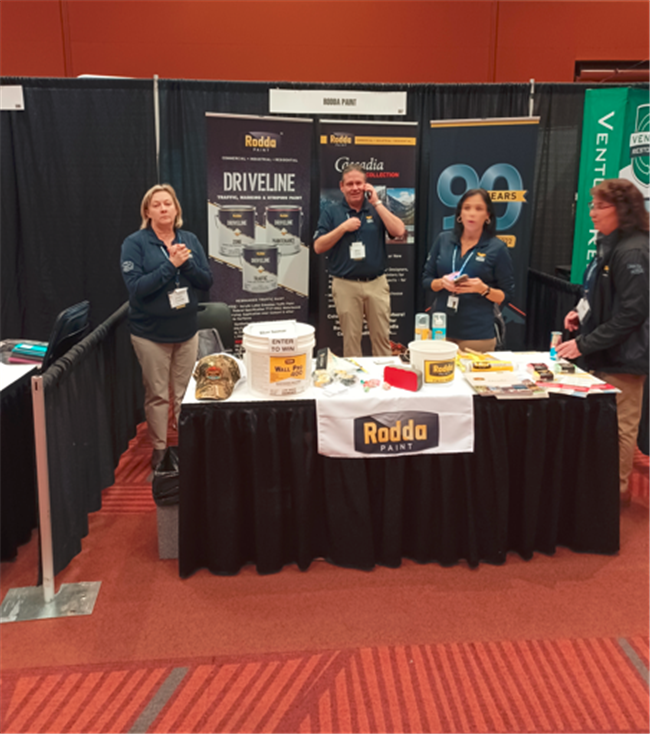
The top photo is our friends at Rodda Paint Wednesday morning as the event gets underway. Dawn and the Rodda team excited to get back to in person events.

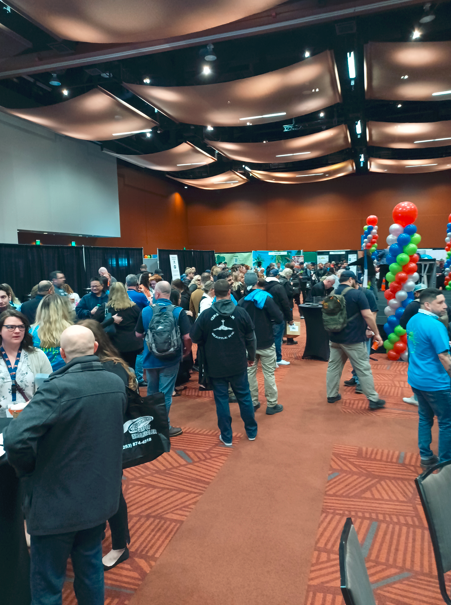
We are finally back live and in-person at events after several years of missing seeing our friends and associates. We were live on Wednesday, April 20, at the Washington Multi-Family Housing Association EdCon 2022 at the Meydenbauer Center in Bellevue.

By Terry Hokenson

The top photo is the Rodda Paint booth at EdCon Wednesday morning. Dawn and the Rodda team excited to get back to in person events.

Edcon conference is the largest to date after a 3-year hiatus with 1,000 plus attendees expected.

Washington Multi-family housing association education conference
Tricia Johnson with wmfha getting all attendees and exhibitors during the opening speech at the edcon Registration is open and the masses are filing into the 2022 edcon
We are finally back live and in-person at events after two years of missing seeing our friends and associates. We are live today at the Washington Multi-Family Housing Association EdCon 2022 at the Meydenbauer Center in Bellevue.
EdCon begins Wednesday morning.

Learn

Choose your own multifamily career development adventure! With over 25 60-minute sessions throughout the day, you can plan a focused track or pick and choose to fit your needs. The sessions cover topics in leasing, management, and leadership, maintenance, soft skills, technology, industry trends, and more.

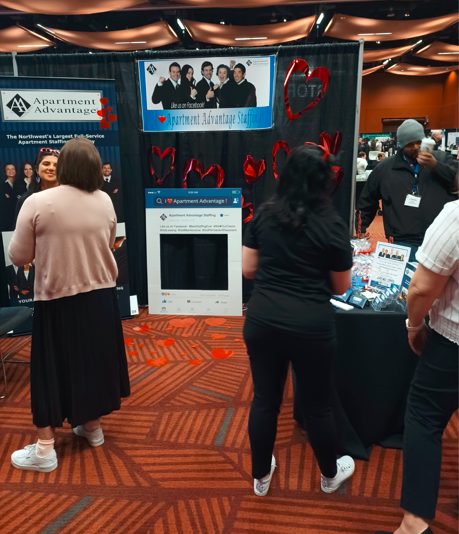
Apartment Advantage We are finally back live and in-person at events after two years of missing seeing our friends and associates. We are live today at the Washington Multi-Family Housing Association EdCon 2022 at the Meydenbauer Center in Bellevue.
Apartment advantage team assisting attendees with their staffing needs.

Connect

Meet up with your colleagues, visit the tradeshow floor between sessions, and make new connections! Cheer on your team during Maintenance Mania! and plan to attend the after-party for even more networking at EdCon 2022.

We are finally back live and in-person at events after two years of missing seeing our friends and associates. We are live today at the Washington Multi-Family Housing Association EdCon 2022 at the Meydenbauer Center in Bellevue.
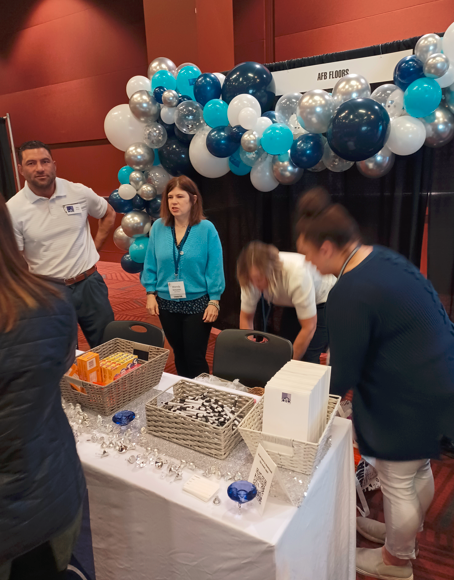
American Floor and Blind at EdCon 22. Come by and see us! Celebrating our 60th anniversary!

Grow

The conference kicks off with industry inspiration and leaves plenty of time for you to absorb and take in all the information you gain. Offering flexibility, lots of options, and even some celebration, EdCon featuring Maintenance Mania! is the best industry trade show and conference of the year!

We are finally back live and in-person at events after two years of missing seeing our friends and associates. We are live today at the Washington Multi-Family Housing Association EdCon 2022 at the Meydenbauer Center in Bellevue.
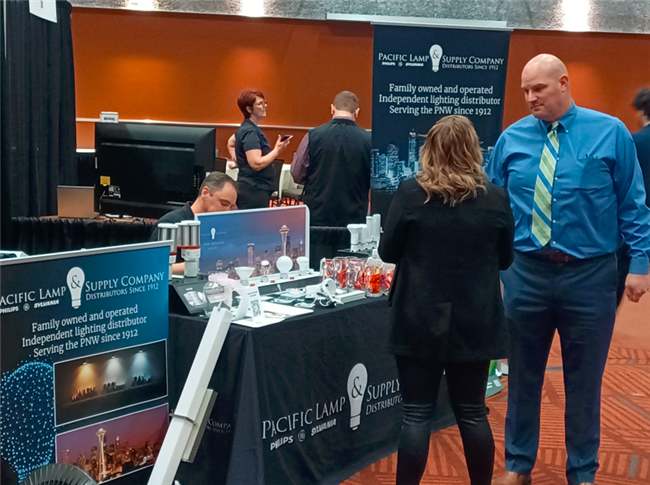
Pacific Lamp already busy helping future customers at their booth

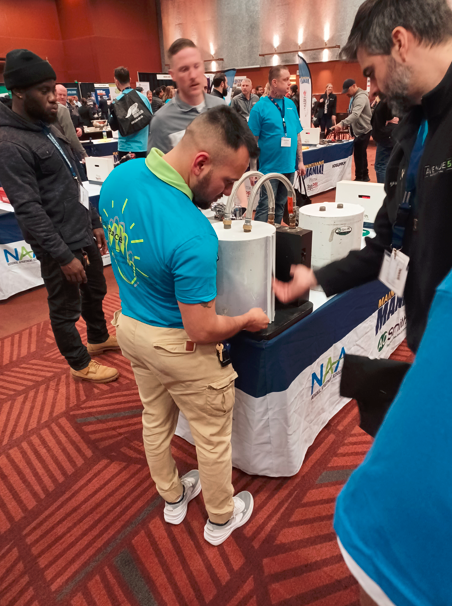
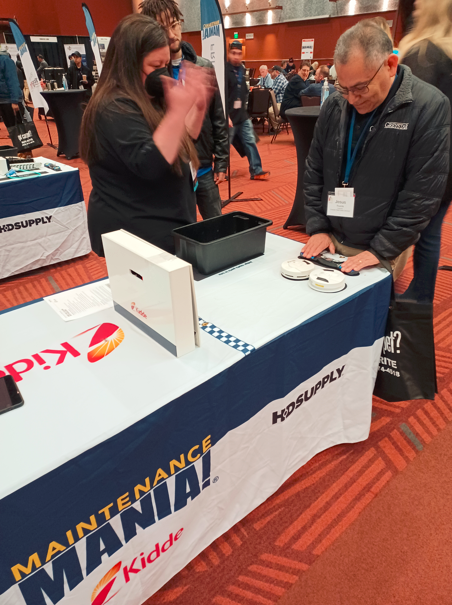
Maintenance Mania® is a national program offered by NAA and presenting sponsor HD Supply, in which maintenance technicians compete against each other in various skill-based games.

About the author:
Terry Hokenson is Vice President of Sales At Rental Housing Journal. He attended the Washington Multi-Family Housing Association Education Conference on Wednesday, April 20.

Sign Up For Our Weekly Newsletter And Get Rental Property And Apartment News And Helpful, Useful Content Each Week.

* indicates required

4 Benefits And Value In Creating A Great Tenant Experience

Here are 4 benefits to creating value and building a great tenant experience for your residents in your rental properties

Here are 4 benefits to creating value and building a great tenant experience for your residents in your rental properties.

By Phil Schaller

A strong support system for your tenants can translate to a more profitable rental property. Here at RentalRiff, we believe in providing a great experience for tenants. To us, rental properties are not a commodity; they are someone’s home. Our focus on the tenant experience and how we’ve structured our service may be our biggest differentiator.

There are many benefits to creating a fantastic tenant experience. Aside from the human elements (and we think these are the most important), there is tremendous value to be captured as a landlord and rental property owner.

As we’ve discussed in other blog posts, there are certain things you can control as a landlord and certain things you can’t. Tenants moving to a new city is out of your control, as is a tenant purchasing a home of their own. Tenants moving out because of poor maintenance support or a general lack of communication is definitely in your control. If you can optimize the elements of your rental business that are within your control, you will be better off for it.

Here are some of the main benefits to creating a great customer experience:

No. 1 – Higher tenant-retention rates

This one’s a bit of a no-brainer.

If your tenants like renting from you and feel supported they are more likely to renew their lease, plain and simple. J Turner Research did a large study on residents recently and found that 35 percent of tenants that felt unsupported and underserved moved out. With vacancy rates in the Seattle area currently sitting around 7.5 percent, this can mean thousands of dollars lost.

No. 2 – Better treatment of your property

Not only are unsupported tenants more likely to move out, they’re also more likely to treat the property poorly.

Security deposits exist for a reason, but tenants will treat the property better if they don’t feel neglected by their landlord. Obviously, this means less wear and tear on the property and fewer large, avoidable repairs needed down the road.

No. 3 – Tenants are more accepting of higher rents

Increasing rents at a steady clip is an important part of running a successful rental property business.

Another important element is retaining good tenants. When you’ve created a strong support system for your tenants you can both increase rents and retain good tenants. Again, this goes back to controlling what you can control, but if the tenants feel taken care of they are more likely to accept the higher rent and stick with your property.

No. 4 – Higher likelihood of collecting rent on time

There are many property management tools out there that automate the rent-collection process (we definitely recommend using these tools) but, again, happy tenants are more inclined to make their rent on time. Tenants will want to stay and be more proactive in keeping up their side of the bargain.

There are many important components that go into running a successful rental property, and maintenance and tenant support are just two of those. They can be major pain points for landlords, and it’s easy for the property-level needs of your tenants to slip through the cracks. If you can optimize your processes and create a positive environment for your tenants, in the long run, you’ll have more success as a rental owner.

Happy landlording!

About the author:

Phil Schaller is an experienced landlord and the founder/CEO of RentalRiff – an alternative service to traditional property management that provides ongoing oversight and upkeep of rental properties, while serving as the main point of contact for tenants. If you are interested in learning more about RentalRiff’s rental property maintenance service you can reach him at 541-600-3200. Maintenance and repair costs are included and property specialists are licensed/insured. Phil is a Pacific Northwest native, father of two, and fly-fishing addict.

Sign Up For Our Weekly Newsletter And Get Rental Property And Apartment News And Helpful, Useful Content Each Week.

* indicates required