Home Blog Page 4

Can AI Help Property Managers with Inspection Reports?

A company has launched a AI property management tool it says can make property inspection reports faster, consistent and easier to act on.

A company has launched a new AI property management tool it says can make property inspection reports faster, consistent and easier to act on.

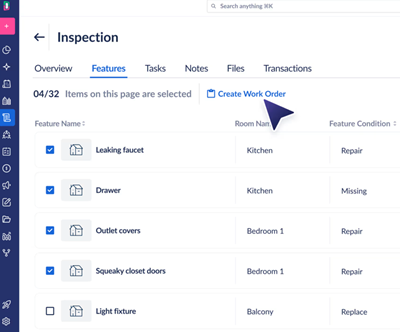
DoorLoop says it uses guided multi-photo capture and instant report generation to automatically structure, interpret, and compile the entire property inspection, from first photo to finalized documentation.

Eliminating the typically manual, sometimes-error-prone pen-and-paper process, the tool flags potential issues, formats standardized inspection reports in real time, and creates work orders instantly from the captured data, eliminating the need to sort through notes and photos back at the office.

“Our mission is to help property managers operate more efficiently,” said Ori Tamuz, founder and CEO of DoorLoop. “Processes like inspections that once required significant time can now be completed more quickly, with information that is organized and easier to act on, by automating routine workflows and simplifying day-to-day operations.”

Key features of DoorLoop AI inspection include:

  • Consistent on-site inspections: Capture every room and detail in a guided flow, so inspections are completed thoroughly and documented the same way every time.
  • AI-powered inspection organization: Automatically organize photos and notes into a clear, structured inspection record—without manual sorting or cleanup.
  • Legally structured inspection reports: Generate compliant, professional PDF inspection reports in real time, ready to share, store, or reference when it matters most.
  • Bulk maintenance follow-up: Turn inspection findings into multiple work orders at once, so teams can act faster across units and properties without repetitive setup.

Delivery Drone Crashes Into Apartment Building

There is a potential new headache for property managers now as an Amazon delivery drone crashed into an apartment building in Dallas

There is a potential new headache for property managers now as an Amazon delivery drone crashed into an apartment building in the Dallas suburb of Richardson.

An Amazon Prime Air MK30 drone hit the side of the apartment building and crashed to the ground. The company is working to make minor repairs to the apartment building related to the collision.

Witnesses said the propellers on the drone were still moving when it hit the apartment building “and you could smell it was starting to burn. Luckily, nothing really caught on fire” where it hit the building.

Firefighters arrived at the scene of the crash, where they examined the smoking machine. The first responders helped Amazon workers collect the drone pieces and load them onto a truck.

The incident occurred about two weeks after Amazon temporarily suspended its commercial drone delivery operations in Texas and Arizona following the crash of two of its UAVs in rainy weather at a testing facility.

The crashes, which occurred at Amazon’s testing site in Pendleton, Ore., were attributed to a software malfunction caused by light rain.

Amazon’s MK30 drones have been delivering packages in College Station, Texas, and Tolleson, Ariz., after the company won approval from the Federal Aviation Administration in October.

The Growth of Rent-Now, Pay-Later Plans

A number of companies are offering rent-now, pay-later plans that pay the landlord in full each month, then charge the tenant smaller amounts

A growing number of companies are now offering rent-now, pay-later plans that pay the landlord in full each month, then charge the tenant smaller amounts two or three times over the course of the month.

Companies such as Flex, Livble and, more recently, Affirm, say breaking rent into multiple payments can help renters manage cash flow. But consumer advocates warn the products typically function like short-term loans, layering fees onto already-strained budgets and, in some cases, carrying triple-digit effective interest rates — raising questions about whether they ease financial pressure or deepen it.

Launched in 2019, Flex is one of the largest companies focused on splitting rent payments. The company says its 1.5 million customers now send about $2 billion a month in rent through its system, and several of the country’s largest landlords accept Flex as a payment option.

Flex says most of its customers are lower-income renters with weaker credit profiles. The company reports a median credit score of 604 among its users and says about one in three customers works more than one job to make ends meet.

Kellen Johnson, 44, told the Associated Press he started using Flex to split up his rent payments about two years ago. Instead of paying the whole $1,850 of his rent on the first of the month, Johnson would pay $1,350 on that date, and $500 on the 15th. For the service, Flex collected a $14.99 monthly subscription fee, as well as 1% of the total rent, which for Johnson was $18.50, bringing his monthly charges for the app to more than $33.

“Renters should be skeptical of any financing providers that have partnered with a landlord and be skeptical of anything that sells itself as no fees or no interest,” said Mike Pierce, executive director of Protect Borrowers. Pierce previously worked at the Consumer Financial Protection Bureau.

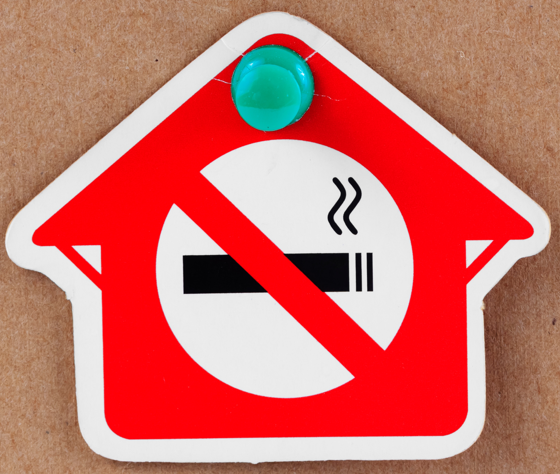
5 Steps To Going Smoke-Free In Your Multiunit Housing

Enforcing a smoke-free policy may seem like a daunting task so here are 5 steps to going smoke-free in your multiunit housing.

By The Department of Health and Human Services
Tobacco Prevention and Control

Enforcing a smoke-free policy may seem like a daunting task, but with clear communication and implementation, you will find that offering safer, healthier housing is beneficial to your investments and residents.

Use the steps below to get started, and visit TobaccoFreeUtah.org for more information.

Step 1: Learn Why Smoke-free Is the Best Choice

Smoke-free policies have been enforced in public housing authorities for over four years. The U.S. Department of House and Urban Development gave all public housing authorities the notice to comply to a smoke-free policy by July 30, 2018.

While this rule covers public housing units, it is also strongly encouraged that excluded properties enact a smoke-free policy and, in Utah, that these properties include the use of electronic cigarettes and other electronic smoking devices in their smoke-free policy.

 Secondhand smoke from just a few smokers can permeate the air for all residents. Properties that allow smoking put nonsmoking residents at risk to secondhand smoke exposure, which is commonly linked to heart disease, lung cancer and stroke. Smoking also has costly effects on property maintenance and fire safety. The safest, most cost-effective solution for all is a comprehensive no-smoking policy.

Step 2: Connect with Local Partners

Implementing change is easier with support. Contact your local Tobacco-Free Community Partnership program to learn how it can support you and your residents during the process.

You can also contact your local health department to ask for help learning local laws about smoke-free policies, how it protects your residents, and even receive resources on how to help residents who are looking to quit smoking.

Step 3: Inform Your Residents

Make sure to: communicate the policy change; why it is being implemented; and when it will be taking effect. Give residents several months’ notice and share the news in resident newsletters, bulletin boards, emails, and even hold an informational meeting. This can help reduce opposition and increase support from your residents.

A smoke-free policy doesn’t mean residents have to quit smoking; although, many may want to try. Provide resources on how they can quit, including free and confidential tools from waytoquit.org.

Make a Plan

First things first. Set a date! Setting a smoke-free policy start date allows both residents and staff to prepare. Train your staff on how you’d like the policy to be enforced, including how violations and complaints will be handled.

Most smoke-free policies are implemented through a lease addendum, which residents will sign during recertification or renewal.

Step 4: Implement Your Smoke-Free Policy

Have your current residents sign the new lease addendum and make sure your staff, visiting property members, contractors, and any service providers know the new rules.

Make sure to clearly mark that your buildings are smoke-free and mark the designated outdoor smoking areas if they pertain to your policy. Be clear about the rules and check to make sure residents are following the new policy.

Step 5: Share the News

Work with local media to share that your property has gone smoke-free. Update your website to ensure it highlights that you have a smoke-free policy.

And finally, celebrate your hard work and what going smoke-free means for your residents! Consider hosting a small event with treats and information on the benefits your housing offers. After all, providing safe housing that prioritizes residents’ health through measures like smoke-free policies is something everyone can enjoy.

Sign Up For Our Weekly Newsletter And Get Rental Property And Apartment News And Helpful, Useful Content Each Week.

* indicates required

FTC Plans To Set Rules And Regulation On Rental Housing Fees

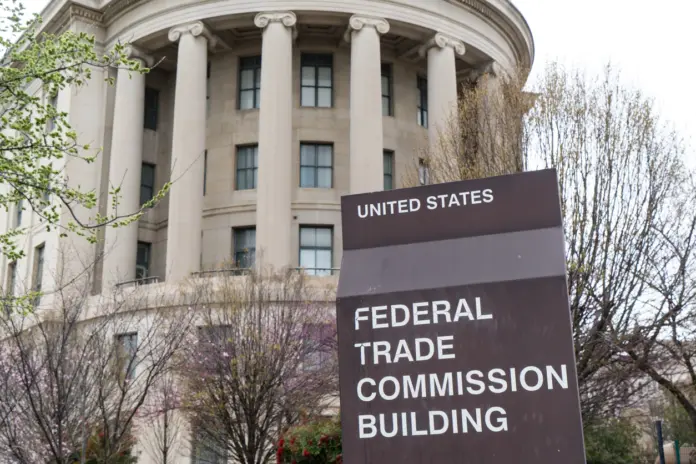
The Federal Trade Commission (FTC) says it is asking for authority to set rules and regulate fees in the rental housing market.

The Federal Trade Commission (FTC) says it is asking for authority to set rules and regulate fees in the rental housing market.

The FTC is planning a “significant regulatory action” and must undergo review before the FTC can issue it, according to the Office of Information and Regulatory Affairs within the Office of Management and Budget.

FTC Chairman Andrew N. Ferguson said, “For too long, Americans have been unjustly squeezed of their hard-earned pay by hidden fees and other unfair or deceptive business practices in housing rental markets. The American consumer deserves honesty and transparency in housing rental agreements.

“To that end, we will be soliciting public comment on the need for a new rule to prevent the imposition of deceptive or unfair fees on renters seeking long-term housing options. Congress has empowered the FTC to promulgate rules that aid in enforcing our nation’s laws against unfair or deceptive trade practices and a new rule may enhance our capacity to bring enforcement actions against violators of those laws.”

On December 2, 2025, the Federal Trade Commission and the Colorado Attorney General announced a $24 million settlement with Greystar Real Estate Partners, resolving allegations that the company misrepresented rental pricing by advertising base rents without disclosing mandatory monthly fees.

The Greystar settlement serves as a reminder that comprehensive price transparency is quickly becoming an agency priority across many industries. While the current Rule on Unfair or Deceptive Fees is limited in scope, the FTC is clearly prepared to pursue undisclosed mandatory fees wherever it finds them—and the housing sector may well be next in line for formal rulemaking.

At the time of the Greystar settlement, Ferguson emphasized the importance of clear pricing in essential markets, noting that misleading housing fees “deserve the commission’s full attention.” He also indicated that he has “directed commission staff to begin the process of proposing a rule to address unfair or deceptive fees in rental housing.”

6 Steps To Comply With Seattle’s First-In-Time Law

6 steps to comply with Seattle's first-in-time law requiring landlords give screening criteria notice and offer to first qualified applicant

First-in-time requires that Seattle landlords provide notice of their screening criteria and offer tenancy to the first qualified applicant who completes an application.

Step 1

Gather information. You must provide notice in writing to applicants before you collect applications or materials.

Step 2

Create a notice that includes:

  • Minimum criteria to qualify.
  • All required documents or information.
  • How to request additional time for language access or reasonable accommodation for a disability.
  • Whether the property has set aside units to serve vulnerable populations.
  • Information about Seattle’s Fair Chance Housing Law

Step 3

Post the ad notice. Record the date and time each application is received. An application is complete when all the information asked for in the notice is provided. For people with disabilities ore language access needs, the date and time for a completed application is the date of the request for additional time.

Step 4

Screen applications. Applications must be reviewed one at a time in chronological order. Reviewing more than one application at once is a violation of the law.

  • If you need additional information, you must give at least 72 hours for the application to provide the information.
  • Follow Seattle’s Fair Chance Housing Law requirements

Step 5

Offer tenancy to the first applicant that meets the screening criteria.

Step 6

Applicant accepts offer within 48 hours. If the applicant does not accept within that time, you can screen the next application in chronological order.


3 Steps For Dealing With Tenants And Frozen Pipes

3 Steps For Dealing With Tenants And Frozen Pipes

Here are 3 steps to help deal with tenants and frozen pipes and hopefully avoid the problem in your rentals and the maintenance calls that can result this winter from Keepe.

No. 1 – The preventative methods for tenants and frozen pipes

There are several things that property managers should do to prevent pipes from freezing in their rentals.

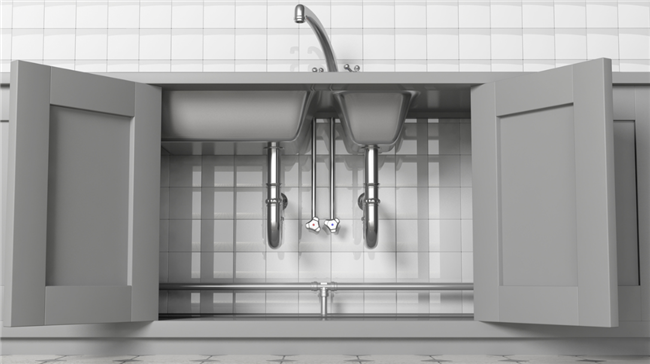
Give your tenants specific notice to keep kitchen and bathroom cabinet doors open at all times during freezing weather, and be sure any garage doors are closed. Keeping these doors open allows warm air from the house to enter under cabinets and sinks.

Allow the cold water to drip from the faucets, and be sure your tenants keep the thermostat set to the right temperature.

You may want to consider adding some insulation in key areas as a long-term solution if your keep getting repeat problems with frozen pipes.

No. 2 – Thawing after it happens

If the prevention fails and you end up with tenants and frozen pipes, here are a few tips to identify and thaw frozen pipes in your properties:

  • When a faucet is turned on and only a few drops of water come out, it is highly likely that the pipes are already frozen.
  • Do not rush into warming the pipes because if the water thaws, there might be risks of the water flooding your property.
  • The right approach to take in this situation is to turn off the water source at the meter, and heat the sections of the pipes where the freezing has started in order to thaw them.

No. 3 – Time to call the professionals

If you suspect that there is a bigger problem than the frozen pipes that can be fixed with a little heating, it is definitely advised for property managers to call in professional plumbers. They will have the right tools to assess the frozen pipes and determine whether they should be thawed or repaired.

If your tenants failed to take the preventative steps outlined above, you may want to add something into your leases (if it is not already there) about responsibility for frozen pipes and who pays the bill if preventative steps are not taken.

About Keepe:

Keepe is an on-demand maintenance solution for property managers and independent landlords. The company makes a network of hundreds of independent contractors and handymen available for maintenance projects at rental properties. Keepe at https://www.keepe.com

Sign Up For Our Weekly Newsletter And Get Rental Property And Apartment News And Helpful, Useful Content Each Week.

* indicates required

Landlord Hank: Are Frozen Pipes In Rentals A Big Deal?

Frozen pipes in rentals - are they a big deal is the question several landlords were asking this week for Ask Landlord Hank. 

Frozen pipes in rentals – are they a big deal is the question several landlords were asking this week for Ask Landlord Hank. Remember Hank is not an attorney and he is not offering legal advice. If you have a question for him please fill out the form below.

Dear Landlord Hank:

Are frozen pipes in a rental a big deal?

By Hank Rossi

Doesn’t sound like too big a deal, does it?

Well, it can be a disaster to your rentals and is something you as a landlord want to be on top of all the time.

When the exterior temps get down to around 20 degrees or lower, the water inside your water pipes can freeze. As the water freezes it expands and can rupture the pipe, causing a massive leak when the water thaws and begins flowing again.

This is easier to prevent than to deal with the consequences of neglecting this condition. The process starts with the landlord’s vigilance to weather conditions.

If you live in cold-weather climate zones, talk to your tenants upon move-in about the importance of preventing frozen water pipes and the disaster that preventing this condition can avoid. Once you hear that a drop in temperature is going to occur, then let your tenants know ASAP. If you have an apartment building, put notes on individual doors – as well as access to the building doors – that freeze warnings are going to be in effect and to keep heat on in your units at night, to trickle water from all faucets and to keep doors of cabinets open to water pipes in the kitchen and bathrooms.

If you don’t have multifamily property, then I would call, text and email each tenant the warning notice.  You will also want to make sure your lease talks about “Risk of Loss” with something like “All tenants’ personal property shall be a risk of the tenant and landlord shall not be liable for any damage to said personal property of the tenant arising from fire, bursting water pipes, storm, flood (etc.)” and then mention the need for renters’ insurance coverage, which is relatively inexpensive.

Also, it should make clear that tenants will be liable for any damage occurring due to tenant neglect and carelessness by not heeding warnings or not acting to avoid potentially damaging circumstances.

Don’t assume your tenants got the warnings, as some could be sick, out of town, etc. Maintain good communication to head off this normally preventable disaster.

Sincerely,

Hank Rossi

Each week I answer questions from landlords and property managers across the country in my “Dear Landlord Hank” blog in the digital magazine Rental Housing Journal.   

Landlord Hank: Are Frozen Pipes In Rentals A Big Deal?
Landlord Hank says, “make clear that tenants will be liable for any damage occurring due to tenant neglect and carelessness by not heeding warnings or not acting to avoid potentially damaging circumstances.”

Ask Landlord Hank Your Question

Ask veteran landlord and property manager Hank Rossi your questions from tenant screening to leases to pets and more! He provides answers each week to landlords.

  • This field is for validation purposes and should be left unchanged.

Do I Have to Paint and Replace Flooring for a Long-Term Tenant?

Sign Up For Our Newsletter And Get Rental Housing And Apartment News And Helpful, Useful Content Each Week.

* indicates required

Who’s Responsible For Smoke Detector Batteries In Rentals?

Tenant Refuses To Return Keys After Leaving My Rental

A Tenant Poured Grease Down Drain Who Is Responsible?

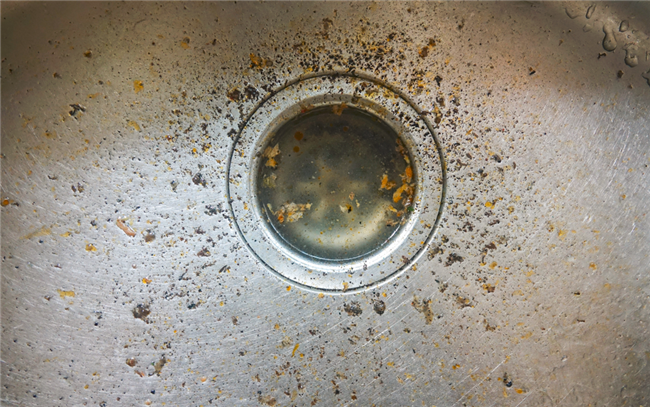
A tenant poured grease down the kitchen sink so who is responsible for the plumbing repair is the question this week for Ask Landlord Hank.

National Rents Continue Decline In January

The national median rent dipped by 0.2 percent in January, starting the new year with the sixth straight monthly rent decline

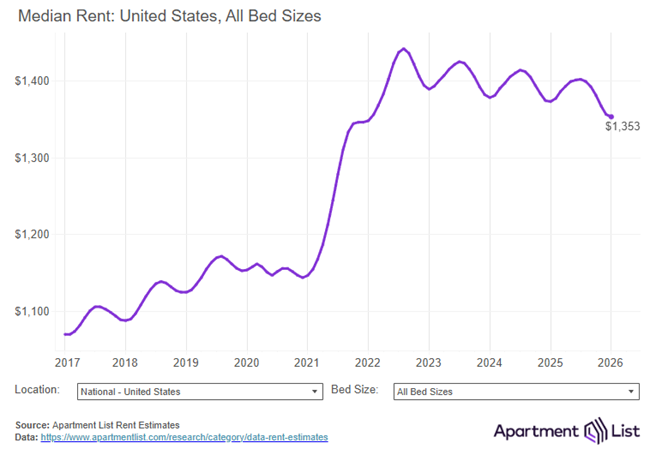
The national median rent dipped by 0.2 percent in January, starting the new year with the sixth straight monthly rent decline, according to the February report from Apartment List.

“That said, this was the most modest dip since last August, signaling that the market is beginning to creep out of the off-season and will likely return to positive rent growth in the months ahead,” Apartment List economists write in the report.

The national median rent dipped by 0.2 percent in January, starting the new year with the sixth straight monthly rent decline

Highlights of the February report:

  • The national median rent now is $1,353. This is the fourth consecutive winter with a pronounced off-season dip.
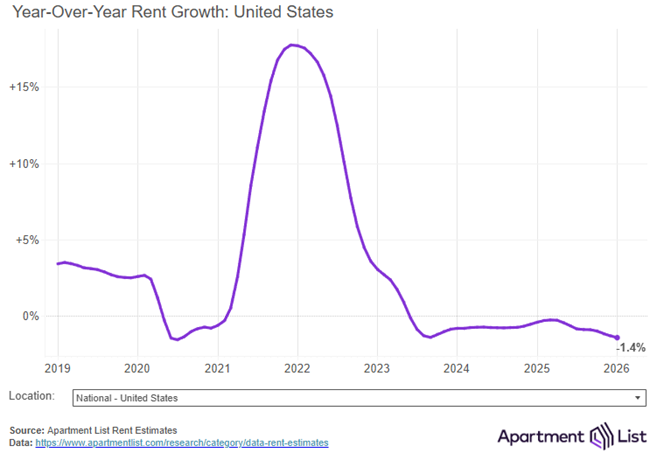
  • Rent prices nationally are down 1.4% compared to one year ago. Year-over-year rent growth has been slightly negative for more than two full years, and the national median rent has now fallen from its 2022 peak by a total of 6.2%.
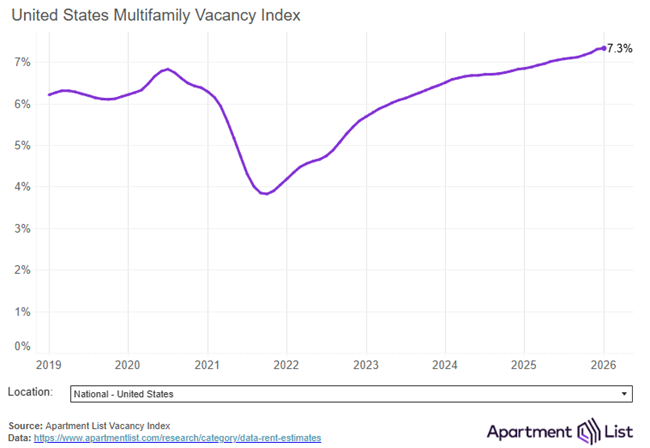
  • The national multifamily vacancy rate now sits at 7.3%, “a record high for our index going back to 2017. We’re past the peak of a multifamily construction surge, but a healthy supply of new units is still hitting the market and colliding with sluggish demand, causing vacancies to continue trending up.”
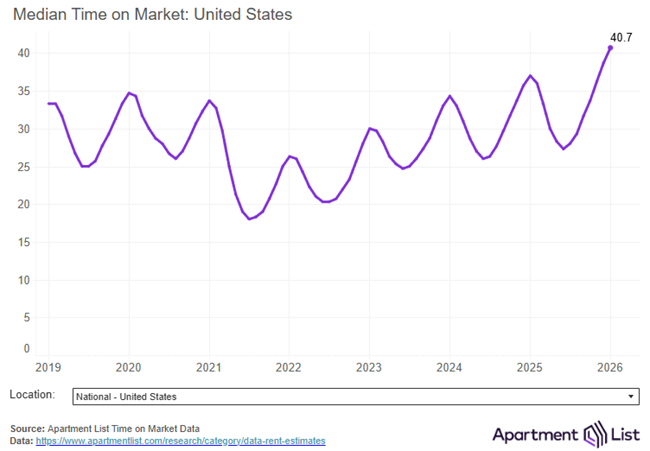
  • Units are taking an average of 41 days to get leased after being listed, which is four days longer than one year ago and represents another record high back to 2019.
  • The Austin, TX metro continues to have the softest conditions among the nation’s large rental markets, with the median rent there down by 6.3% over the past year. At the other end of the spectrum, the Virginia Beach, VA metro show the fastest year-over-year rent growth at +5%.

The national median rent dipped by 0.2 percent in January, starting the new year with the sixth straight monthly rent decline

January’s rent decline (-0.2 percent) was a bit steeper than last year’s (-0.1 percent), and so it shows a drop in year-over-year rent growth to -1.4 percent.

Early last year, it appeared that annual rent growth was on track to flip positive for the first time since mid-2023; however, that rebound stalled out and reversed course during a slow summer moving season that has now dragged into the winter. This month’s -1.4 percent reading is the lowest year-over-year rent growth recorded since August 2023.

Multifamily vacancy rate hits 7.3%, highest level since 2017

As a result of new inventory, more vacant units are sitting on the market, meaning that property owners face more competition for renters and have less pricing leverage.

“Our national vacancy index – which measures the average vacancy rate of stabilized properties in our marketplace – sits at 7.3 to start 2026. This represents the highest level since at least 2017, which is when we started tracking occupancy,” the economists write.

The national median rent dipped by 0.2 percent in January, starting the new year with the sixth straight monthly rent decline

List-to-Lease time also reaches a new peak: 41 days

This increase in list-to-lease time is in line with negative rent growth, soft occupancy, and a general off-season cooling of the rental market. Time on market is up four days compared to last January, and more than twice as long as it was in summer 2021, when the average unit was turning over in just 18 days.

The national median rent dipped by 0.2 percent in January, starting the new year with the sixth straight monthly rent decline

Conclusion

“As we start the new year, multifamily conditions remain soft. Year-over-year rent growth remains negative, while vacancies and time-on-market continue to inch up.

“The wave of construction that has been driving these conditions is waning, but whether or not market conditions shift will now depend on rental demand, whose outlook has grown shakier due to weakness in the labor market and general economic uncertainty.

“If demand worsens, it will take longer for the market to metabolize the recent growth in the rent stock, even if the construction industry slows in tandem,” Apartment List economists write in the report.

Read the full report here.

Apartment Leaders Pull Back From Rent-Controlled Markets

A new survey finds rent control's negative impact on housing supply as apartment leaders pull back from rent-controlled markets,

A new survey finds rent control has negative impact on housing supply reported around the country as apartment leaders pull back from rent-controlled markets, according to the National Multifamily Housing Association (NMHC).

For years the NMHC has provided a quarterly snapshot of the apartment market, including trends in sales, equity financing and debt financing. For the first time in the first survey of 2026, NMHC included a special question examining the impact of rent control regulation.

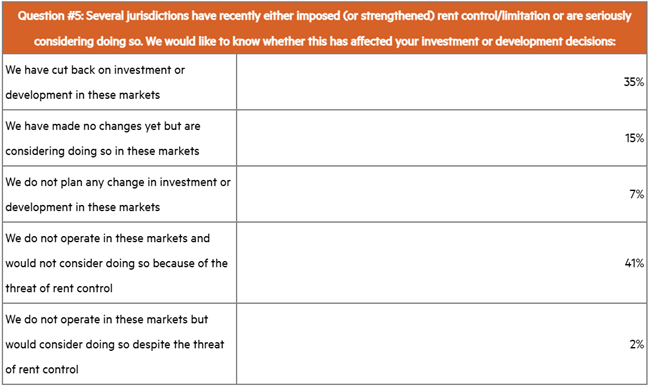
NMHC compared this year’s results to those of the January 2022 survey. The comparison shows that over the last four years:

  • The share of respondents who said they have cut back on investment or development in rent-controlled markets increased from 26% to 35%.
  • The share who said they do not operate in these markets and would not consider doing so because of the threat of rent control also increased from 32% to 41%.
  • The share who said they have made no changes so far but are considering cutting back in these markets remained at 15%.

“This means that the total share of respondents who have altered their investment or development decisions – or are considering doing so – has increased from 73% of respondents in January 2022 to 91%, nearly all the respondents to our January 2026 survey,” writes Jim Lapides, SVP and Head of External Affairs, in the report.

Only 7% of respondents this round said they do not plan any change in investment or development in markets affected by rent regulation (down from 23% last round), and only 2% said they do not operate in these markets but would consider doing so despite the threat of rent control (down from 4% four years ago).

A new survey finds rent control's negative impact on housing supply as apartment leaders pull back from rent-controlled markets,

These findings come as broader apartment market conditions continue to ease nationwide.

Affordability, particularly housing affordability, has moved to the forefront of public debate. While rent control is once again being promoted as a remedy for rising housing costs, policymakers and economists have increasingly and consistently warned that rent control is a failed solution.

In recent weeks, a broad range of economists, housing experts, and elected leaders from across the political spectrum have renewed those concerns, arguing that rent control ultimately worsens affordability by constraining supply.

Read the full report here.

Sign Up For Our Weekly Newsletter And Get Rental Property And Apartment News And Helpful, Useful Content Each Week.

* indicates required