Home Blog Page 30

What Is An Umbrella Policy & Why Is The Cost Skyrocketing?

Umbrella insurance policies extend over all of your assets your car, home, and rentals in your personal name or commercial for LLCs

Umbrella insurance policies extend over all of your assets your car, home, and rentals in your personal name.

By Lance Anderson

Umbrella Insurance policies are an affordable way to add a layer of liability protection on top of your current coverage that protects your assets in case of a large liability claim.

Here are a few things to know about umbrella coverage:

Umbrella policies extend over all of the assets within that entity.  In other words, your personal umbrella will extend coverage over your car, home, and rentals in your personal name.  If you have registered rental properties in LLCs, you will need a commercial umbrella policy, which will cost a little more than a personal lines umbrella.

Umbrella insurance provides an extra layer of protection beyond your underlying liability limits. It safeguards your assets from costly lawsuits such as accidents like slips and falls, property damage, defamation, and, most frequently, car accidents.

BUNDLE YOUR UMBRELLA COVERAGE

It’s important to recognize that umbrella insurance companies, especially on a home, auto, and rental property risk, will want to cover everything you have, i.e., all of those policies should be with the same carrier.

Sometimes, we have clients whose home and rental portfolios are with our agency, yet they want to insure their cars with a discount online auto carrier and have us write an umbrella.

Insurance carriers just don’t do that; they want to know what is going on with the auto risk, who the drivers are, how many cars, etc.  Your risk out on the road is far greater than an injury at your home or rental property, so pay the extra money to get the protection you anticipate from your umbrella insurance.

UNDERLYING LIMITS

An umbrella insurance policy will also require you to carry higher underlying limits on your auto, home, rental property and other policies.

Typically, the underlying limits required for your auto insurance are $250,000/$500,000 and $300,000 for property insurance.  If your current limits are the typical $100,000/$300,000, increasing your underlying auto and home limits will cause an increase of about $1000.00 per year including the cost of the $1,000,000 umbrella policy.  The underlying limits are “stacked” on top of the $1,000,000 umbrella, so your overall liability limit with an umbrella is the underlying limits + the umbrella limit.

WHAT DOES AN UMBRELLA POLICY COST?

At Anderson Insurance Group, we have seen the cost of a personal umbrella increase to about $400.00 per year in 2024.

If you have young drivers, multiple cars, and rental properties, the cost can be as high as $1000.00. We have seen the cost of commercial umbrellas triple in 2024.  There has been a 45% increase in $1,000,000 umbrella insurance claims opened in 2032 compared to 2021, according to insurance provider USAA.  Combined with inflation, this has caused the cost of umbrella policies to dramatically increase in recent years.

HOW MUCH COVERAGE DO YOU NEED?    

Financial planners often advise carrying liability limits equal to your net worth.

Dave Ramsay Solutions advises if your net worth exceeds $500,000, you need an umbrella policy.  Many online calculators can help you determine the umbrella coverage you need.   Balance your needs with the cost, and we think you will find an umbrella policy a good value.

 UMBRELLA vs EXCESS LIABILITY COVERAGE:

A true umbrella will provide coverage for a wide range of exposures, such as worldwide coverage or coverage for a rented boat or ATV.

Excess liability policies are what the industry terms “follow forms” and will only provide coverage above the limits of an existing policy. When given the option, choose an umbrella policy over an excess liability policy for the broader coverage it provides. You will want to reach each policy and consult your agent on the merits of each.

 UNINSURED MOTORIST UMBRELLA COVERAGE:

I am a big fan of UM & UIM coverage on the umbrella policy.

This is an inexpensive way to add an additional $1,000,000 of under and underinsured motorist coverage and will stack on top of your underlying limit.  As a cyclist, who occasionally ventures out on the road, if I am hit as a cyclist/pedestrian and seriously injured, I can claim under my umbrella UM/UIM coverage.

DO YOU NEED AN UMBRELLA POLICY?

Now more than ever, umbrella coverage is an important way to protect your assets.

We live in a very litigious world; attorneys are more aggressive than they have ever been, and did you know there are organizations that fund lawsuits?   That’s right, if they feel there is a good chance they will win, they will front the money and inevitably, its less expensive for the insurance companies to pay than to risk losing in court, seldom do the courts side with the insurance companies.  These factors and increasing inflation make an umbrella policy an important part of your asset and financial protection.

Reach out to Anderson Insurance Group today and let’s discuss how to best protect your rental properties.

About the author:

Lance Anderson has been a landlord for over 25 years and an insurance agent for over 30.  Give Lance or Andres a call.  As landlords and experienced insurance agents, they will make sure you have the best protection for your rental and investment properties.  

Call: 801-262-1551 Text: 801-758-9046
Call us for more information on renters insurance and any questions you have about land lording, we love helping our customers be successful Utah landlords. Call our office at 801-262-1551 or Click Here for a for a consultation with our experienced team. Find out more about umbrella insurance.

Avoid Costly Coinsurance Penalties with Proper Insurance Coverage for Your Investment Properties

For a full review of your apartment or rental property insurance, contact a knowledgeable Anderson Insurance Group agent today.

Complete Guide to Apartment Building Insurance

The Insurance Secret Every Property Owner Needs to Know

The Utah Landlord’s Playbook: Strategies for Full Bookings

3 Must-Have Coverages for Landlords


photo credit Pla2na via istockimages

Canine Contingent Liability

A canine contingent liability policy can cover legal fees and settlements If a dog on your property injures a person or another animal

By Deborah Turner

These days being a property manager or landlord come with many challenges, and one of the most common is managing properties where tenants have dogs. With 39% of renters owning a dog, managing pet policies has become increasing complex for property managers and landlords. Many tenants bypass pet restrictions by having their dogs approved as emotional support animals or as service animals, adding to the challenges of enforcing property guidelines.

If you require tenants with dogs to have a canine liability policy or pay additional pet-related charges, you risk potential discrimination complaints, which can result in penalties averaging between $15,000 and $20,000. Another challenge is that general liability policies often exclude canine liability, leaving landlords vulnerable to claims without proper coverage.

Several companies now offer screening services to verify the legitimacy of ESA and service dog letters, helping property managers and landlords ensure compliance with regulations. While these services may include additional offerings, they do not provide insurance coverage leaving landlords to find separate solutions for liability protections.

If a dog on your property injures a person or another animal you could be sued for allowing the dog on the premises-whether it’s an ESA, service dog, or pet. Without coverage under your general liability policy, you would pay out of pocket legal defense costs which average around $300 per hour nationwide, and any settlement and penalties.

To address this exposure, we developed the Canine Contingent Liability Policy, which covers both legal fees and settlements up to your chosen policy limit. The protection applies first dollar, regardless of any underlying coverage, providing you extra peace of mind if an incident occurs. Costs are based on your selected limit, the number of units, and responses to a brief three-page application. Quotes are provided quickly, and financing options are available.

Contact us for an application and take the next step in making an informed business decision.

About the author:

A canine contingent liability policy can cover legal fees and settlements If a dog on your property injures a person or another animal

Deborah J. Turner, CPCU, AAI

President of Dean Insurance Agency, Inc. in Central Florida since 1994. She designed Canine Contingent Liability as a result of her love for dogs, her research and intimate knowledge of the insurance industry, It protects Landlords and Property Managers should a law suit be filed as the result of a dog on a property.   It closes gaps in coverage and solves the Service Dog, ESA and PTSD issues since they cannot be made to purchase insurance.

Who’s Responsible For Smoke Detector Batteries In Rentals?

Who’s Responsible For Smoke Detector Batteries In Rentals Landlord Hank??

Replacing smoke detector batteries in rentals is a question that comes up often. So whose responsibility is it is the question this week for Ask Landlord Hank. Remember Hank is not an attorney and he is not offering legal advice. If you have a question for him please fill out the form below.

Dear Landlord Hank:

Whose responsibility is it to replace batteries in smoke detectors? The landlord or the tenant?

– Robert

Hi Robert,

That would depend on the lease.

In my lease I make it very clear that the tenants are responsible for the smoke detectors and the battery replacement in rentals, as well as batteries in the thermostat and any other remotes for the property.

If it’s not specifically spelled out in the lease I would think it is the tenant’s responsibility as part of the upkeep of the property.

Sincerely,

Hank Rossi

Who’s Responsible For Smoke Detector Batteries In Rentals?
Landlord Hank says, “In my lease I make it very clear that the tenants are responsible for the smoke detectors and the battery replacement in rentals.”

Ask Landlord Hank Your Question

Ask veteran landlord and property manager Hank Rossi your questions from tenant screening to leases to pets and more! He provides answers each week to landlords.

  • This field is for validation purposes and should be left unchanged.

Do I Have to Paint and Replace Flooring for a Long-Term Tenant?

Sign Up For Our Newsletter And Get Rental Housing And Apartment News And Helpful, Useful Content Each Week.

* indicates required

No Guns In My Apartments: Can A Landlord Say That And Put It In A Lease?

Can I Say “No Pot In My Apartments” When It’s Legal In My State?

Report Shows Trend To More Professional Property Management

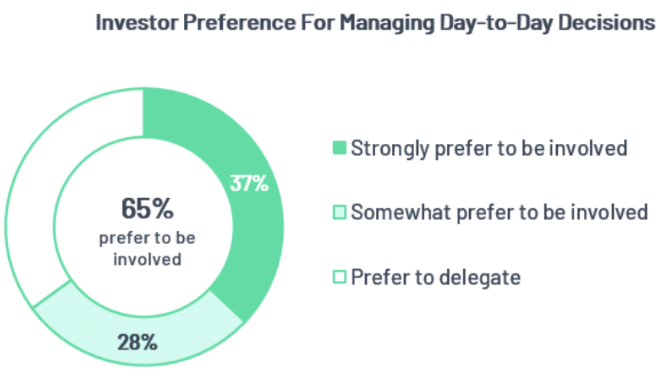
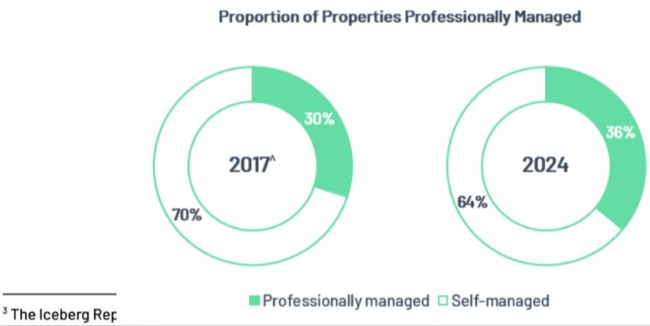
A new report shows a trend to more professional property management moving from 30% of rental properties in 2017 to 36% in 2024.

A new report shows a trend to more professional property management moving from 30% of rental properties in 2017 to 36% in 2024.

“This reflects not only an increase of 1.3 million properties under professional management but also a broader trend of investors turning to property management solutions to navigate a complex and evolving real estate landscape,” the report says.

The Property Management Trends Report show the shift toward professional management, details key insights into the residential property management industry, and reveals the  increase in the number of properties managed by professional third-party property managers across the United States.

A new report shows a trend to more professional property management moving from 30% of rental properties in 2017 to 36% in 2024.


The research was designed and fielded by The Harris Poll in 2017 to gain insight into the industry shifts that have occurred since the last known census of self-managing landlords. It was also fielded by The Harris Poll under the title “The Iceberg Report: An Analysis of the American Single-Family Residential Investment Industry,” sponsored by Real Trends and NEXZUS Publishing.

“The Property Management Trends Report: The shift toward professional management in Single-family rentals” was sponsored by LeadSimple and Peter Lohmann’s Newsletter and co-authored by Jordan Muela, CEO of LeadSimple, Peter Lohmann, CEO of RL Property Management, Jay Parsons, head of investment strategy and research at Madera Residential and Rob Hahn, managing partner at 7DS Associates.

“Investors today face more than just property upkeep; they’re navigating a landscape where regulatory, economic and market dynamics are in constant flux. This report highlights the clear, data-backed advantage of investors working with property management partners who bring stability and efficiency,” Parsons said in a release.

A new report shows a trend to more professional property management moving from 30% of rental properties in 2017 to 36% in 2024.

Hahn added, “This study is an important contribution to the field of property management, which may be changing more rapidly in the years ahead. The data should help inform both investors and property managers about what is truly important and what is not. Our study shows that  the human elements – experience and reputation – are most important.”

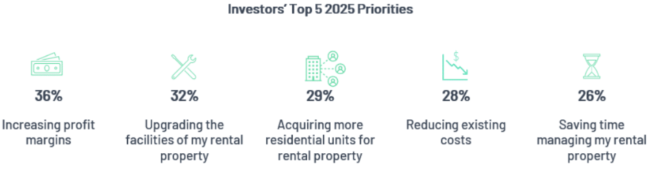
According to the report, the value property managers bring goes beyond operational efficiency. “Property managers do more than simply collect rent; they’re partners in enhancing the performance of the assets they manage,” Muela said in the release.  “Our findings show that property management professionals are instrumental in driving property performance, especially as investor priorities shift toward increasing profit margins and mitigating risks.”

Learn more here https://www.profitablepropertymanagement.com/.

Sign Up For Our Weekly Newsletter And Get Rental Property And Apartment News And Helpful, Useful Content Each Week.

* indicates required

Multifamily New Construction Supply To Remain Sizable In 2025

Multifamily new construction starts have bottomed out however construction times have slowed down with many units still in the pipeline
Photo credit John Triplett, Rental Housing Journal

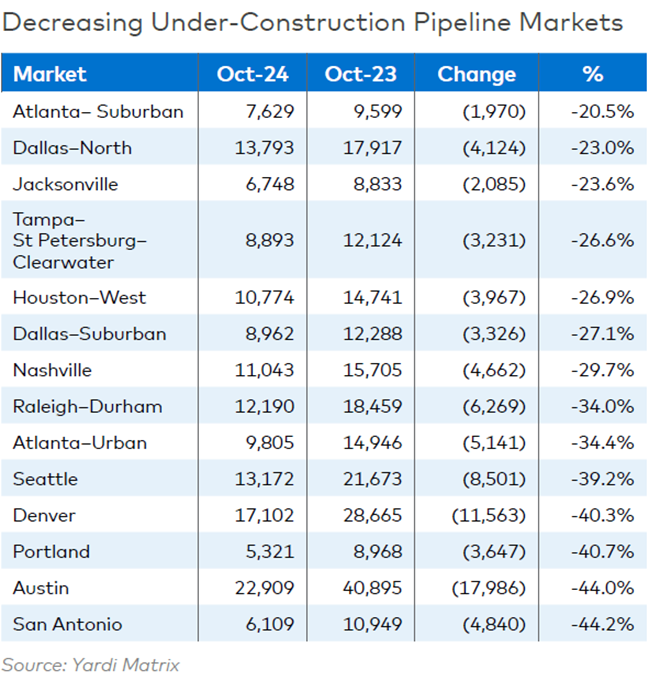
Multifamily new construction starts have bottomed out however construction times have slowed down meaning a sizeable number of units are still in the pipeline, Yardi Matrix reports in a Multifamily Research Bulletin.

“Multifamily completions will remain elevated in 2025 and early 2026, before significantly declining in the second half of 2026 and 2027. Compared to last quarter’s update, the Q4 forecast for 2025 has been increased by 8.1% to 508,089 units. For 2026, the forecast has been increased by 6.0% to 371,509 units,” Ben Bruckner, Senior Research Analyst for Yardi Matrix, writes in the report.

Also the Wall Street Journal reports that landlords will likely have more pricing power next year if current trends continue as things are starting to change as vacancy rates have stopped rising. “The worst of the pressures on pricing from new supply are behind us,” Eric Bolton, chief executive of Mid-America Apartment Communities told the Wall Street Journal.

Multifamily new construction starts have bottomed out however construction times have slowed down with many units still in the pipeline
Chart courtesy of Yardi Matrix

Like Yardi Matrix data, the Census Bureau showed a decline in multifamily construction starts taking hold in the second half of 2023 that bottomed in Q1 2024. Since April 2024, multifamily construction starts averaged an annualized pace of 332,000 units.

“Yardi Matrix continues to expect a gradual deceleration in labor markets and inflation with economic growth decelerating,” the report says. It adds that the deceleration “allows the Federal Reserve to continue to reduce policy rates at a gradual pace to close out 2024 and through 2025. Monetary policy should be materially less restrictive by mid-year 2025, which in turn should make capital conditions for new multifamily development considerably easier.”

Multifamily new construction starts have bottomed out however construction times have slowed down with many units still in the pipeline
Chart courtesy of Yardi Matrix

Forecast for 2025 and beyond

In summary, the forecast expects new-supply completions to remain relatively robust in 2025 at roughly 508,000 units, followed by a noticeable decline in 2026 to 372,000 units. New supply bottoms in 2027 at around 327,000 units, with a rebound in new supply in 2028 and 2029.

“As always, Yardi Matrix is extremely focused on accurately maintaining our development pipeline data and identifying any changes in its evolution that will have a meaningful impact on future new supply,” Bruckner writes.

Read all details in the full Yardi Matrix publications here.

About Yardi Matrix

Yardi Matrix researches and reports on multifamily, office and self-storage properties across the United States, serving the needs of a variety of industry professionals. Yardi Matrix Multifamily provides accurate data on 18+ million units, covering more than 90 percent of the U.S. population. Contact the company at (480) 663-1149.

Sign Up For Our Weekly Newsletter And Get Rental Property And Apartment News And Helpful, Useful Content Each Week.

* indicates required

5 Ways The Election’s Biggest Winner May Be Landlords

5 Ways The Election’s Biggest Winner May Be Landlords

Here is Scot Aubry’s take on 5 ways the election could impact landlords and rent control, tenant protections, affordable housing, taxes, interest rates and more.

By Scot Aubry

As the 2024 U.S. presidential election recently closed, landlords across the country are celebrating many of the positive outcomes they saw in regard to housing, tax, and economic policies that will affect their businesses.

Whether it’s rent control, tenant protection laws, or economic conditions, this often-contentious election outcome will have an impact on the investment real estate market for years to come.

Here’s what landlords should be on the lookout for:

1. Rent Control

Normally reserved for large population center cities, rent control has moved beyond big-city limits and is trying to make its way into our local communities.

The outcome of many propositions around the country promoting rent control policies were effectively shot down, mostly by landlord voters like you.

Even in California, Prop 33, which would have put rent control policies in place statewide, was defeated. These proposals could have limited a landlords’ ability to raise rents, which normally leads to an adverse effect on a property’s profitability.

With the defeat of the many rent control proposals around the country, regulations are either relaxed or blocked, thereby providing landlords more flexibility to increase rents in response to demand.

2. Affordable Housing and Market Competition

Affordable housing was a focal point for many areas n the country during the 2024 election.

Several types of government subsidies were approved to help with the shortage of affordable rental units in many areas. Building restrictions were also eased as well to open up more areas and communities to provide affordable housing alternatives.

With these projects comes increased competition, especially in high-demand urban areas. On the other hand, changes to policy that reduce some of the regulatory burdens can help promote accelerated construction, potentially bringing new, investment ready properties to the market.

3. Tax and Incentive Changes

Tax policies have and will continue to significantly impact landlords.

The current administration introduced several tax reforms that affected property owners, including limiting deductions for property depreciation and increasing corporate taxes.  Reduced profitability is on the near horizon for landlords in areas that have increased taxes on real estate investments or rental income.

If you are a landlord interested in investing in green upgrades or low-income housing projects, become familiar with the local changes in your area to see if there are any opportunities that will benefit you.

But move quickly as many experts are hinting that these may be eliminated with the new administration.

4. Interest Rates and Economic Conditions

Every investor has felt the sting that has resulted from higher interest rates.

Either you’re paying more for properties, or you are holding still with your current portfolio and not expanding your investments. Both of those hurt landlords and coupled with the impact of broader economic conditions, there are a lot of unanswered questions in the rental market.

For all but the institutional investor, these higher rates keep most landlords out of the market and reduce profitability. Policies that curb inflation or reduce interest rates will benefit landlords while a stable economy almost always leads to an increased tenant demand, reduced vacancy rates, and boosted rent prices.

5. Tenant Protection Regulations

The COVID-19 pandemic was the birthplace for many of the regulations that are impacting landlords today.

Check your local regulations to see if laws like extended eviction moratoriums, rent control measures, or limits on late fees and security deposits were put in place.  Although not designed with this in mind, these measures protect tenants but also make it harder for landlords to manage their properties effectively, particularly when dealing with non-paying tenants.

In the landlords favor there has been a push for reforms to make eviction processes faster or provide better protections for landlords facing financial strain.

Election Impact On Landlords Summary

While the long-term effects are speculative in nature, the 2024 U.S. election will significantly affect landlords, from rent control and taxes to tenant protection laws and economic policies.

Landlords need to closely review the election results and prepare for any changes that will impact their businesses. We always recommend interacting with a local real estate investors association as they are very familiar with local rules and regulations. Stay informed, stay active, and stay adaptable.

After taking a beating for a few years as a landlord, is this our time to come out on the winning side?

About the author:

Scot Aubrey is Vice-President of Rent Perfect, a private investigator, and fellow landlord who manages short-term rentals.  Subscribe to the weekly Rent Perfect Podcast (available on YouTube, Spotify, and Apple Podcasts) to stay up to date on the latest industry news and for expert tips on how to manage your properties.

Election impact on landlords

Sign Up For Our Weekly Newsletter And Get Rental Property And Apartment News And Helpful, Useful Content Each Week.

* indicates required

photo credit gguy44 via istockimages

Tenants With Too Many Vehicles What Can I Do?

What to do when tenants have too many vehicles on your rental property and what should the lease say is the question for Landlord Hank

What to do when tenants have too many vehicles on your rental property and what should the lease say is the question this week for Ask Landlord Hank. Remember Hank is not an attorney and he is not offering legal advice. If you have a landlord question for him please fill out the form below.

Hello Hank,

Can we ask our tenant who has two cars, a truck & camper, boat & trailer, toy hauler and another truck (6 total) to move the vehicles that aren’t parked in the double garage or in the driveway?

The city allows a car parked on the street up to three business days! We have received complaints about this issue from neighbors

-Pat

Dear Landlord Pat,

Please check your lease. It may address parking restrictions but many leases don’t include anything related to parking.

I would also check to see if you home owners’ association (if you have one) has parking restrictions and see what the municipal restrictions are.

Did you talk to your tenants up front about their vehicles?

This seems to be an absurd amount of vehicles to be parked somewhere in a neighborhood. Your lease will say that tenants must abide by local laws and if this collection of vehicles is in violation, then you can talk to the tenants and if that doesn’t work, put a legal notice on their door that they are violating their lease.

Next lease ad something like this:

VEHICLES: Vehicle(s) must be currently licensed, owned by TENANT, registered, operational and properly parked. TENANT agrees to abide by all parking rules established now or in the future by LANDLORD or condo /homeowner association’s rules, if applicable. No trailers, campers, vehicles on blocks, motorcycles, boats or commercial vehicles are allowed on or about the premises without LANDLORD’S prior written approval.

TENANT is not to repair or disassemble vehicles on the premises. Vehicles not meeting the above requirements and additional rules of LANDLORD are unauthorized vehicles subject to being towed at TENANT expense. Parking on the grass is prohibited.

TENANT agrees to indemnify LANDLORD for any expenses incurred due to the towing of any vehicle belonging to the guest or invitee of TENANT. TENANT shall not use or install any portable or permanent electric or hybrid vehicle charger in or on the premises without the prior written permission of OWNER and an EV Vehicle Addendum signed by all parties.

TENANT agrees that only the following vehicles will be parked on the premises:

Sincerely,

Hank Rossi

Editor’s note: Check your local laws on vehicles on rental property or other issues as many cities and states have different rules.

What to do when tenants have too many vehicles on your rental property and what should the lease say is the question for Landlord Hank
Landlord Hank says, “Please check your lease. It may address parking restrictions but many leases don’t include anything related to parking.” He also suggests some lease improvements dealing with tenant vehicles.

Ask Landlord Hank Your Question

Ask veteran landlord and property manager Hank Rossi your questions from tenant screening to leases to pets and more! He provides answers each week to landlords.

  • This field is for validation purposes and should be left unchanged.

Each week I answer questions from landlords and property managers across the country in my “Dear Landlord Hank” blog in the digital magazine Rental Housing Journal.   https://rentalhousingjournal.com/asklandlordhank/

Tenant Cut Off Electricity And Moved Early What Do We Do?

Do I Have to Paint and Replace Flooring for a Long-Term Tenant?

Tenant Refuses To Return Keys After Leaving My Rental

A Tenant Poured Grease Down Drain Who Is Responsible?

Sign Up For Our Newsletter And Get Rental Housing And Apartment News And Helpful, Useful Content Each Week.

* indicates required

photo credit Foto-Video-Studio via istockimages


What Are The Best Window Coverings For Rental Property?

What are the best window coverings for your rental property blinds, shades or curtains

Window coverings for your rental property can be important in attracting tenants, so what are the best blinds, shades or curtains among three basic types of window coverings.

It can be difficult to choose the best type of window covering to complement a space while being easy to maintain and practical for tenants with the new technologies, décor styles and trendy materials always changing things up.

Here are the more common kinds of window coverings that are available for your windows, while including their individual pro’s and con’s to help you pick the one that works best for your budget and your rental property from Keepe.

No. 1 – Window Coverings: Blinds

Blinds consist of either horizontal or vertical slats that can be adjusted with cords or handles to allow for varied amounts of visibility and luminosity. Blinds can be easily custom-fitted, cleaned off and are treated so that that won’t fade over time as great window coverings in your rental property.

Styles of window coverings

    • Venetian blinds are the most common kind of shades: they have horizontal slats larger than one inch wide, connected by a rope cord or cloth strip called “tapes” and have slats that bundle together as one raises them vertically.
    • Mini and Micro blinds look and work in the same way Venetian blinds do, but feature smaller slats, which are typically one inch or less wide.
    • Panel blinds have characteristic vertical slats that slide along a track that is mounted above the window or door they cover.

Materials

Plastic – This is the most common kind of material used to craft blinds, which is largely due to the fact that it is the cheapest and easiest to replace. These kinds of blinds come in many colors and sizes, but are nowhere near as durable and sturdy as ones made with wood or metal, which makes it easy for them to become damaged (snap, fall of or bend) and require frequent replacements over time.

What Are The Best Window Coverings For Your Rental Property?
Plastic mini blinds are low cost and easy to replace when tenants or pets or children damage them.

Metal – Metal blinds are resistant to moisture and overall much more durable than their plastic counterpart. Those made with smaller gauges are thicker and thus the most durable. While they  come in many different finishes and can be used in any space, some find them to be particularly noisy, which is a major downside that comes with this material.

Wood – Wood blinds offer a uniquely polished and refined look, and have a naturally heavier weight that gives them a sturdy quality. While some find this to be a desired characteristic, wood blinds might not be an ideal choice for those wanting a more modern look or a solution that is practical and easy to maintain. Wood blinds are much pricier than metal or plastic blinds, and repairs are costly. They also are not a good option for kitchen and bathrooms as the wood can become easily damaged – rotten, cracked, warped – when exposed to moisture.

Faux Wood – Blinds made with faux wood slats are the solution for those who like the look of wood blinds but have lower budgets and want less maintenance concerns. They are made of synthetic materials that are engineered to resemble wood, which makes them perfectly resistant to moisture and affordable.

No. 2 –  Shades

Unlike blinds, shades consist of one single, unified layer of material that can be pulled down or up to cover windows and doors uniformly. Shades are crafted to stretch and roll down or fold up into themselves.

Styles

    • Pleated – pleated shades are the most simple kind. They consist of a sheet of thin material that is folded in an accordion-like pattern so it can unfolded down or bundled up.
    • Cellular – cellular shades have unique insulation properties. They consist of two layers of materials that are combined together and then folded like plated shades, while leaving an opening in the middle. This unique design turns them into a layer that is able to provide insulation from outside temperatures and sounds as window coverings for your rental property.


Roman – roman shades are a cross between a curtain and a Venetian blind. They are crafted so that a piece of cloth can be raised and lowered as it folds into itself. Roman blinds can be made from many different kinds of cloth, including special thermal or UV-filtering cloth. The main downsides to Roman shades is that even when they are completely “rolled up”, the bundled cloth folds in a way that covers the top of the window, reducing visibility and light.

Roller – Roller shades are similar to Roman shades as they are made up of fabric that can be pulled up or down, but they do so without folding. A special mechanism allows the fabric to be stretched across the window or door it covers without folding. Many options and customizations are available for roller shades, with higher-tech materials (thermal and such) and elaborate mounts to match any style. Cheaper kinds of roller shades can develop problems as mechanisms can become jammed. The fabric covering can also easily require a complete replacement after becoming stained or faded from sunlight exposure, which is typically costly.

No. 3 – Curtains

Curtains are made by hanging large pieces of cloth on a wall-fixed rod or track, which then allows for the cloth to be sled over or away from the window.


best window coverings for your rentals blinds, shades or curtains

Pros

    • Countless fabric options exist and make it possible to choose between hundreds of color and materials for a property’s curtains. Heavier or thicker materials provide maximum coverage while lighter, more transparent fabrics allow more light filtration.
    • Curtains do not require to be precisely fitted to a window or door like blinds do: after curtain rods are mounted, it’s typically quite easy to find a curtain size that works.
    • They operate without handles or hanging ropes, which can be a safety hazards for children and easily damaged by pets.
    • While a stained shade might require a complete replacement, stained or dirty curtains can be taken off and machine-washed.

Cons

    • Curtains attract and collect dust, pollen and other airborne debris (like pet air), which makes regular washing a necessity.
    • They are not suited for all homes and designs: some spaces can be made to look smaller or simply “off” by large curtains and rods.
    • Curtains can be quite problematic when mounted in kitchen and bathrooms, where increased moisture in the air can dampen them and cause them to become an ideal living environment for mold

Summary on window coverings for your rental property

When it comes to most kinds of home decor and accents, it’s usually the norm for there to be hundreds of options and designs, which can make it quite overwhelming and kind of unpleasant to have to sit down and “just pick one”.

Our professionals have indeed noticed a quite common trend: homeowners and property managers often anticipate just how time consuming it can be to get stuck with evaluating hundreds of different options for their homes, and ultimately end up opting for “too good to be true” or “spur of the moment” updates that don’t typically turn out to be the best match for their expectations. Hopefully these useful tips will save you some time and money.

About Keepe:

Keepe is an on-demand maintenance solution for property managers and independent landlords. The company makes a network of hundreds of independent contractors and handymen available for maintenance projects at rental properties. Keepe is available in the Greater Seattle area, Greater Phoenix area, San Francisco Bay area, Portland, San Diego and is coming soon to an area near you. Learn more about Keepe at https://www.keepe.com

Sign Up For Our Weekly Newsletter And Get Rental Property And Apartment News And Helpful, Useful Content Each Week.

* indicates required

Apartment Maintenance: A Virtual ‘Doorway’ to Your Operations

How you respond to maintenance requests and how well apartment maintenance responds to tenant needs is a key to positive resident reviews.

How you respond to maintenance requests and how well apartment maintenance responds to tenant needs is a key to positive resident reviews.

By Richard Berger

Apartment communities can keep their reputation solid by providing great service and encouraging resident feedback.

An apartment community’s maintenance team is a virtual doorway to operations, and when its technicians perform well, it’s the best way to garner authentic, positive resident reviews.

The Federal Trade Commission recently focused its regulatory efforts on consumer reviews, cracking down on fake reviews and imposing hefty fines for companies that do so, including potentially the apartment industry.

While multifamily is not prone to false reviews, online reputation has been a key digital marketing element in increasing tours, applications, and signed leases.

Online reputation was a prominent topic among panelists at the National Multifamily Housing Council’s OpTech Conference in October.

If All Else is Even, They Look at Resident Reviews

Lia Nichole Smith, Senior Vice President of Education and Research at ApartmentRatings.com and SatisFacts Research, said that when rents are fair and even, prospects will look at reviews, and that’s how apartment communities can remain more competitive.

“Often, the only thing that prospects have to go on about your property is what they see in your responses to online resident reviews and comments.”

Smith suggested apartment companies have their employees take a “risk management approach” to handling reviews to improve writing those replies.

“Require mandatory staff training, just like you would for fair housing,” she said.

Additionally, Smith raised skepticism about apartment companies using local influencers’ reviews and comments to garner attraction.

“We are now at the point where influencers are also being held accountable for what they provide you,” Smith said. “Besides, is there really an ROI for this?”

Christina Steeg, SVP Marketing & Communications, Waterton, said reviews convey what’s going right and what’s going wrong.

“Take advantage of what your residents are saying to you,” she said.

Satisfacts said that 13 percent of residents who post positive or negative comments don’t expect the apartment company to respond.

There’s also been a lot of attention paid to review gating or buying reviews.

Fashion Nova, a California fast-fashion retailer, will pay the Federal Trade Commission a $4.2 million settlement over allegations that it blocked negative product reviews from being posted on its website, theverge.com reported. The agency says this is its first case to challenge the practice of suppressing negative customer reviews.

Incentivizing Residents to Leave Reviews Frowned Upon

One strategy is asking apartment company employees who live in the community to post reviews, and another is incentivizing residents to do so. The panel discouraged both practices.

According to Smith, incentivizing residents to leave a review is a poor strategy because the property must disclose that a “gift” was given to the reviewer in the review.

Residents reading the reviews view this unfavorably; worse, it “sabotages all the hard work your onsite team is doing to drive resident reviews,” Smith says.

Communities may hand residents a card with a QR code during a grab-and-go lunch event or after a maintenance tech performs a work order instructing them to post a review.

The mobile maintenance app AppWork makes it easy for residents to leave review comments for the on-site team and technician after completing a work order. The resident can also choose to share that review with a public-facing review site.

AppWork said among its clients, the average rating maintenance techs receive upon completion is 4.2 on a 5-point scale and that approximately 10 percent of completed work orders earn resident online reviews.

The mobile app adds cohesion to the daily work-order process, enabling supervisors to assign maintenance technician specialists to the most appropriate jobs.

About the author:

Richard Berger is a freelance journalist who has 20+ years of experience covering commercial real estate for various media sites and CRE-related associations. He lives in Northern Virginia.

Sign Up For Our Weekly Newsletter And Get Rental Property And Apartment News And Helpful, Useful Content Each Week.

* indicates required

New Apartment Refrigerant Requirements Coming

4 Kinds Of Front Doors For Your Rental And Pros And Cons Of Each

A Tenant Poured Grease Down Drain Who Is Responsible?

Photo credit dusanpetkovic via istockimages

6 Things To Consider If You Rent By The Room

Here are 6 things to consider if you rent by the room- or want to do so - which can be financially beneficial but with some cautions.

Here are 6 things to consider if you rent by the room- or want to do so – which can be financially beneficial but with some cautions.

By Scot Aubrey

Hula Hoop.  Pet Rock.  Rubik’s Cube.  All fads that had their moment and, every once in a while, resurface with a new generation.

There is another old/new idea that is becoming a more popular option in an expensive and competitive real estate market: renting by the room.

A look back in history would show that renting by the room is not a new concept; in fact, it has probably existed for thousands of years in one form or another. But today’s environment brings challenges that likely never existed before. So let’s take a deeper dive into this scenario and see how it may affect you as an owner and investor.

If you are like other investors, you have enhanced your portfolio with residential real estate, including single-family homes, condos, and apartments.

However, as the market has changed, you may find your earnings are falling short of what you wanted or projected.  One effective strategy to increase your return on investment is to rent by the room instead of leasing the entire property to a single tenant or family.

Renting out individual rooms can provide you as a landlord with multiple sources of income from several tenants, resulting in more consistent and profitable rental payments.  While this approach can be financially beneficial, it does come with a few key things to consider:

  1. Cost savings for tenants: No landlord wants an empty property, and by providing more affordable options, this becomes less likely. Renting a room can significantly lower living expenses for tenants.  For instance, a three-bedroom home that typically rents for $2,000 could be split into three rooms renting at $800 each, making it more affordable for individuals.
  2. Increased income for landlords: The potential for increased income is music to every landlord’s ears. By renting to multiple tenants, landlords can maximize their rental income.  That same three-bedroom home could generate $2,400 monthly if each room is rented separately.
  3. Increased liability: Having multiple tenants with no connection to one another instantly adds liability and tension into the property.  With the sharing of common spaces and bathrooms, there is an increase in opportunities for interactions that could cause discomfort.  More than ever, doing proper background screening – like that available through Rent Perfect – is critical in protecting your interests and your tenants.
  4. Potential for high tenant turnover: While renting by the room can yield higher revenue, there is a greater chance that you will experience more frequent tenant changes. As you know, every time a tenant leaves, this creates extra work in finding, screening, ad placing new tenants into the property.  And renting by the room may limit your potential tenants as it may not be the perfect fit for everyone.
  5. Increased communication: More tenants inevitably mean more calls about noise complaints, maintenance issues, and other issues that present themselves when you have unaffiliated individuals sharing a space. Are you ready as a landlord to take on the stress and extra workload that communicating with multiple tenants in the same property will bring?
  6. Hidden costs: As this is an area new to most landlords, there are a lot of unknowns. There will be additional expenses, such as increased utilities and maintenance costs, that you previously haven’t experienced.  Shared costs, like heating and landscaping, might not be easily passed on to tenants and could have an impact on overall profitability.  Shared costs also create one more tension point as tenants compare their “use” to the cost they are paying, opening additional hidden costs related to legal or management fees you weren’t expecting.  In areas of the country that require separate metering for utilities, this creates another cost that many landlords did not anticipate.

It’s not all gloom and doom, though.  Most landlords typically lease their properties to a single family or individual.  However, renting by the room can be a viable option, even in your primary residence.  For tenants, especially young professionals or students, sharing a house can be a more affordable option in high-rent parts of the country.

While renting by the room can be an effective strategy for increasing rental income, as we’ve discussed,  it’s not without its challenges.  Landlords must weigh the benefits against potential conflicts, hidden costs, and the hassles of managing multiple tenants.  Whether renting by the room is just the latest fad  or the new normal, thorough consideration is key to determining if this approach aligns with your long-term investment goals.

About the author:

Here are 6 things to consider if you rent by the room- or want to do so - which can be financially beneficial but with some cautions.

Scot Aubrey is vice-president of Rent Perfect, a private investigator, and fellow landlord who manages short-term rentals. Subscribe to the weekly Rent Perfect Podcast to stay up to date on the latest industry news and for expert tips on how to manage your properties.


Sign Up For Our Weekly Newsletter And Get Rental Property And Apartment News And Helpful, Useful Content Each Week.

* indicates required

photo credit LiudmylaSupynska via istockimages