
Home Blog Page 6

7 Ways To Handle Noise Complaints In Rental Housing

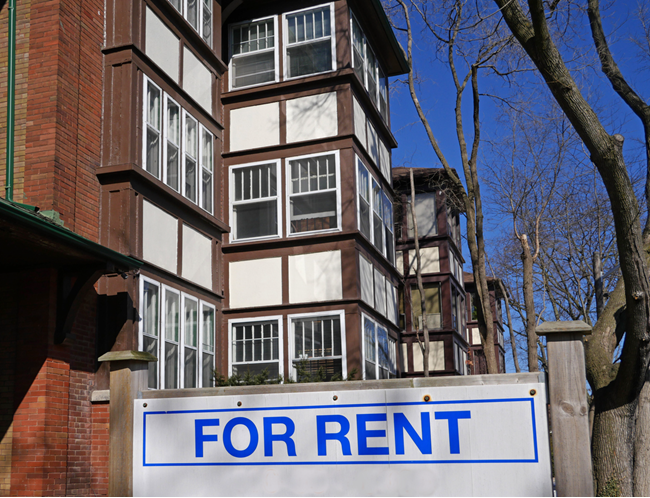
Noisy tenants can be a real headache for landlords so here are some suggestions in 7 ways to handle noise complaints in rental housing

Noisy tenants can be a real headache for landlords so here are some suggestions in 7 ways to handle noise complaints in rental housing the right way.

By James Durr

If you are the landlord of a property that is home to multiple tenants, or if the building you own is located close to other properties, it is possible that you will receive noise complaints. These complaints may be from members of the local community about your tenants or vice versa, or from different tenants about one another.

Let’s explore how to resolve these complaints about noisy tenants and ensure that tenants and local residents are able to enjoy a peaceful and relaxing experience in and around your rental housing.

Preventing Complaints About Noisy Tenants

Ideally, you should already have taken steps to prevent major sound bleed between and from your rental properties.

If possible, when renovating a property, extensive soundproofing should be included in the budget. You should consider installing acoustic insulation in walls, floors and ceilings, and selecting soundproof doors and windows.

It is also highly advisable to include a noisy tenants clause in any tenancy agreement you produce. This means that, upon signing the document, a tenant agrees that if they are to make excessive noise – particularly during any specified hours – they will be in breach of their contract.

What to Do if You Receive Noise Complaints: 7 Steps

1. Accept the Noise Complaints Graciously and Act Immediately

It’s important that your building is able to maintain a good reputation, and that the tenants who live there  –  and the residents of the local area  – are able to enjoy a positive relationship.

“To this end, if someone comes to you with a noise complaint, show that you are sympathetic to their problem. You should also let them know that you will take steps to resolve the issue straight away,” comments auctioneer and fast home buyer James Durr of Property Solvers.

It may be that the individual making the complaint has already spoken to the “perpetrator.” It’s a good idea to check whether this is the case before doing so yourself. After all, this will give you a clearer idea of how they are likely to respond to you.

2.     Check with Other Neighbors and Tenants

It’s best to corroborate any claims of excessive noise with others who may be affected before taking action.

If you receive a complaint, you may consider checking with other residents nearby to see if they too have been disturbed by the same incidents.

Of course, different people are affected by noise in different ways  –  and sound travels differently from space to space  –  so some individuals may be less troubled by the situation than others.

3.     Look into the Cause of the Noise Complaints

If there is a specific type of sound that is causing problems, there may be a way to resolve the matter in a manner that suits all parties.

Some loud sounds, such as a baby crying or a dog barking, can be difficult to prevent. However, if it appears that the repeated noise is the result of neglect or abuse, this must be reported to the relevant authorities immediately.

7 ways to handle noise complaints in rental property and housing and deal with noisy tenants
If there is a specific type of sound such as running children that is causing problems, there may be a way to resolve the matter in a manner that suits all parties.

In many cases of animal abuse, the owner may be prevented from keeping pets for a number of years in the future. This means that not only will the current animal be spared any further cruelty, but also that the tenant will not be permitted to replace it.

Of course, it’s extremely important that you do not make baseless claims of neglect or abuse just to resolve a noise complaint. Look into the issue as much as you can yourself before deciding to take action of this kind.

4.     Ask the “Noisy” Party to Make Changes

This step is easier to take if you have already included a noise clause in your rental housing agreement, as you can remind the noisy tenant of this fact and reiterate that they are currently in breach of their contract.

Explain to them that, if this continues to be the case, you would be within your right to ask them to remove the source of the noise from the rental property. Be sure to speak politely and allow them the opportunity to explain themselves; after all, there may be another side to the story.

Noisy tenants can be a real headache for landlords so here are some suggestions in 7 ways to handle noise complaints in rental property
Sometimes asking the tenant to make a few changes in their rental activity can help solve noise complaints.

5.     Get in Touch with a Mediator

If the individual in question refuses to make any changes or to discuss the matter with you in a civil manner, you may need to contact a professional mediator in order to resolve the problem.

Be sure you select an established and experienced specialist, and go to the meeting with an open mind.

6.     Report to Your Local Authority About Noise Complaints

By getting in touch with your local Environmental Health Department, you may be able to make a formal complaint and get a noise-abatement notice issued.

This course of action may be particularly helpful if you have neglected to include a noise clause in your tenancy agreement, but it is also applicable if your own tenants have made noise complaints about other residents of the local area.

7.     Eviction

If the tenant in question is the repeated subject of noise complaints, you may be within your right to evict them.

This may only be the case, however, if you have included a noise clause in the tenancy agreement, and if you have evidence of repeated breaches of that clause.

It is worth remembering that landlords themselves are not responsible for the noise made by their tenants, so no action can be taken against you unless you are the source of the disturbance. However, in order to ensure that your rental housing is a pleasant place to live and to build positive relationships with other local residents, it is always worth doing what you can to resolve problems of this kind.

By carefully vetting tenants, including a noise clause in your tenancy agreement and soundproofing your building, you may be able to avoid any noise complaints whatsoever in your rental housing.

About the author:

James Durr has been a property buyer and developer for almost two decades. As one of the co-founders of a leading United Kingdom homebuying firm, he knows how to speak effectively and empathetically with property owners and business owners to find genuine win-win solutions.


Dear Landlord Hank: Running Children Upstairs Disturbing Downstairs Tenant What Do We Do?

Sign Up For Our Weekly Newsletter And Get Rental Property And Apartment News And Helpful, Useful Content Each Week.

* indicates required

Rental Housing Journal Top Stories Of 2025

Rental Housing Journal top stories of 2025 that you the readers clicked on most often during the year from rental prices to ICE

Here are the Rental Housing Journal top stories of 2025 that you, the readers, clicked on most often during the year. Here are the top stories of 2025.

Rents Forecast to Rise in 2025 and 2026

New rents forecast data shows there will be an increase in rents in 2025 and 2026, ending the lower prices many renters have had recently

No Guns In My Apartments: Can A Landlord Say That And Put It In A Lease?

No guns in my apartments can a landlord say that?

Landlords: What To Do When ICE Arrives At Your Rental

ICE agents seek tenant information at apartment leasing offices saying it is a welfare check to make sure kids are not being trafficked

7 Ways To Handle Noise Complaints In Rental Housing

Noisy tenants can be a real headache for landlords so here are some suggestions in 7 ways to handle noise complaints in rental housing

How Do I Prove A Tenant Is Smoking Marijuana In Violation of Lease?

Tenant Smelling Marijuana in Apartment Hallway What Can We Do Landlord Hank

Washington State Rent Control: What Multifamily Property Owners and Investors Need to Know Now

Washington state rent control what multifamily property owners and investors need to know now about the new law

Thank you for being a loyal reader of Rental Housing Journal in 2025 and we look forward to serving you with helpful, useful information and news about rental housing issues in 2026.

Sign Up For Our Newsletter And Get Rental Housing and Apartment News And Helpful, Useful Content Each Week.

* indicates required

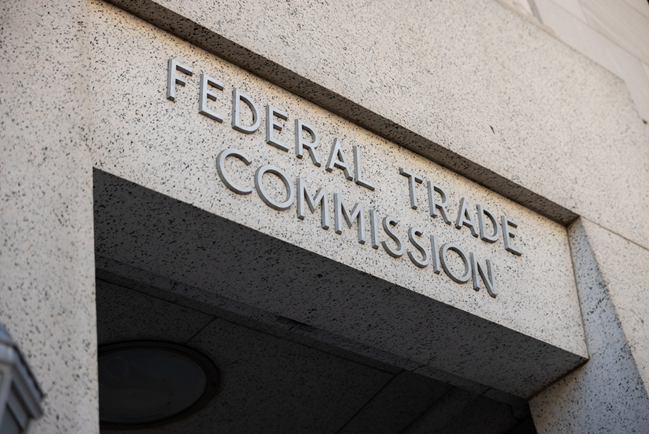
FTC Says Consumers Have Lost Millions to Rental Scams

The FTC says consumers have lost millions to rental scams and that people ages 18-29 were three times more likely to report losing money

The Federal Trade Commission (FTC) says consumers have lost millions to rental scams and that people ages 18-29 were three times more likely to report losing money than other adults, according to a release.

The analysis from the FTC shows that since 2020, consumers reported nearly 65,000 rental scams, many of which originated from fake listings on sites such as Facebook and Craigslist, and with losses totaling about $65 million.

Rental scams usually involve fake rental listings, which can often look very real and copy information from legitimate listings but are posted with the scammer’s contact information on different sites, according to the FTC’s latest Consumer Protection Data Spotlight.

Many of these ads are found on social media sites. In fact, the FTC found that about half of people who reported a rental scam in the 12 months ending June 2025 said the scam originated with a fake ad on Facebook.

People ages 18 to 29 were three times more likely than other adults to report losing money to a rental scam.

Reports show these rental scams can take different forms including:

  • Scammers pressure consumers to provide money upfront before seeing the rental property in person.
  • Scammers push consumers to prove they are creditworthy by sending screenshots of their credit scores. They send consumers affiliate links to websites to sign up for a credit check for little cost, but this may enroll the consumer in a paid membership with recurring fees.
  • Scammers collect personal information from consumers such as their Social Security number, driver’s license or pay stubs to steal their identity.

Some ways to help avoid rental scams include searching for the rental address online to see if the same property is listed with different prices, contact information, or is listed as being for sale. Consumers should also avoid sharing personal information until they have agreed to rent a property. In addition, consumers should check out typical rents. If the advertised rent of a listing is much cheaper than rents for similar rentals in the same area, that could be a sign of a scam.

Sign Up For Our Weekly Newsletter And Get Rental Property And Apartment News And Helpful, Useful Content Each Week.

* indicates required

Winter Events: How Multifamily Owners Can Prevent Emergencies They Dread

Winter events can be operational, financial and sometimes legal emergencies so here is how multifamily owners can prevent emergencies.

Winter events can be operational, financial and sometimes legal emergencies so here is how multifamily owners can prevent winter emergencies.

By Aaron Kirk Douglas
Director of Market Intelligence
HFO Investment Real Estate

In our recent interview with Tysen Bodewig, marketing director, and Larry Goldade, co-owner of Kennedy Restoration, HFO dug into a topic owners don’t love to think about but absolutely must: winterization.

If you’ve ever watched 6 inches of water pour from a broken sprinkler riser, or seen a garden-style property turn into a sheet of ice because no one could find the shutoff valve, you know winter events aren’t  small inconveniences. They’re operational, financial, and sometimes legal emergencies.

Bodewig and Goldade have seen decades of freeze cycles in the Pacific Northwest, and their message to owners is clear: The difference between a disaster and a near-miss is almost always preparation.

Start Before the Temperature Drops

Owners often want a checklist. What does “winterizing a multifamily property” actually mean?

Goldade didn’t hesitate: “Right now, I’d be walking the property, figuring out where everything is at—shutoffs, water keys, and who handles what.” Too often, properties enter winter with:

  • New staff who don’t know where the valves are
  • No documented emergency plan
  • No one assigned to act during off-hours
  • No clarity about who can authorize expenditures

The lack of planning creates panic when something breaks. As Goldade put it, “They hit panic mode, and then they start struggling. . . who makes the decisions on what, where, and for whom?” The remedy is simple: Walk, document, label, and train before the first freeze.

Where Buildings Fail First: Sprinkler Lines, Stairwells, Attics

Newer buildings are better insulated—but ironically, new construction is where most catastrophic freeze failures now occur. Bodewig explained why: “Most new buildings have sprinkler fire-suppression systems in areas that aren’t heated. When the wind blows cold air into these cavities, that’s when you get the break and the freeze.” Owners often assume their biggest freeze risks are old domestic water lines. Actually, the highest-impact failures are sprinkler mains. And when they rupture, the damage is catastrophic:

  • A broken ½-inch pipe releases gallons per minute.
  • A broken 6-inch sprinkler line releases gallons per second.

“It’s a whole different level of problem,” Bodewig warned.

The Fix: Keep Air Moving—and Keep It Warm

In freeze conditions, the Kennedy team often recommends:

  • Opening ceiling tiles to circulate warm air
  • Pumping heated air into stairwells and breezeways
  • Identifying all sprinkler lines close to exterior walls
  • Adding insulation where feasible

It isn’t glamorous work. But it prevents million-dollar losses.

Preventative Assessments: The “Know Your Building” Audit

When asked what owners should evaluate before winter, both men answered the same way: “Everything.”

Bodewig described Kennedy’s approach: “You’ve got to look at every aspect—attics, airflow, mold, ventilation, electrical, plumbing, fire suppression. You never know which subcontractor you’re going to need.”

They also recommended completing asbestos and lead-based paint surveys in advance. It’s not glamorous, but when an emergency happens, waiting three days for lab results costs money, occupancy days, and additional damage.

“Secondary damage actually does more damage than the first run,” Goldade noted.  It’s what sits wet for days that becomes the bigger issue.”

Winter events can be operational, financial and sometimes legal emergencies so here is how multifamily owners can prevent emergencies.

The Owner Mistakes They See Most Often 

Asked about the biggest mistakes owners make when preparing for winter, Goldade laughed: “They roll the dice a lot. They gamble on, ‘Is it going to be cold?’ ”

Oregon encourages this kind of magical thinking.

It snows, and it melts the next day. Until it doesn’t.

Goldade offered a vivid example of a property that does everything right: “Anytime it gets below freezing, they put ice melt on the walkways… They are jumping ahead of the curve.”

Owners who take winter seriously don’t just avoid emergencies; they avoid liability, tenant injuries, and long-term insurance consequences.

Insurance: More Complicated, More Expensive—And More Important Than Ever

With rising premiums and dramatic increases in deductibles, many owners are deciding whether to self-insure minor incidents.

Kennedy sees this every week.

Goldade explained that owners sometimes prohibit the restoration firm from speaking directly with the insurance adjuster—an efficiency killer.

“If they would talk to us and let us explain why we’re doing what we’re doing, it goes much smoother. Most insurance adjusters have never built a house in their lives.”

The mismatch of expertise can delay approvals, slow work, and increase loss.

Kennedy’s team prefers to speak directly to the carrier because they already know what documentation, moisture readings, itemization, and photographs insurers require.

Bodewig added another operational headache: “If a resident shuts off a drying machine because it’s ‘too loud,’ it causes more secondary damage and slows everything.”

This is why trained technicians—and clear communication protocols—matter.

Are Owners Filing Fewer Claims? Yes. And It’s Changing the Industry

With insurance costs skyrocketing, more owners are choosing to handle minor losses themselves.

“We’re seeing companies buy their own equipment—fans, dehumidifiers, moisture meters—to handle small water losses,” Goldade said.

But he warned that this only works for very small incidents.

When a loss spreads across multiple floors, a professional must be called in. And when they are, the single most important question is whether the owner intends to make an insurance claim—everything about the restoration process changes based on that decision.

“The faster they know what they want, the easier it is to stop costing them more money,” Bodewig emphasized.

What To Do When a Winter Emergency Hits

If there was one part of the conversation every owner should memorize, it’s what should happen when those 9:00 p.m. Friday emergency calls come in. Goldade described it plainly:

  1. Call the restoration firm immediately.
  1. They arrive and stabilize the situation—minimizing disturbance to tenants when possible.
  1. They perform moisture and air testing.
  1. They determine whether evidence must be preserved for subrogation. (“We might have to lock up a water heater in our facility so investigators can inspect it.”)
  1. The owner decides—quickly—whether this is an insurance claim.
  1. The restoration work proceeds with proper documentation.

The longer the delay, the higher the cost. Not just in dollars, but in lost rent, tenant displacement, and preventable secondary damage.

The Takeaway for Multifamily Owners and Investors

If winterization had a slogan, it would be this: Preparation is cheap. Winter emergencies are not. So, in short:

  • Know your buildings.
  • Know your shutoffs.
  • Know your policies.
  • Know who’s authorized to call for help.

And, if you do need help, know that firms like Kennedy Restoration have seen every version of winter disaster—and know how to get buildings livable again fast.

As I listened to Bodewig and Goldade, one thought stayed with me: Winter isn’t the real threat. Unpreparedness is.

Kennedy Restoration specializes in restoring multifamily properties damaged by fire, water, wind, vandalism, and other natural and manmade disasters. They can be reached 24/7 at (503) 234-0509 or www.kennedyres.com

About the author:

Winter events can be operational, financial and sometimes legal emergencies so here is how multifamily owners can prevent emergencies.

Aaron Kirk Douglas is a multifaceted storyteller and market analyst. His career spans journalism, creative nonfiction, filmmaking, and real estate research. He serves as Director of Market Intelligence at HFO Investment Real Estate/GREA, the Pacific Northwest’s leading multifamily brokerage.

Sign Up For Our Weekly Newsletter And Get Rental Property And Apartment News And Helpful, Useful Content Each Week.

* indicates required

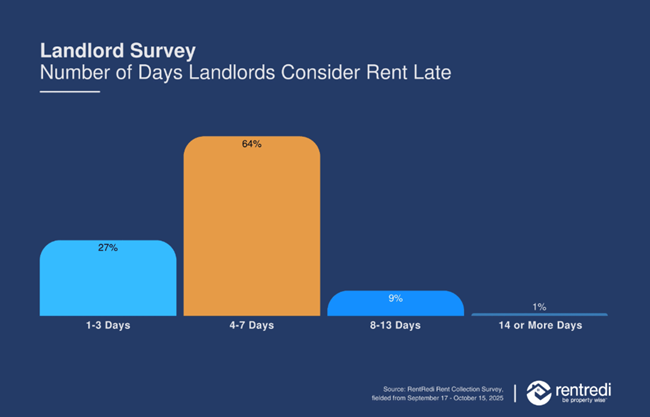
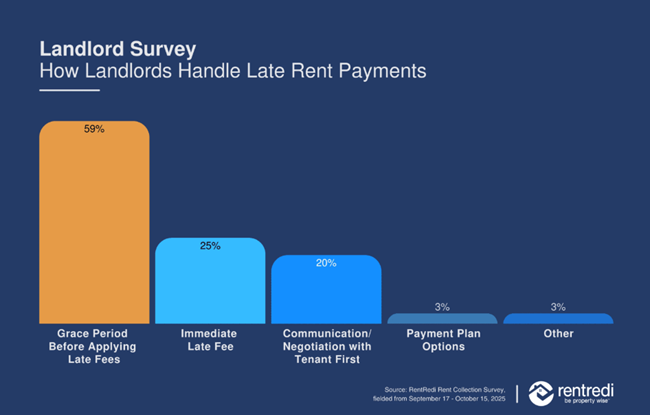
Landlord Anxiety Rising About Late Rent Payments

Landlord anxiety is rising about late rent payments and here is a new study that show four tools that can help tenants pay on time. 

Landlord anxiety is rising about late rent payments and here is a new study that shows four tools that can help tenants pay on time. 

A new study offers data-backed insight into what actually helps tenants pay on time and how landlords can apply those findings to strengthen their operations, according to a release from RentRedi.

Landlord anxiety is rising about late rent payments and here is a new study that show four tools that can help tenants pay on time. 

With affordability pressures, economic uncertainty, and heightened concern about rent reliability, this survey shows that the solution isn’t guesswork — it’s structure, according to the release.

“The same tools tenants say help them pay on time are the tools that measurably improve outcomes for landlords. This data offers a rare look at where landlord concerns and renter habits intersect, and how technology is changing that relationship,” according to the study.

Landlord anxiety is rising about late rent payments and here is a new study that show four tools that can help tenants pay on time. 

Key takeaways from the survey include:

  • Landlord anxiety is rising:
    • In joint RentRedi–BiggerPockets surveys, 41% of rental investors say they’re more concerned about tenants not paying rent than last year, even though 45% report no increase in late or unpaid rent.
  • Landlords and tenants agree on what works:
    • Automatic rent reminders ranked as the most helpful tool for on-time payments for both groups.
    • 44% of tenants say reminders help them stay on track, while over half of landlords rely on them to encourage timely rent.
  • Autopay delivers measurable results:
    • 41% of landlords offer autopay to encourage on-time payments.
    • RentRedi platform data shows units with tenants enrolled in autopay achieve a 99% on-time rent rate, compared with 87% for those without.
  • Incentives matter — and credit reporting stands out:
    • Among landlords who incentivize on-time rent, more than 70% use credit reporting.
    • Reporting on-time rent leads to a 13% increase in on-time payments, helping renters build credit while improving consistency for owners.
  • Payment preferences are shifting with technology:
    • RentRedi tenants show far stronger adoption of digital payments, including credit and debit cards, compared with what landlords report across the broader market—highlighting how mobile-first tools can reshape renter behavior.

Landlord anxiety is rising about late rent payments and here is a new study that show four tools that can help tenants pay on time. 

Conclusion

The survey concludes that when landlords build structured systems around rent collection, “everyone benefits. Renters gain predictable tools that support their monthly routines, and owners strengthen the financial backbone of their portfolios.

“Autopay, reminders, credit reporting, and mobile-first payments aren’t just features—they’re the smart path to steadier cash flow and a more confident renting experience for both sides.”

Landlord anxiety is rising about late rent payments and here is a new study that show four tools that can help tenants pay on time. 

Read the full report here.

Sign Up For Our Weekly Newsletter And Get Rental Property And Apartment News And Helpful, Useful Content Each Week.

* indicates required

Technology And Innovation Now a Top Challenge

Real estate professionals say adopting technology and innovation is one of the top three challenges, passing up human resources and staffing

Real estate professionals say adopting technology and innovation has now risen to one of their top three challenges, passing up human resources and staffing, according to a new study.

The new survey of nearly 2,000 real estate industry professionals was done by AppFolio, a property management software platform, in partnership with the National Apartment Association (NAA) between July 16 and August 4, 2025.

Operational strain

“The largest threat to property performance today isn’t demand, it’s operational strain,” NAA CEO Bob Pinnegar said in a release. “At such a crucial time for our industry – where property teams are being asked to operate more strategically than ever – this timely analysis sheds light on constraints like staffing challenges, fragmented systems and reactive workflows.”

“Long-term performance will depend on how well the industry aligns teams, technology and the customer experience, and we are grateful for the opportunity to work with AppFolio to analyze and leverage these insights to address challenges moving forward,” Pinnegar said.

Routine and reactive tasks

The survey found that real estate leaders spend the majority of their time on routine operational work (42%) and reactive tasks (24%) but aspire to spend much more time on strategic, performance-driven work. It would seem that AI could help with that, but respondents weren’t convinced.

“The real barrier to performance and ROI in real estate is not the potential of AI, but the limitations of legacy, task-based property management systems (PMS),” said Cat Allday, vice president of product for Appfolio, in the release.

“Traditional PMS is built on fragmented technology and silos, creating a data disconnect.”

Falling Short of AI’s Full Potential

Real estate professionals say adopting technology and innovation is one of the top three challenges, passing up human resources and staffing

The survey says AI adoption is widespread; however, its full potential to generate strategic value for property managers remains largely untapped. There is a clear opportunity for property managers to embrace AI-native technology that creates a unified experience and drives true performance:

  • The majority of respondents use general-purpose AI tools (53%) like ChatGPT and Gemini, and 43% use AI features embedded in their property management software.
  • With 77% of companies already reporting overall performance improvements – largely driven by generative AI – the industry is seeing the beginning of what is possible. Widespread adoption of AI capable of executing complex workflows is poised to take these gains even further.

Read the full report here.

Sign Up For Our Weekly Newsletter And Get Rental Property And Apartment News And Helpful, Useful Content Each Week.

* indicates required

Why Training Holds More Value in 2026 As HUD’s Oversight Shifts

Training will hold more value in 2026 as HUD oversight changes and shifts, budgets are tightened, and a new enforcement landscape takes shape

Training will hold more value in 2026 as HUD oversight changes and shifts and tightened budgets impact the cost of training plus a new enforcement landscape takes shape.

By The Fair Housing Institute

The conversation around cost management and compliance in property operations has always been delicate, but as we step into 2026, the connection between the two has never been more significant.

The familiar saying “penny-wise and pound-foolish” continues to play out across the industry as companies attempt to reduce expenses without fully understanding the long-term financial consequences.

In a year defined by shifting oversight, tightened budgets, and new enforcement dynamics, the cost of inadequate training has only become more apparent.

A New Enforcement Landscape Taking Shape for 2026

After the major operational and staffing changes that affected HUD throughout 2025, many believed the natural outcome would be fewer investigations and a lighter regulatory footprint.

Yet the opposite has unfolded. While HUD faced funding reductions and internal restructuring, its recalibrated priorities created a ripple effect across the entire fair-housing enforcement network.

Partnerships between HUD and the Department of Justice expanded, referrals to state civil rights agencies increased, and fair-housing advocacy organizations continued their testing initiatives without pause.

Private law firms also remained active, initiating large-scale complaints that span city and state lines.

As the industry moves into 2026, enforcement is no longer dependent on HUD alone. Companies that assume a reduced federal workforce translates into reduced risk, misunderstand how today’s enforcement structure operates.

The reality is that oversight has become more distributed, not diminished.

The Financial Realities Behind Compliance in 2026

Every property management professional understands the pressures of managing operational budgets.

Training can be among the first areas scrutinized when leadership seeks to reduce costs, but this approach often leads to far greater expenses down the road. Industry experts have consistently seen companies hesitate to invest in training, only to return months or years later when faced with a fair housing complaint. By then, the costs associated with investigations, legal fees, and settlements are exponentially higher.

Fair housing complaints remain far more common than many realize.

With tens of thousands of complaints filed annually, the likelihood of encountering one is substantial. Even though these cases rarely dominate media headlines, they remain a constant source of liability for unprepared organizations.

As companies head into 2026, the financial risk of non-compliance is only increasing.

Why HUD’s 2025 Changes Make Training Even More Critical

As HUD transitions into 2026 with a refined operational model, the expectation for industry preparedness remains unchanged.

Employees are still required to conduct themselves in a compliant manner, and companies remain responsible for setting the conditions that enable consistent compliance. Training becomes the practical tool that bridges this expectation, ensuring that every employee—not just leadership—understands their role in reducing risk.

Training as the Most Effective Preventative Measure for 2026

In the new year, the companies best positioned for success will be those that treat fair-housing training as an essential part of their compliance and risk management framework.

Training must be continuous, up-to-date, and reflective of current enforcement patterns. Annual training has become a standard across larger firms, but the most effective programs also incorporate diverse topics and real-world scenarios that resonate with day-to-day operations.

Training is far more than a regulatory requirement. It is the strategy that prevents inconsistent practices from turning into violations. It is the foundation that ensures new employees understand expectations early. It is the safeguard that helps seasoned employees stay aware of changes that affect their daily responsibilities. In a year when litigation pressure remains high, training is the only scalable way to reduce liability at every level of the organization.

Setting the Tone for 2026 and Beyond

As the industry enters 2026, it is becoming clear that fair-housing compliance is not simply an operational obligation but a long-term business investment.

Companies that recognize this—those that emphasize learning, documentation, and consistent reinforcement—are far better equipped to navigate evolving expectations and avoid the escalating costs associated with non-compliance.

Training is not optional in this environment. It is a structural necessity that supports the organization’s financial health, protects employees, and safeguards entire portfolios from preventable risk.

The most intelligent decision a property management company can make in 2026 is to position training at the center of its compliance program. It is a choice that strengthens resilience, reduces liability, and supports long-term stability in an industry where preparedness is the only proper cost-saving strategy.

About the author:

In 2005, The Fair Housing Institute was founded as a company with one goal: to provide educational and entertaining fair-housing compliance training at an affordable price at the click of a button.

Sign Up For Our Weekly Newsletter And Get Rental Property And Apartment News And Helpful, Useful Content Each Week.

* indicates required

Legal Scrutiny of Support Animals Is Rising — But the Real Issue Is Pet-Inclusive Housing

Legal scrutiny of support animals is rising but people don't misrepresent animals to gain advantage as rental housing often leaves no choice

Legal scrutiny of support animals is rising but people aren’t misrepresenting an animal to gain an unfair advantage it is because the rental housing system leaves them no other choice.

By Pet-Inclusive Housing Initiative

Across the United States, emotional support animals (ESAs) and service animals are receiving heightened legal attention — from federal guidance changes to new state-level laws.

Headlines often focus on misrepresentation, cracking down on abuse of ESA policies, and tightening rules for disability-related accommodations.

But at the Pet-Inclusive Housing Initiative (PIHI), we see an important truth getting lost in this debate: Most people aren’t misrepresenting an animal to gain an unfair advantage. They’re doing it because the rental-housing system leaves them no other choice.

If more housing providers eliminated breed and size restrictions and stopped charging pet fees, many renters wouldn’t feel backed into a corner. The real solution isn’t deeper policing of ESAs — it’s removing the barriers that make misrepresentation feel like the only path to stable housing with a beloved pet.

Four recent developments illustrate why this conversation is more urgent than ever.

  1. HUD Rescinds Key Guidance on Assistance Animals, Creating Uncertainty for Renters with ESAs

HUD’s Office of Fair Housing and Equal Opportunity (FHEO) recently rescinded two major guidance documents:

  • FHEO 2020-01Assessing a Person’s Request to Have an Animal as a Reasonable Accommodation Under the FHA
  • FHEO Notice 2013-01Service Animals and Assistance Animals for People with Disabilities in Housing and HUD-Funded Programs

These documents — not the Fair Housing Act (FHA) itself — have long served as the practical roadmap for housing providers on how to handle reasonable accommodation requests for ESAs. They helped clarify:

  • That ESAs cannot be subject to breed, weight, or size restrictions
  • That landlords cannot charge additional pet fees, deposits, or “pet rent” for ESAs
  • How to evaluate disability-related need and documentation

By withdrawing this guidance, HUD has removed the interpretive framework that ensured consistent application of ESA protections. While the core protections of the FHA still apply, the guardrails that shaped everyday decision-making are now gone.

This creates enormous uncertainty:

  • Will landlords begin applying breed or size restrictions to ESAs?
  • Will new fees be imposed?
  • Will ESA-accommodation requests become harder to navigate and more inconsistently evaluated?

For renters who rely on ESAs — especially those whose animals fall outside typical apartment pet policies — the stakes are high. Without clear federal guidance, the risk of inconsistent or overly restrictive local practices grows.

  1. A Louisiana Federal Court Allows Landlords to Charge Pet Fees for ESAs — Signaling a Post–Loper Bright Shift

On July 16, 2025, the Eastern District of Louisiana issued a significant ruling in Henderson v. Five Properties LLC. The court held that:

  • Landlords may impose a generally applicable pet fee on ESAs, as long as the fee applies uniformly to all animals.
  • ESA owners must demonstrate that waiving the fee is necessary for their disability-related accommodation.
  • Past HUD guidance barring fees for ESAs is not binding — a position amplified by the 2024 Supreme Court decision in Loper Bright Enterprises v. Raimondo limiting agency deference.
  • Waivers remain available, but only when they clearly meet the FHA’s high standard for reasonable accommodations.

While this ruling currently applies only in Louisiana, its reasoning could spread quickly as other courts grapple with Loper Bright’s ripple effects.

The message is clear: ESA protections remain intact, but the threshold for securing certain accommodations may now be higher.

At PIHI, we’ve long argued that this fee-focused approach misses the bigger picture. Roughly two-thirds of U.S. households include an animal, making pets important family members. Policies that treat pet ownership as a privilege reserved for those who can pay premiums only deepen inequity. As courts reexamine the boundaries of disability accommodations, it becomes even more essential to build rental housing policies that don’t force people with pets into legal grey areas.

  1. Iowa’s and Wisconsin’s Focus on Service Animal Misrepresentation Reflect a Larger National Trend

recent news story from Iowa highlights how cities are adjusting to a new state law increasing penalties for misrepresenting a service animal. These laws are often framed as necessary to protect people who rely on legitimate service animals — and that’s a real concern.

Now add to this: In Wisconsin, the State Assembly and Senate have both passed a bill that would impose a fine of $200 for falsely claiming a service animal and $500 for providing false documentation of an emotional support animal (ESA).

But there’s a deeper issue here that isn’t getting enough attention.

People rarely misrepresent an animal “just because.” More often, misrepresentation is a symptom of a restrictive housing landscape where:

  • Breed, size, and weight restrictions bar families from most rental options
  • Pet fees and deposits price people out of stable housing
  • Some renters face losing not only their home, but also their companion animal

When renters feel trapped between housing instability and surrendering a family member, misrepresentation becomes, for some, the only perceived option. Penalizing the behavior without addressing the underlying causes is like treating a fever while ignoring the infection.

Pet-inclusive housing policies dramatically reduce incentives for misrepresentation. When housing providers welcome pets — without unnecessary fees or discriminatory restrictions — renters no longer need to navigate a confusing system or consider dishonest workarounds to stay housed with their companion animals.

  1. The ESA System Itself Reflects a Bigger Problem: Housing Policy Hasn’t Caught Up with Modern Pet Families

As recent scholarship highlights, the rise in ESA designations — and the backlash against them — stems from a deeper policy lag in how society treats companion animals. The legal framework for ESAs effectively medicalizes a common human–animal bond, forcing renters to obtain a mental health diagnosis simply to keep a pet in housing that otherwise bans or restricts them.

Research shows that housing barriers are a driver of ESA requests, with many renters pursuing documentation as a last resort when faced with breed restrictions, weight limits, or unaffordable pet fees. This creates a two-tiered system: People without a diagnosed disability are pushed to “medicalize” normal emotional-support needs, while people with legitimate service animals experience increased doubt and scrutiny fueled by concerns over “fake” ESAs.

The Bigger Picture: Misrepresentation Isn’t the Problem — Barriers Are

Across all four developments — federal uncertainty, shifting court interpretations, new state-level penalties (in Iowa and now likely in Wisconsin), and the deeper structural critique of the ESA system — one truth stands out: the system is tightening around ESAs and service animals without addressing why misrepresentation and accommodation disputes keep happening in the first place.

People aren’t seeking ESA letters to exploit a loophole. They’re doing it because the current housing landscape often forces them into a medical system that was never designed to regulate family life. Outdated policies — breed and size bans, high pet fees, and limited pet-inclusive housing options — push renters into pathways that pathologize the ordinary human-animal bond and increase scrutiny for those who rely on legitimate service animals.

At PIHI, our stance is simple: If pet-inclusive housing were the norm — with no breed or size restrictions and no punitive fees — the demand to misrepresent an animal would shrink dramatically.

Most renters want to follow the rules. But the rules themselves often make it nearly impossible to keep a pet, even when the animal is well-behaved, beloved, and essential to a family’s stability and well-being.

By reducing or eliminating unnecessary pet restrictions, housing providers can:

  • Reduce fraud and misrepresentation
  • Increase compliance with legitimate service and ESA accommodation processes
  • Lower administrative burdens
  • Improve resident satisfaction and stability
  • Create healthier, more connected communities

Where We Go from Here

As legal scrutiny grows — from HUD’s withdrawn guidance to post-Loper Bright court rulings to state-level misrepresentation laws (including Iowa and Wisconsin) — one thing is clear: we cannot regulate our way out of misrepresentation if we don’t fix the root cause.

A housing ecosystem that welcomes pets is a housing ecosystem that:

  • Supports mental and emotional well-being
  • Reduces pressure on disability-accommodation pathways
  • Ensures fairness and safety for residents who rely on trained service animals
  • Promotes stability for families and the animals they consider part of that family

PIHI remains committed to advancing pet-inclusive housing solutions that eliminate the need for misrepresentation. The more we align housing policy with the lived reality of multispecies families, the fewer renters will feel forced into medical or legal grey areas just to keep their loved ones with them.

About the author:

The Pet-Inclusive Housing Initiative  was founded by Dr. Gary Michelson. He started Found Animals in the aftermath of Hurricane Katrina. Found Animals established the first free microchip registry to help lost pets find their way home. With a commitment to continue keeping people and pets together, he turned to the next scalable solution: increasing the availability of truly pet-inclusive housing.

Sign Up For Our Weekly Newsletter And Get Rental Property And Apartment News And Helpful, Useful Content Each Week.

* indicates required

FTC Warns 13 Property Management Companies

The FTC sent letters warning 13 property management companies they may be violating the law if they do not convey accurate pricing information

The Federal Trade Commission (FTC) has sent letters warning 13 property management companies they may be violating the law if they inhibit rental property managers and owners from conveying accurate pricing information when marketing rental housing to consumers, according to a release.

“If software providers hinder the flow of accurate pricing information in rental listings, those providers may be depriving consumers of the ability to make informed purchasing decisions, negatively affecting market efficiency,” the letters say, according to the release.

The letters come after the FTC announced that Greystar, the nation’s largest multifamily rental property manager, agreed to pay $23 million to the FTC and $1 million to the state of Colorado for allegedly deceiving consumers about rental prices.

“The FTC is committed to rooting out anticompetitive, unfair, and deceptive acts or practices in the rental housing market,” said Christopher Mufarrige, director of the FTC’s Bureau of Consumer Protection, in the release.

“Companies need to compete on price and consumers need accurate and non-deceptive information to make the best-informed decisions possible.”

Warning Letters To Property Management

The letters note that available information suggests that property-management software providers are limiting the ability of rental-property managers and owners to accurately advertise total monthly rental prices by failing to include all mandatory fees in the price. Doing so may cause consumers harm by preventing potential renters from getting complete pricing information on property owners’ and managers’ websites and internet listing platforms.

The letters warn that companies engaging in such conduct may be subject to legal action and federal district court injunctions, as well as civil penalties of up to $53,088 per violation under the rules and regulations the FTC enforces.

The letters advise the companies to conduct a comprehensive review of their practices, including their website hosting platforms and software or coding that controls the flow of information to internet listing sites.

“We are monitoring the marketplace for potentially deceptive or unfair acts or practices relating to the marketing and advertising of rental housing and will take additional action as warranted,” the letters conclude, according to the release.

Sign Up For Our Weekly Newsletter And Get Rental Property And Apartment News And Helpful, Useful Content Each Week.

* indicates required

Missing Renters? How Immigrant Departures May Be Fueling Surge in Rental Vacancies

Landlords missing renters? Is the vacancy story about more than supply as immigrant departures may be fueling some surge in rental vacancies

Landlords missing renters? Is the vacancy story about more than supply as immigrant departures may be fueling some of the surge in rental vacancies? An opinion piece by August Wilder Johnson.

By August Wilder Johnson

The U.S. rental market is entering a new phase—and it’s not just about new supply. Amid a historic surge in apartment construction and moderating rents, a quieter but critical shift is reshaping housing demand: America’s renter population is shrinking, in part because immigrants are leaving.

In the second half of 2025, the national rental vacancy rate climbed to 7.2%, its highest level since at least 2017, according to Apartment List’s December 2025 National Rent Report. One year earlier, the national vacancy rate hovered closer to 6.6%. The time it takes to lease a vacant unit has also doubled from 18 days in 2021 to 36 days in late 2025. These trends indicate a decisive shift from the white-hot rental market of the early 2020s, when low vacancy and bidding wars were the norm.

Much of the current narrative around rising vacancies focuses on record-breaking supply: More than 600,000 new multifamily units were delivered in 2024, with even more expected through 2025. But the demand side of the equation is increasingly shaped by national immigration policy. And this year, the pipeline of new renters from abroad has not just slowed—it has reversed.

A Vanishing Tenant Base

The Department of Homeland Security reports that more than 2 million immigrants have exited the United States in 2025, including both deportations and voluntary departures 1. This figure includes approximately 548,000 formal removals by federal immigration authorities between January and October 2025, with expectations of surpassing 600,000 by year’s end—a modern record. In addition, roughly 1.6 million undocumented immigrants have “self-deported” since January, leaving the country without formal removal proceedings 2.

These removals coincide with a broader population shift. Pew Research Center data show that the total U.S. foreign-born population declined from 53.3 million in January 2025 to 51.9 million by June, a drop of 1.4 million—the first such decline in over half a century. Most of this outflow came from undocumented immigrants, although legal immigration inflows have also slowed under tighter federal policies.

Given that immigrants disproportionately rent rather than own—especially in their first years in the country—the impact on multifamily demand is direct. With a shrinking pool of immigrant households, landlords in many metro areas are seeing units sit vacant longer than projected.

Demand Deficit Meets Supply Boom

Vacancy rates are climbing at a time when the country is still digesting the largest apartment construction boom in a generation. As of early November, more than 950,000 units were under construction nationally, according to Yardi Matrix. Additionally, the pipeline included more than 4.6 million units in the planning and permitting stages.5

Stephen Miran, a Federal Reserve Board appointee in 2025, argued that the decline in immigration would “free up more housing and lower rental costs” by reducing pressure on the market 4. As a result, housing analysts warn that even modest overbuilding—when paired with a demographic slowdown—can quickly lead to elevated vacancy rates, softened rent growth, and greater pressure on operating margins.

Vacancy’s Double-Edged Sword

For renters, higher vacancies may sound like good news—and in the short term, it is. National median rents were down about 1.1% year-over-year as of December 2025, according to Apartment List. That marks the first annual rent decline in nearly five years, offering relief after years of relentless increases.

But industry experts warn that the longer-term implications of a shrinking renter population are more complicated. Immigrants don’t just fill apartments — they build and maintain them and support local economies. Continuing outflows could lead to labor shortages in construction and property maintenance. In addition, we may see a slower economy and a decline in the feasibility of new projects.

Alex Nowrasteh, vice president for economic and social policy studies at the Cato Institute, said, “If millions of undocumented immigrants were suddenly removed, they’d leave behind a lot of empty houses and apartments,” causing housing demand to fall accordingly 6. Similarly, research from the Urban Institute emphasized that immigrants made up more than 23 percent of the construction workforce in 2023, with about half being undocumented 7.

The Road Ahead

If immigration policies remain tight and voluntary departures continue, the U.S. could face a prolonged period of flat or declining population growth—something that hasn’t happened in modern history without a major recession or pandemic.

For now, multifamily operators are adjusting by:

  • Offering concessions
  • Re-evaluating lease-up timelines, and
  • Closely watching household formation statistics

As 2026 approaches, one thing is clear: The vacancy story is no longer just about supply—it’s also about who’s still here to rent.

Citations

Footnotes

  1. Fox News, “Deportations under Trump surge past 500K in 2025,” October 2025.
  2. Department of Homeland Security internal estimates.
  3. Pew Research Center, “What the data says about immigrants in the U.S.,” August 2025.
  4. Associated Press, “Trump’s Federal Reserve appointee seeks steeper rate cuts,” September 2025.
  5. Multi-Housing News, December 2025.
  6. Yield Pro, “Mass deportations loom for apartments,” February 2025.
  7. Urban Institute, “Mass Deportations Would Worsen Our Housing Crisis,” February 2025.

About the author:

August Wilder Johnson is an expert in commercial real estate investment.

Sign Up For Our Weekly Newsletter And Get Rental Property And Apartment News And Helpful, Useful Content Each Week.

* indicates required