
Winter events can be operational, financial and sometimes legal emergencies so here is how multifamily owners can prevent winter emergencies.
By Aaron Kirk Douglas
Director of Market Intelligence
HFO Investment Real Estate
In our recent interview with Tysen Bodewig, marketing director, and Larry Goldade, co-owner of Kennedy Restoration, HFO dug into a topic owners don’t love to think about but absolutely must: winterization.
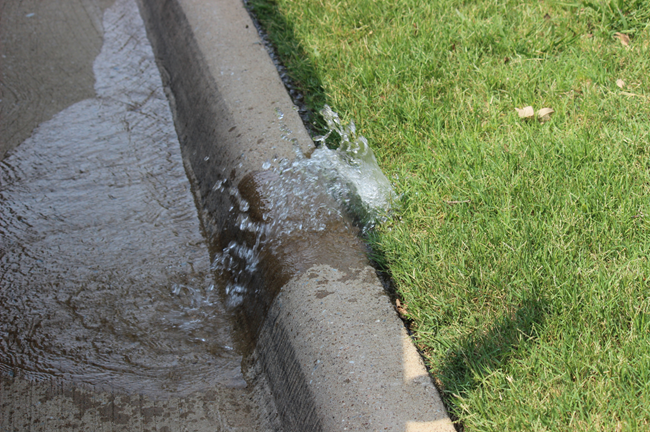
If you’ve ever watched 6 inches of water pour from a broken sprinkler riser, or seen a garden-style property turn into a sheet of ice because no one could find the shutoff valve, you know winter events aren’t small inconveniences. They’re operational, financial, and sometimes legal emergencies.
Bodewig and Goldade have seen decades of freeze cycles in the Pacific Northwest, and their message to owners is clear: The difference between a disaster and a near-miss is almost always preparation.
Start Before the Temperature Drops
Owners often want a checklist. What does “winterizing a multifamily property” actually mean?
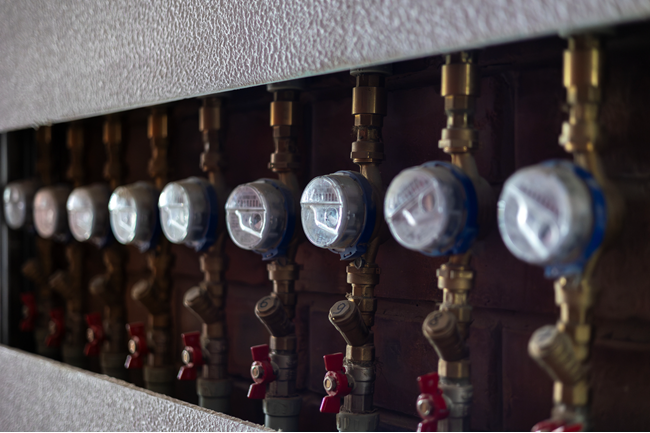
Goldade didn’t hesitate: “Right now, I’d be walking the property, figuring out where everything is at—shutoffs, water keys, and who handles what.” Too often, properties enter winter with:
- New staff who don’t know where the valves are
- No documented emergency plan
- No one assigned to act during off-hours
- No clarity about who can authorize expenditures
The lack of planning creates panic when something breaks. As Goldade put it, “They hit panic mode, and then they start struggling. . . who makes the decisions on what, where, and for whom?” The remedy is simple: Walk, document, label, and train before the first freeze.
Where Buildings Fail First: Sprinkler Lines, Stairwells, Attics
Newer buildings are better insulated—but ironically, new construction is where most catastrophic freeze failures now occur. Bodewig explained why: “Most new buildings have sprinkler fire-suppression systems in areas that aren’t heated. When the wind blows cold air into these cavities, that’s when you get the break and the freeze.” Owners often assume their biggest freeze risks are old domestic water lines. Actually, the highest-impact failures are sprinkler mains. And when they rupture, the damage is catastrophic:
- A broken ½-inch pipe releases gallons per minute.
- A broken 6-inch sprinkler line releases gallons per second.
“It’s a whole different level of problem,” Bodewig warned.
The Fix: Keep Air Moving—and Keep It Warm
In freeze conditions, the Kennedy team often recommends:
- Opening ceiling tiles to circulate warm air
- Pumping heated air into stairwells and breezeways
- Identifying all sprinkler lines close to exterior walls
- Adding insulation where feasible
It isn’t glamorous work. But it prevents million-dollar losses.
Preventative Assessments: The “Know Your Building” Audit
When asked what owners should evaluate before winter, both men answered the same way: “Everything.”
Bodewig described Kennedy’s approach: “You’ve got to look at every aspect—attics, airflow, mold, ventilation, electrical, plumbing, fire suppression. You never know which subcontractor you’re going to need.”
They also recommended completing asbestos and lead-based paint surveys in advance. It’s not glamorous, but when an emergency happens, waiting three days for lab results costs money, occupancy days, and additional damage.
“Secondary damage actually does more damage than the first run,” Goldade noted. It’s what sits wet for days that becomes the bigger issue.”
The Owner Mistakes They See Most Often
Asked about the biggest mistakes owners make when preparing for winter, Goldade laughed: “They roll the dice a lot. They gamble on, ‘Is it going to be cold?’ ”
Oregon encourages this kind of magical thinking.
It snows, and it melts the next day. Until it doesn’t.
Goldade offered a vivid example of a property that does everything right: “Anytime it gets below freezing, they put ice melt on the walkways… They are jumping ahead of the curve.”
Owners who take winter seriously don’t just avoid emergencies; they avoid liability, tenant injuries, and long-term insurance consequences.
Insurance: More Complicated, More Expensive—And More Important Than Ever
With rising premiums and dramatic increases in deductibles, many owners are deciding whether to self-insure minor incidents.
Kennedy sees this every week.
Goldade explained that owners sometimes prohibit the restoration firm from speaking directly with the insurance adjuster—an efficiency killer.
“If they would talk to us and let us explain why we’re doing what we’re doing, it goes much smoother. Most insurance adjusters have never built a house in their lives.”
The mismatch of expertise can delay approvals, slow work, and increase loss.
Kennedy’s team prefers to speak directly to the carrier because they already know what documentation, moisture readings, itemization, and photographs insurers require.
Bodewig added another operational headache: “If a resident shuts off a drying machine because it’s ‘too loud,’ it causes more secondary damage and slows everything.”
This is why trained technicians—and clear communication protocols—matter.
Are Owners Filing Fewer Claims? Yes. And It’s Changing the Industry
With insurance costs skyrocketing, more owners are choosing to handle minor losses themselves.
“We’re seeing companies buy their own equipment—fans, dehumidifiers, moisture meters—to handle small water losses,” Goldade said.
But he warned that this only works for very small incidents.
When a loss spreads across multiple floors, a professional must be called in. And when they are, the single most important question is whether the owner intends to make an insurance claim—everything about the restoration process changes based on that decision.
“The faster they know what they want, the easier it is to stop costing them more money,” Bodewig emphasized.
What To Do When a Winter Emergency Hits
If there was one part of the conversation every owner should memorize, it’s what should happen when those 9:00 p.m. Friday emergency calls come in. Goldade described it plainly:
- Call the restoration firm immediately.
- They arrive and stabilize the situation—minimizing disturbance to tenants when possible.
- They perform moisture and air testing.
- They determine whether evidence must be preserved for subrogation. (“We might have to lock up a water heater in our facility so investigators can inspect it.”)
- The owner decides—quickly—whether this is an insurance claim.
- The restoration work proceeds with proper documentation.
The longer the delay, the higher the cost. Not just in dollars, but in lost rent, tenant displacement, and preventable secondary damage.
The Takeaway for Multifamily Owners and Investors
If winterization had a slogan, it would be this: Preparation is cheap. Winter emergencies are not. So, in short:
- Know your buildings.
- Know your shutoffs.
- Know your policies.
- Know who’s authorized to call for help.
And, if you do need help, know that firms like Kennedy Restoration have seen every version of winter disaster—and know how to get buildings livable again fast.
As I listened to Bodewig and Goldade, one thought stayed with me: Winter isn’t the real threat. Unpreparedness is.
Kennedy Restoration specializes in restoring multifamily properties damaged by fire, water, wind, vandalism, and other natural and manmade disasters. They can be reached 24/7 at (503) 234-0509 or www.kennedyres.com.
About the author:

Aaron Kirk Douglas is a multifaceted storyteller and market analyst. His career spans journalism, creative nonfiction, filmmaking, and real estate research. He serves as Director of Market Intelligence at HFO Investment Real Estate/GREA, the Pacific Northwest’s leading multifamily brokerage.