Home Blog Page 26

10 Insights From The NMHC Annual Meeting

Here are 10 insights from the National Multifamily Housing Council’s (NMHC) annual meeting courtesy of John Burns Real Estate Consulting.

Here are 10 insights from the National Multifamily Housing Council’s (NMHC) annual meeting courtesy of John Burns Real Estate Consulting.

By Becca Kirby, Oliver Radvin, and Chris Nebenzahl
John Burns Real Estate Consulting

The consulting team reported that the meeting had a tone reflecting “broader uncertainties” about the direction of the multifamily market

“We’ve compiled 10 key insights from the event, highlighting shifting investor strategies, emerging trends, and evolving market dynamics that are shaping the future of multifamily real estate,” the consultants write from their visit to the National Multifamily Housing Council meeting.

10 insights from the NMHC meeting

1. Industry sentiment: uneasy and pessimistic

“Marking a departure from typically positive conference vibes, brokers expressed particular concern about market conditions and price discovery challenges.”

2. The rise of international players

“The investor landscape is shifting, with international investors and family offices becoming more prominent players. Traditional 3–5-year investment holds are becoming less viable, forcing investors to reconsider their strategies and expectations,” the consultants write.

3. Class B renters moving up

“The multifamily sector is experiencing a “trickle-down” effect where Class B renters are being pulled up into Class A properties due to heavy concessions, potentially creating riskier tenant profiles across property classes.

4. Insurance costs are a growing concern

“Larger companies are better positioned to handle insurance cost challenges. This dynamic should drive further consolidation among more prominent operators in the market.

5. Urban vs. suburban markets

“Some urban marketing have shown resilience however, “hybrid work continues to influence urban living preferences, with some cities seeing shifts in downtown residential demand due to office vacancy impacts.”

6. Focus on construction efficiency and growth

“Developers are actively focusing on reducing construction timelines and targeting pro-growth local government areas to make new developments financially viable. This has become crucial for making deals pencil in the current environment.

7. Distressed opportunities in 2025

“The anticipated wave of distressed multifamily assets remains elusive, with opportunistic funds now looking toward the second half of 2025 for potential opportunities from maturing loans. However, similar expectations have persisted since 2023.

8. Diverse market trends

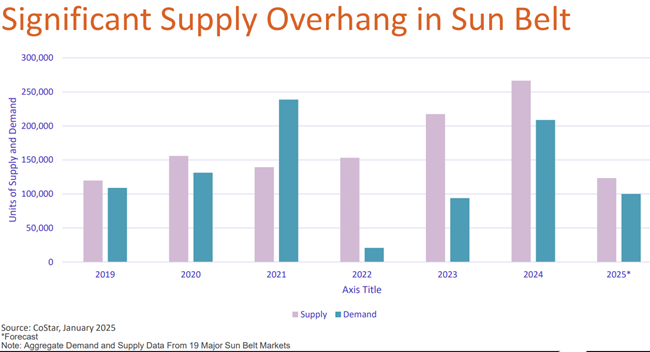
“Regional performance shows varying trends, with the Midwest outperforming expectations, Sunbelt markets grappling with supply influx, and Northeast markets showing potential for growth based on rent-to-income ratios.

9. Price discovery was a major theme

“Cap rates for well-located assets are settling in the upper 4% range, while owners are prioritizing operational efficiency and tenant retention over aggressive rent growth strategies.

10. All eyes on build-to-rent (BTR)

“The BTR sector continues to gain traction within multifamily, drawing interest from key institutional players despite broader market uncertainties,” Becca Kirby, Oliver Radvin, and Chris Nebenzahl write in the report.

Read the full report and more insight from John Burns Real Estate Consulting here.

About John Burns Real Estate Consulting

John Burns Research and Consulting (JBREC) provides independent research and consulting services related to the US housing industry. Contact them here.


Sign Up For Our Weekly Newsletter And Get Rental Property And Apartment News And Helpful, Useful Content Each Week.

* indicates required

How Can I Deal With Unauthorized Guests?

Ask Attorney Brad: How Can I Deal With tenants Unauthorized Guests?

Ask the attorney is a feature with attorney Bradley S. Kraus with Warren Allen LLP and this week the question is about tenants with unauthorized guests.

Dear Attorney Brad:

I have a tenant who is the only one on the lease. She now has another person staying there (more than a month), who has been sneaking in at the end of the day, parking down the street, etc.

I do not have a problem with the tenant having another, only that the second person has not been “vetted” and is not on the lease. It is not fair to others in the building.

I don’t know if this is because the tenant has subsidized housing and doesn’t want to lose it, but all individuals living in the building must be background-checked, at the very least. And if her guest is not credit-checked and on the lease, if she leaves, am I then stuck with a squatter I cannot get rid of? Advice would be great. –Claire

Hello Claire,

Unauthorized guests are problematic issues for landlords to deal with, as they are notoriously difficult to prove.

Additionally, with the advent of Oregon SB 282, guests are effectively allowed to stay at the premises for 15 days in any 12-month period. Assuming you can prove that the 15-day threshold has been exceeded, landlords do have rights under SB 282.

First, you are allowed to have the unauthorized individual screened using your criteria. Additionally, you can require a temporary-occupancy agreement to be entered into, pursuant to ORS 90.275.

If neither of those items are occurring, a Notice of Termination for Cause may be in order. Again though, it’s important to remember that without proving the 15-day benchmark—which your tenant will undoubtedly deny—you won’t be able to invoke the above rights.

There are a number of reasons why a tenant may not want to disclose their unauthorized occupants.

If a tenant is on subsidized housing, it may violate the terms of their contract with the housing-assistance provider. Alternatively or additionally, the unauthorized occupant may have a criminal history that would fail screening. If you can get over the 15-day benchmark, you may have rights.

But remember, it’s not what you know, it’s what you can prove.

Brad

Ask Attorney Brad: How Can I Deal With tenants and Unauthorized Guests?
Bradley S. Kraus, Portland attorney

Brad Kraus is a partner at Warren Allen LLP. His primary practice area is landlord/tenant law, but he also assists clients with various litigation matters, probate matters, real estate disputes, and family-law matters. A native of New Ulm, Minnesota, he continues to root for Minnesota sports teams in his free time.

Sign Up For Our Newsletter And Get Apartment News And Helpful, Useful Content Each Week.

* indicates required

Ask Attorney Brad: Why Can’t A Landlord Give a 30-Day Notice to Vacate?

Rent Prices Rebound In January

Rent prices rebounded in January and are off to a positive start in 2025, plus an apartment strategies conference report.

Rent prices rebounded in January and are off to a positive start in 2025, according to the Yardi Matrix January report.

“After a weak second half of 2024, multifamily advertised asking rents rebounded in January,” Yardi Matrix writes in the report.  Industry executives at the National Multifamily Housing Council’s annual meeting “expressed hope that demand will hold in the new year, while concerns abound about interest rates and the new administration’s economic policies.”

Will Demand Repeat 2024 Performance?

Yardi Matrix recorded roughly 400,000 units absorbed in 2024, one of the highest years on record. “January’s performance is an encouraging sign, and many of the drivers of apartment demand still appear to be in place,” Yardi Matrix says.

The report cites the continuing strong job market as well as the decline in percentage of young adults living with parents which rose sharply during the pandemic.

Apartment retention rates continue to be very strong because of the lack of homes for sale plus high mortgage rates.

Mike Carney, a vice president of investment research at Heitman, said during the research panel at last week’s NMHC Apartment Strategies conference that move-outs to homeownership are at all-time lows in his firm’s property portfolio.

Rent prices rebounded in January and are off to a positive start in 2025, according to the Yardi Matrix January report.

Despite strong demand, advertised rent growth is negative in the large number of deliveries in fast-growing markets such as Austin, Raleigh-Durham, Charlotte, Nashville, Denver and Phoenix. Occupancy rates in those markets is falling.

ent prices rebounded in January and are off to a positive start in 2025, according to the Yardi Matrix January report.
Chart courtesy of the Multifamily Housing Council.

Rent prices rebounded in January and are off to a positive start in 2025, according to the Yardi Matrix January report.

Highlights of the report

  • The multifamily market started the year on a positive note, breaking a six-month streak of declining rents. The average U.S. advertised asking rent increased $3 nationally in January to $1,746, while year-over-year rent growth rose by 20 basis points to 0.8%.
  • Market players at last week’s National Multifamily Housing Council annual conference were generally optimistic that 2024’s strong demand will continue. However, there are headwinds with the economy and interest rates that will provide challenges.
  • Single-family build-to-rent rental rates also rebounded after several down months. SFR BTR advertised rents increased $5 month-over-month in January to $2,157, with year-over-year growth improving 20 basis points from last month to -0.2%.

Read the full Yardi Matrix report here.

2025 NMHC Apartment Strategies Conference

About Yardi Matrix

Yardi Matrix researches and reports on multifamily, office and self-storage properties across the United States, serving the needs of a variety of industry professionals. Yardi Matrix Multifamily provides accurate data on 18+ million units, covering more than 90 percent of the U.S. population. Contact the company at (480) 663-1149

Sign Up For Our Weekly Newsletter And Get Rental Property And Apartment News And Helpful, Useful Content Each Week.

* indicates required

Key Reminders For Winterizing Rental Properties

The worse of the winter season is still to come to here are some reminders for winterizing rental properties to be proactive and save

Here are some reminders for winterizing rental properties to tell tenants what to do and don’t forget your vacant units.

By Mara Indra
Rental Housing Maintenance Services

The winter season is quickly approaching and with it, harsh winter weather. Heavy rain, freezing temperatures and high winds are the cause of costly damage.

Winterizing properties is not just a seasonal task; it’s a proactive measure that protects investments, saves money on repairs, and ensures the safety and comfort of tenants. Here is a list of preventative maintenance tasks that can help avoid the stress and financial burden of damage during the freezing winter months.

  • HAVE TREE LIMBS PRUNED 6’-0” AWAY FROM BUILDINGS
  • CLEAN ROOF & GUTTERS
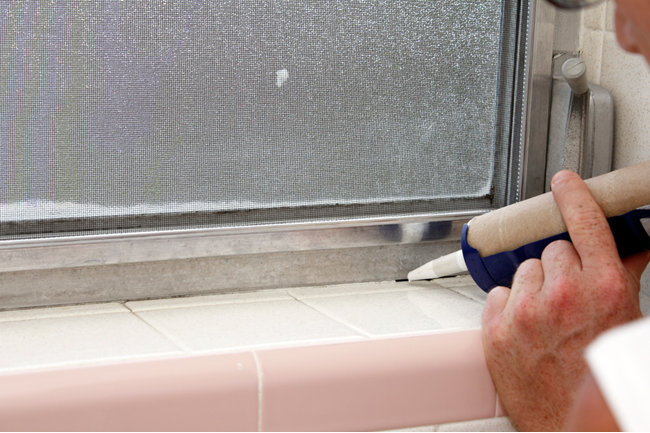
  • SEAL WINDOWS & DOORS
  • SEAL DECKS & FENCES TO PROTECT FROM RAIN
  • SEAL VISIBLE DAMAGE IN SIDING & TRIM
  • TURN LANDSCAPE IRRIGATION OFF & HAVE BLOWN DOWN TO AVOID STANDING WATER
  • DISCONNECT HOSES
  • INSTALL INSULATION CAPS ON HOSE BIBBS
  • PLUG FOUNDATION VENTS
  • INSTALL INSULATION ON PIPES, ESPECIALLY IN CRAWL SPACES
  • COVER OUTDOOR AIR CONDITIONING UNITS
  • HAVE THE HEATING SYSTEM SERVICED
  • CLEAN HVAC & DRYER VENTS
  • CHECK SMOKE & CARBON MONOXIDE DETECTORS
  • CLEAN DRAINS IN PLUMBING FIXTURES TO PREVENT ICE BUILD-UP
  • CLEAN STANDING WATER FROM PIPE BREAKS IMMEDIATELY- THIS INCLUDES REMOVING ALL WET MATERIALS TO MINIMIZE IMPACT & MOLD GROWTH

 WINTERIZE VACANT UNITS:

  • HELP EDUCATE TENANTS ON UNIT CARE PRIOR TO EXTENDED VACATIONS
  • TURN OFF GAS
  • KEEP HEAT ON AT 55 DEGREES MINIMUM
  • DRAIN WATER FROM PIPES
  • ADD ANTIFREEZE TO TOILETS & DRAIN TRAPS
  • KEEP CABINET DOORS OPEN UNDER SINKS
  • KEEP A SMALL TRICKLE OF WATER (BOTH HOT & COLD) RUNNING WHEN TEMPS DROP BELOW FREEZING

KEEP RHMS’S NUMBER ON HAND FOR ASSISTANCE:

  • WE ARE LICENCED PLUMBERS & ELECTRICIANS AS WELL AS MAINTENANCE TECHNICIANS
  • WE ARE AVAILABLE ON-CALL AFTER HOURS FOR EMERGENCIES
  • CALL US IF YOU NEED A HAND WITH PREVENTATIVE MAINTENANCE OR WEATHER EMERGENCIES:  503.678.2136

The worse of the winter season is still to come to here are some reminders for winterizing rental properties to be proactive and save

About the author:

Mara Indra is an Owner & President of Rental Housing Maintenance Services, Inc., a family-owned repair & remodel business serving the metro rental community since 1997. Mara worked in the field of Architecture for 20 years prior to joining RHMS. She has experience with the construction process from start-to-finish and enjoys collaborating with property owners on identifying opportunities to maximize their investments.

Sign Up For Our Weekly Newsletter And Get Rental Property And Apartment News And Helpful, Useful Content Each Week.

* indicates required

Apartment Maintenance: A Virtual ‘Doorway’ to Your Operations

New Apartment Refrigerant Requirements Coming

4 Kinds Of Front Doors For Your Rental And Pros And Cons Of Each

A Tenant Poured Grease Down Drain Who Is Responsible?

Image credit Serenethos vis istockimages

Flexible Rent Payments Help Property Managers And Tenants

By offering flexible rent payment programs, property managers help residents stay on track while ensuring steady cash flow and operations.

By offering flexible rent payment programs, property managers can help residents stay on track while ensuring steady cash flow and smoother operations.

By Aaron Gries
Vice President of Product Management at Zego

Rent is the biggest expense for most residents, and many struggle to pay it on time. With costs rising and paychecks stretching thinner, staying on top of rent isn’t getting any easier. At the same time, property managers face growing challenges in collecting rent reliably. By offering payment flexibility, property managers can help residents stay on track while ensuring steady cash flow and smoother operations.

Demand for flexible rent-payment options has increased, especially after the pandemic. Today, a quarter of renters now spend more than 50% of their income on rent. At the same time, rent prices rise by 6% to 8% each year, while wages grow by only 1% to 2% annually, or even decline in some cases. Many residents also rely on non-traditional income sources, such as gig work or irregular job schedules. With these shifts, property managers need solutions that fit real-life financial situations, not just one-size-fits-all due dates.

Flexible rent-payment programs help residents by letting them pay in smaller amounts instead of all at once.  A survey by Intuit Credit Karma found that 24% of American renters struggle with rent affordability, highlighting the need for solutions that ease financial strain. Flexible payment programs allow residents to apply through an online portal, where financial underwriting helps set up personalized payment schedules. Once approved, residents can make payments according to their plan, reducing late fees and easing financial stress.

For property managers, flexible payment systems help maintain consistent rent collection, improve cash flow, and reduce financial uncertainty. Partnering with financial service providers lowers risk while ensuring residents have options that fit their income schedules. These systems also take time-consuming tasks, like chasing down late payments, off property managers’ plates. By automating payment reminders, late fees, and collections, property managers can focus on higher-value work that improves resident satisfaction.

The rise of flexible rent payments reflects the larger shift in the multifamily industry. Property managers are adopting tools to enhance operations and strengthen resident relationships. Since resident satisfaction is key to retention, offering payment flexibility has become an important amenity. When property managers provide options that make life easier, residents notice – and they stay.

As economic pressures continue to reshape the multifamily market, flexible rent-payment options will be key for the future of housing. Yet, despite the growing availability of flexible payment systems, 65% of renters don’t even know they exist, according to payments company Zego’s 2024 State of Resident Experience Management Report. Implementing flexible payment options is only part of the equation – property managers must also spread the word. Clear communication ensures residents understand their options and take advantage of the flexibility available to them.

About the author:

Aaron leads the Product Development team where he drives development of Zego’s product strategy, roadmap execution, and prioritization. Aaron’s 20 years of FinTech experience combined with over 7 years in PropTech is a potent mix to address the ever-changing needs of Zego’s clients and customers as a B2B2C SaaS company.

Sign Up For Our Weekly Newsletter And Get Rental Property And Apartment News And Helpful, Useful Content Each Week.

* indicates required

Ask Landlord Hank: If Heater Goes Out in My Rental, Should I Give Tenants Credit While Awaiting Repair?

If the heater goes out in my rental should I give tenants credit while awaiting the repair is the question this week for Landlord Hank

If the heater goes out in my rental should I give tenants credit while awaiting the repair is the question this week for  Ask Landlord Hank. Remember Hank is not an attorney and he is not offering legal advice. If you have a question for him please fill out the form below.


Dear Landlord Hank:

If the heater goes out in one of my rental units, and I begin getting quotes to repair but it takes a week or two (7-14 days) to receive quotes, approve one and have a heater installed, how many days credit should I give my residents for the habitability issue in their unit? -Marley

Dear Marley,

If the property was really uninhabitable due to cold then I would reimburse the tenants for the days it took for the repair to be completed, especially if you are getting multiple quotes, which is understandable for a major repair.

If you provided or if the tenants had space heaters and could remain comfortable that way then I wouldn’t do anything, unless they complain or ask, and then I would consider their request.

Sincerely,

Hank Rossi

Editor’s note: Check your local and state regulations on issues such as this as it varies across the country.

As a child, Hank Rossi sometimes helped his father take care of the family rental-maintenance business.  In the mid-’90s he got into the rental business for himself. After he retired, he started a real-estate brokerage business with his sister that focuses on property management and leasing. Visit his website: https://rentsrq.com.


Ask Landlord Hank Your Question

Ask veteran landlord and property manager Hank Rossi your questions from tenant screening to leases to pets and more! He provides answers each week to landlords.

  • This field is for validation purposes and should be left unchanged.
If the heater goes out in my rental should I give tenants credit while awaiting the repair is the question this week for Landlord Hank.
Landlord Hank Rossi says, “If the property was really uninhabitable due to cold then I would reimburse the tenants.”

How Can I Monitor Tenant Smoking In My No-Smoking Rental?

Do Your “No Smoking” And Odor Policies Stink?

Can I Say “No Pot In My Apartments” When It’s Legal In My State?

Sign Up For Our Newsletter And Get Apartment News And Helpful, Useful Content Each Week.

* indicates required

Photo credit OlenaMykhaylova via istockimages

Mitigation For Common Property Losses

mitigation for common property losses requires a proactive approach to minimizing risks that could result in costly losses for landlords

By Jason Jones
SVP, Risk Management

Preventing Property Losses

Protecting investment properties involves more than just securing a solid insurance policy–it requires a proactive approach to minimizing risks that could result in costly losses. By addressing potential issues early, landlords and property managers can prevent disruptions and maintain a safe environment for tenants.

Fire Prevention

Fires are not only one of the most common losses, often a result of cooking mishaps, electrical issues, or arson, particularly in vacant properties. To mitigate fire risks, install working and unexpired smoke detectors and fire extinguishers in all properties, educate tenants about fire safety, and consider utilizing additional suppression tools. Vacant properties must be secured at all times to prevent unauthorized access.

Water Damage

Water-related losses, such as frozen pipes, can lead to extensive and costly property damage. Keep indoor temperatures above 55°F (higher in more northern locations), insulate exposed pipes, and encourage tenants to let faucets drip during freezing conditions. Leak sensors and automatic shutoff valves are relatively easy to install and provide early detection and intervention, minimizing damage.

Theft

Properties that are vacant or under renovation often attract thieves targeting appliances, tools, and materials. However, this does not mean that occupied properties are immune to burglary. To reduce the risk of theft, all properties, whether vacant or occupied, must be equipped with high-quality locks on all doors and windows.

Additional measures, such as motion-activated cameras and exterior lighting and alarm systems, can deter potential intruders. Keeping the grounds tidy can also discourage unwanted visitors by signaling that the property is actively maintained.

Reducing Liability Risks

Liability claims can result in substantial financial losses, but proactive measures can significantly reduce exposure.

Regular property inspections are essential for identifying hazards such as loose handrails or damaged steps that could lead to accidents. Addressing these issues promptly and maintaining detailed records of repairs, including photos, can help prevent incidents and provide critical evidence if a claim arises. Scheduled maintenance plans can ensure consistent inspections and timely repairs, protecting both tenants and the investment property.

While no property is entirely immune to risks, thoughtful planning and preventative measures can significantly reduce the likelihood and severity of losses. A well-maintained property also reflects responsible management, fostering long-term value and tenant satisfaction.

About NREIG:

mitigation for common property losses requires a proactive approach to minimizing risks that could result in costly losses for landlords

NREIG is a national, independent insurance agency, offering the most comprehensive, and flexible industry-leading insurance program for residential real estate investment properties. Our team of advisors and specialists delivers unmatched service and streamlined insurance solutions for investors with single-family and small multifamily rentals, renovation projects, and vacant homes. Seamlessly make coverage changes as your portfolio fluctuates and pay only for the coverage you need each month.

Request a Proposal

About the author:

mitigation for common property losses requires a proactive approach to minimizing risks that could result in costly losses for landlords

Jason’s insurance career spans more than 20 years, with the bulk of his industry experience gained through his role as an adjuster handling property and liability claims. Throughout Jason’s time with NREIG, his various leadership positions have exposed him to almost every department, including service, claims, account review, underwriting, and risk management. As SVP of Risk Management, Jason guides NREIG teams in maintaining carrier relationships, foreseeing and managing potential risks, and aiding in becoming a market leader.

Sign Up For Our Weekly Newsletter And Get Rental Property And Apartment News And Helpful, Useful Content Each Week.

* indicates required

Multifamily Starts 2025 ‘Walking a Tightrope’

After a so-so year in 2024, multifamily has entered 2025 “walking a tightrope, with heavy supply growth balanced by equally strong demand,

After a so-so year in 2024, multifamily starts 2025 “walking a tightrope, with heavy supply growth balanced by equally strong demand,” Yardi Matrix writes in the December report.

Overall, the market has been on a “treadmill” during 2024 with national year-over-year growth stuck between 0% and 1.0% for 16 straight months, the report says.

“Clearly, 2025 promises change. Starts have dropped, and completions will wane soon. On the demand side, absorption will be boosted by healthy job growth and demographics.”

Still, the report notes that immigration represents a source of demand for multifamily, and that remains uncertain with the new administration.

“The U.S. Census Bureau recently increased its estimate of international immigration to 2.8 million in 2024, 84% of total U.S. population growth, while upping immigration estimates to 4 million combined in 2022 and 2023,” the report says.

On top of that, interest rates now appear to hold “less favorable” conditions than what had been expected.

“The upshot is that investors’ higher inflation expectations have pushed the 10-year Treasury rate up to 4.6%, creating ongoing pricing uncertainty that could keep deal flow muted,” Yardi Matrix says.

Highlights of the report

  • Multifamily finished 2024 on the downswing, with the average U.S. advertised rent falling $4 nationally in December to $1,742. Year-over-year rent growth, which remains positive albeit weak, was down 10 basis points to 0.6%.
  • The trends that shaped 2024 remained in place to the end. Demand stayed robust throughout the year in most regions, so regional and market-level rent change was determined by the amount of local supply growth.
  • S. advertised rents fell 0.2% month-over-month in December, with declines in 20 of the top 30 metros.
  • High-supply markets continue to record some of the largest declines. In December in Austin, advertised rents fell 1.1% month-over-month.
  • After outperforming multifamily through most of the year, single-family rental rates also ended the year poorly. Single-family rental advertised rents dropped $7 month-over-month in December to $2,141, with year-over-year growth dropping 40 basis points to -0.8%.

Read the full report here.

About Yardi Matrix

Yardi Matrix researches and reports on multifamily, office and self-storage properties across the United States, serving the needs of a variety of industry professionals. Yardi Matrix Multifamily provides accurate data on 18+ million units, covering more than 90 percent of the U.S. population. Contact the company at (480) 663-1149.

Sign Up For Our Weekly Newsletter And Get Rental Property And Apartment News And Helpful, Useful Content Each Week.

* indicates required

2025 Pets and Housing Awards Are Open for Nominations!

Nominations are open for the fourth-annual 2025 pets and housing awards presented by the pet-inclusive housing initiative.

Raise the woof: the nominations are open for the fourth-annual 2025 pets and housing awards presented by the pet-inclusive housing initiative from the Michelson Found Animals Foundation.

By Judy Bellack
Industry Principal, Pet-Inclusive Housing Initiative

The connections between people and their pets has never been stronger, and the multifamily housing industry is leading the charge in celebrating this bond. With more renters seeking pet-inclusive communities, forward-thinking operators are redefining what it means to be a “pet-friendly” property—and now it’s time to recognize their groundbreaking work.

Michelson Found Animals Foundation is thrilled to announce that nominations are now open for the Fourth Annual Pets and Housing Awards, presented by the Pet-Inclusive Housing Initiative. These awards honor the trailblazers, innovators, and community champions who are making housing more welcoming for pets and their people. Ross Barker, Director of the Pet-Inclusive Housing Initiative, describes the event as a highly anticipated opportunity to highlight outstanding efforts in pet-inclusive housing. “We eagerly anticipate this event every year because it lets us shine a spotlight on the outstanding organizations leading the pack with their pet-inclusive housing solutions,” Barker said. “This fourth annual event will be our best yet, and we’re excited to see the great work organizations nominate!”

Why Nominate?

This is your chance to showcase your achievements and gain industry-wide recognition as a leader in pet inclusivity.

Whether you’ve launched an innovative amenity, hosted successful adoption events, or reimagined pet policies by easing or eliminating size and breed restrictions, we want to celebrate your dedication to improving the lives of pets and residents alike. Whether you’re part of a large company spanning multiple states, an independent rental operator serving a local community, an advocate for pet policy change or a nonprofit champion for pets in housing, we want to hear from you! Or you may know some great work in one of these categories you would like to nominate on behalf of someone else – go for it!

According to Diane Yensen, representing Rainier Properties and one of last year’s award winners, “To be recognized with the Best Leap Forward in the Pet-Inclusive Housing Awards was very exciting. It helps validate the fact that we really do live this and are passionate about it, and I hope other companies in the industry see this and get excited about it, too.”

Award Categories

With nine exciting categories, there’s a spotlight for every kind of innovation:

  • Best Leap Forward: Recognizing significant progress in pet inclusivity.
  • Most Impactful Adoption or Foster Event or Program: Applauding efforts that connect pets with loving homes.
  • Most Innovative Pet Amenity or Amenity Group: Shining a light on creative spaces and services for pets.
  • Most Innovative Pet Marketing Campaign: Showcasing campaigns that engage and attract pet-loving residents.
  • Most Pet-Inclusive Property: Celebrating a property that goes above and beyond for pets and their people, setting the pet-inclusive standard.
  • Outstanding Pet Citizen: Highlighting a resident pet that has made a meaningful impact.
  • Paws & Progress Nonprofit Award: Celebrating nonprofits driving positive change in pet-inclusive housing.
  • Pets & Housing Policy Advancement Award: Recognizing advocacy and policy advancements that benefit pets and housing.
  • Vanguard Award: Honoring a company advancing leading-edge initiatives that set new standards and serve as an example to the rental housing industry.

Key Details

  • Nomination Deadline: March 30, 2025
  • Winners Announced: Virtually (details to follow)

How to Nominate

Submitting a nomination is simple and unlimited! Highlight the achievements in any—or all—categories. Share your (or another’s) story, inspire your peers, and claim your place as an industry leader. Simply click here to get started.

Let’s Celebrate Together

The Pets and Housing Awards are more than just accolades—they’re a celebration of the innovative and heartwarming ways the multifamily housing industry improves lives. Let’s honor the creativity, compassion, and commitment that make pet-inclusive housing a reality.

Don’t wait! Start your nominations today, and join us in setting the standard for pet-inclusive communities. Together, we’ll keep raising the woof!
!– Begin Mailchimp Signup Form –>

Sign Up For Our Weekly Newsletter And Get Rental Property And Apartment News And Helpful, Useful Content Each Week.

* indicates required

Tenants Sue Portland Apartments Over Heating Issues

A group of tenants has filed a $1.8 million lawsuit against a Portland apartment complex over heating issues,

A group of tenants has filed a $1.8 million lawsuit against a Portland apartment complex over heating issues, according to reports.

The complaint alleges the landlords breached their duty to remedy maintenance issues and are seeking $1.8 million for economic and non-economic damages, koin.com reported.

The complaint — which was first reported by The Oregonian — was filed on January 22 by 15 tenants who live in the Glencourt Apartments, against the apartment complex, property managers with The NWV Group, and Turk Investments, LLC. The lawsuit was filed in Multnomah County Circuit Court.

Tenants say they pay between $935 and $2,265 per month for their units in the Portland apartment complex and claim the complex’s owners and managers are violating the Oregon Residential Landlord and Tenant Act, which requires all landlords to provide adequate heating systems maintained in good working order.

A representative with NWV Group told KOIN 6, “Both NWV Group and Glencourt ownership take tenant complaints very seriously and work together to address reported concerns.  Glencourt ownership and NWV Group value our residents and their habitability.  At this time, we have no open heat or habitability issues that have been submitted by tenants at Glencourt.”

According to the lawsuit, the “lack of heat” in the apartments on East Burnside Street has been well-known by the landlords and “ignored since well before 2021.”

“Defendants have outrageously delayed conducting long overdue repairs, instead forcing their tenants to endure winter after winter of unprecedentedly low temperatures, storm after storm,” the lawsuit states.

The lawsuit alleges that the landlords have received “incessant reports” over the course of many years, and since at least 2021, “there has been no significant period of time that the heating system has been properly maintained and provided adequate heat.”

One renter claims six of her eight windows have been in disrepair and do not fully close, allowing frost to enter her home, and similar to other tenants, she has isolated one room to try to stay warm, the lawsuit alleges. Another tenant claimed her windows also failed to protect the apartment from the weather, causing snow to pile up on her window inside the apartment.

Sign Up For Our Weekly Newsletter And Get Rental Property And Apartment News And Helpful, Useful Content Each Week.

* indicates required