
Home Blog Page 40

Report Cites Profits of Big Landlords Using RealPage

A report by a progressive watchdog group called cites six big corporate landlords using RealPage rent-setting software and profits

A report by a progressive watchdog group called accountable.us cites six big corporate landlords using RealPage rent-setting software and how much those companies have raised rents.

Three of the companies mentioned in the report are headquartered in Atlanta, according to a report in the Atlanta Journal-Constitution.

National Multifamily Housing Council, a public policy group representing the multifamily housing industry, disputed the group’s conclusions. Its president, Sharon Wilson Géno, noted that the multifamily rental industry was grappling with rising insurance rates, construction costs, and local and state taxes, in addition to other inflationary pressures.

“What’s really driving rental prices is the shortage of housing in the United States,” Géno told the newspaper. “Anytime you have a shortage, pricing is going to go up.”

Also, the newspaper reported accountable.us looked at the profits of Germantown, Tennessee-based Mid-America Apartments; AvalonBay Communities of Arlington County, Va.; Chicago-based Equity Residential; Essex Property Trust, which has headquarters in San Mateo, Calif.; UDR of Highlands Ranch, Colo.; and Camden Property Trust, based in Houston.

The report on the six multifamily apartment companies found they had $300 million in combined profits during the first financial quarter of 2024. The watchdog group attributes the rising profits, at least in part, to rent increases.

Highlights of the watchdog company’s findings on the six companies:

  • Mid-America Apartments saw its net income jump 6% to $147.6 million, allowing the company to spend $176.2 million on shareholder dividends and distributions.
  • AvalonBay Communities saw its net income increase 18% to $173.6 million as its “rental and other income” revenue increased 5.6% to $711.1 million. At the same time, the company’s “management, development and other fees” jumped 68.4% to nearly $1.8 million.
  • Equity Residential’s net income climbed 39% to $305 million with its “same-store average rental rates” increasing 3.4% to $3,077. Equity Residential spent $38.5 million on stock buybacks as its CEO said housing costs were rising due to a national shortage and that rent controls and other measures wouldn’t solve housing affordability.
  • Essex Property Trust’s net income increased 76% YoY to over $285.1 million, based on its “average monthly rental rate” increasing 2.1%.
  • UDR saw its net income increase 41% YoY to over $46.3 million, up from $32.9 million in Q1 2023.
  • In Q1 2024, Camden Property Trust saw its net income increase 97% to $85.8 million as it spent $50 million on stock buybacks, partly thanks to its “weighted average monthly rental rate” jumping 1.8% YoY. The company was also sued in February 2024 by the Arizona attorney general as one of several large landlords that allegedly “conspired to illegally raise rents for hundreds of thousands of Arizona renters” through RealPage, including Phoenix and Tucson residents who have seen prices rise 30% over the previous two years.

Liz Zelnick, an executive at the group, told allsides.com that the nonprofit analyzed the six largest publicly traded apartment companies’ financial reports and listened in on earnings calls. She said between them, the companies own close to 350,000 units. “There are so many people who are struggling to pay their rent right now. We’re seeing that corporate landlords are buying up more and more properties across the country and they’re maximizing profits, they’re raising rents, and now they’re utilizing RealPage, which is essentially price-fixing,” she said.

The FBI searched property-management company Cortland Management’s headquarters in Atlanta in an unannounced search in May, according to several reports, as part of a multifamily rent price-fixing investigation.

National apartment developer Cortland Management’s Atlanta office was searched by the FBI under a limited search warrant, a representative for Cortland confirmed. The warrant was connected to an investigation by the Department of Justice (DOJ) into potential antitrust violations in the multifamily housing industry, according to a statement from Cortland.

The FBI property management search is part of a criminal antitrust investigation by the DOJ into allegations that Cortland and other property management companies have been involved in a conspiracy to artificially inflate apartment rents.

“We are cooperating fully with that investigation, and we understand that neither Cortland nor any of our employees are ‘targets’ of that investigation,” Cortland said in a statement. “Due to the ongoing litigation, we cannot comment further at this time.”

Multiple tenants across the country have sued RealPage, claiming the tech company’s apartment software helped landlords collude to inflate rents. The lawsuits from around the country were consolidated in federal court in Nashville.

The Utah Landlord’s Playbook: Strategies for Full Bookings

In Utah’s rental market, landlords seek effective strategies to ensure their properties remain fully booked year-round

By Andres Dominguez III

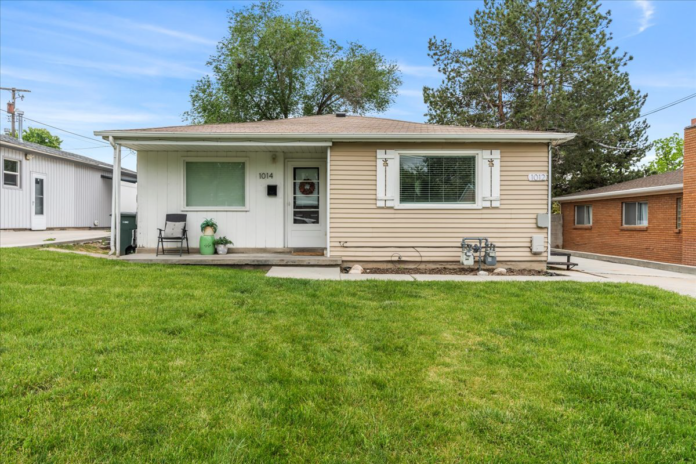
In Utah’s rental market, landlords seek effective strategies to ensure their properties remain fully booked year-round. With the rise of short-term rentals and an increasingly competitive landscape, staying ahead requires a combination of innovative approaches and time-tested tactics. This article delves into the comprehensive playbook that successful Utah landlords use to navigate these challenges. From leveraging technology to optimizing marketing efforts, we’ll explore the key strategies that can transform vacancy periods into consistent, profitable bookings. Whether you’re a seasoned property owner or new to the rental market, these insights will equip you with the tools needed to maximize occupancy and enhance your rental business.

1- Picture Perfect

Elevate the success of your properties by investing in a skilled photographer to capture your unit in its best light. Salt Lake is full of great photographers, a simple Instagram search will connect you with eager candidates. First impressions matter, and the first thing most people notice when browsing rental listings is the photos.

Good photos also build trust with potential renters. When they see well-lit, high-resolution images, they feel more confident that your rental is as advertised and worth their investment. This can lead to higher booking rates and more satisfied guests. Don’t underestimate the power of picture-perfect images in showcasing your rental’s full potential.

2- Stand out. Stay booked

In a crowded rental market, making your property unique is key to keeping it booked year-round. Travelers today are not just looking for a place to stay–they crave an experience that goes above and beyond. To attract guests, your rental needs to offer something out of the ordinary.

One way to do this is by decorating your property with a fun theme or using local items that showcase Utah’s culture and history. For example, you could use pictures of Utah’s beautiful national parks or have a room decorated like a cozy mountain cabin. Adding high-quality furniture, soft sheets, and special touches like fancy soap or a basket of local snacks can make guests feel extra welcome.

Small details matter too. Personal touches can transform a standard rental into a standout choice. Providing a guidebook filled with insider tips on the best local restaurants, attractions, and hidden gems can make their stay more enjoyable and memorable. A warm and quick response to their questions can leave a lasting impression and lead to positive reviews and repeat bookings.

By making your rental stand out and offering a great experience, guests will be eager to pay more. In addition, they will be more likely to leave good reviews and tell their friends. These unique touches will help your property become the top choice for visitors looking for a special place to stay in Utah.

Local owner Jeremy Jareckyj recommends thoughtful amenities such as murals, soda bars, saunas, and hot tubs. “Those who aren’t making their properties stand out are falling behind. People want cool and unique stays and they are willing to pay for it.”

3- The Mid-Term Trend

Furnished rentals for months at a time are changing the game. Utah rental owners are discovering the advantages of offering mid-term rentals, by catering to guests looking for extended stays of three to six months. This growing trend is changing the rental market and provides landlords a unique opportunity to attract a different type of renter.

One of the most attractive perks of mid-term rentals is that they are fully furnished. Guests can conveniently move in with only their personal belongings, making it an attractive option for people who need a temporary home without the hassle of moving furniture. For landlords, providing a fully furnished unit can justify higher rental rates and appeal to professionals, students, or families in transition.

Another significant benefit is that mid-term rentals typically include the cost of utilities in the rent. This all-inclusive approach simplifies budgeting for tenants, making the rental more appealing. It also allows landlords to manage utility usage and avoid issues with unpaid bills.

By offering mid-term rentals, landlords can enjoy the stability of longer leases while still maintaining flexibility. This strategy can lead to fewer vacancies, lower turnover costs, and more consistent rental income. It also opens up the market to renters who might not commit to a full year but need more than just a few weeks. Local Utah Owner Christina Magana recommends using local listing pages such as KSL & Zillow to find quality candidates.

4- Price Like a Pro

Implementing optimized pricing software is a game-changer for landlords looking to maximize their profits and stay competitive in the market. It analyzes demand during holidays, events, and competition to suggest the best rates during peak times. Conversely, during slower periods, it can adjust prices to attract more bookings and maintain a steady stream of income. By leveraging technology to price like a pro, you can achieve greater profitability and get the most out of your rental property.

Another advantage is the ability to track performance metrics and analyze the effectiveness of your pricing strategies over time. You can monitor metrics like occupancy rates, average daily rates, and revenue per available room to make data-driven decisions and fine-tune your pricing approach for optimal results.

5- Conclusion

Staying ahead in Utah’s rental market requires a strategy, innovation, and willingness to adapt to emerging trends. By understanding the needs and preferences of today’s renters and implementing innovative strategies, landlords can position themselves for success in the competitive rental market.

By understanding the needs and preferences of today’s renters and implementing innovative strategies, landlords can position themselves for success in the competitive rental market.

Call or click for more information on how to best protect your rental properties or any questions you have about Landlording: 801-262-1551 or Click Here for a for a consultation with our experienced team. Find out more about renter’s insurance. We love helping our customers be successful Utah landlords.

Avoid Costly Coinsurance Penalties with Proper Insurance Coverage for Your Investment Properties

For a full review of your apartment or rental property insurance, contact a knowledgeable Anderson Insurance Group agent today.

About the Author:

Andres has been consulting Utah Rental Owners and Entrepreneurs for over eight years. He is a graduate of Salt Lake Community College and the University of Utah, where he studied Marketing. He is driven by his mission to render the highest level of service, provide the best coverage available, and build meaningful relationships. When not serving his clients, Andres enjoys running marathons, practicing martial arts, and snowboarding.

3 Must-Have Coverages for Landlords

Secure Your Monthly Cash Flow With One Easy-to-Miss Coverage: Business Income Insurance for Utah Landlords

Avoid Costly Coinsurance Penalties with Proper Insurance Coverage for Your Investment Properties

New Clean Energy Focused Nonprofit Investment Firm

A new clean energy focused nonprofit investment firm called finance for impact has launched to invest in clean energy assets nationally

With Federal funds funneling into States from both the Bipartisan Infrastructure Law (BIL) and the Inflation Reduction Act (IRA), States and Federal agencies are rushing to create and expand programs and determine how to braid and leverage available funding. Countless investment firms exist to assist communities in obtaining clean energy technologies, but not every firm knows how to navigate low-income and disadvantaged communities (LIDACs), let alone the intricacies of subsidized multifamily affordable housing properties.

This is why International Center for Appropriate and Sustainable Technology (ICAST) has launched “Finance for Impact (FFI) – a 501c3 nonprofit investment firm that invests in clean energy assets nationally, providing tax equity financing and developing clean energy assets that directly benefit LIDACs.

FFI has a successful track record of collaborating as equity investors and co-lenders on clean energy projects for affordable housing properties and utility clients in LIDACs. FFI’s primary investments are in solar PV and battery energy storage systems (BESS), but also invests in energy efficiency equipment such as heat pump HVAC and hot water systems. FFI helps clients to access these technologies with innovative financing solutions to ensure that properties and their tenants can benefit from the clean energy transition and the influx of federal funding.

FFI has partnered other financiers to make these projects happen, including but not limited to: Triple Bottom Line Foundation; American Express; Synchrony Bank; MidFirst Bank; Comenity Bank; and more.

FFI investments have already had a collective impact of the following:

  • $20 Million loans to date
  • 140 kW solar PV ownership
  • 150,000 LMI households served

More information about FFI and the types of financing services offered can be found here.
For any questions regarding FFI, please feel free to reach out to [email protected].

Money on the Move: Accessing Incentives for Your Green Projects

About ICAST
ICAST is a 501c3 nonprofit with a history of designing, launching, managing, and scaling programs to benefit underserved communities. Its focus is delivering clean energy upgrades to low- and moderate-income households living in multifamily affordable housing and disadvantaged communities.

Flexible Financing for Green Projects

Green Retrofits for Cost Savings and Resiliency

Attracting Federal Investment to Multifamily Housing

The Top Online Reputation Management Musts

Top online reputation management (ORM) musts to keep a solid reputation and presence on relevant online platforms. 

What are the top online reputation management (ORM) musts to maintain a solid reputation and presence on relevant online platforms?

By Julia Crawford

Proactively maintaining and nurturing a healthy online reputation profoundly impacts resident decision-making, property performance and brand visibility.

Feedback also provides real estate companies the ability to improve operations and mitigate risks. With 79% of residents making their leasing decisions based on ratings and reviews, online reputation management (ORM)is vital in the growing competition in multifamily.

A positive reputation builds trust and influences decisions, directly impacting lease conversions and resident satisfaction. We asked Julia Crawford, Senior Vice President of Product Management at Grace Hill, to discuss the top considerations for every ORM strategy.

What are the owner/operator top concerns or pain points in online reputation management?

The major pain point for owners and operators is negative online reviews themselves, which affect occupancy rates and overall revenue.

This negativity impacts their brand, deters resident renewals and prospect visits and leads to higher vacancy rates. This industry needs better technology to monitor for negative reviews and proactively address issues before they escalate.

For teams, gathering and managing scattered feedback across multiple platforms for all properties within a portfolio is extremely time-consuming. It can be a herculean effort to make sense of unstructured feedback and formulate a successful ORM strategy. Every unanswered review is essentially an unaddressed complaint. This raises concerns about efficiently addressing negative comments, maintaining professionalism and brand consistency.

On top of this, operators struggle to measure success. Far too often, benchmarks lack clarity and consistency, which makes it difficult to understand how a property stacks up against local competition. Marketing teams can struggle to identify and leverage a property’s unique strengths and advantages, hindering the ability to differentiate communities.

What are the top three ORM musts for multifamily properties?

 First, maintaining an active and consistent online presence on relevant platforms is essential. This includes social media channels like Facebook, Twitter and Instagram, as well as review sites like Google My Business, Yelp, ApartmentRatings as well as Internet listing services (ILS). Regularly updating these platforms with engaging content, responding to reviews and comments and interacting with residents and prospects helps establish a positive online reputation and significantly impact search engine rankings. Everybody wants their properties to be at the top of the list.

Second, consistent management of online reviews is critical for shaping perception and maintaining a positive reputation. Implementing tools or platforms to monitor reviews across various sites, promptly responding to both positive and negative reviews and addressing resident feedback professionally and empathetically are essential components of a successful strategy.

Third, establishing a feedback loop to gather insights from residents, prospects and stakeholders is essential for continuous improvement. Using tools to actively solicit feedback through surveys and using this feedback to identify areas for improvement, address issues and enhance resident satisfaction demonstrates a commitment to excellence and ongoing improvement, ultimately contributing to a positive online reputation.

What metrics do you consider most important when using an ORM platform?

 One of the key metrics is tracking the Local Brand Visibility (LBV) score, which is the aggregate metric of a property’s reputation across five categories — reviews, social, listings, search and competitors. This metric provides a clear benchmark for measuring how a community stacks up against local competition and where it ranks from an industry perspective overall.

In addition to LBV, it’s important to track reviews in the last 30 days and the percentage of increase or decrease in that time. A higher number of reviews can enhance the credibility, trustworthiness and online visibility of a property. Adding to that, tracking search engine optimization (SEO) rankings is extremely critical for measuring ROI by correlating changes in rankings with changes in website traffic, leads and conversions. Higher rankings result in increased organic traffic to the website.

From a social perspective, tracking page followers, total impressions, total engagements and engagement rates allows property managers to evaluate the effectiveness of their content strategy. Tracking total impressions helps assess the reach of the company’s brand across social media and other online channels. Increasing impressions indicates growing brand awareness, while a decline may signal the need to adjust marketing efforts.

What are the most effective tools available to help organizations meet each task?

 Organizations need a holistic ORM solution with a comprehensive approach to building, maintaining and leveraging a positive reputation.

The ideal solution includes features such as advanced filtering, rotating templated bulk response and generative AI capabilities. These directly address the pain of having to spend an enormous amount of time on reviews across multiple sources and properties within a portfolio.

A solution that leverages AI for advanced sentiment analysis is paramount. It allows property managers to process large volumes of reviews quickly and efficiently. Property managers must stay informed about conversations, trends and sentiments related to their properties and address any issues or concerns promptly.

Moreover, the ability to efficiently cross-publish posts to multiple accounts increases brand visibility and engagement. By sharing updates, promotions and community events, property managers can foster positive relationships with residents, prospects and local communities.

The ability to effectively manage listings across multiple providers within a centralized location is also key. Listings serve as the first point of contact for prospects seeking information about properties. Accurate and up-to-date listings ensure that prospects receive correct information about amenities, availability, pricing and other important details, increasing the likelihood of inquiry and lease conversation. Additionally, search engines prioritize accurate and consistent information, so properties with accurate listings are more likely to appear higher in search results, increasing visibility to prospective residents.

Lastly, a solution that brings all this information and data together, providing insights and recommended actions is essential for understanding the health of an online reputation and crafting a successful marketing strategy.

How does effective online reputation management play out in the marketplace?

 In the digital world, having an active online presence is like keeping the doors of a business open.

It’s about being where residents and prospects are, so regularly posting updates, engaging with comments and responding to reviews shows attentiveness and approachability. People want to see onsite teams that are actively involved and care.

The results can be extremely impactful, as a one-star increase in Yelp ratings can lead to a 5% to 9% increase in revenue. Promptly responding to feedback shows that management is listening and taking it seriously. Continuous improvement and feedback loops are like a roadmap to constant enhancement. They involve listening to residents, prospects and stakeholders and leveraging their feedback to enact positive transformations.

About the author:

Julia Crawford, SVP, Product Management

Top online reputation management (ORM) musts to keep a solid reputation and presence on relevant online platforms. 

Julia is the Senior Vice President of Product Management for Grace Hill. She has over 20 years of product management experience driving innovation in complex product portfolios. She is a leader who drives execution, intending to delight customers by providing solutions for their business.

Sign Up For Our Weekly Newsletter And Get Rental Property And Apartment News And Helpful, Useful Content Each Week.

* indicates required

May Multifamily Performance is Modest

While May showed positive multifamily performance with healthy demand for apartments, the ongoing supply is still a challenge in some markets

While May showed positive multifamily performance with healthy demand for apartments, the ongoing supply is still a challenge in some markets, according to Yardi Matrix in its May National Multifamily Report.

Thus, May was a “mixed bag” of information.

“Rents are rising seasonally, but the 1.0% year-to-date increase is about half of the average growth rate for the five years before the pandemic,” the report says.

The good news: “Demand remains positive as the economy continues to create jobs,” with 2.8 million added in the 12 months ending in April, according to the Bureau of Labor Statistics.

Highlights of the report:

  • Rents rose for the fourth straight month in May, but gains have been moderate. The average U.S. asking rent increased by $6 to $1,733, while year-over-year growth was unchanged at 0.6%.
  • Multifamily performance continues to reflect a balancing act. Rents are rising in a normal seasonal pattern, as demand and absorption remain strong, but the growth is mitigated by the rapid delivery pipeline in many markets, particularly the Sun Belt.
  • The single-family rental market is outperforming multifamily. The average rent increased $6 in May to $2,166. Although the year-over-year growth rate fell 10 basis points, at 1.4% it remains higher than the growth rate for apartments. Occupancy rates fell 10 basis points to 95.3% in April.

Occupancy rates in several markets have declined due to the new supply, and occupancy has fallen below 93.0% in Dallas, Houston, Austin and Atlanta.

“With inflation not falling as quickly as expected, high interest rates present another challenge. Transaction activity remains weak, with sales down more than 20% year-over-year. Property owners must contend with refinancing debt in a high-rate environment and trying to cut rapidly growing expenses,” the Yardi Matrix report says.

Read the full report here.

About Yardi Matrix

Yardi Matrix researches and reports on multifamily, office and self-storage properties across the United States, serving the needs of a variety of industry professionals. Yardi Matrix Multifamily provides accurate data on 18+ million units, covering more than 90 percent of the U.S. population. Contact the company at (480) 663-1149.

Sign Up For Our Weekly Newsletter And Get Rental Property And Apartment News And Helpful, Useful Content Each Week.

* indicates required

FBI Searches Property Management Company in Rent Price-Fixing Investigation

The FBI did an unannounced search of Cortland Management’s headquarters in Atlanta as part of a multifamily rent price-fixing investigation

The FBI searched property management company Cortland Management’s headquarters in Atlanta in an unannounced search on Wednesday, May 22, according to several reports, as part of a multifamily rent price-fixing investigation.

National apartment developer Cortland Management’s Atlanta office was searched by the FBI under a limited search warrant, a representative for Cortland confirmed. The warrant was connected to an investigation by the Department of Justice (DOJ) into potential antitrust violations in the multifamily housing industry, according to a statement from Cortland.

The FBI property management search is part of a criminal antitrust investigation by the DOJ into allegations that Cortland and other property management companies have been involved in a conspiracy to artificially inflate apartment rents.

“We are cooperating fully with that investigation, and we understand that neither Cortland nor any of our employees are ‘targets’ of that investigation,” Cortland said in a statement. “Due to the ongoing litigation, we cannot comment further at this time.”

The FBI property management search took place May 22, according to MLex, which first reported the news.

Cortland builds and manages apartment projects in most major markets across the United States, with a nearly $21B portfolio as of September, according to its website. Courtland manages 85,000 rental units across 13 states, including Arizona.

Cortland joins several other large real estate property management companies under investigation for creating a rental monopoly. The investigation is tied to RealPage, a co-defendant and consulting firm whose software has been used to determine the maximum amount rent could be raised, then doing so in tandem in a manner Arizona Attorney General Kris Mayes has characterized as monopolistic.

“The conspiracy allegedly engaged in by RealPage and these landlords has harmed Arizonans and directly contributed to Arizona’s affordable-housing crisis,” said Mayes. “This conspiracy stifled fair competition and essentially established a rental monopoly in our state’s two largest metro areas.”

Multiple tenants across the country have sued RealPage, claiming the tech company’s apartment software helped landlords collude to inflate rents. The lawsuits from around the country were consolidated in federal court in Nashville.
The Justice Department wrote that in the past, collusion has happened with “a formal handshake in a clandestine meeting,” they wrote. “Algorithms are the new frontier, and, given the amount of information an algorithm can access and digest, this new frontier poses an even greater anticompetitive threat than the last.”

ProPublica investigation last year found that Texas-based software provider RealPage used rent-setting algorithms to recommend rents to landlords across the country to maximize profits — a practice that experts said may violate antitrust laws.

RealPage has denied the allegations.

“Antitrust enforcers have struggled to apply decades-old laws to new technologies such as RealPage’s rent-setting software, which have changed the way competitors interact with one another and with customers,” ProPublica says.

Multifamily Indicators Flat in May

While 2024 may have peaked, 2025 looks more positive as multifamily indicators in May were mostly flat, writes Chris Nebenzahl.

While 2024 may have peaked, 2025 looks more positive as multifamily indicators in May were mostly flat, writes Chris Nebenzahl in his weekly rent and operating trends report for Radix.

“Traffic and leasing have remained unchanged for the past few weeks, and I believe we have seen the peak for both leading indicators this year at the national level. Rent growth and occupancy continue to improve as they dig out from the now two-year slumps,” Nebenzahl says.

Some highlights of his multifamily indicators report:

  • For the third consecutive week, traffic and leasing have remained unchanged at 8.2 and 2.7, respectively. The 33% conversion ratio is in line with historical standards, but the overall number of tours and leases signed remains lower than normal.
  • Nationwide occupancy increased two basis points to 93.97%. In the current era of hyper-supply, a national occupancy rate of 94% indicates robust continued demand for housing.
  • A strong indication of demand in light of supply is the average number of units available to rent per property. The national average ATR (Ability to repay) of 13 marks a 30% improvement from a year ago.
  • Net effective rents ticked up 10 basis points nationwide last week, bringing the average NER to $1,820.
  • Not only was Wilmington, N.C. among the leaders in occupancy growth, but it led the nation with rents rising 80 basis points last week alone.
  • Revenue per available unit had a strong week, led by Wilmington, N.C., to no surprise. Perhaps more impressive than any one market is the fact that 31 of the 45 metros tracked by Radix Research registered revenue per available unit growth last week, and 18 of the 45 metros have seen that same growth on an annual basis.

“Our most recent forecast predicts revenue growth to return to positive territory nationwide in the second half of next year, another indicator that owners and operators who are able to survive until 2025 will begin to see steady improvements in the intermediate term,” Nebenzahl says in the report.

Chris Nebenzahl is director of economic research at Radix, where he oversees macroeconomic and multifamily market analysis. Chris has 15 years of multifamily experience in data analytics, research, asset management and acquisitions. Prior to his time in the multifamily industry Chris was a portfolio manager at Bank of New York, focusing on government and commercial fixed income sectors.

Read his full report on multifamily indicators here.

Sign Up For Our Weekly Newsletter And Get Rental Property And Apartment News And Helpful, Useful Content Each Week.

* indicates required

Rent Prices Up Slightly For 4th Month, but Vacancies High

Rent prices continued to move up in May, the fourth consecutive month, Apartment List says in its June report.

Rent prices continued to move up in May, the fourth consecutive month, Apartment List says in its June report.

Eighty of the nation’s largest 100 cities had rents increase in May, according to the report. But on a year-over-year basis, rent growth is positive for only 43 of these cities.

While there have been steady small monthly increases, overall rent growth remains sluggish so far in 2024.

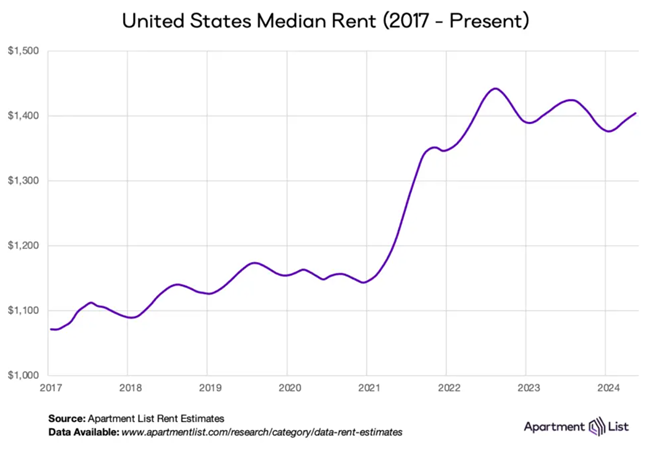
“The national median rent increased by 0.5% in May and now stands at $1,404, but the pace of growth slowed slightly this month. This is typically the time of year when rent growth is accelerating amid the busy moving season, so sluggish growth this month indicates that the market is headed for another slow summer,” Apartment List economists write in the report.

Rent prices in May continued to move up, the fourth consecutive month, Apartment List says in its June report.

Seasonal increases have been mild while seasonal declines have been steeper than usual.

“As a result, apartments are on average slightly cheaper today than they were one year ago. Year-over-year rent growth nationally currently stands at -0.8 percent and has now been in negative territory since last summer. But despite this cooldown, the national median rent is still more than $200 per month higher than it was just a few years ago,” the report says.

Vacancy index continues trending up

With the supply of new apartments coming on line, multifamily occupancy has been slowly but consistently easing for more than two years.

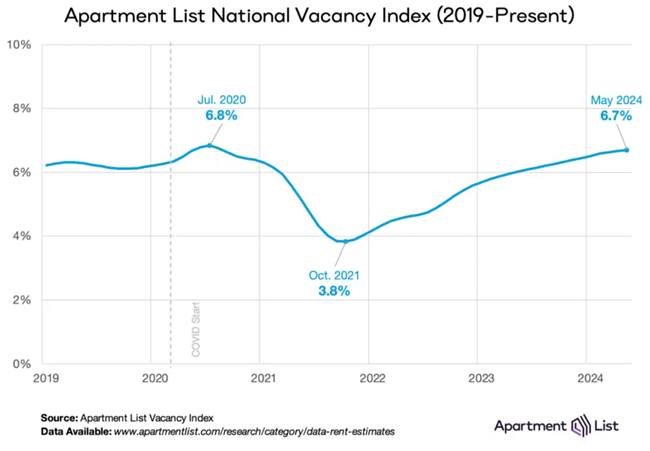
“As of May, our vacancy index sits at 6.7 percent, the highest reading since August 2020. And there’s good reason to expect that it could rise even further during the remainder of the year.

Rent prices in May continued to move up, the fourth consecutive month, Apartment List says in its June report.

“Despite a recent slowdown in new permits being issued and new construction projects breaking ground, the number of multifamily units under construction remains near record levels. (The year) 2023 saw the most new apartments complete construction in more than 30 years, and an even greater number of new units are expected to come on the market this year. This means that renters should have more available options than they have in some time, especially in the Sun Belt markets, where construction activity has been strongest,” the report says.

Conclusion

Rent prices in May show that rent growth is stalling out at a time of the year when it is normally increasing.

“Rent increases are currently being moderated by a robust construction pipeline expected to deliver a decades-high number of new apartment units in 2024. Improving consumer sentiment about broader macroeconomic conditions may be driving a modest rebound in rental demand, but that bounce-back has so far been outweighed by the impact of incoming supply,” Apartment List economists say.

Read the full report here.

Sign Up For Our Weekly Newsletter And Get Rental Property And Apartment News And Helpful, Useful Content Each Week.

* indicates required

We Have A Wi-Fi And Digital Infrastructure Problem: What Do We Do?

Digital infrastructure and Wi-Fi at most apartment communities aren’t built to withstand the connectivity and cyber security needs necessary

Digital infrastructure and Wi-Fi at most apartment communities aren’t built to withstand the connectivity and cyber security needs necessary to support the influx of new technologies that are now the core of modern multifamily operations.

By Andrew Ruhland

 The multifamily industry is becoming increasingly digitized, and operators have no choice but to get on board. The resident experience depends on it. We’ve seen the emergence of tech-centric features such as centralized leasing, smart access controls, self-guided tours and the internet of things (IoT), all of which have completely modernized the apartment leasing and living experience.

However, a number of operators are still missing one critical element – a reliable foundation.

Simply put, many apartment communities can’t modernize the living and leasing experience because they don’t have a connectivity foundation to do so. This means that IT infrastructures at most apartment communities aren’t built to withstand the connectivity and cyber security needs necessary to support the influx of new technologies that are now the core of modern operations.

Residents and associates alike are inconvenienced when their Wi-Fi connection drops. In addition to the normal annoyances of losing a signal – dropped calls or paused streaming – it causes the inability to use crucial smart-home features that keep apartment life humming.

Even operational tools like mobile maintenance and virtual leasing count on a strong foundation. When vital amenities or software lose connection due to inadequate Wi-Fi access, satisfaction tanks for everybody living and working at a property. In an era of instant communication and the need to be connected, operators are having to reimagine their IT infrastructure from the ground up.

In order to help operators better understand the connectivity foundation and how it resolves connectivity issues, it’s best to go back to the basics.

Laying the groundwork

Akin to constructing a home and ensuring the right foundation to build upon is in place, apartment communities must lay the proper groundwork to support seamless, community-wide Wi-Fi connectivity.

If the foundation is shaky, it’ll only be a matter of time before Wi-Fi issues disrupt operations and affect both resident and associate satisfaction.

Opposed to traditional internet service connections, a connectivity foundation seamlessly integrates into an infrastructure and offers connectivity support that reaches the entire community. Fiber-based mesh networking technology, like DPSK, delivers a secure Wi-Fi connection via dedicated fiber connectivity that spans every inch of a property.

In order for any Wi-Fi-dependent components of a community to properly function, the digital framework is the most integral piece of the puzzle. From proptech tools supporting operational tasks to the countless smart-home features appearing at communities across the country, uninterrupted connectivity depends on a sturdy foundation.

“Across our portfolio, nearly every aspect of a community’s daily functions, smart building and home management, prospect and customer experience, as well as community amenities rely on having a stable/reliable Wi-Fi connection,” said Amy Chien, director of strategic innovations at BH Management.

“Prospective residents are looking for cellular strength and internet reliability among their top features needed in their home. Residents were regularly complaining about poor cell-phone connectivity and dropped Wi-Fi signals before we brought on a managed Wi-Fi provider. Our onsite teams were experiencing difficulty executing things like work orders and effective communication. After trying various ways to remedy the problem, we realized it wasn’t a technology or user-error issue, we needed a stronger foundation to achieve end-to-end connectivity.”

Wi-Fi isn’t enough

Although Wi-Fi services do offer connectivity benefits for many properties, a foundation is a physical hard-wired component of the Wi-Fi experience that truly enhances a community’s tech stack.

Due to its forward-thinking mechanics and ability to evolve with new technology and adapt to each community’s individual needs, a strong digital infrastructure adds tremendous value to a property.

“Offering property-wide Wi-Fi enhances the prospect and resident experience, and fast, reliable internet connection through a managed IP is a fundamental need due to the use and demand of the residents we serve,” Chien said. “It ensures that all our proptech, from mobile maintenance to automation, functions efficiently and effectively. Just like the innovations and tools it keeps running, community-wide connectivity adds immense value to our communities.”

Asset Value

From the perspective of the resident, a strong connectivity foundation is of great value. They gain the ability to be on their network no matter where they’re located in the community – in the hallways, parking garages, the gym and all of the common spaces on a property.

Looking at it from an investor and operator perspective, renters want to live in communities that can guarantee a reliable Wi-Fi connection; by delivering a foundation that supports that, residents are more likely to renew their lease agreement when the time comes.

“A strong foundation for connectivity is the basis for all operations,” said Jeffrey Kok, CEO of Aerwave. “It is the enabling technology that lets you do all of the initiatives that drive value for communities. It supports modern amenities and countless operational tools. Once you have it in place, the improvement is immediate and evident in both resident-associate satisfaction and NOI.”

As an extension of smart amenities modern communities encompass in day-to-day operations, a connectivity foundation streamlines the Wi-Fi experience for both owners and residents. Technology is getting increasingly sophisticated and it is more important than ever for operators to ensure community networks are operating optimally.

“Modern residents and onsite teams crave connectivity that they can depend on, and we aim to deliver that,” Chien said. “To build a great community, you need solid infrastructure, which begins with your connectivity foundation. It supports the modern community and will future-proof our investments in technology. This service is not only a vital part of our operations but provides the necessary support to fully thrive and keep all features in our ecosystem up and running.”

About the author:

Andrew Ruhland is an account executive and content writer for LinnellTaylor Marketing, which focuses exclusively on the rental housing industry, its trends and technology innovations.

The Changing Economy and Its Impact on Rent Collection

Photo credit kitzcorner via istockimages

Ask Landlord Hank: What Should I Do If My Tenants Want A ‘Kiddie’ Pool

Ask Landlord Hank: What Should I Do If My Tenants Want A ‘Kiddie’ Pool at my rental

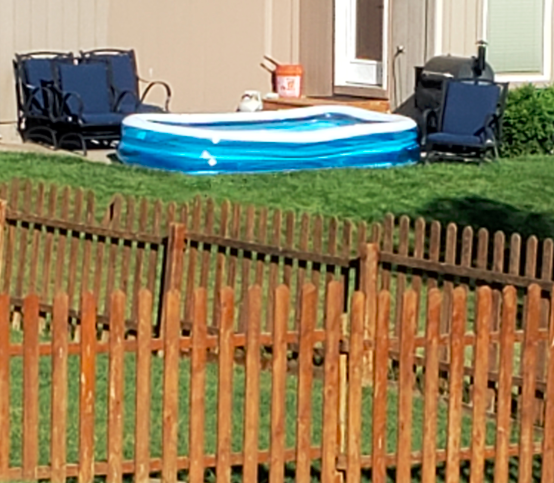
A landlord’s tenants want a kiddie pool in the backyard of the landlord’s rental so that is the question for Ask Landlord Hank. Remember Hank is not an attorney and is not offering legal advice.

Dear Landlord Hank:

My tenants want to have a “seasonal” kiddie pool in my backyard rental. What is my liability? Do I need to have a legal rider to my lease stating terms?

– Denise

Dear Landlady Denise,

Swimming pools are a wonderful luxury for a rental, even a kiddie pool. But you do have liability, as the owner. A couple of questions:

  • Is your yard fenced in?
  • Is the pool going to be emptied after use, or kept full of water?

You definitely need to have an addendum to your lease, as a pool heightens the risk of personal injury or property damage, especially to children. The tenant would have to agree to take all necessary and reasonable precautions to ensure the safety of anyone that comes to the property.

You also need to call your homeowners’ insurance company and see if a pool is allowed or if your insurance could be canceled if a pool were known to be there.

Sincerely,

Hank Rossi

A landlord's tenants want a kiddie pool in the backyard of the landlord's rental so that is the question for Ask Landlord Hank.
Landlord Hank says, “You definitely need to have an addendum to your lease, as a pool heightens the risk of personal injury or property damage, especially to children.”

Ask Landlord Hank Your Question

Ask veteran landlord and property manager Hank Rossi your questions from tenant screening to leases to pets and more! He provides answers each week to landlords.

  • This field is for validation purposes and should be left unchanged.

Do I Have to Paint and Replace Flooring for a Long-Term Tenant?

Sign Up For Our Newsletter And Get Rental Housing And Apartment News And Helpful, Useful Content Each Week.

* indicates required

Who’s Responsible For Smoke Detector Batteries In Rentals?

Can I Enter My Rental If Tenant Moves Out Early But Lease Is Still In Place?