Home Blog Page 4

Proposed Utah Bill Takes Aim at Hidden Rental Fees

A proposed Utah bill would require rental fee disclosure before a prospective tenant sees an agreement and be disclosed in advertising

A proposed Utah bill would require rental fee disclosure well before a prospective tenant sees an agreement, and the information must happen in the rental advertising.

The bill’s sponsor is state Rep. Tyler Clancy, R-Provo. “We’re making sure that they (consumers) have an expectation that the marketplace is being honest and transparent,” Clancy said.

HB29 bans hidden rental fees by requiring a listing or an advertisement for a rental to disclose the total price.

“When you’re not being upfront about your price, that could be anti-competitive in nature because you’re not really advertising your product,” Clancy told KSLTV.com. “Setting an expectation that families can know if something fits into their budget or not, I think that’s a reasonable thing.”

“The extra fees then should be baked into the price,” said Katie Hass, who leads Utah’s Division of Consumer Protection — which will enforce HB29 if it passes. She says the listed rental price must reflect the real price a tenant will have to pay to live there, excluding personal utilities. And that price, she said, cannot be a range that depends on variable or seasonal fees.

Federal scrutiny and Greystar’s response

At least eleven other states have similar laws about disclosing hidden rental fees in listings or ads. And in December, the Federal Trade Commission and the state of Colorado reached a $24 million settlement with rental housing giant Greystar over allegations it deceived renters with hidden fees.

“These little fees, at the end, they create a bitterness to our economy that we don’t want here in Utah,” Hass said.

Derek Seal said the Utah Rental Housing Association maintains a fund that reimburses application fees for renters who did not receive full disclosure when they applied. You can apply at its webpage.

Some Early Signs In 2026 As Rents Find Some Footing

Multifamily 2026 rents saw a modest January increase but heavy supply and economic uncertainty point to a fragile recovery

U.S. multifamily rents posted a modest increase in January, snapping a five-month decline, but heavy supply, slowing absorption and economic uncertainty point to a fragile recovery as the spring leasing season approaches, Yardi Matrix says in a Rent Forecast report.

Pipeline supply, along with affordability concerns, weigh on advertised rent growth going into 2026. Heading into another year of higher-than-average deliveries in large Sun Belt markets will continue the downward pressure on national advertised rents.

Affordability concerns will limit growth in the renter-by-necessity segment while bright spots remain across the Midwest and Northeast.

Ending 2025, there was a wide distribution of market performance across geographies and city sizes. For every big Sun Belt market like Austin that ended the year with negative growth there were two medium-size markets in the Midwest or Northeast that saw significantly better growth than historical averages.

“We anticipate the story this year will be largely similar. The pipeline of properties expected to deliver in those same big Sun Belt markets is still historically large, and those markets are still struggling to absorb the massive influx of apartments that was turbocharged in the wake of demographic shifts from the pandemic.

Not a doom-and-gloom forecast

“This isn’t a forecast of doom and gloom for those Sun Belt markets, though—economically, they are generally doing well, and new apartments are getting absorbed.

“There just was—and continues to be—such a glut of new supply that it is taking a few years to work through.”

Concern over economy with workforce tenants struggling

The workforce group of tenants – or renters-by-necessity – are affected when economic gains are concentrated at the top while lower income consumers are financially struggling.

“This will make it harder to attain average increases in advertised rents, as given a long enough timeframe, the bulk of growth across almost every single market we track comes from the renter-by-necessity, workforce housing segment. Lifestyle apartments generally follow a boom-and-bust pattern, but workforce housing historically has seen steady, consistent growth in asking rents that outperforms lifestyle in the long run,” writes Andrew Semmes, senior research analyst for Yardi Matrix.

“It will be more difficult to achieve gains in overall advertised rents if the people renting workforce apartments don’t have steadily increasing incomes on average,” Semmes writes.

“Nationally, we have lowered our near-term national forecast to 0.5% growth in advertised asking rents for 2026, 1.0% in 2027, and 2.3% in 2028 before returning to the long-run average of 3-4%.”

Read the full report here.

Congress Balks At Trump Plan To Ban Big Investors From Single-Family Homes

Lawmakers are resisting codifying into law President Donald Trump's plan to ban on big investors buying single-family homes

Lawmakers in the House and Senate are resisting codifying into law President Donald Trump’s plan to ban on big investors buying single-family homes, according to a media report on Monday.

Trump has said he wants to ban institutional investors in housing, but experts are skeptical it would lower costs and believe it instead may raise housing costs.

The Trump proposal is meant to improve housing affordability, but large institutional investors represent only a small share of the market. Firms that own 100 or more single-family homes control roughly 2% of the nation’s single-family housing stock, according to John Burns Research and Consulting — raising questions about how much impact such a ban would have.

The Trump administration has been pressuring both chambers to include amendments to add the investor ban to major housing bills already working their way through Congress. The resistance aligns with traditional free-market proponents, Wall Street executives, and the home-builder industry.

The legislators have been working for months on housing packages in both the House and Senate. Adding investor-ban amendments threatens to upset the bipartisan momentum they’ve gained, the Wall Street Journal reported.

The House is working on some amendments, but the Senate is a different story, as Trump would have to convince Republicans to add an investor ban to the ROAD to Housing Act, a bipartisan package meant to increase affordable housing and reduce rental costs. Some Republicans do support the idea, but a significant number remain opposed, according to the Wall Street Journal.

Can AI Help Property Managers with Inspection Reports?

A company has launched a AI property management tool it says can make property inspection reports faster, consistent and easier to act on.

A company has launched a new AI property management tool it says can make property inspection reports faster, consistent and easier to act on.

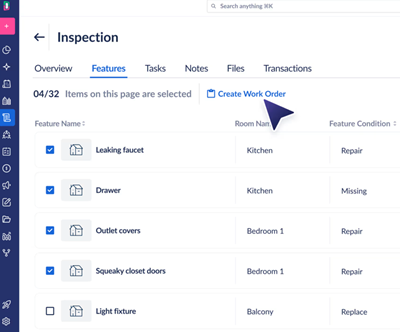
DoorLoop says it uses guided multi-photo capture and instant report generation to automatically structure, interpret, and compile the entire property inspection, from first photo to finalized documentation.

Eliminating the typically manual, sometimes-error-prone pen-and-paper process, the tool flags potential issues, formats standardized inspection reports in real time, and creates work orders instantly from the captured data, eliminating the need to sort through notes and photos back at the office.

“Our mission is to help property managers operate more efficiently,” said Ori Tamuz, founder and CEO of DoorLoop. “Processes like inspections that once required significant time can now be completed more quickly, with information that is organized and easier to act on, by automating routine workflows and simplifying day-to-day operations.”

Key features of DoorLoop AI inspection include:

  • Consistent on-site inspections: Capture every room and detail in a guided flow, so inspections are completed thoroughly and documented the same way every time.
  • AI-powered inspection organization: Automatically organize photos and notes into a clear, structured inspection record—without manual sorting or cleanup.
  • Legally structured inspection reports: Generate compliant, professional PDF inspection reports in real time, ready to share, store, or reference when it matters most.
  • Bulk maintenance follow-up: Turn inspection findings into multiple work orders at once, so teams can act faster across units and properties without repetitive setup.

Delivery Drone Crashes Into Apartment Building

There is a potential new headache for property managers now as an Amazon delivery drone crashed into an apartment building in Dallas

There is a potential new headache for property managers now as an Amazon delivery drone crashed into an apartment building in the Dallas suburb of Richardson.

An Amazon Prime Air MK30 drone hit the side of the apartment building and crashed to the ground. The company is working to make minor repairs to the apartment building related to the collision.

Witnesses said the propellers on the drone were still moving when it hit the apartment building “and you could smell it was starting to burn. Luckily, nothing really caught on fire” where it hit the building.

Firefighters arrived at the scene of the crash, where they examined the smoking machine. The first responders helped Amazon workers collect the drone pieces and load them onto a truck.

The incident occurred about two weeks after Amazon temporarily suspended its commercial drone delivery operations in Texas and Arizona following the crash of two of its UAVs in rainy weather at a testing facility.

The crashes, which occurred at Amazon’s testing site in Pendleton, Ore., were attributed to a software malfunction caused by light rain.

Amazon’s MK30 drones have been delivering packages in College Station, Texas, and Tolleson, Ariz., after the company won approval from the Federal Aviation Administration in October.

The Growth of Rent-Now, Pay-Later Plans

A number of companies are offering rent-now, pay-later plans that pay the landlord in full each month, then charge the tenant smaller amounts

A growing number of companies are now offering rent-now, pay-later plans that pay the landlord in full each month, then charge the tenant smaller amounts two or three times over the course of the month.

Companies such as Flex, Livble and, more recently, Affirm, say breaking rent into multiple payments can help renters manage cash flow. But consumer advocates warn the products typically function like short-term loans, layering fees onto already-strained budgets and, in some cases, carrying triple-digit effective interest rates — raising questions about whether they ease financial pressure or deepen it.

Launched in 2019, Flex is one of the largest companies focused on splitting rent payments. The company says its 1.5 million customers now send about $2 billion a month in rent through its system, and several of the country’s largest landlords accept Flex as a payment option.

Flex says most of its customers are lower-income renters with weaker credit profiles. The company reports a median credit score of 604 among its users and says about one in three customers works more than one job to make ends meet.

Kellen Johnson, 44, told the Associated Press he started using Flex to split up his rent payments about two years ago. Instead of paying the whole $1,850 of his rent on the first of the month, Johnson would pay $1,350 on that date, and $500 on the 15th. For the service, Flex collected a $14.99 monthly subscription fee, as well as 1% of the total rent, which for Johnson was $18.50, bringing his monthly charges for the app to more than $33.

“Renters should be skeptical of any financing providers that have partnered with a landlord and be skeptical of anything that sells itself as no fees or no interest,” said Mike Pierce, executive director of Protect Borrowers. Pierce previously worked at the Consumer Financial Protection Bureau.

5 Steps To Going Smoke-Free In Your Multiunit Housing

Enforcing a smoke-free policy may seem like a daunting task so here are 5 steps to going smoke-free in your multiunit housing.

By The Department of Health and Human Services
Tobacco Prevention and Control

Enforcing a smoke-free policy may seem like a daunting task, but with clear communication and implementation, you will find that offering safer, healthier housing is beneficial to your investments and residents.

Use the steps below to get started, and visit TobaccoFreeUtah.org for more information.

Step 1: Learn Why Smoke-free Is the Best Choice

Smoke-free policies have been enforced in public housing authorities for over four years. The U.S. Department of House and Urban Development gave all public housing authorities the notice to comply to a smoke-free policy by July 30, 2018.

While this rule covers public housing units, it is also strongly encouraged that excluded properties enact a smoke-free policy and, in Utah, that these properties include the use of electronic cigarettes and other electronic smoking devices in their smoke-free policy.

 Secondhand smoke from just a few smokers can permeate the air for all residents. Properties that allow smoking put nonsmoking residents at risk to secondhand smoke exposure, which is commonly linked to heart disease, lung cancer and stroke. Smoking also has costly effects on property maintenance and fire safety. The safest, most cost-effective solution for all is a comprehensive no-smoking policy.

Step 2: Connect with Local Partners

Implementing change is easier with support. Contact your local Tobacco-Free Community Partnership program to learn how it can support you and your residents during the process.

You can also contact your local health department to ask for help learning local laws about smoke-free policies, how it protects your residents, and even receive resources on how to help residents who are looking to quit smoking.

Step 3: Inform Your Residents

Make sure to: communicate the policy change; why it is being implemented; and when it will be taking effect. Give residents several months’ notice and share the news in resident newsletters, bulletin boards, emails, and even hold an informational meeting. This can help reduce opposition and increase support from your residents.

A smoke-free policy doesn’t mean residents have to quit smoking; although, many may want to try. Provide resources on how they can quit, including free and confidential tools from waytoquit.org.

Make a Plan

First things first. Set a date! Setting a smoke-free policy start date allows both residents and staff to prepare. Train your staff on how you’d like the policy to be enforced, including how violations and complaints will be handled.

Most smoke-free policies are implemented through a lease addendum, which residents will sign during recertification or renewal.

Step 4: Implement Your Smoke-Free Policy

Have your current residents sign the new lease addendum and make sure your staff, visiting property members, contractors, and any service providers know the new rules.

Make sure to clearly mark that your buildings are smoke-free and mark the designated outdoor smoking areas if they pertain to your policy. Be clear about the rules and check to make sure residents are following the new policy.

Step 5: Share the News

Work with local media to share that your property has gone smoke-free. Update your website to ensure it highlights that you have a smoke-free policy.

And finally, celebrate your hard work and what going smoke-free means for your residents! Consider hosting a small event with treats and information on the benefits your housing offers. After all, providing safe housing that prioritizes residents’ health through measures like smoke-free policies is something everyone can enjoy.

Sign Up For Our Weekly Newsletter And Get Rental Property And Apartment News And Helpful, Useful Content Each Week.

* indicates required

FTC Plans To Set Rules And Regulation On Rental Housing Fees

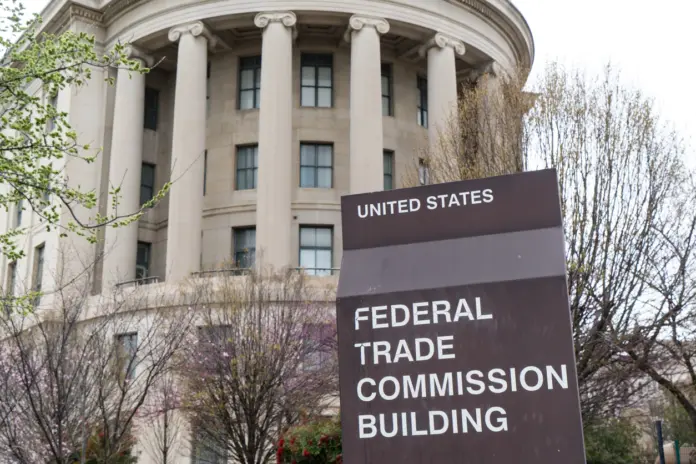
The Federal Trade Commission (FTC) says it is asking for authority to set rules and regulate fees in the rental housing market.

The Federal Trade Commission (FTC) says it is asking for authority to set rules and regulate fees in the rental housing market.

The FTC is planning a “significant regulatory action” and must undergo review before the FTC can issue it, according to the Office of Information and Regulatory Affairs within the Office of Management and Budget.

FTC Chairman Andrew N. Ferguson said, “For too long, Americans have been unjustly squeezed of their hard-earned pay by hidden fees and other unfair or deceptive business practices in housing rental markets. The American consumer deserves honesty and transparency in housing rental agreements.

“To that end, we will be soliciting public comment on the need for a new rule to prevent the imposition of deceptive or unfair fees on renters seeking long-term housing options. Congress has empowered the FTC to promulgate rules that aid in enforcing our nation’s laws against unfair or deceptive trade practices and a new rule may enhance our capacity to bring enforcement actions against violators of those laws.”

On December 2, 2025, the Federal Trade Commission and the Colorado Attorney General announced a $24 million settlement with Greystar Real Estate Partners, resolving allegations that the company misrepresented rental pricing by advertising base rents without disclosing mandatory monthly fees.

The Greystar settlement serves as a reminder that comprehensive price transparency is quickly becoming an agency priority across many industries. While the current Rule on Unfair or Deceptive Fees is limited in scope, the FTC is clearly prepared to pursue undisclosed mandatory fees wherever it finds them—and the housing sector may well be next in line for formal rulemaking.

At the time of the Greystar settlement, Ferguson emphasized the importance of clear pricing in essential markets, noting that misleading housing fees “deserve the commission’s full attention.” He also indicated that he has “directed commission staff to begin the process of proposing a rule to address unfair or deceptive fees in rental housing.”

6 Steps To Comply With Seattle’s First-In-Time Law

6 steps to comply with Seattle's first-in-time law requiring landlords give screening criteria notice and offer to first qualified applicant

First-in-time requires that Seattle landlords provide notice of their screening criteria and offer tenancy to the first qualified applicant who completes an application.

Step 1

Gather information. You must provide notice in writing to applicants before you collect applications or materials.

Step 2

Create a notice that includes:

  • Minimum criteria to qualify.
  • All required documents or information.
  • How to request additional time for language access or reasonable accommodation for a disability.
  • Whether the property has set aside units to serve vulnerable populations.
  • Information about Seattle’s Fair Chance Housing Law

Step 3

Post the ad notice. Record the date and time each application is received. An application is complete when all the information asked for in the notice is provided. For people with disabilities ore language access needs, the date and time for a completed application is the date of the request for additional time.

Step 4

Screen applications. Applications must be reviewed one at a time in chronological order. Reviewing more than one application at once is a violation of the law.

  • If you need additional information, you must give at least 72 hours for the application to provide the information.
  • Follow Seattle’s Fair Chance Housing Law requirements

Step 5

Offer tenancy to the first applicant that meets the screening criteria.

Step 6

Applicant accepts offer within 48 hours. If the applicant does not accept within that time, you can screen the next application in chronological order.


3 Steps For Dealing With Tenants And Frozen Pipes

3 Steps For Dealing With Tenants And Frozen Pipes

Here are 3 steps to help deal with tenants and frozen pipes and hopefully avoid the problem in your rentals and the maintenance calls that can result this winter from Keepe.

No. 1 – The preventative methods for tenants and frozen pipes

There are several things that property managers should do to prevent pipes from freezing in their rentals.

Give your tenants specific notice to keep kitchen and bathroom cabinet doors open at all times during freezing weather, and be sure any garage doors are closed. Keeping these doors open allows warm air from the house to enter under cabinets and sinks.

Allow the cold water to drip from the faucets, and be sure your tenants keep the thermostat set to the right temperature.

You may want to consider adding some insulation in key areas as a long-term solution if your keep getting repeat problems with frozen pipes.

No. 2 – Thawing after it happens

If the prevention fails and you end up with tenants and frozen pipes, here are a few tips to identify and thaw frozen pipes in your properties:

  • When a faucet is turned on and only a few drops of water come out, it is highly likely that the pipes are already frozen.
  • Do not rush into warming the pipes because if the water thaws, there might be risks of the water flooding your property.
  • The right approach to take in this situation is to turn off the water source at the meter, and heat the sections of the pipes where the freezing has started in order to thaw them.

No. 3 – Time to call the professionals

If you suspect that there is a bigger problem than the frozen pipes that can be fixed with a little heating, it is definitely advised for property managers to call in professional plumbers. They will have the right tools to assess the frozen pipes and determine whether they should be thawed or repaired.

If your tenants failed to take the preventative steps outlined above, you may want to add something into your leases (if it is not already there) about responsibility for frozen pipes and who pays the bill if preventative steps are not taken.

About Keepe:

Keepe is an on-demand maintenance solution for property managers and independent landlords. The company makes a network of hundreds of independent contractors and handymen available for maintenance projects at rental properties. Keepe at https://www.keepe.com

Sign Up For Our Weekly Newsletter And Get Rental Property And Apartment News And Helpful, Useful Content Each Week.

* indicates required