
Home Blog Page 200

Pet-Friendly Workplaces Improve Employee Morale And Retention

Pet-friendly workplaces improve the morale and retention of employees, according to a new survey.

Research has found that employees who bring their pets to work tend to have lower stress levels by the end of the day, and that their pet can help reduce blood pressure, decrease loneliness, help lower cholesterol levels and encourage physical activity, according to a release.

The survey called Pets At Work, done by Penn Schoen Berland (PSB), an independent research company and commissioned by Purina, found that  pet-friendly work environments are viewed as both exciting and innovative, and even discovered that more than half of dog owners in pet-friendly workplaces bring their dog to work at least once a week in addition to lunch meetings, work parties and meetings with their boss.

Pets at work more valuable than free coffee and parking

The data on pet friendly workplaces comes from a recent survey conducted May 11-16, 2017 among 1,004 U.S. general population respondents currently employed, including those who work in pet-friendly workplaces. 

Employees at pet-friendly organizations ranked having pets at work second in terms of most valuable work benefits – ranking higher than free coffee and parking.

Additional findings about pet-friendly workplaces from the report:

  • 63 percent of employees in pet-friendly workplaces indicated they are "very satisfied" with their work environment – and this is nearly twice as many as those in workplaces where pets are not allowed
  • Eight in ten people in pet-friendly workplaces also say that having a pet at work would make them feel more happy, relaxed and sociable
  • 65 percent of employees at pet-friendly workplaces say that it is important to them that a potential employer allows pets
  • 19 percent of cat owners in pet-friendly workplaces bring their cat to work daily; 20 percent of dog owners bring their dog daily
  • One in three people in non-pet-friendly workplaces wish they could bring their pet to work

Three out of five employees wish they had pet-friendly workplaces

pet friendly workplaces improve employee morale and retention

"Pets bring a wealth of benefits – both physical and emotional – to pet owners and their families, so it's no surprise those same benefits also apply to the workplace and employees," Dr. Kurt Venator, DVM, PhD, and Purina's Chief Veterinary Officer, said in the release.

 "Whether a pet helps provide a calming sense during a challenging situation or encourages employees to take a walk during their lunch break, here at Purina, we experience the benefits of pets at work every day and want others to as well.

 "Based on the findings in the report, three in five of those surveyed who wish their workplace had a pet-friendly policy said they would spearhead efforts to make it happen," Venator said.

 "With that said, our hope is that the annual report will continue to raise awareness and arm employees and employers with insight that can help facilitate pet-friendly environments within their companies," he said in the release.

Purina released the report In celebration of National Take Your Dog to Work Day on June 23.

For almost 20 years, Purina has encouraged its associates to bring their pets to work, while recognizing the positive impact pets can have in a professional environment. The pet food maker wants other companies and organizations to follow suit and open their doors to pets, according to the release.

 To help other employers who are considering starting their own Pets at Work program, Purina has created a digital toolkit with tips and tools such as office checklists, signage and authorization forms. The free toolkit is available for download at www.purina.com.

About Nestlé Purina PetCare

Nestlé Purina PetCare promotes responsible pet care, community involvement and the positive bond between people and their pets. A premiere global manufacturer of pet products, Nestlé Purina PetCare is part of Swiss-based Nestlé S.A., a global leader in nutrition, health and wellness.

About the Survey

Penn Schoen Berland (PSB), an independent research company, conducted the poll on behalf of Purina, distributing 1,004 total online interviews among U.S. general population respondents who are currently employed, including those who work in a Pet-Friendly workplace, between May 11-16, 2017. Randolph T. Barker, Janet S. Knisely, Sandra B. Barker, Rachel K. Cobb, Christine M. Schubert, (2012) "Preliminary investigation of employee's dog presence on stress and organizational perceptions", International Journal of Workplace Health Management, Vol. 5 Iss: 1, pp.15 – 30.

Photo credit top LightFieldstudios and photo credit bottom Humonia via istock.com

 

Man Who Shot Portland Property Managers Sentenced to 13 Years

A man who shot two employees working as property managers at the Cascadian Terrace Apartments in Portland during an eviction last December has been sentenced to 13 and a half years in prison, according to reports.

Reynaldo Diaz Cabrera who pleaded no contest in April to two counts of attempted murder was formally sentenced in May.

The two managers for Guardian Real Estate Services, working at Portland’s Cascadian Terrace Apartments developed by Community Development Partners, were shot and wounded by Cabrera during an eviction.

Doris Bray, 64, and Bill Maddrell, 45, were shot after Cabrera walked into the apartment management office and shot them.  Police later said Cabrera told them he fired the gun shots because he was mad about being evicted from his apartment.

Property managers just doing their jobs

During the sentencing, Bray’s daughter, Roxanne Wilson, told the court it had taken more three months to take Cabrera to court to get the eviction due to a list of items he had been cited for.

“She was doing her job and doing it well,” Wilson told the court according to Oregonlive.com. “Residents felt unsafe because of him, and my mom was doing everything she legally could.”

Wilson said her mother was traumatized and suffers from post-traumatic stress disorder and depression, according to Oregonlive.com.

What property managers can do to protect themselves

Community Development Partners, the company that  developed the apartment complex and hired Guardian to manage it, offered some thoughts earlier this year in a report on what could be learned from the shooting to help other property managers possibly avoid such issues in the future.

Part of the advice to help property managers is a suggestion that It might be wise to talk with the police if there is a concern of a threat. The police can escort the manager to the occupant’s unit to help ensure the manager’s safety.   If the tenant fails to vacate upon eviction, management can take advantage of a police lock-out.

The police can escort the person off the property, and set a time for the person to come back and pick up their belongings when management can arrange for more security to be present.  These resources should be used carefully, however, as they can inflame a situation, according to the report.

Read more here on ways property managers can protect themselves from violent tenants.

Photo credit dzyx via instockphoto.com


Tenants United Protests Portland Property Managers Awards Ceremony

Protests by Portland Tenants United  happened for the second year in a row at the annual awards ceremony of a Portland property management association as pickets showed up at the event, according to various reports.

The protesters were at Multifamily NW’s annual recognition ceremony for outstanding work by property managers in the Portland area, called the ACE awards, held by Multifamily NW which is an association promoting quality rental housing.

Demonstrators lined the sidewalks around the event. There was no report on how many demonstrators were at the event.

"We reject the fact that in an unprecedented housing crisis that they celebrate raising rents," Margot Black, PTU co-founder told the Portland Tribune in an interview prior to the event. "We intend to be as much of a nuisance as possible."

Protests targeting the wrong people

A spokesman for Multifamily NW pointed out that the protestors were targeting property managers while it is the property owners of apartment buildings who make decisions about rent increases and eviction policies.

“Portland Tenants United was off-target in its protest,” John McIssac said in an email release. “It is in no way a political event, and it has nothing to do with property owners.”

“The ACE Awards serve to recognize excellence among Multifamily NW property management employees—the people who work with property owners and tenants to make living in, working at and owning a multifamily property the best experience it can be. Each year we come together to acknowledge and celebrate the work of property managers, leasing associates, maintenance personnel, and compliance specialists, all of whom make Multifamily NW properties among the very best in Oregon,” he said.

Protests comes as Oregon legislature considers rent control

A bill that lifts the ban on statewide rent control and leaves the rent control issue up to cities has passed the Oregon House 31-27 and  is now under consideration in the Senate.

The bill, HB 2004, also prohibits no-cause evictions.

The measure would allow cities and counties to enact local ordinances that would control how much landlords could raise rents each year, Oregon Public Broadcasting reported.  Currently, there’s a statewide ban on such ordinances.

House Bill 2004 is part of a package of legislation meant to address the state’s growing housing crunch.

"This is the second annual disgrACE Awards," protest co-organizer Hannah Howell told the Portland Tribune. "While renters all over the state are being displaced and priced out of their homes and neighborhoods, their children are being pulled out of their schools because of the housing crisis, the folks who are responsible for these rent increases and evictions are treating themselves to a really fancy dinner and patting themselves on the back for those impacts that they've caused in people's lives. We came here to draw attention to that."

Photo copyright Multifamily NW from last year's protests at ACE awards.

Keep up with protests about rents and landlords with our weekly email newsletter. Sign up here.

Do I Have To Pay For Tenant Housing While I Fumigate Apartments?

An apartment building owner has to fumigate apartments due to termites and wants to know how to handle the issue as well as the tenants. Here are several things to consider say blogger Richard 'Monty' Montgomery.

Reader Question: I need termite fumigation. ​I own property in located in Florida, where termites are a big part of the pest population. I will be selling the five unit building soon, and four units are rented currently. Two of the four units have leases expiring in July. The property has to be tented to exterminate the little buggers. When they fumigate, the building must be empty.

  • Do I have to pay for these four tenants who have pets to stay somewhere?
  • Do I make the reservations for them or do they?
  • How  ​do I control the costs for it?
  • Do I have to send them a letter in regards to this?
  •  How does it work?

Monty’s Answer:​ The answer will assume that your leases do not contain any pest abatement language. Otherwise, your contract documents would provide much of the information you seek. Amending your leases to include a pest abatement clause may improve the property’s marketability. Be certain the lease contains language that conforms with all the state and local building and health laws. Because each state’s laws are different, consulting an attorney practicing in your state is the practical solution to implement the additional lease clause.

According to the website Sciencing.com, the discovery of termites has occurred in every state except Alaska. Termite damage is seldom discovered in the drier, higher latitude states while southern and southwestern states experience significant termite damage.

Because you have no pest clause in your lease, you have to create a plan to fumigate apartments based on timing, legal requirements, tenants’ circumstances, the cost to implement fumigation, and more.

Here things to consider if you have to fumigate apartments:

  • Coordinate the fumigation when the fewest tenants occupy the building. Vacant units may reduce your costs. As an example, July is right around the corner, are the tenants with their leases expiring, moving out? If they are moving out, and you have a current vacancy, you will only have to deal with two occupied units. You re-rent after fumigating. You need to talk with your tenants to make a plan.
  • ​Negotiate a daily room rate allowance. A four-day fumigation duration, a hotel room, plus a daily meal allowance per occupant per day, provides you with a per-person per-day cost. Writing a letter in itself is likely not enough information to prepare a tenant for this event. Perhaps a letter that explains your plan and asking for a time to meet and discuss it, or meeting first and then a follow-up letter to confirm the agreement. How long will your structure be tented? Do they offer a guarantee? Will pets be affected on re-entry? Tenants will be interested in gathering this kind of information.
  • Ed Smith, of RE/MAX Coastal Properties in Destin, FL, stated, “The prices for fumigation can vary widely. I would suggest that the landlord call two trusted local real estate brokers for recommendations. Based on my experience, the bigger national firms are often the highest prices, yet not always the best. Three quotes from providers are sensible. Hugely important are the warranties. These will vary tremendously!”
  • Smith also noted that “going from four units to five units can be a factor in some rule changes,” so be confident your advisor understands this difference and researches the law.
  • It may be possible is to sell the building with the termite infestation, and let the buyer deal with it. Offer the building at fair market value, less the cost of the fumigation, less an incentive to the purchaser for managing the work.
  • Tenants may also be the cause of termite infestations, so understanding the impact of state law, health codes and housing regulations is such cases. Furniture has been known to house termites, unreported water penetrations, and other sources of termites’ food source, cellulose, can initiate a new colony. Most often, a landlord’s lack of diligence, ignorance of preventive measures or poor maintenance are the cause.
  • Tenants with health related concerns in some states could resist fumigation with a letter from a physician stating the danger to their patient’s safety. There are a variety of chemicals used in different circumstances to fumigate apartments. Make your tenants aware of the product.
  • Termites can be discouraged with preventative measures such as rain gutter extensions to move water away from the foundation, construction materials that termites do not eat, decorative stone landscaping and other measures.

Now you have some talking points to help you deal with termites both in your lease document and in your building.

About the Author:

Richard Montgomery gives no-nonsense real estate advice to readers’ most pressing questions through his website Dear Monty. He is a real estate industry veteran who has championed industry reform for over a quarter century. He knows real estate investing, from up-close, get-your-hands-dirty rehab to armchair investing using your self-directed IRA as your funding vehicle. In his nearly half-century in the industry, Monty has bought and sold investment properties, founded a real estate brokerage company using a non-traditional consumer driven model, run his own successful brokerage and is former CEO of Corporate Relocation Services. He is a consultant to businesses and entrepreneurs and also shares his knowledge with inquisitive readers through syndicated newspaper columns. You can ask him your real estate questions at www.DearMonty.com.

Stay on top of fumigate apartment questions with our weekly email newsletter. Sign up here.

Apartment Pet Amenities Draw Millennial Tenants

Luxury style pet amenities are a new feature that apartment developers and property management companies are putting in place to draw the increasing number of younger tenants who have pets and want to rent.

By John Triplett

Rental Housing Journal

Apartment developers are creating new spaces both inside buildings and outside to build in more pet-friendly amenities and services for tenants.

In a recent interview, Kristen Gucwa, vice president of national lease-up operations at Richman Signature Properties, talked about some of the top pet amenities in their pet-friendly properties in Florida, Colorado and Texas.

“We have luxury rentals in several states and we do a lot of research when we go into these areas. What we are finding is that a pet is an incredibly important member of the family. So we do need to realize that and make them feel just as welcome as any other member of the family as they are moving in,” Gucwa said.

75 percent of millennials have pets

“We work with BarkBox as one of our partners and they have some research that shows 75% of millennials currently have a pet – just a phenomenal number,” Gucwa said. ”And, most of our renters are millennials and GenXers, so when you are working with them, you look for new ways to pamper their furry friends and put together pet-friendly living spaces.

“Some of the things we do is put pet parks in our properties. You usually do not find great spaces for your pet to run around in downtown areas in apartment complexes.

“We have a project in downtown Tampa called Aurora that has a fantastic pet park so you actually have green space for your dog in a downtown location. Some of our locations have agility courses which are great because they get to run around and have fun.

“We also do social events where they can come out with their pet for our ‘Yappy Hours’ which are always incredibly popular. We will do our pet dress up days where they bring them out for prizes. A lot of our events you can bring your pets to. It is more of a social, inviting aspect that we want to have at our properties,” she said.

Pet spas one of the newest apartment pet amenities

Pet amenities at Richman Signature Properties include pet spas

Photos copyright Richman Signature Properties

“One of the newest amenities that we have are our pet spas. They have gotten more and more high-end, and more inclusive of some of the amenities you would find in an outside pet spa that you would pay for – but here it is right downstairs in you building,” Gucwa said.

“These are walk-up tubs, a place to dry – huge spaces that we are dedicating in our buildings to these areas which are incredibly important to our renters.

‘They are huge spaces that fit both large and small dogs, and they do get used quite frequently.”

She said most of their newer project properties now have the pet spas.

Pet amenities and move-in gifts

“We partnered with BarkBox, a popular pet toy and treat service, and our residents can choose it with their move-in gift. We have several different types of move-in gifts too such as the live healthier fitbit move-in gift, or an interior design option with an outside company called Laurel & Wolf. Or they can choose their move-in gift to go to their pet, such as BarkBox.

“BarkBox is a little gift you get each month with different toys and treats delivered to your apartment that are customized to your pet. So each month for the first three months your pet gets that subscription we offer as a gift when you move in.

She said tenants have been very excited about these amenities.

“BarkBox has become one of the more popular move-in gifts.” And “our Yappy Hours” are one of the most well-attended events that we have each month. So it’s a great way for our residents to socialize.  It is a little bit easier and less intimidating when you can bring your pet with you.”

She said some of their properties are also involved in monthly pet photo contests. And, all of their properties also do pet DNA testing.

Richman Signature Properties has three properties in South Florida, four properties in the Tampa Bay area, opened the first one in Dallas last year across from White Rock Lake and the newest is in Denver in the LoHi area, she said, and more under construction.

“Our property in St. Petersburg, Florida has an agility park and a place to do the dog wash right there in the park. So they really range between the properties,” she said.

Are competitors matching pet amenities?

Gucwa said they are starting to see some of their competitors starting to do some of the same things with luxury pet amenities.

“One of the things that sets our properties apart is probably the social element. We add to it with our partnerships like the one with BarkBox and the different events we do with them. Or, the Yappy Hours  which we are doing which are more on a consistent basis. It is really about the social connectivity and becoming part of the local atmosphere in the community.

“So I think that sets us apart a little bit, but you are seeing a lot more of the local apartment communities becoming much more aware of the fact that they have to adapt to the folks who have pets. And that they are an incredibly important part of their lives.

“Some of the events we have coming up are partnering with groups, like the Humane Society, where we will do pet adoptions and we will waive your pet deposit. That way we can encourage people to adopt as well and give back,” she said.

Some of the move-in gifts offered:

  • Live Furrier: Residents receive a complimentary three-month subscription to popular pet toy and treat service Barkbox.
  • Live Prettier: Residents receive complimentary interior design services from designers Laurel & Wolf.
  • Live Easier: Residents receive a complimentary membership to Shipt.
  • Live Healthier: Residents receive a complimentary Fitbit and fitness gear.

About the Richman Group:

The Richman Group,  a rental property development company and seventh largest owner and operator of residential apartments in the country, has 15 Richman Signature Properties in Florida, Texas and Colorado with more to come in Los Angeles and other locations. These projects range from 240 to 417 residences, depending on their location and market. Some are in urban areas and others in suburban settings, with studios to three-bedrooms ranging from $1,200 to $2,800 per month. What they all have in common is accommodations for pets.

First in Time Lawsuit: Yim et al. v. City of Seattle

By Evan L. Loeffler

The First in Time lawsuit continues. The City of Seattle filed an answer to the plaintiffs’ complaint in early April essentially denying all relevant allegations and claiming the matter should not be litigated.

In 2016, the Seattle City Council enacted the “First in Time” ordinance restricting landlord’s tenant-selection process by requiring landlords to rent to the first applicant that satisfies the landlord’s advertised rental criteria.  A group of landlords sued the city, arguing that the ordinance improperly violates landlords’ constitutional rights. The complaint argues that the First in Time ordinance improperly affects the rights of landlords by violating the constitutional “takings” clause, the landlords’ right to due process and the landlords’ right to free speech.

The plaintiffs’ first allegation is that the ordinance is an impermissible “taking.”  The Washington State Constitution provides that the government may not appropriate the property of a private citizen without just compensation.  In other words, the government may not take a citizen’s property without paying for it. This is also a right protected under the U.S. Constitution.

First in time lawsuit curtails rights plantiffs say

The plaintiffs allege that since the right to sell or lease property to a person of the owner’s choosing is a protected property right (the Washington State Supreme Court ruled as such in 2000), and since the First in Time ordinance curtails that right by requiring owners to rent to the first qualified applicant, the City has taken a property right without compensation.

The City filed an answer to the complaint denying that denies this is a taking and therefore no just compensation is required.  The City may argue later that, to the extent there may be a taking, it has a right to do so in order to advance a legitimate public purpose whose importance outweighs the individual rights of property owners.

Landlords argue due process rights violated

The plaintiffs’ second argument that the ordinance is unconstitutional states that landlords’ due process rights are violated.  The complaint alleges the City Council improperly determined that unfair housing practices are prevalent in Seattle.   Members of the City Council were quoted stating the intention of the First in Time ordinance is to curtail unfair housing practices by landlords who may unconsciously make biased decisions when choosing tenants.  The housing study relied on, however, concluded that the alleged bias was not a provable fact.

Therefore, the First in Time ordinance is improper and not reasonably necessary as its goal is to police against an implicit bias that has not been proven.  Further, the plaintiffs argue that the ordinance is overbroad and unduly burdensome to landlords because the First in Time ordinance would apply even if none of the qualified applicants belong to a protected class.

Landlords’ free speech rights violated they argue in first in time lawsuit

The third charge the plaintiffs make against the ordinance is that landlords’ free speech rights are improperly curtailed.  Landlords are already required by the City of Seattle to register with the City in order to be allowed to rent their residential property.  In order to keep one’s registration, each landlord must agree to comply with Seattle’s landlord-tenant laws including the First in Time ordinance.  The complaint alleges that complying with the ordinance in order to obtain a permit to conduct one’s business impermissibly infringes upon the landlord’s commercial speech rights.

What the landlords are requesting is “declaratory relief,” which means that they want the court to issue an order that says the First in Time ordinance violates the Washington State Constitution.  The plaintiffs further request an order prohibiting the City of Seattle from enforcing the legislation.

The City has not responded substantively to the pending action as of this writing.  The answer filed with the King County Superior Court states only that the allegations are incorrect and that the controversy is not “justiciable,” meaning that the court does not have the authority to rule on the issues presented.  As the case progresses through the system—a process that may take over a year—the plaintiff landlords and the defendant city will better define their arguments.  Once the trial court judge makes a decision, the matter may be appealed.  The appellate process may take another year.

As with nearly all litigation, the sides have staked out positions that are polar opposites.  In their most basic form, the arguments may be characterized as follows:

    • The City takes the position that landlords cannot be trusted to not violate fair housing laws, so it is imposing requirements on Landlords to save them from making unconscious decisions that might be discriminatory.
    • The landlords opposing the legislation accuse the city lawmakers of enacting laws to stamp out “thoughtcrime,” a term coined in George Orwell’s novel, Nineteen Eighty-Four, where a repressive and overbearing regime criminalized unspoken beliefs and doubts that questioned the ruling party.

The final ruling on this is many months, maybe years, away.

Unless a court makes a preliminary ruling concerning the enforcement of the ordinance—and no such ruling has been requested by the plaintiff as of this writing—landlords must comply with these requirements.

Landlords unsure of how to comply should consult their legal representative for guidance to avoid fines and costly litigation.

See Rental Housing Journal story “Landlords Sue Seattle Over Right To Choose Their Tenants.”

About the author:

Evan L. Loeffler is the principal at the law firm, has practiced law in Washington since 1994 and is the author of multiple landlord-tenant law sections in the Washington Lawyers Practice Manual. He frequently lectures and teaches continuing legal education (CLE) courses on the subject of ethics and landlord-tenant law. Mr. Loeffler relies on extensive litigation experience and knowledge of the law to effectively represent tenants and landlords in Seattle and surrounding counties. He received his law degree from Gonzaga University School of Law in 1994. He is the author of the Real Estate Closing Deskbook, Third Edition, published by the American Bar Association.You can contact him at 206.443.8678.


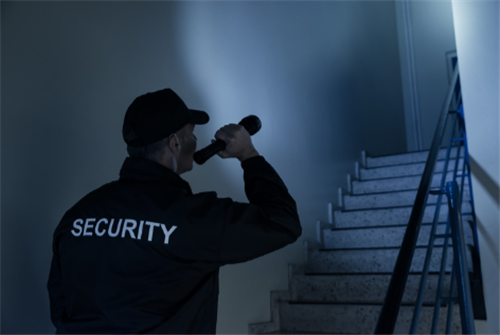
3 Ways Property Managers Can Protect Themselves From Potentially Violent Tenants

What property managers and owners can learn from the shooting last year of two property managers in Portland following the eviction of a tenant.

By John Triplett

The two property managers who were shot by a tenant in their offices in Portland following an eviction late last year, are recovering and doing well according to a spokesman for the company.

The two managers for Guardian Real Estate Services, working at Portland’s Cascadian Terrace Apartments developed by Community Development Partners,were shot and wounded by a tenant during an eviction due to behavioral issues in late December, according to reports.

Both managers, a 45-year-old man and 64-year-old woman, were treated for serious but not life-threatening injuries and are recovering, police said.

The evicted tenant is being held on attempted murder charges.

In terms of how the property managers are doing, Community Development Partners President, Kyle Paine, said, “They are recovering nicely. Out of respect for their privacy, I’m not at liberty to share any information. I can say that we all feel extremely fortunate that the incident was not more severe.” He declined to say if the managers had returned to work.

Rental Housing Journal asked Community Development Partners to share with other owners and property managers what they had learned from the event to help prevent such things in the future at other apartment complexes.  CDP is offering lessons learned and suggestions to other developers. Here are the answers provided by Community Development Partners:

1. What can property managers learn from this experience?

Unfortunately, a violent situation can happen anytime, anywhere.  In light of our experience, we believe it is important for property managers to be educated on the safety plan and procedures for their property, should a crisis happen.  They should also learn ways to alleviate a volatile situation.

2. What can property managers do to better protect themselves?

Education is one key component.  Property managers can partner with local law enforcement and other appropriate community groups to learn ideas and create relationships.  Managers can invite law enforcement to present safety programming to educate both managers and tenants.  Some police departments even offer a safety certification upon completion of a safety program.  These groups are an invaluable asset in providing education and helping create a safe culture in the community.

Communication is also important.  Property managers should play their part in having open communication between, management, ownership and tenants.  The residents need to feel comfortable communicating with property managers if they observe any unsafe individuals or situations.

There are also safety precautions that can be taken when an eviction has escalated.  Property managers should assess the reasons for an eviction, and consider whether there is an anger management component.

    • For example, a tenant not paying rent is often more of a financial problem.
    • However, if a tenant is being evicted for behavioral issues, there may be anger management and an ongoing threat.
    • Management may want to close their office for a time period after the eviction, or reduce hours and access for a period of time for the tenant to cool off.

Also, property managers should take advantage of available resources.  If there is a volatile eviction, it may be wise to use a professional service to help distance management from the situation.

It might also be wise to talk with the police if there is a concern of a threat. The police can escort the manager to the occupant’s unit to help ensure the manager’s safety.   If the tenant fails to vacate upon eviction, management can take advantage of a police lock-out.

3 ways property managers can protect themselves from potentially violent tenants

Photo copyright Kzenon via Canva

The police can escort the person off the property, and set a time for the person to come back and pick up their belongings when management can arrange for more security to be present.  These resources should be used carefully, however, as they can inflame a situation.

3. What can ownership do to help keep property managers safe?

Crisis Plan

One of the most important things that ownership should do is to create and implement a crisis plan for every property, and review with the management company.  The plan should also be reevaluated quarterly to address any new issues or information.

Design

For a newly built or renovated property, ownership should consider safety as part of the design.  “At Community Development Partners, we like to team with our management company in the design phase to take advantage of the safety features that they may desire or require.  We act as one team with our management companies, and together we create better communities that are more pleasurable and livable for our residents,” Paine said.  Ownership can also consider lighting and landscape design as part of environmental safety.  Landscaping can be designed to enhance site lines, and provide a deterrent for illegal activity.  There should also be ample lighting and windows for visibility in all corridors and public spaces, including trash rooms.

Technology

Other safety mechanisms that ownership can install include a fob system that allows tenants to only reach specific floors or areas of the property, and can be turned off in the case of a crisis or threat.  They can also install intercom systems and/or camera systems that can both document a threat and act as a deterrent.  Owners can also install an auto lock system for the main door, which allows management to lock/unlock the door from their desk.  There are also enhanced locking mechanisms which can be installed on windows for added safety.

About Community Development Partners

CDP develops and operates sustainable, life-enhancing affordable housing with a focus on long term community engagement. CDP is a leader of transformative change – responsible for creating life-enhancing affordable development projects that adhere to strict standards of environmentally, socially and economically responsible buildings and communities. Founded in 2012, CDP’s multi-disciplinary team is comprised of real estate development experts who contribute diverse backgrounds in both affordable and market-rate development. Our goal is to weave a sense of community into each of the projects completed. You can find out more about them here.

About Guardian Real Estate Services, LLC

Locally owned and operated out of Portland, Oregon for over 40 years, Guardian Real Estate Services has evolved into a leading management, development and investment firm in the Pacific Northwest. The company says it is defined by a deep commitment to the communities in which they invest. The company’s portfolio is comprised of over 180 communities consisting of 10,000 apartment residences throughout 90 cities in four states.


6 Best Lawn Care Practices For Property Managers This Spring

Six top recommendations from lawn care professionals to help property managers, as well as homeowners, grow and maintain healthy lawns include some expert advice and dispel common myths, according to a release.

The National Association of Landscape Professionals put together the top 6 recommendations drawn from the expertise and best practices of experienced lawn care professionals across the U.S.

“Lawns are the foundation of landscapes, but their benefits serve vital functions — capturing pollutants, producing oxygen and cooling homes — that positively impact our communities and the environment at large,” Missy Henriksen, vice president of public affairs, NALP, said in the release.

6 best lawn care practices:

1. Get water-wise. Save water by giving your lawn a deep watering every few days, not daily. Frequent, light watering — as opposed to a deep soak that penetrates the soil — can cause water to evaporate and leads to shallow root growth.

2. Know before you mow. Keep grass at a longer, finished cut height. Never remove more than one-third of a grass blade while mowing. That typically means a finished height of 2 to 3 inches. Mow in the morning, and not right after it rains.

3. Consider grasscycling. Keeping some grass clippings on the lawn after mowing allows nitrogen and nutrients to be returned to the soil for a healthier lawn. It also protects against fungal disease. If the grass is long, you may have to double-cut it to properly mulch clippings. Never leave excess clippings on top of the lawn.

4. Check your balance. Healthy grass starts with the soil. A simple soil test can determine its pH balance, which can help indicate nutrients your lawn may need. Make sure your fertilizer provides the proper nutrients and is appropriate for the season and your lawn type.

5. Think “smart” (lawns). One of the top landscape trends of 2017, cultivars, or cultivated grass varieties, are selectively bred to withstand the elements while still delivering an aesthetically beautiful and healthy lawn. A landscape professional can help you determine if these grass varieties are best for installing or overseeding a lawn.

6. Care about more than color. Don’t worry if your grass isn’t always green. A brown lawn does not mean it is dead. It could be dormant due to factors like extreme heat or drought.

Homeowners and property managers should consult with a professional regarding lawn care guidance for their individual properties. For more tips and to find a qualified landscape professional, visit LoveYourLandscape.org/Find-a-Pro.

lawn care benefits

About NALP

The National Association of Landscape Professionals represents an industry that employs nearly 1 million landscape, lawn care, irrigation and tree care professionals who create and maintain healthy green spaces for the benefit of society and the environment. NALP offers education, networking, training and certification programs that increase the professionalism in the industry and inspire its members to excellence. For more information,

Keep up with lawn care advice with our weekly email newsletter.


Why Are Some Property Managers Not Solving Pet Poop Problems?

By John Triplett

Rental Housing Journal

If you do a search online for apartments and pet poop problems, there is no shortage of negative reviews from tenants about pet waste in apartment communities.

The growing millennial generation is becoming the largest group of renters in the country. And guess what, more than 70 percent of them are pet owners. The trend toward pet ownership in rental housing is only going to grow.

One California apartment owner and his property manager have taken  the problem head-on in their pet-friendly apartment complexes. Not only have they solved their pet poop issues in their complexes with their tenants, but they started a doggie DNA testing program for apartment managers. Now they are working with other property managers to try and help those managers solve their pet poop issues.

However they have run into issues they did not anticipate with some other property managers.

Some property managers deny they have a pet poop problem

Emily Lee, a property manager for Orloff Property Management, Inc. which began the doggie DNA testing program said, “When I went out into the field, a lot of the property managers would say that – just actually deny that they had any issues at all on their property.

“But before I spoke to them I had gone on Google and Yelp to look at some properties in the area that were pet friendly to see what the reviews had to say. Basically I wanted to see if their residents had complained that they had pet poop problems – and they did have pet poop problems,” Lee said.

“But then the property managers – I am unsure of what their reasoning was – they would say, ‘We’re not really interested. We don’t have a pet poop problem.’ And that was pretty much across the board,”  said Lee, a 10-year property management veteran.

“It is our belief that there are not bad dogs, there are bad dog owners,” said Cliff Orloff, owner of Orloff Property Management Inc., which owns approximately 800 units in Sacramento and Berkeley, California, and Indianapolis, Indiana.

 “We have had some bad dogs, but they have been bad dogs because their owners were bad – they didn’t know how to deal with their dogs,” Orloff said.

Why do some property managers not solve the pet poop problem?

Tesla here won "Dog of the Month" in a photo contest at one pet-friendly apartment complex.

Orloff took the pet poop issue to the veterinary school at the University of California-Davis.  The school developed a state-of- the-art program to DNA-sample dogs at a reasonable cost and to DNA-match dog poop to dogs. At one of his complexes, Orloff set up a mandatory registration for dog DNA screening, data management and resident incentive systems to organize this effort efficiently.

“We started a business that is meant to be something like a credit bureau for pet owners,” Orloff said, called NPR4Dogs.com, designed to help pet-friendly apartment complexes.

“The result was dramatic. The dog poop problem went away overnight. Responsible dog owners who lived on the property hailed the new program. Most of the irresponsible dog owners changed their behavior and became responsible dog owners,” Orloff said.

So now Emily Lee and Orloff are trying to help get pet poop problems solved at other apartment complexes.

“As a property manager I am aware of what is going on around me in my community,” Lee said. “We are a little different here and I think in the minority of property managers. We’re not just here to collect rent. We actually enforce all of our policies and we really strive to make our properties a nice place to live.

“So I noticed a lot of larger property management companies have a lot of overhead and they have to jump through hoops to get things approved. So it seems like it was more work for them to implement the DNA program than it was for them to just let the pet poop problem continue.”  She said it seemed there was a lot of bureaucracy and it was just too much trouble to work the issue up the chain of command.

“I only ran into one property manager who did say they do have a problem and she would be interested in the DNA program, but they would have to put it in the budget and get it approved by their regional manager,” Lee said.

“Here Cliff owns and manages these properties so I feel it is just a little different than investors and investment companies who are more about the bottom dollar. We are all concerned about the business, but we want to make sure the properties are a nice place to live too.”

A pet DNA program could help apartment marketing

“I do not think many of these folks think about how this type of program could help their marketing. They do not realize they are blocking out a number of prospects when you do not accept pets. So for them, 10 people come in and eight have pets, so their only prospects are two out of the 10. But if you accept pets, then they are all your prospects.

“So that would actually help their occupancy but then I don’t think people think about that. They just think about ‘Oh it’s going to create a lot of work for us now,’ “Lee said.

“I do believe there are some apartment management companies that are anti-pet and just do not want to deal with it. We do have some properties around here that do not accept pets across the board and it is because it is a lot of work. But like I said, if 10 people walk in to rent an apartment and eight of them have pets we have apartments available for all 10 prospects not just two.

“In the Sacramento region, we are one of two properties that accept all pets and all breeds of dogs. The other property is actually full with a wait list and their rents are significantly higher than ours.

“We changed our policies slightly when we were implementing the DNA program because we were only accepting one pet. And so that actually turned a lot of people away also who had more than one pet.

“I received a phone call from a gal yesterday who was interested in a two-bedroom and she had two pets, and they were larger breeds, so her only option was that one complex and us. And we were not an option because we only take one pet,” Lee said explaining they are now changing to a two-pet option.

Why do some property managers not solve the pet poop problem at their apartments?

Bandit here was another "Dog of the Month" winner at his apartment complex.

Pet friendly can lead to higher rents and income for apartments

“I have been working at Riverfront for six years and in property management for 10 years, and 9 times out of 10 people are not going to give up their pets to move to a place. They are looking for a place that accommodates them and their pets.

“So I do believe you can charge more for rent when you have a pet policy where you are giving something that nobody else is offering.

“We have actually changed our pet policies and now we are accepting two. We made the monthly pet fee higher so that is a little experiment for us to see how much people are willing to pay. It is not an extreme amount but there are some expenses when you have to clean up sometimes in certain areas,” Lee said.

Our current pet policy?

“As of today, two-pet maximum, no weight or breed restrictions, $400 deposit for each pet. Then it is a $25 monthly pet fee for the first pet and then if you have two it is a total of $100 a month. So having that second one will jump that monthly premium up $75,” Lee said.

The Humane Society of the U.S. recommends

  • Your property needs a clear set of rules and consequences for violations. Make rules available at the resident portal and in the office so residents see them frequently. This frees your staff to offer great customer service and answer questions.
  • Be consistent in fining residents who are witnessed not cleaning up after their dog. Strict enforcement supports the community norm that dog waste is picked up by residents. However, false accusations or non-eyewitness accounts should be handled judiciously; consider sending a gentle note that lets people know management cares who scoops their poop.
  • Show residents you’re serious about pet pickup. Many housing companies use services (such as professional poop-scooping or, in the case of ongoing problems, collecting dog DNA so that they can match a sample to its source dog and owner). This is the gold standard for properties with high expectations of their residents, and it’s been shown to work: No one wants to get busted, so people remove the “forensic evidence.” Costs can be absorbed by pet fees you’re already collecting.

About:

You can get in touch with Emily Lee to learn more about NPR4dogs at National Pet Registries Inc.,5953 Riverside Blvd. #330, Sacramento, CA 95831, (916) 529-6072 or email at NPR4dogs@gmail.com.

Download below our free eBook

pet poop is a problem many property managers do not want to deal with

7 Secrets To Keep Tenants Renewing Your Leases

Keeping your tenants happy and renewing their leases is key to keeping your rental housing business and your revenue growing.

Our veteran investor, property manager and blogger shares a few of his secrets here.

By Larry Arth

I learned early on in the landlord business that I had to build a strong relationship with my tenants if I wanted long-term loyal clients for my rentals.

On the other hand, apartment owners and real estate investors who simply look at an investment property as a vehicle where the tenant pays their mortgage and generates them some positive cash flow tend to have tenants who move out annually.

When tenants feel or sense they are nothing more than a revenue stream for their landlord, they tend to move on quickly.

Here is my system:

No. 1-   Let tenants know to expect rent increases in leases

Early on while interviewing, we would inform the prospective tenants that our aim was to retain a long-term rental. We did this by being totally transparent and saying, “Here is what we offer and here is what we expect. “

Within this information was a notation of an annual rental adjustment, letting them know up front that expenses rise each year and rents would also adjust accordingly. The objective here was to set the expectation for this rental increase so they were expecting it instead of defying it.

No. 2 – A discount for on-time payments on leases

For one year of on-time payments we would offer tenants a 25% discount off their renewal amount. If rents were to go up by say $20, they would only be increased to $15. Small rewards go a long way.People like to earn their rewards and it shows that you do care about them. At lease renewal we would identify a renewal rate and the discounted renewal rate. Tenants loved striving for this discount. If they unfortunately were late a month or two, they were still offered an incentive for renewing if we wanted to keep them.

No. 3- A personal follow-up phone call

One month after they moved it, we would call and ask how their move went? Or, if there was anything they needed? Consistently we were met with gratitude and rarely did anyone feel they needed anything. They simply appreciated us reaching out to them. At the same time, it was the perfect opportunity to correct the path of any pending challenges.

No. 4  –  Birthday cards and gift cards kept the bikes put away

Since we learned the birthdates of tenants when they signed a lease, we made it a practice to give the adults a birthday card and the small children a gift card for a free ice cream cone at the local McDonald’s. This one dollar gift is something the kids remembered forever and looked forward to each year. It also created a bond that would allow us to ask the kids to make sure they keep their bikes put away and simple things like keeping proper order to the place.

No. 5 –  Renew your leases and receive handyman for the day

You can do this for a day, or half day, depending on rent value and/or property condition. Renewal time does not have to be scary and leave you wondering if they will re-sign or not.

Their expectation of a rental increase has been identified up front. If they paid their rent on time without any late payments they understand they will receive a reduced rental rate increase and now as a bonus if they renew they will have the opportunity to have some improvements done around the home. With your criteria established, these improvements will only add value and are going to be less expensive than tenant turnover. We did things like add shelves, paint a room, perhaps add a built-in microwave. You set the criteria here and zero in on items that should add value and rentability to the property. This has always been a great win for me.

No. 6  Referral money opportunities for tenants

When a vacancy did appear we would send out letters informing tenants there was going to be a vacancy coming up. It would be a chance for them to help pick out their new  neighbor.

 It would say something like, “We like to have great tenants like you, and as you are a great tenant, your family and friends are likely a match to live in our friendly community as well.  If your referral meets our renting criteria and we rent to them, you will receive $100.”

 This created a source of great prospective tenants and served to let the current tenants know we appreciated them. It also gave us a list of future tenants, as we often received more prospects than we had available rental units. People are now lining up to rent from us. This has helped to keep our vacancy rates very low.

No. 7 The little things make a difference in leases

These little differences in how we manage our properties have people wanting to stay and rent with us. As families outgrew their homes they would ask us if we had any other properties that were bigger, as they wanted to maintain our relationships. Their friends were always inquiring about renting from us. We have great reputations as property owners who care about their tenants. As a result, the only time people moved is if they left the area or if they bought a house.

Summary:

You have all heard of, or personally live, the pride of ownership.  When you can create this same type of pride for your tenants, you have created a great partnership that will have them renewing their lease. A person’s home is their castle. It is theirs independence. Even though they do not actually own the apartment or home, you want them calling it their home. When they feel great about where they live and are happy with it, they will call it their home and they will treat it like their home.

When you show you are genuinely interested in a happy partnership with your tenants, you in turn will find happy tenants who maintain the property and pay on time. Then you have a successful business.

About the Author:

Larry Arth is a landlord and the founder and CEO of Equity Builders Group, a Florida based Real Estate investment Group. As a 36 year veteran to real estate investing, Larry understands that we are now in a global economy and as times have changed, investment strategies must change as well. Larry is an international recognized consultant and speaker and assists hundreds of investors per year, both foreign and domestic to realize their investment potential. He analyzes locations across the country for economic strength and the locations that yield the largest most sustainable return on investment. Within these locations he seeks out and gathers the best teams to deliver sound, high performing and most importantly sustainable turnkey investment. He works with investors to ride the wave of each area-specific market surge. Larry’s primary focus is offering (Non Listed) safe and sustainable turnkey investments to the passive investor.

7 secrets to keep tenants renewing leases. Get up to date information on lease issues and more from our weekly email newsletter