Home Blog Page 19

Oregon Governor Signs Bill To Let Landlords Evict Squatters

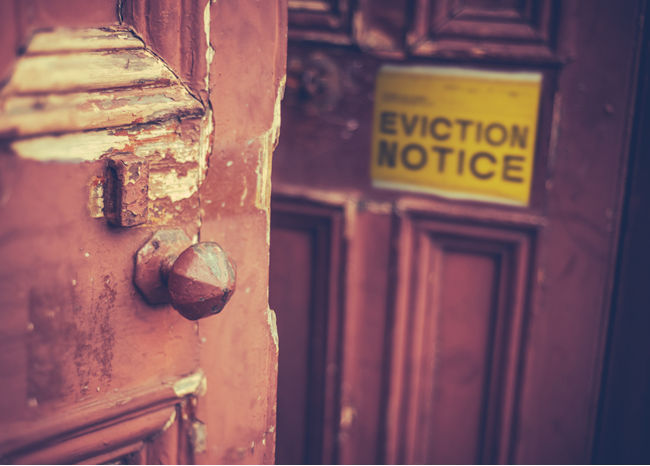
Oregon Governor Tina Kotek has signed HB 3522 which allows property owners and landlords to evict squatters after giving a 24-hour notice.

Oregon Governor Tina Kotek has signed HB 3522 which allows property owners and landlords to evict squatters after giving a 24-hour notice.

The Oregon House has unanimously passed the bill, according to katu.com news. Kotek signed the bill on June 20, 2025.

The bill explicitly adds squatters to the list of situations considered “unlawful holding by force” under eviction law. This would give property owners and landlords a clearer and faster legal mechanism to reclaim their property from unauthorized occupants.

A squatter is an individual who occupies a property without a valid rental agreement or tenant authorization. The bill amends current law to incorporate this new eviction process. The bill allows a landlord or property owner to issue a 24-hour written notice to vacate the property to evict a squatter. The notice must state the date and time the squatter must leave and clearly indicate that the reason for eviction is the person’s squatter status.

Holdover tenants, those who remain in a space after a lease expires, are not included as squatters under this bill.

The bill to change the law came because currently, Oregon law permits a person to acquire ownership of a property through adverse possession. Adverse possession allows a person to gain ownership if they occupy the property openly, continuously, and exclusively for a period of 10 years without the owner’s permission. The claim of adverse possession can lead to lengthy legal battles.

The original bill specified that only the property owner could evict squatters by issue of a notice of eviction. The amended bill allows landlords to evict squatters with a written 24-hour eviction notice.

Sign Up For Our Weekly Newsletter And Get Rental Property And Apartment News And Helpful, Useful Content Each Week.

* indicates required

Rethinking Pet Fees: Finding Fairness for Renters And Housing Providers

Pet fees have evolved in rental housing from cost recovery to a burden for many pet owners see how this works in this article.

Pet fees have evolved in rental housing from cost recovery to a burden for many pet owners see how this works in this article.

By Judy Bellack
Chief Consultant, Judith Lawrence Associates

For many renters, pets are family. Yet in the rental housing industry, pet fees, deposits, and pet rent have become standard costs for pet owners.

While these charges often are justified as necessary to cover potential damages, the reality is that many housing providers have turned pet fees into a significant revenue stream.

This raises an important question: Are pet fees truly about cost recovery, or have they evolved into an unfair financial burden, particularly for lower-income renters?

Breaking Down the Math: Pet Fees as a Revenue Stream 

Revenue from Pet Fees

To illustrate the financial impact, let’s consider a hypothetical property management company overseeing 10,000 rental units. If the company charges a $300 non-refundable pet fee per pet and collects $50 per month in pet rent, here’s what the annual revenue could look like:

  • One-time pet fees: Assuming 30% of the units (3,000) house a pet, the company collects $900,000 in non-refundable pet fees upfront ($300 x 3,000 = $900,000).
  • Monthly pet rent: If 3,000 renters pay $50 per month in pet rent, that’s $150,000 per month or $1.8 million per year.
  • Total annual revenue from pet fees and rent: $2.7 million

Pet fees have evolved in rental housing from cost recovery to a burden for many pet owners see how this works in this article.

Pet-Related Costs

Now, let’s compare this to the actual costs associated with pet-related damages and basic pet amenities:

  • Industry data suggests that pet-related damages average between $210-$600 per unit per lease term, with many pet-owning residents leaving apartments in similar condition to non-pet owners. If we estimate an average pet-related damage cost of $400 per unit for 50% turnover of those same 3,000 units, that results in a total expense of $600,000. And this is estimating on the high side, as not every unit will experience pet damage.
  • Assuming a deep clean is performed on a vacated pet unit to remove allergens, this would average an additional $150 per unit for 50% of 3000 units, or $225,000 over the course of a year.
  • Pet waste stations, including dispensers and biodegradable bags, typically cost around $75 per unit per year, totaling approximately $225,000 annually.
  • Maintaining a small on-site dog park with artificial turf can require ongoing upkeep costs of $5,000 per year for sanitation and turf repairs. Let’s assume 12 parks covering 3000 units (average 250-unit properties), for a total of $60,000 per year. Let’s round that up to $100,000 to be generous.
  • Total annual costs of having pets on site: $1.15 million

The result?

Even after accounting for damages, the company nets $1.55 million in excess revenue from pet fees. This discrepancy underscores the fact that pet fees have far outpaced actual expenses, turning them into a profit center in addition to a cost-recovery mechanism.

The Impact on Renters and Equity Concerns

For many renters, particularly those in lower-income brackets, these additional fees present a significant financial hurdle. A pet owner in a $1,500/month apartment could be paying upwards of $900 per year in pet-related fees—on top of the deposit and regular rent. This cost burden disproportionately affects renters who may already struggle to afford housing. It could potentially force them to choose between keeping a beloved pet and securing a home.

Moreover, these fees may discourage engaged pet ownership or push renters toward housing options that are less secure or even pet-restrictive. Given that many pet owners view their animals as family, the financial penalties imposed by pet fees could be seen as punitive rather than protective.

Transparency is Critical

If rental housing operators continue to charge pet fees, transparency is key. Instead of presenting pet fees as a catchall cost, property managers should clearly communicate how these fees benefit both the community and pet owners. Possible benefits include:

  • Pet-friendly amenities: If a community offers pet-waste stations, dog parks, or pet-washing stations, pet fees may contribute to these enhancements.
  • Cleaning and maintenance: If fees are used to address additional cleaning or repair needs, operators should highlight these measures.
  • Insurance or liability coverage: Some fees contribute to insurance costs related to pet ownership within rental properties.

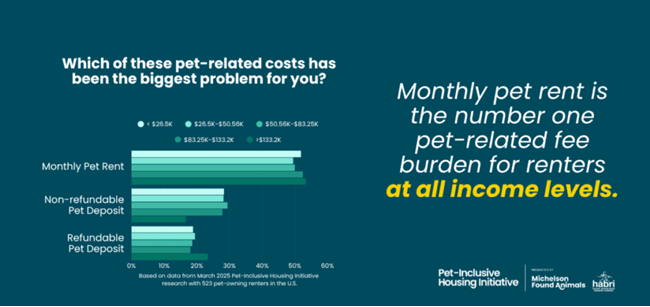
By providing transparency and ensuring fees are aligned with actual costs, housing providers can build goodwill with pet owners while maintaining fair revenue practices. Also, consider renter attitudes toward the type of pet fees charged. For example, research indicates that renters at all income levels find monthly pet rent the most problematic.

Conclusion

Pet fees in rental housing have evolved beyond simple cost recovery, becoming a revenue source – and burdensome for many pet owners. While it’s reasonable for property managers to mitigate risk and cover actual damages, the current fee structures often far exceed these costs. Ensuring that any pet-related fees are fair, transparent, and aligned with actual expenses can create a more equitable landscape for renters and their pets alike. After all, a truly pet-inclusive community should welcome engaged pet owners, not financially penalize them.

Rethinking pet fees and finding fairness for renters and housing providers is possible. Visit petsandhousing.org to learn more.

For more resources on achieving your ideal pet-inclusive community, visit the Pet-Inclusive Housing Initiative.

About the author:

Pet fees have evolved in rental housing from cost recovery to a burden for many pet owners see how this works in this article.
Judy Bellack

Judy Bellack is the multifamily housing industry principal for Michelson Found Animals, a nonprofit focused on improving the lives of pets and their owners. A 30-year veteran of multifamily, she is utilizing her expertise to spearhead Michelson’s Pet-Inclusive Housing Initiative to provide data and resources to create more pet-inclusive communities in ways that make good business sense for owners and operators.

Sign Up For Our Weekly Newsletter And Get Rental Property And Apartment News And Helpful, Useful Content Each Week.

* indicates required

Sharp Drop in Multifamily Production Brings Housing Starts Down

A sharp decline in multifamily production pushed overall housing starts down in May while single-family output was essentially flat

A sharp decline in multifamily production pushed overall housing starts down in May while single-family output was essentially flat due to economic and tariff uncertainty along with elevated interest rates, according to a release.

Overall housing starts decreased 9.8% in May to a seasonally adjusted annual rate of 1.26 million units, according to a report from the U.S. Department of Housing and Urban Development and the U.S. Census Bureau.

The May reading of 1.26 million starts is the number of housing units builders would begin if development kept this pace for the next 12 months. Within this overall number, single-family starts increased 0.4% to a 924,000 seasonally adjusted annual rate and are down 7.3% compared to May 2024. The multifamily sector, which includes apartment buildings and condos, decreased 29.7% to an annualized 332,000 pace.

Tariffs, interest rates flatten single-family units

On a year-to-date basis, single-family starts are down 7.1%. In contrast, multifamily 5-plus unit starts are up 14.5% as more prospective home buyers remain on the sidelines.

“Our latest builder survey shows that development and market conditions remain a major concern for builders, with consumer confidence lower and elevated interest rates for buyers and builders,” said Buddy Hughes, chairman of the National Association of Home Builders (NAHB) and a home builder and developer from Lexington, N.C, in the release.

“Almost 40% of home builders reduced sales prices in the last month in order to offset difficult housing-affordability conditions.”

“Single-family permits and construction starts are down on a year-to-date basis for 2025 for what has been a disappointing spring housing market, given ongoing elevated mortgage interest rates, challenging housing affordability conditions led by higher construction costs, and macroeconomic uncertainty,” said NAHB Chief Economist Robert Dietz in the release. “NAHB is forecasting that 2025 will end with a decline for single-family housing starts.”

On a regional and year-to-date basis, combined single-family and multifamily starts were 21.1% higher in the Northeast, 10.8% higher in the Midwest, 6.8% lower in the South and 1.6% lower in the West.

Sign Up For Our Weekly Newsletter And Get Rental Property And Apartment News And Helpful, Useful Content Each Week.

* indicates required

Hoarding in Housing: What Every New Team Member Should Know

Hoarding in housing may first present as a lease violation but hoarding is more than a housekeeping issue and can be a fair housing issue.

Hoarding in housing may first present as a lease violation but hoarding is more than a housekeeping issue and can be a fair housing issue.

By The Fair Housing Institute

Introducing new staff to the realities of property management goes beyond reviewing lease terms and daily operations. It includes preparing them to handle complex resident situations that require sound judgment, legal understanding, and compassion. One of these situations is hoarding—a condition that presents both health and safety risks and the need for careful compliance with fair-housing laws.

Recognizing Hoarding as a Potential Disability

In the property-management setting, hoarding may first present as a lease violation.

A unit might become excessively cluttered, blocking exits, attracting pests, or generating odors that affect neighboring units. However, while the visible concerns are real, hoarding is more than a housekeeping issue. It is a recognized mental health disorder, often tied to trauma or anxiety, and is legally considered a disability.

This classification carries serious implications for how housing professionals must respond. Team members need to be trained to look beyond the immediate violation and consider whether a fair-housing obligation exists. When hoarding behavior clearly interferes with the use of the premises and appears linked to a disability, the law may require a different response than standard enforcement.

Knowing When and How to Initiate the Accommodation Process

A common question new hires face is whether they must wait for a resident to request an accommodation before responding.

In situations where a disability is apparent and the behavior results in a lease violation, property managers may have a responsibility to open the conversation. This proactive approach demonstrates a solid understanding of the Fair Housing Act and shows a commitment to working with the resident rather than simply issuing warnings or notices.

Training should emphasize the importance of conducting these conversations privately, respectfully, and with a focus on cooperation. The objective is not to excuse lease violations indefinitely, but to explore reasonable ways to help the resident come into compliance while acknowledging their disability.

Restoring the Unit Without Compromising Fair-Housing Protections

When working with residents who have a hoarding disorder, it’s essential to approach resolution as a shared goal. The expectation remains that the unit must be brought back into compliance with safety and habitability standards. However, the process to get there may require flexibility, such as allowing additional time, setting incremental goals, or connecting the resident with outside support systems.

New staff should be trained to view these accommodations not as exceptions to policy, but as tools to help meet legal obligations while preserving the resident’s dignity. Encouraging progress and maintaining clear communication are often more effective than issuing ultimatums. This kind of approach supports both legal compliance and positive resident relations.

The Role of Documentation in Supporting Fair and Consistent Action

In every hoarding-related case, thorough documentation is critical.

From the initial observations to follow-up communications, every step should be recorded in detail. This documentation serves multiple purposes. It provides a clear timeline of the property’s efforts, supports the reasonableness of accommodations offered, and protects the property from liability if enforcement action ultimately becomes necessary.

New hires should be taught that documentation is not just a defensive measure. It’s a best practice that ensures consistency, accountability, and transparency in how sensitive cases are handled. Proper records reflect a thoughtful, fair approach that can stand up to scrutiny if challenged.

Building a Team Prepared to Handle Complex Resident Needs

Hoarding cases are not everyday occurrences, but they are powerful training examples for new property-management staff.

These situations highlight the importance of balancing enforcement with accommodation and how strong fair-housing knowledge directly informs daily responsibilities. Teams that are trained to identify potential disabilities, respond appropriately, and uphold community standards are better prepared to protect both residents and the property.

By embedding fair-housing principles into new-hire training, companies build a team that can navigate complex challenges with confidence. The result is a property-management operation that not only meets legal standards but also reinforces a culture of respect, safety, and professionalism for everyone involved.

About the author:

In 2005, The Fair Housing Institute was founded as a company with one goal: to provide educational and entertaining fair-housing compliance training at an affordable price at the click of a button.

Sign Up For Our Weekly Newsletter And Get Rental Property And Apartment News And Helpful, Useful Content Each Week.

* indicates required

Who Should Replace the Smoke Detector in My Rental?

Questions about smoke detectors in rentals come up often so for a non-functioning smoke detector, who is responsible for replacing it

Questions about smoke detectors come up often so this week the question is about a non-functioning smoke detector in a rental and who is responsible for replacing it is the question this week for Ask Landlord Hank. Remember Hank is not an attorney and he is not offering legal advice. If you have a question for him please fill out the form below.

Dear Landlord Hank,

We rent, and the smoke detectors are not working. It looks like entire unit needs new detectors. Who should replace them, us or the landlord?

– Rita

Dear Rita,

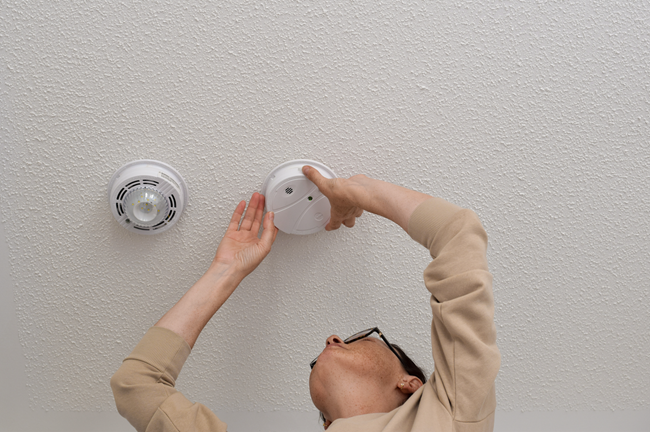
Normally the lease will require you to replace smoke-detector batteries when they die, but the owner should be responsible for replacing the actual smoke detector.

I’d try to replace the battery, and then contact the landlord or property manager ASAP.

The owner will also want you and the property to have maximum protection and warning in case of fire.

Sincerely,

Hank Rossi

Editor’s note: Check your local and state regulations on issues such as this as it varies across the country.

As a child, Hank Rossi sometimes helped his father take care of the family rental-maintenance business.  In the mid-’90s he got into the rental business for himself. After he retired, he started a real-estate brokerage business with his sister that focuses on property management and leasing. Visit his website: https://rentsrq.com.


Ask Landlord Hank Your Question

Ask veteran landlord and property manager Hank Rossi your questions from tenant screening to leases to pets and more! He provides answers each week to landlords.

  • This field is for validation purposes and should be left unchanged.
Questions about smoke detectors in rentals come up often so for a non-functioning smoke detector, who is responsible for replacing it
Landlord Hank Rossi says, “Normally the lease will require you to replace smoke-detector batteries when they die, but the owner should be responsible for replacing the actual smoke detector.”

Can I Get Tenant’s Inoperable Car Towed Off My Rental Property?

How To Handle Ugly Feud Between Two Sets of Tenants?

Tenants Pouring Grease Down Sink And Flushing Paper Towels

Do You Know The 5 Questions Landlord Hank Asks Tenants When They Call?

Sign Up For Our Newsletter And Get Rental Property News And Helpful, Useful Content Each Week.

* indicates required

Photo credit photovs via istockimages

5 Best Maintenance Practices to Keep Tenants Happy

5 best maintenance practices to keep tenants satisfied and keep the property owner and management out of legal trouble.

5 best maintenance practices to keep tenants satisfied and keep the property owner and management out of legal trouble.

By Nancy Abrams

It is a landlord’s legal responsibility to keep their properties habitable. If they do not do so, their tenants will not be happy and the property owner can end up in court.

What does the landlord need to do to prevent this? Below are five areas where good maintenance practices will keep tenants satisfied and the property owner out of legal trouble.

Routine maintenance and proactive actions are the first steps to preventing problems before they pop up and create disgruntled tenants so here are 5 best maintenance practices.

1. Prioritize Maintenance Requests

  • Determine whether the need is urgent or an emergency.
    • Such issues as a power loss, burst pipe, a fire or HVAC failure are issues of habitability for your tenants and cost potentially thousands of dollars in damage if not immediately rectified.
  • Take care of high-priority maintenance requests.
    • If ignored, high-priority issues could pose a significant financial risk or will negatively affect a tenant’s ability to live safely in the unit.
    • Leaking roofs or pipes, a bedbug infestation, or most broken in-unit appliances qualify as high-priority problems.
  • Medium-priority requests are preventative maintenance.
    • Examples of medium-priority issues can include seasonal maintenance tasks such as debris and bush removal for fire prevention, slip prevention in the fall and winter and other issues that could pose a risk to tenants in the near future.
  • How to assess low-priority maintenance requests
    • Tasks such as replacing the oven’s light bulb, cosmetic wall repairs, etc. do not pose a safety risk or cause damage to the property. However, they are important to the tenant and must be addressed in a timely manner.

2. Preemptive HVAC Service

Regular HVAC tune-ups and monthly air filter replacements ensure that heating and air-conditioning systems run efficiently, preventing breakdowns and tenant discomfort in extreme weather.

3. Prevent Plumbing Issues

Plumbing problems are some of the most common tenant complaints and must be attended to immediately to prevent further damage. A burst pipe suddenly flooding a kitchen is an issue of habitability for your tenants and will cost thousands of dollars in damage if not immediately repaired. Landlords should respond immediately to plumbing leaks, which could also lead to mold issues.

4, Faulty Electrical Systems Are Fire Hazards

Regularly testing smoke detectors, upgrading outdated systems and ensuring that all electrical outlets are operating properly can prevent emergencies and demonstrate to tenants that they are being protected by management.

5. Outdoor Maintenance

A leaking roof can make plumbing, electrical and HVAC systems vulnerable and tenants unhappy. A certified roofing professional should inspect the roof and make any necessary repairs.

Happy Tenants Equal Renewals

Tenants want to feel secure knowing their landlord takes maintenance seriously. These 5 best maintenance practices and quick responses to repair requests, such as fixing a leaking faucet or a broken heater, show that their comfort and well-being are a priority. A well-maintained home makes tenants more likely to renew their leases, while delayed repairs can create frustration and drive them to look for housing elsewhere.

About the author:

Nancy Abrams currently serves as content editor for the American Apartment Owners Association (AAOA), which assists landlords, property managers, real estate owners and brokers across the country with managing their properties, including tenant credit checks and tenant background screening as well as state-specific landlord forms, such as a rental application or rental agreement.  The association also offers resources from educational webinars and landlord tenant law to approved providers for insurance and financing. Contact us today to learn more.

Sign Up For Our Weekly Newsletter And Get Rental Property And Apartment News And Helpful, Useful Content Each Week.

* indicates required

Photo credit chanakon laorob via istockimages.com

Arizona AG Warns Landlords Of Air Conditioning Requirements

Arizona Attorney General Kris Mayes is warning landlords about air conditioning requirements under the state’s landlord-tenant law

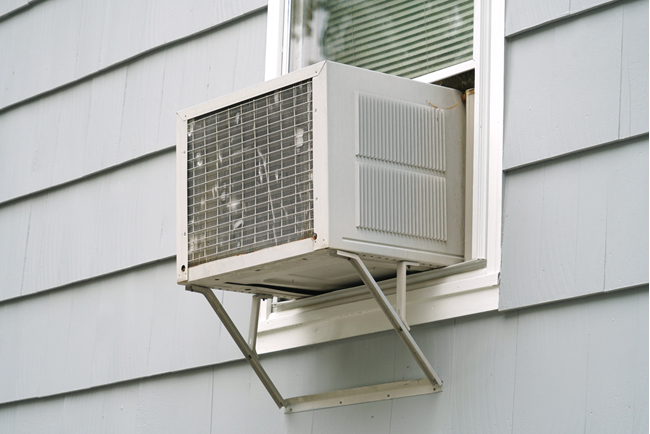
As temperatures rise into the triple digits, Arizona Attorney General Kris Mayes is warning landlords about air conditioning requirements under the state’s landlord-tenant law, according to a release.

Mayes also advised landlord and tenants of the rights tenants have if their air conditioning (AC) needs repair or otherwise fails to provide a habitable living environment.

“Extreme heat poses a serious health risk, and it’s unacceptable for tenants to be without proper air conditioning during summer months,” Mayes said in the release.

“In the case of an outage, landlords and management companies must take swift action to ensure residents have safe and habitable living conditions in accordance with the law. Landlords should be on notice that I will not hesitate to enforce these critical protections for Arizonans, because adequate air conditioning is a matter of life and death in Arizona’s summer heat.”

Tenants have rights that are protected by Arizona law. Failure to provide adequate air conditioning potentially violates the Arizona Landlord Tenant Act (A.R.S. § 33-1301-1381) and any applicable local regulations.

Under Arizona law, landlords must provide a rental unit that has fully operating cooling systems and other appliances that make it safe to occupy. Some municipalities also have more specific standards that may apply.

For example, in the cities of Phoenix and Tucson, rental units that use air conditioning cannot exceed a maximum temperature of 82 degrees in all habitable rooms, including bathrooms. This includes chiller systems, which are air conditioning systems and subject to this requirement. Evaporative coolers are allowed a slightly higher maximum temperature (86 degrees).

It is also important to note that even if renters are not up to date on their rent, landlords are not allowed to cut off air conditioning or other utilities to “punish” tenants (A.R.S. § 33-1374).

Landlords and management agents also have obligations as housing providers under the Arizona Civil Rights Act. Arizona Fair Housing Laws guarantee Arizona citizens equal conditions and access to services, such as functioning cooling systems, while renting.

As such, any remedial measures or repairs cannot be provided to residents on a discriminatory basis. Housing providers must also make reasonable accommodations for individuals with disabilities. Failing to provide an accommodation to an individual whose disability is affected or exacerbated by heat-related conditions can potentially be a violation of Fair Housing Laws.

This may include individuals who are 60 years old and above, as older individuals have greater difficulty regulating core body temperatures and are more susceptible to heat, especially in temperatures exceeding 85 degrees.

AG Mayes offers the following tips to consumers whose AC has gone out:

  • If your rental unit’s AC is broken, it is important to take steps to ensure your safety. Before you do anything else, notify your landlord. Start with a phone call and then follow up in writing, preferably hand-delivered or by certified mail.  If you have a medical condition that will be exacerbated by extreme heat, please include this information in your notification, and request accommodations as necessary.
  • Your landlord must fix your broken AC within five days of written notice, if temperatures exceed 100 degrees. This timeframe may be shorter if the temperature inside the unit is higher than what is allowed by individual city code. The notice in writing starts the clock. Management has up to five days to fix the issue, which may mean providing a new air conditioning unit, calling in a repair team, or otherwise bringing your indoor temperature down to legally acceptable limits.
  • If temperatures are below 100 degrees, the landlord has 10 days to repair a broken AC unless the temperature inside the unit exceeds what is allowed by individual city code or the temperature inside the unit poses a threat to health or safety.
  • For landlords who fail to repair the broken AC, renters may be able to make use of the self-help repair statute. Arizona law allows you to notify your landlord that you will be fixing an issue yourself and deducting the cost from your rent if they have failed to fix your AC after five to 10 days, if you meet the specifications.
  • If your landlord does not fix your broken AC within five to 10 days, Arizona tenant rights with air conditioning may allow you to terminate your lease or sue for damages (such as for medical bills or paid rent).

If your landlord continues to fail to repair the broken AC, you may file a consumer complaint with the Arizona Attorney General’s Office. If you need a complaint form sent to you, you can contact the Attorney General’s Office in Phoenix at (602) 542-5763, in Tucson at (520) 628-6648, or outside the Phoenix and Tucson metro areas at (800) 352-8431.

Sign Up For Our Weekly Newsletter And Get Rental Property And Apartment News And Helpful, Useful Content Each Week.

* indicates required

Oregon Governor Signs Bill To Ban Landlords Asking Immigration Status

Governor Tina Kotek has signed SB 599 which will ban landlords from asking about the immigration status of tenants in Oregon

Oregon Governor Tina Kotek has signed SB 599 a bill that will ban landlords from asking about the immigration status of tenants, according to her press secretary Roxy Mayer.

The bill, SB599, passed both houses of the Oregon Legislature according to reports.

The bill takes effect 30 days after signing by the governor which she did on May 28.

“Certainly we want to be sure people have access to housing,” Kotek said about the bill pointing out it had bi-partisan support.

Other states with laws on immigration status of tenants

Washington, California, New York and Illinois have similar laws preventing residents’ legal status from serving as a barrier to housing.

“This bill is about more than documents — it’s about dignity,” said chief bill sponsor Rep. Ricki Ruiz (D-Gresham) in a press release. “No Oregonian should have to live in fear that where they were born could cost them their home. This bill makes it clear: Housing is a human right, and discrimination has no place in Oregon.”

Ruiz said in the release that “under the bill, landlords can verify applicants and run credit checks but cannot limit tenant identification to forms that are presumed to be tied to citizenship or permanent residency.

“The proposed law designates as acceptable Social Security cards, birth certificates, ‘green cards,’ travel and immigration visas, taxpayer ID number cards from the IRS, passports, driver licenses, other government IDs, and reasonably verifiable nongovernment IDs.”

The bill’s language says it “Prohibits landlords from inquiring about or [disclosing] discriminating on the basis of a tenant’s or applicant’s immigration or citizenship status, [or] rejecting an applicant [due to immigration status. Prohibits discrimination based on immigration status for real property transactions.] based on the type of identifying documentation or disclosing or threatening disclosure of an applicant’s or a tenant’s immigration or citizenship status for improper purposes. Authorizes statutory penalties.”

The Oregon Capital Chronicle said Oregon, in 1987, was the first state in the United States to pass a sanctuary law prohibiting state and local law enforcement from helping federal officials enforce immigration law.

As the Trump administration has heightened its immigration enforcement, Gov. Kotek has repeatedly said she supports Oregon’s immigrant community and will uphold Oregon’s sanctuary law.

Sign Up For Our Weekly Newsletter And Get Rental Property And Apartment News And Helpful, Useful Content Each Week.

* indicates required

Governor’s Veto Blocks Rental Housing Costs Study

Washington Governor Bob Ferguson has vetoed a bi-partisan housing study bill aimed at getting to the real problem of rental housing costs.

Washington Governor Bob Ferguson has vetoed a bi-partisan housing study bill aimed at getting to the real problem of rental housing costs.

By Carter Nelson

At the Washington Multifamily Housing Association (WMFHA), we represent property owners, managers and housing professionals who are invested in providing safe, stable, and affordable rental housing across the state.

That’s why we are disheartened by Gov. Bob Ferguson’s recent veto of Engrossed Second Substitute House Bill 1108, a bipartisan bill passed by the Legislature that sought to commission a comprehensive study by the Washington State Institute for Public Policy (WSIPP) to identify the primary cost drivers for rental housing and homeownership in Washington.

The proposed study would have brought together a diverse set of stakeholders from all corners of the housing market: economists, builders, nonprofit and for-profit developers, realtors, mortgage lenders, tenants, landlords, and public agencies. This represented a meaningful opportunity to gather everyone to the table to better understand barriers to rental-housing affordability.

The best way to improve housing affordability is by identifying the most effective ways to increase housing supply. Our members know firsthand the challenges involved in building and maintaining housing, from zoning and permitting delays to the rising costs of labor, materials, and property taxes. This timely study would have helped bring these challenges into focus, providing a guide to smarter policymaking.

Gov. Ferguson’s veto message, citing budgetary constraints and the existence of prior studies, misses the mark. Previous studies have not adequately captured the on-the-ground realities faced by those directly involved in housing development and management. Without a clear, data-driven understanding of what drives costs, well-intentioned policies risk doing more harm than good.

As the housing affordability crisis continues to affect communities statewide, WMFHA urges Washington policymakers to prioritize comprehensive research and stakeholder engagement to inform sustainable solutions.

To learn more about our advocacy and solution-focused work, visit www.wmfha.org.

About the author:

Washington Governor Bob Ferguson has vetoed a bi-partisan housing study bill aimed at getting to the real problem of rental housing costs.

Since joining WMFHA nearly two years ago, Carter Nelson has helped elevate the organization’s advocacy presence—first as Public Affairs Manager and more recently as Director of Government Affairs. In this capacity, she has worked closely with elected officials, industry leaders, and member organizations to strengthen WMFHA’s influence, drive critical policy conversations, and build long-term relationships that support housing development, improve operations for rental housing, and expand housing options across the state. A Washington native, Carter grew up in Seattle and Kirkland.

Sign Up For Our Weekly Newsletter And Get Rental Property And Apartment News And Helpful, Useful Content Each Week.

* indicates required

Attorney General Secures $1 Million from Landlord Involved in Rent Price-Fixing Scheme

Attorney General Secures $1 Million from Landlord Involved in Rent Price-Fixing Scheme

WASHINGTON, D.C.: Attorney General Brian L. Schwalb said William C. Smith & Co., Inc. (W.C. Smith) has agreed to pay over $1 million and reform its business practices to resolve allegations that it conspired with other district landlords, using rent pricing software from RealPage, Inc., to inflate rents at more than 50,000 apartment units across the district, according to a release.

W.C. Smith owns more than 9,000 of these units. The settlement is the first to result from the Office of the Attorney General’s (OAG) lawsuit, filed in November 2023.

Rents in D.C. are already sky-high, and amidst this housing affordability crisis, many of the District’s top landlords operated as a housing cartel—illegally colluding to push rents even higher,” Schwalb said in the release.

“I commend W.C. Smith for putting an end to its anticompetitive practices and cooperating with my office to reach this agreement. We will continue working to hold RealPage and the remaining landlords accountable. As the District’s independent attorney general, I will always fight for fair market conditions to protect District residents and ensure a level playing field for law-abiding businesses.”

Background on RealPage

RealPage offers a variety of technology-based services to real estate owners and property managers, including revenue management (RM) products that depend on non-public, competitively sensitive pricing data that RealPage receives from the owners and managers. RealPage uses this confidential data to estimate supply and demand for multifamily housing that is specific to particular geographic areas and unit types and then generates an artificially inflated rental price that maximizes the landlord’s revenue.

In the District, well over 30% of apartments in multifamily buildings (i.e., buildings with five or more units), and approximately 60% of units in large multifamily buildings (with 50+ units), are priced using RealPage’s software. In the Washington-Arlington-Alexandria Metropolitan Area, the overall market share is even higher: Close to 50% of units in multifamily buildings are priced using RealPage’s software.

This leaves many District residents with no choice but to pay RealPage’s inflated rents, according to the release

 Schwalb Settlement with W.C. Smith

Schwalb’s office alleged that W.C. Smith used RealPage’s RM Software to set rents for its 9,000+ units in the District. As a part of RealPage’s price-fixing cartel, W.C. Smith and the other defendant landlords illegally coordinated to share sensitive, non-public company data, forgoing competition and delegating rent-setting authority to RealPage.

Under the terms of the settlement, W.C. Smith will:

  • Pay $1,050,000 to the District in civil penalties, legal fees, and money to affected residents.
  • Reform its rent-setting practices to prohibit the use of revenue-management software that relies on any non-public or confidential data from other companies.
  • Refrain from encouraging others to use revenue-management software to accept recommended rent prices and from promoting the use of this type of software to other property owners.

A copy of the settlement is available here.

Sign Up For Our Weekly Newsletter And Get Rental Property And Apartment News And Helpful, Useful Content Each Week.

* indicates required