

Portland landlords may soon have air conditioning requirements for their rental properties, according to reports.
The Portland Permitting and Development Bureau is exploring a code amendment to create a maximum indoor-temperature standard for rental units.
In Portland, there are more than 153,000 rental units. About 75 percent of renters already have some form of air conditioning in their homes, according to a city-commissioned analysis by economic consulting firm ECOnorthwest.
“A maximum temperature standard may be one path to mitigating the effect of heat waves and extreme heat events in Portland,” wrote ECOnorthwest in a cost analysis of cooling temperature standard in Portland.
“A local code amendment that requires landlords to provide cooling options can not only save lives but also improve the health and comfort of renters who often lack control over improvements to their living spaces.
“Based on other jurisdictions’ experience with maximum temperature standards ranging from 78 to 88 degrees Fahrenheit, this analysis assumed a maximum temperature standard of 80 or 82 degrees Fahrenheit to estimate compliance costs,” the ECOnorthwest analysis said.
“We are in a climate crisis, and setting a maximum indoor-temperature standard for rental units can help ensure that populations more likely to be renters in Portland, such as communities of color or those with lower incomes, are prioritized in our climate actions,” said interim Portland permitting and Development Director David Kuhnhausen in an interview with The Oregonian/OregonLive.
Costs to landlords?
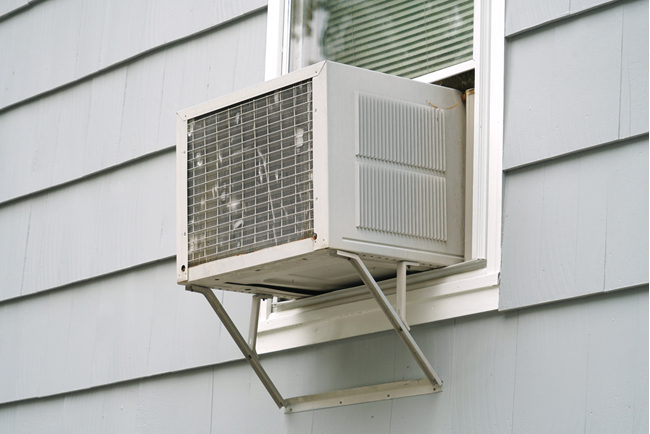
Two potential options to comply with such a requirement are installing window air conditioning or hiring a contractor to install ductless mini-split heat pumps along with necessary upgrades to electrical panels.
An Energy Star-certified window air conditioner costs about $330, though it can cost up to three times higher with professional installation.
On the other hand, a professionally installed mini-split heat pump could cost about $6,100, and, if needed, upgrading the electrical panel could increase the costs by about $3,900, according to ECOnorthwest.
Cost could be the biggest challenge, according to Multifamily NW, an association representing residential property managers and owners.
“We support the goal of protecting residents from extreme heat, especially in light of recent heat waves that have disproportionately impacted seniors and low-income households.
“However, mandating air conditioning or heat pumps in every unit without financial support would place a substantial burden on housing providers, particularly for older buildings not originally designed for these systems,” said Andie Smith, a housing provider in Oregon and the group’s current board president, to the Oregonian.