Home Blog Page 198

Ask Key Questions To Be Sure Your Employees Have Mastered Compliance

The Grace Hill training tip this week focuses on the third in the series on compliance training. Compliance training is important for landlords and property managers to keep up with ever-changing rental housing laws at federal, state and local levels.

By Ellen Clark

Measuring what employees have learned and retained is key to making sure they can use their learnings as they perform the responsibilities of their job.

This is the third post in a series about how to measure the effectiveness of your compliance training program.

Here are the first two parts in case you missed them.

Is Your Property Management Compliance Training Working?

 Why Completing All Compliance Training Is Critical To Your Protection

Eevery trainer knows that it isn’t enough to just complete compliance training. The point is for employees to learn and retain information, and apply what they learned on the job.

 If employees can’t demonstrate they grasp what’s been taught, it is very unlikely they will be able to apply the training to their jobs. With that goal in mind, here’s a short guide to developing learning assessments for your compliance training.

 Guide to compliance training assessments

No. 1 – Start with good learning objectives

 Learning objectives are succinct statements of the key things learners should know and be able to do as a result of instruction. Take time to craft your learning objectives; they will drive your assessments and instructional strategies. Focus on important behaviors, not minutiae.

Which do you want your employees to learn?

  • Identify the year HUD issued guidance on working with people with limited English proficiency?

Or

  •  Apply strategies to comply with HUD’s guidelines and avoid discrimination against people with limited English proficiency?

Building your assessments from meaningful, performance-based learning objectives facilitates a more coherent and effective experience for your learners.

No. 2 – A well-crafted question will help you to identify what the learner knows

Write good questions.

Well-crafted questions ensure that responses truly reflect what the learner knows, rather than something else (e.g., the item was confusing, there were two correct answers, etc.).

Here are a few tips for writing good questions:

  • Each question should measure a specific learning objective, and should match the performance described in the objective.
  • Wording should be clear and simple, and free of extraneous information, jargon and acronyms.
  • Questions should not exhibit bias based on gender, ethnicity, disability, geography, etc.

Make sure multiple-choice questions have only one correct answer. All distractors should be plausible, and should reflect errors that people who don’t know the content would make

Use scenario-based questions that model real situations the learner will encounter on the job. Use your own experience or look at HUD claims or EEOC filings to get ideas for relevant, meaningful scenarios

 No. 3 – Using data to improve results over time

Reviewing data can help you to weed out bad questions over time, improving the accuracy of the information you get from your assessments.

Use data to improve your learning measures over time.

 There are technical ways to understand whether learning assessments are functioning well or not – we won’t get into those here. Even without technical know-how, you can (and should) use data to improve your assessments.

What compliance training questions do most employees get wrong?

For example, periodically look at the questions a majority of learners get wrong.

  • Is there something tricky about the question?
  •  Are there two plausible right answers?

If so, fix the question. Weeding out bad questions over time will help you improve the accuracy of the information you get from learning assessments.

 Assessment writing is complex, but being thoughtful about the basics will go a long way in helping you measure how well your compliance training is working.

Start with good learning objectives, craft clear and meaningful questions that are closely aligned with learning objectives, and use data to improve your assessments over time, and you will begin on firm footing.

Read Ellen’s full blog post here.

About the author:

Ellen Clark is the Director of Assessment at Grace Hill.  Her work has spanned the entire learner lifecycle, from elementary school through professional education. She spent over 10 years working with K12 Inc.’s network of online charter schools – measuring learning, developing learning improvement plans using evidence-based strategies, and conducting learning studies. Later, at Kaplan Inc., she worked in the vocational education and job training divisions, improving online, blended and face-to-face training programs, and working directly with business leadership and trainers to improve learner outcomes and job performance. Ellen lives and works in Maryland, where she was born and raised.

Four $2 Tools That Could Save You $$$ On That Next Maintenance Call

Four small tools any landlord or property manager should have  for maintenance that you can use to save money and provide immediate customer service.

By  John Wilhoit

Property management companies that run efficiently have significant systems in place for each phase of operations. 

 Further, there is emphasis on responsibility centers that do not overlap (yes- we are leaving "cross-training" behind for the moment).  In so doing, the company maintains specialization and focus.  This is the way of the world for large well-heeled organizations.  Then, there is everybody else.

The property management business is fragmented to the nth degree from ivory tower suits to Grandma acting as manager of her fourplex with three paying residents.

 Following is a reminder about small tools that anyone at the site level can utilize to save money and provide immediate customer service. Dollars saved means increased NOI.  A happy customer (resident) means less turnover and longer leases- a win-win. 

Like with a medical situation, sometimes what is needed more than anything else is triage- stopping the bleeding “now” until the patient can receive better treatment with https://buysomapillsonline.com more proficiency. Sometimes it just a scratch and other times life threatening; distinguishing between the two is the first order of business.

All manner of little things (and not so little) can break a budget; carpet, paint, light bulbs and batteries growing legs and walking off, silent running toilets, a neighboring property tying into your electrical panel for security light (hey- their contractor did not know or care it was the wrong panel).

Some things that need repair are hard to find, others, not so much.  For those items that you can “find and fix” while a work order is the way of the world getting the fix accomplished is the thing particularly when it comes to stopping water, or removing a potential hazard to public safety. 

Please note that use of these tools does not and should not represent elimination of a service call by your maintenance team or service provider every time. These suggestions are simply a way to provide some immediate relief for the matter at hand until addressed more fully.  .

Here are four $2 tools for immediate maintenance

Sometimes simple does the trick!

No. 1 – Disposal crank

It does not seem to matter who says it or how many times it's said, people put "everything" into the kitchen sink and through the sink disposal.  This simple tool un-sticks a non-turning disposal.  Or not.  If yes, then a formal service call can follow later.  This later time means we can schedule it with another related matter and more cost effectively address two maintenance request with a single visit- thus reducing our overall costs.

No. 2 – Drain Fisher

There are various kinds but they all do the same thing- seek and often find the thing stopping up a bathroom sink or tub drain.  Yes, it's usually some gunk where removal creates free-flowing water.  Again, you have eliminated an emergency service call turning it into a scheduled service call thereby reducing our operating costs.

No. 3 – Flash lights

 Flashlights find things.  Namely, running water and other things we miss with the naked eye.  Most of the things found we want to know about so shining a little light on a dark corner can assist in avoiding a bigger problem from occurring at an inopportune time.

No. 4 – Screw driver

Loose socket covers, door handles, locks and closet knobs.  All done with a simple screwdriver in short order.

In each case, you should still have the matter reviewed by maintenance to assure the issue is in order going forward.  These quick fixes provide immediate customer service by site personnel allowing management added time to schedule maintenance in the normal flow of operations while avoiding the higher costs of emergency and after hour’s maintenance calls.

About the author:

John Wilhoit is a real estate professional specializing in residential asset management and property management. John has an undergraduate Degree in Business and a Master’s Degree in Urban Studies.

Listen to John’s podcast at  John Wilhoit.com. Multifamily Insight is John Wilhoit’s blog about all things multifamily. Mr. Wilhoit is the author of three books: How To Read A Rent Roll: A Guide to Understanding Rental Income and Multifamily Insight Vol 1 & 2 – How to Acquire Wealth Through Buying the Right Multifamily Assets in the Right Markets

HUD Charges Landlord With Discrimination Over Veteran’s Emotional Support Dog

Lying About An Emotional Support Animal In Utah May Become A Misdemeanor

An Army veteran, who served tours of duty in Iraq and Afghanistan, was told he could not keep his emotional support dog in an apartment complex and the U.S. Department of Housing and Urban Development has charged the owner and manager of the complex with discrimination, according to a release.

"Assistance animals play a vital role in helping our veterans cope with service-related disabilities," Anna Maria Farías, HUD Assistant Secretary for Fair Housing and Equal Opportunity, said in the release.

 "Housing providers have an obligation to permit these animals, and HUD ensures that they meet this obligation," she said.

The veteran, who served tours of duty in Iraq and Afghanistan, receives disability benefits from the Veterans Benefits Administration for his major depressive disorder and also suffers from anxiety and post-traumatic stress disorder, according to HUD.

Apartment owner suggested veteran get a cat instead of emotional support dog

HUD filed the charge against a West St. Paul, Minn., apartment complex which ordered the veteran to remove the dog and suggested he get a cat instead as it was under the complex’s rule of 12 pounds for an animal.

The veteran was told he was keeping a dog in violation of the lease. The letter stated that the dog should be removed immediately and warned that three lease violations could lead to eviction, according to the complaint. The veteran asked for reasonable accommodation for his emotional support animal and was denied.

The veteran then filed a complaint alleging that the owner and manager of Westview Park Apartments denied his request to keep an assistance animal, despite the veteran explaining in detail his right to have the animal.

In a letter responding to the veteran's request, the owner suggested the cat, citing the property's policy of allowing cats but not allowing assistance animals weighing more than 12 pounds. The owner also stated that, even for an animal under 12 pounds, the veteran would need to provide proof that the animal was licensed.

Veteran provided proof and certificate of training of emotional support dog

The veteran responded by providing a copy of his license for the animal, a certificate of training, and additional information about the animal, but the owner still refused his request, stating the dog had to be removed from the property.

He provided a letter from Sutherland Counseling supporting his need for the animal, along with his own written statement describing his symptoms and need for the animal, according to the complaint. He adopted the emotional support dog, a great Dane-golden retriever mix.

In a subsequent letter, the manager notified the veteran that he was in violation of his lease by having the dog and that he had two weeks to vacate the unit. The eviction action was later withdrawn, but the veteran, still not being allowed to keep the animal, moved out of the apartment at the end of his lease.

The complaint was amended to include apartment complex owner James Tilsen and rental manager Deborah Brookins, according to the Pioneer Press at twincities.com.

Tilsen denied the discrimination charge and said he plans to fight the accusation. He questions the validity of the paperwork from the counseling firm. “Pretty much anybody can say that,” Tilsen told the newspaper about the veteran needing an emotional-support dog. “If he had presented something from the V.A. that said that he needed it, we would’ve treated it differently. We didn’t have that. All we had was an online (document) from an online psychologist that said he needed a dog. I went online and got the same thing.”

The Fair Housing Act prohibits housing providers from denying or limiting housing to people with disabilities, or from refusing to make reasonable accommodations in policies or practices for people with disabilities. Allowing people with disabilities to have assistance animals that perform work or tasks, or that provide disability-related emotional support, is considered a reasonable accommodation under the Act.

Disability is the most common basis of complaint filed with HUD and its partner agencies. Last year alone, HUD and its partners considered more than 4,500 disability-related complaints, nearly 55 percent of all fair housing complaints.

HUD's charge will be heard by a United States Administrative Law Judge unless any party elects for the case to be heard in federal court. If the administrative law judge finds after a hearing that discrimination has occurred, he may award damages to the complainant for his loss as a result of the discrimination. The judge may also order injunctive relief and other equitable relief, as well as payment of attorney fees. In addition, the judge may impose civil penalties in order to vindicate the public interest.

Resources:

West St. Paul apartment owner sued over bias against Army vet, his support dog

HUD charges Minnesota landlord with housing discrimination after deying veteran the right to keep his assistance dog

Secretary, United States Department ) of Housing and Urban Development, ) on behalf of Complainant vs. Westview Park Apartments, LP; Tilsenbilt Homes, LLC; ) James Tilsen & Deborah Brookins

HUD charges landlord with discrimination over veteran's emotional support dog

Photo by Silent_GOS via istockphoto.com

7 Keys To Renovation Of Apartment Buildings

Investing in multifamily real estate can be very rewarding, but what happens if you see a building you think needs too much renovation. Will it ever work? Veteran investor and syndicator Vinney Chopra tells the story of one of his deals in a renovation of apartment buildings.

By Vinney Chopra

When I first looked at a multifamily property in Lake Jackson south of Houston, it showed lots of promise as it sat on nine acres of premium land between two exits on a great freeway.

As I looked further into it during due diligence however, I discovered it needed considerable repair and would need lots of tender loving care. I passed on this property initially and bought a more stable complex of 128 units down the road.

I continued to look into more potential purchases in this same general area and purchased three more multifamily complexes.  In the meantime I kept driving by this property on the way to my other apartment buildings.

Then, a couple of years later I decided to revisit the nine-acre property I had passed on initially and had been driving by all this time. So we crunched some numbers to see what it would take to renovate and fix the major issues in this complex.

Two years later price rose by $2 million

It was now two years later from the time I first did the due diligence on the property and now the seller wanted $2 million more for the complex than the original price. However even with the price increase, with a planned $800,000 renovation budget we estimated, the numbers could still work on this 160-unit property.

We worked with a local bank which gave us an 80 percent loan with a $400,000 repair allowance even though the complex was only 76 percent occupied at the time. Through some additional negotiation we got another additional $250,000 at closing for a repair allowance.

Both these extra funds made it very nice to renovate and take care of the various needs as we were close to double our original $800,000 estimate of renovation costs. And we made this community an award-winning community of Lake Jackson

7 keys to renovation of apartment buildings

7 keys to renovation of apartment buildings

The before and after photos from the resident center. Photos copyright Vinneychopra.com

7 keys to renovation of apartment buildings

It took a lot of hard work and several contractors to renovate this beauty into what it looks like now. We learned a lot from this undertaking I want to share with you:

No. 1 – Do your underwriting numbers

Typically the major renovations take 20 percent to 30 percent more time to complete than you think. Also, the budget should be increased by that amount.

No. 2 – Keep the staff motivated through the process

Make sure that you take care of your staff and the contractors during the renovation. Encourage them to work efficiently and with purpose of providing great community for the Residents.

No. 3 – Make sure the residents see it first

Make sure that the current residents see the major renovations first so they can visualize how the new owners are putting money and value into their community. Remember it is their home. In this community, the parking lot needed lot of repairs.

No. 4 – The parking lot can be a huge win

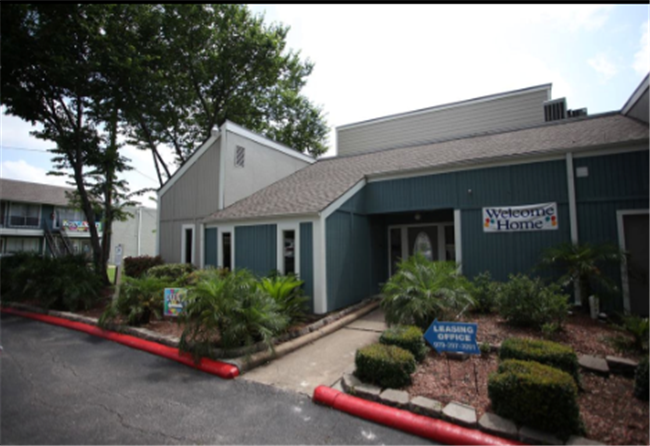
Fixing the parking lot was a huge hit with the residents. Plus, everyone could see the complex looking better with pressure washing, painting the doors and railings. We also reopened the leasing office to the residents after it had been closed for more than two years.

No. 5 – Hold contractors to their due dates of completion

Be sure that you put deadlines in the contract as the job progresses; also put penalties if the job is not finished on time. For example, $200 rebates per day from the invoice for going over the deadline.

No. 6 – Definitely take three bids

Take three bids, then ask them to give their “Best and Final Bid.” Then, don’t stop there. Negotiate more. Use language such as “it’s just not fitting our budget numbers.” Many contractors will come down anywhere 15 to 30% lower than their lowest bid.  It’s amazing. Ask and you shall receive is the saying.

No. 7 – Keep the residents involved

Do special activities for children and parents. Breakfast on the run is a good idea on Fridays. We make cafes and media centers in all our communities. Community managers provide snacks, cookies and coffee during business hours. Residents like that in the leasing office club house.

Be sure to adhere to all codes and inspection requirements for all renovations. Local regulations can vary so we sure you check to see what the local inspectors want to see.

After everything is done, hold a ribbon cutting ceremony. Lunch time is the best time for a ribbon cutting. Invite the mayor, city officials, building officers, the chamber of commerce officials, Rotary club members or other appropriate club members and try to get some media coverage focusing on how you are improving the community.

7 keys to renovation of apartment buildings

7 keys to renovation of apartment buildings

The resident cafe before and after renovation. Photos copyright Vinneychopra.com.

How the numbers worked on the deal

This complex is in between two B/B+ class multifamily assets, great frontage, location, location and location. Can't miss it as you enter into town.

There are 500,000 + single-family homes behind this complex. I knew we can renovate and make it the complex the darling of the town. Which we did. Lake Jackson is a bigger town and more jobs are here. The rents average I'd $125 to $175 per month more as compared to other smaller towns nearby.

Another thought I have is may be in three years, if there is demand for retail space and if city allows, we can build a shopping center on the nine acres as it is a prime strip easily approachable by shoppers.

Overall, we had great factors and exit strategies as we underwrite it. 

THE MONACO VILLAS APARTMENT HOMES

Number of Units: 160             

Purchase Price: $6,310,000    After Renovation valuation: $11,550,000 in 2 years

Purchase Date: June 12, 2015   City: Lake Jackson, TX.   Area: A

Date Sold: N/A      Equity Gain: N/A   Pref. Rate Class A: 9.5%

7 keys to renovation of apartment buildings

Value-Add: This asset had many value add features. The leasing office building was down, two buildings had underground plumbing issues and were offline. The parking lot needed to be repaved. . Many units needed major make ready work. Two buildings had foundation problems. We knew we could correct these and more things and make it a great community to live in. We were able to increase rents to market rate and for the major upgraded units we are charging higher.

Actual Performance: The returns to investors have been strong. The job market was and is very strong. We were able to increase rents as the leases came due for renewal. By bringing a strong management team, the asset has been performing very well.

Cash Flow Distributions: We are very excited that the asset is managed by a top community manger with a strong staff under our supervision. The investors have been getting regular quarterly checks since the purchase.

Renovations: Since we bought the asset, the renovations have been going on constantly to make it an excellent community to live in. In the first three months, we initiated 37 renovation projects and successfully completed many of them. We are changing the signage, curb appeal, trimming and removing trees, changing balconies, doors, staircases and landings. Sidewalks and low grounds have been repaired also.

The beautiful leasing office and clubhouse have been renovated. We are very happy to report that we received an award from the city for making it a great community in Lake Jackson.

We have increased the NOI to very high mark and brokers tell us that we have appreciated this property by approximately by $5 million. We are not selling it even though we have had many requests from purchasers/brokers.

Website:  www.themonacovillas.com

7 keys to renovation of apartment buildings

7 keys to renovation of apartment buildings

The leasing office before and after renovation. Photos copyright vinneychopra.com

About the author:

Vinney Chopra is the Founder and CEO of Moneil Investment Group and President of Ideal Investments Group. His latest accomplishments include acquiring 12 multifamily assets in the last 28 months, worth $132 million. His last two syndications were sold out in just a few hours, and one in 36 hours raising $4.7 million and another one $6 million in eight hours. Between the two syndication companies he founded, Vinney’s team is controlling over $200 million worth of assets. He is a mechanical engineer. After entering USA with $7, he graduated from The George Washington University with Master’s in Business Administration in Marketing, he shifted his focus to marketing and motivation. He was a professional fundraising consultant and motivational speaker for more than 35 years with a wonderful private company. Vinney and his wife started their real estate investments in 1983. He currently owns single-family homes and multifamily units in Texas, California, Atlanta, Arizona and India. Many times, people call him “Mr. Enthusiasm” or “Mr. Smiles.” He likes to bring great value to everyone he comes in touch with.

4 Ways To Keep Up With Changing Compliance Laws In Rental Housing

The Grace Hill training tip this week focuses on the importance of keeping up with ever-changing rental housing compliance laws at federal, state and local levels.

By Ellen Clark

Ever-changing compliance news is a challenge to keep up with.

One of the trickiest things about compliance training is keeping up with changing compliance laws, rules, and regulations.

 You can create a great compliance course, assign it to your learners or set a date for training, and a month later, it needs to be updated. This can feel like an endless, overwhelming cycle.

 To help, here are some practical tips for managing the ever-changing compliance world.

No. 1:  Make a plan to keep up with changing compliance laws

In compliance training, change is a given.

Since you know it is coming, build change into your plans.

Make a plan to update training regularly. Have processes in place and resources set aside so you aren’t repeatedly scrambling for time or budget. Identify a mechanism to get information out quickly (for example, an email or an alert in the LMS) if something critical comes up between scheduled training updates.

Training people to always anticipate change regarding compliance laws is key.

No. 2: Make “change” a big idea in training

 “The world of compliance is ever-evolving” is a fundamental concept that is important for learners to understand.

 Providing learners with big ideas like this equips them with a framework around which they can learn in a coherent way.

Make “change” a theme in your compliance training and revisit it periodically. This may help learners better understand and appreciate the importance of engaging in regular compliance training.

No. 3: Be proactive and keep with with changing compliance laws

To avoid surprises and the scrambling that inevitably results, block time on your calendar every week or two to scan HUD, EEOC or state agency websites for important compliance news.

Set up a Google alert, or something similar.

Subscribe to key email lists and newsletters. Sorting through the information takes time, but planning it into your schedule and leveraging technology will make it a more manageable task.

No. 4: Retain an expert

If you have the resources, retaining an expert such as a law firm for legal compliance or a CPA for compliance with the tax code is very useful.

Work with them to identify priority issues so you aren’t overwhelmed with information you may not need. Have them create short summaries of why the change in law, rule, or regulation or other information is important to your business specifically.

 As a trainer, your work is never done.

This is one of the most challenging aspects of your job, but it can also one of the most invigorating. 

Actively managing the changing world of compliance can help you be ready for whatever the compliance world throws your way.

Read Ellen’s full blog post here.

About the author:

Ellen Clark is the Director of Assessment at Grace Hill.  Her work has spanned the entire learner lifecycle, from elementary school through professional education. She spent over 10 years working with K12 Inc.’s network of online charter schools – measuring learning, developing learning improvement plans using evidence-based strategies, and conducting learning studies. Later, at Kaplan Inc., she worked in the vocational education and job training divisions, improving online, blended and face-to-face training programs, and working directly with business leadership and trainers to improve learner outcomes and job performance. Ellen lives and works in Maryland, where she was born and raised.

4 ways to keep up with compliance laws in rental housing

Photo credit  Nick Youngson via creative commons license.


Startup Company Tackling The Rental Property Maintenance Toothache

A new company is tackling the rental property maintenance challenges that face many landlords and property managers every day in managing rental housing.

In an interview with Rental Housing Journal, Keepe Co-founder and CEO Rishi Mathew discussed the primary research that led him to start the company, currently operating in Seattle and Phoenix, and provided a question and answer about the company.

In doing the primary research on rental property maintenance, “We had more than 400 different conversations with property managers, contractors, consumers and tenants,” Mathew said.

“The salient thing we got from property managers was that there are folks who have their own maintenance crew, they have enough density of units – eg. 200 units in the same building – they can afford their own crew. But for property managers who have 50 to 250 units spread out in a particular city, like Seattle and suburbs, then it is impossible to maintain your own crew. You have to have a big crew to manage it and it is not economically feasible.”

When property managers do not employ their own rental property maintenance people

“Many have a rolodex of vendors they work with. The problem is, because they do not employ them, property managers have to depend on the vagaries of those vendors,” Mathew said.

“Let’s say a maintenance request comes in, and they try and schedule a vendor and the vendor is not available at that time.

“And so they have to go to the next one, and then next one,” he said.

Average 14-day turnaround on rental property maintenance

“What property managers were telling us is that the turnaround time from a maintenance request coming in to the problem actually getting solved is like two weeks and up,” so some get done sooner and some take longer Mathew said.

 “That 14-day average turn around was their No. 1 problem because tenants get really upset and then they vent on Yelp or other social media and say, ‘These property managers are really bad because they are not getting my problem fixed.’ 

“We validated that by looking at Yelp reviews of some of these property managers and the No. 1 complaint on Yelp for property managers is that maintenance is shoddy, it takes a long time, and quality levels are not high. That is what we validated- what they were saying.

“For the property managers themselves, it consumes a lot of their time. They are running interference between the contractor and the tenant. They are doing the scheduling, they are fielding all the bids, looking at all the estimates, and then picking the right contractor and managing the scheduling. That takes a lot of their time,” Mathew said.

Two high level points out of the research conversations on rental property maintenance

  1. It takes too long for any maintenance request and tenants are unhappy.
  2. It takes a lot of the property managers own time and they would rather have that time back to focus on getting new clients and managing more units.

So that is how Mathew and his co-founder thought of Keepe as a solution to that problem.

“We want to be the one-stop shop for maintenance for property managers. They send us a maintenance request and we take care of the rest,” he said.

Tenants now have a ready audience

“Social media has changed everything when it comes to the relationship between the property manager and the tenant,” Mathew said, when it comes to rental property maintenance.

“Tenants can give both positive and negative feedback on social media. Tenants now have a ready audience of current tenants and future tenants as well as owners. It has made property managers sit up and take notice. They cannot ignore that feedback any more.

“They are being held to a very high standard just like a lot of other industries. So property managers have to be responsive to the tenants’ feedback and be considerate. A lot of good, successful property managers are that way already but now the standards are going up,” he said.

A platform for all sizes of landlords for rental property maintenance

“We have a lot of independent landlords on our platform,” he said,

“Our long-term goal is to help the rental industry in all sizes of rental housing.  Right now we are focusing on property managers, but the product and service we have is built for everybody.

“We want to make it possible for the independent landlord to be successful and manage their units themselves without having to depend on anyone else for maintenance management,” he said.

A Q&A with the CEO

Q: Why did you found the company?

A: Initially, our goal with Keepe.com was simply to make maintenance and repairs an easy process for homeowners and renters. However, we discovered that in the rental market, property maintenance is like toothache. There is a huge opportunity to make a real difference in the renting experience for renters, property managers and independent landlords, so we jumped at the opportunity of creating a technology-accelerated online marketplace that makes property maintenance a far easier, more transparent and super-convenient solution for these stakeholders.

Q: Why are you qualified to operate in this space?

A: Our team has a unique blend of experience in software technology, real estate and residential contracting that we want to leverage to create a paradigm-changing solution for renters, property managers and landlords.

Q: What demographic info do you have to show how big the need is out there?

We did a significant amount of primary customer research (hundreds of interviews with property managers, renters, landlords and contractors) and found that the number one obstacle for property managers was the lack of an effective rental property maintenance solution. Some property managers have insourced their maintenance operations in order to keep costs low, however the overall high cost of maintenance combined with bad reviews from tenants is a significant burden. Others who don’t have or can’t afford a maintenance crew depend on a small rolodex of external maintenance pros, but their ability to influence responsiveness and quality levels is limited.

Q: What problem are you trying to solve? Especially for the multifamily property manager. Probably not talking about the big guys who can hire their own full-time maintenance folks, but rather the smaller operators.

A: The problem for property managers who don’t have their own crews is that they cannot control responsiveness and quality levels of the maintenance professionals that they work with. Additionally, property managers are spending half their time running interference between their tenants and maintenance guys. With Keepe.com, they get access to hundreds of qualified and licensed maintenance professionals available for immediate (even same-day) service. Keepe.com provides an end-to-end service that includes free estimates, tenant scheduling, contractor dispatching and transparent pricing. Some of our customers have realized a 40% time savings in maintenance overhead and a multifold increase in tenant satisfaction from using Keepe.com for their property maintenance.

Q: Most property managers and landlords tell say rental property maintenance is their No. 1 headache/issue. What do you see so far as the No. 1 maintenance issue you have to deal with?

A: We see a wide array of maintenance issues ranging from repair or replacements of garbage disposals, kitchen sinks, appliances, roofs, heating/cooling. We also see a regular influx of rental turnover projects resulting from lease-ends. In both scenarios, time is of the essence. Either tenants are upset from slow responsiveness, or during turns, the owner is losing money because the unit is not ready for showings and the property is vacant.

Q: Property managers sometimes markup maintenance, sort of their handling fee. How do you charge?

A: We have a transparent business model. We charge an hourly rate that is prorated to the minute. The contractors on our network (also known as Keepers) are accepting jobs and logging time on our proprietary app. There is no markup on materials. The hourly rate is set at market prices and adjusts to the location (zip code). The transparent pricing is beneficial to both property managers and maintenance professionals. Property managers pay market prices and maintenance professionals get the benefit of reduced overhead and zero marketing costs.

Q: How many customers do you have?

A:  We have over a hundred property managers on our network in Seattle and Phoenix. More locations coming soon.

Q: Breakdown between multifamily and single-family?

A: About 40 percent multifamily and 60 percent single-family.

Q: Are you the best fit for the mom and pop landlord?

A: We have many independent landlords who are using our platform. However our value proposition is primarily a great fit for property management companies. In the future, we plan to create a streamlined solution for independent landlords.

About Keepe

We created the company with the ambitious goal of transforming the renter experience by modernizing property management and maintenance. Property maintenance today is too slow, too painful and too opaque for property managers, landlords, tenants and maintenance professionals. We aim to create technology tools that delivers fast turnaround and optimal quality at reasonable cost. In the process, we want to make renting, land lording and managing properties way easier than it is today.

Photo credit Kurhan via istockphoto.com

Seattle Restricts Landlords’ Questions About Tenant Criminal Backgrounds

The Seattle City Council has passed an ordinance 8-0 to bar landlords from using criminal records to screen tenants based on past arrests or criminal convictions, with the exception of sex offenders, according to a release.

“The Fair Chance Housing ordinance would prevent landlords from screening applicants based on criminal convictions; arrests that did not lead to a conviction; convictions that have been expunged, vacated or sealed; juvenile records,”  Councilmember Lisa Herbold said in a release.

Remove barriers to housing for people with criminal histories

“The City will work with stakeholders to develop legislation that ensures fair access to housing for people with criminal records. Stable housing ensures people can engage with their communities and families and obtain stable employment.

“Deep-rooted inequities in the criminal justice system have created lasting effects on communities of color that have created barriers to housing. Furthering fair housing for all our residents is an affirmation of the City’s longstanding commitment to race and social justice,” the roadmap states.

Landlords know blanket policies cannot be used when it comes to criminal backgrounds

Sean Martin, external affairs director for the Rental Housing Association of Washington State, said in an interview with the Seattle Times this is a national issue not just a Seattle issue.

He said that landlords know blanket policies against criminal histories are no longer allowed. It should be individual assessments by landlords based on nature of the crime, the severity of it and when it was committed to see if there is a risk.

“We need to tie in whatever the risk is to determine whether to rent,” he said of landlords. “There is risk there for sure. There is no list that says who is naughty and who is nice.”

Small landlords have a harder time, he said. Larger corporate entities may have a three-person panel where they send the criminal report over to them and have them make the decision and kick it back to the property manager.

He said there are some tools the state, city or county could provide to landlords.

“We do not feel it should be the landlords’ responsibility to solve a societal problem,” he said.

This is a bit cynical, he said but, “Pretty much any legislation that has been thrown out that is putting obligations on landlords is a foregone conclusion to pass,” he said, and probably sometime in July. “Tenant advocates do not want us to look at criminal records at all. That is crazy. The rest of the population should be really concerned about that voice,” he said.

Computer services make it easier to check tenant criminal backgrounds

Nick Straley, Columbia Legal Services attorney, told the Seattle Times that computerized access to criminal records has made it now much easier for landlords to find out the criminal background of prospective tenants.

The issue comes down to whether and to what extent a landlord may use someone’s criminal record in deciding whether they should rent to them, he said.

“This is a new problem. This is a consequence of computerized access to public records and the aggregation of big data,” Straley told the Seattle Times. “Also the proliferation of new businesses that provide computerized information to landlords.”

A modern day scarlett letter?

“So 20 years ago this was not a problem. A landlord would have had to go down to each county courthouse and pull some of these records to determine whether or not someone had a criminal record,” he said.

“And so what this really is, is the modern day scarlett letter – we have attached an indelible mark to people who have already served their debt to society, and simply want to get back to their lives and families and go on with their lives.

“We are glad this is something the city is starting to discuss,” Straley said.

Not Renting To Felons Could Be Discrimination

The U.S. Department of Justice has said categorically not renting to felons  can be considered discrimination and a violation of Fair Housing Act.

The Justice Department said the use of criminal background checks by rental housing providers “could produce unlawful discriminatory effects in violation of the Federal Housing Act,” according to a release from the Justice Department.

Is the “no-felony-ever” lease clause dead?

David Pickron, owner of RentPerfect, an investigative screening company in Arizona, says the days of saying “no-felony-ever” are over for landlords unless the felony is a sex offense.

“The problem is that no one wants to take on that liability. Because on the other side, if they do something, we get sued or we all lose rent. So there is a big fight now between the private markets and the federal government,” Pickron said.

The key is WHAT the felon has been doing in society since he or she got out, he said.

“We are not even saying to our clients, ‘Hey it’s seven years since the crime was committed. It’s seven years since they have been back in society.  So that takes a lot of those serious crimes out over seven years,” Pickron said.

Seattle Bars Landlords From Using Criminal Records To Screen Tenants

Listen to the Seattle Times podcast on criminal background checks by landlords here.

Download our eBook  here on 7 Issues And Answers About Renting To Felons

Criminal background checks and issues landlords need to know


Apartment Residents Say Living In A Green Home Is Important To Them

A new survey shows 84 percent of apartment residents say living in a green apartment home is important to them and 64 percent say they would pay more to live in a green home.

The survey also shows 85 percent of the apartment residents believe living in a green apartment home benefits their health, according to the AMLI sustainable living index.

The survey of more than 2,800 U.S. apartment residents is the first AMLI Sustainable Living Index survey of apartment residents on their views regarding sustainability and green living.

“This survey highlights that residents care about the environment and their health. They want homes that enable them to live a greener, healthier lifestyle,” Phil Tague, President of AMLI Residential, said in a release.

 “AMLI has made considerable investment to meet this resident desire. Our communities use land, water and energy more efficiently. They include clean-air initiatives and lifestyle amenities that enable residents to live more sustainably every day,” Tague said.

The survey of AMLI residents was conducted in August 2017 at properties in Atlanta, Austin, Chicago, Dallas, Denver, Houston, Seattle, Southern California and Southeast Florida.

 AMLI designed the survey to help it understand its residents’ interest in sustainable living. AMLI will use the survey results to advance its sustainability efforts and enhance its residents’ living experiences. Roughly 12 percent of the 2,812 respondents were younger than age 25, 47 percent were ages 25-34, 16 percent were ages 35-44, and the remaining 25 percent were 45 or older.

Apartment residents say green home features they value most highly include:

  • A smoke-free community (94 percent)
  • Energy- and water-efficient features (93 percent)
  • Access to public transit/ strong walk and bike scores (85 percent)

Most respondents (77 percent) said that AMLI’s green living features have saved them money in utility costs.

A majority (64 percent) of respondents would pay slightly more to live in a green community.

AMLI’s green home communities include a range of features for environmentally and health conscious residents, including:

  • Energy-efficient lighting and appliances
  • Plumbing that reduces water consumption
  • Community recycling programs
  • Use of native plants in landscaping to reduce water demand
  • Electric car charging stations
  • Bike storage and repair shops
  • Healthy, low or no VOC building materials
  • Fresh air ventilation
  • Premium air filters.

 A growing number of AMLI communities are totally smoke-free.

Photo credit CalderOliver via creative commons

About AMLI:

Most apartment residents prefer living in a green home survey says

AMLI is a leader in multifamily sustainability. Twenty-eight AMLI properties (more than one-third of the company’s portfolio) are LEED (Leadership in Energy and Environmental Design) certified and 15 AMLI communities are ENERGY STAR certified. AMLI will grow its portfolio to more than 50 percent LEED certified in the near future. Earlier this month, AMLI received two awards from the U.S. Green Building Council (USGBC): the Outstanding Multi-Family Developer LEED Homes award for its outstanding leadership and innovation in the residential green building marketplace, and the LEED Power Builder award, which recognizes developers that certify at least 90 percent of their units built in the past year. AMLI Residential focuses on the development, construction and management of environmentally responsible, luxury apartment communities throughout the U.S. Founded in 1980, AMLI is owned by PRIME Property Fund, a core commingled institutional fund. AMLI currently owns and manages 59 apartment communities including more than 19,900 apartment homes and has approximately 4,600 additional apartment homes under development at 14 new properties

10 Rules To Successful Multifamily Syndication Investing

This week blogger and veteran investor, Vinney Chopra, talks about multifamily syndication investing and his 10 rules to success.

By Vinney Chopra

If you want to know what you need to start investing in successful multifamily syndications, I can help.

My wealth of knowledge and success in real estate investing for more than 40 years can help with your education in multifamily syndication investing.

10 rules to successful multifamily syndication investing

I have completed more than 25 syndications.  Here is what I practice daily that has helped lead me to success as a multifamily syndicator today:

No. 1 – Educate yourself

Spend the time and money upfront to relieve yourself of as many mistakes as possible. Just one big mistake can wipe you out. To excel in any field – my thinking is that we need to get obsessed in learning it in depth – all the intricacies, foundations, procedures, systems and the structure of the business.

Knowledge is power.

It’s great to find the very best role models in that field, discover what methods they are employing and imitate them. Try to find a great mentor in them, get a coach or a mentor, especially in the beginning. See how you can contribute to their organization their goals.

No. 2 – Dream big

10 Rules To Successful Multifamily Syndication Investing

Set realistic concrete goals with deadlines and expectations for massive action daily, weekly and monthly. A goal is different from a wish; you may wish to be rich, but that doesn’t mean you’ve ever taken steps to make your wish come true.

Setting clear and specific investment goals with specific deadlines becomes your road map and action plan to becoming financially independent. You are statistically far more likely to achieve financial independence by writing down specific and detailed goals than not doing anything at all.

Your goals can include the following:

  • The number of units you need to acquire each year.
  • The annual cash-flow they generate.
  • The type of property.
  • The location of the emerging market

No. 3 – Buy in emerging growth markets and location

10 Rules To Successful Multifamily Syndication Investing

Always invest with a long-term perspective in mind. Never speculate on quick short-term gains in appreciation, even in a heated market experiencing double-digit gains. You never know when a market will peak and it’s usually 6 to 9 months after the fact when you find out.

As a syndicator, you want to do extensive research and decide on an emerging market that will bring lots of jobs. You see, you will need to sell that market to your “Valued Investors”, who would look at all the reasons to invest in your opportunity.

The best approach:

  • First is to choose your city or town based on the health of its housing market and local economy (unemployment, job growth, population growth, etc.).
  • From there you would narrow things down to the best neighborhoods (amenities, schools, crime, renter demand, etc.).
  • Finally, you would look for the best deals within those neighborhoods.

Sell that market to your “valued investors” who would see that you are a professional in your field and care about giving important information articles and links to great pieces of news in the market you are looking to acquire and would be asking them to look at all the reasons to invest in your opportunity.

No. 4 – Look for momentum plays and value-add for consistent cash-flow every quarter

With few rare exceptions, always buy investment property with a positive cash-flow. Do extensive due diligence and stay true to your standards and the assumptions in your elaborate Underwriting.

Don’t fall in love with the property; fall in love with numbers.

Remember, you are building a strong foundation to provide excellent Quarterly Cash flow returns ( I prefer paying quarterly in my companies rather than monthly; investors love walking to the mailbox four times a year to get their nice checks) to investors, so that they can give you more referrals and talk nice about how good you are as a syndicator. It’s so very important to be transparent and keep great communication with valued investors.

No. 5- Build a totally transparent business model

This has been our foundation at my 4 companies. Remember, the investors need to feel secure and confident about you and your business ethics before they give you $50k or $100k or $500k. It’s their very hard earned savings. And as a top syndicator you have the Fiduciary responsibilities to protect their investment more than yours.

Treat their investment as gold and do everything in your power to preserve it and make it grow.

In all our companies, the investors can ask to see ledgers, invoices, bids, bank statements, rent rolls, all financial reports, Capital Expenditures reports, balance sheets… well any and everything. That builds trust and makes them comfortable with your organization.

No. 6 – Create new LLCs for each multifamily community and get extra insurance coverages to mitigate risks

Always put each property in its own LLC. Make sure that all insurance, property, wind stream, flood and umbrella insurances are in place for your assets. Read and educate yourself the “SEC RULES AND REGULATIONS” thoroughly.

Find the best Real Estate Attorney and Syndication Attorney who you can build relationship with. The operations go smoother by getting help from them. You underwrite their fees in calculations, so don’t try to take a cheaper route, it may come back to haunt you.

I have been extremely blessed with Kim Lisa Taylor, www.SyndicationAttorneys.com. She and her team is amazing, efficient, cutting edge with laws and very professional. I would highly recommend working with her. She has done all our 26 Syndications. I am so very proud to talk about Milton Colegrove, Real estate attorneyin Dallas, TX, he is super efficient as has been with us since the very beginning and looks at all my contracts and legal matters through all 4 companies, counsels me daily/weekly. Looks after all my closings; I am never at the closings!!  Isn’t that awesome.

No. 7 – Diversify across markets

Focus on one market at a time, accumulating from 3 to 5 income properties per market. Once you’ve added those 3 to 5 properties to your portfolio, you would diversify into another prudent market that is geographically different than the previous one. Economies of scale prevail and bring better net cash flows by reducing expenses.

Typically that means focusing on another state. One of the underlying reasons for diversification within the same asset class (real estate), is to have your assets spread across different economic centers.

Every real estate market is “local” and each housing market moves independently from one another. Diversifying across multiple states helps reduce your “risk” should one market decline for any reason such as increased unemployment, increased taxes, etc.

No. 8 –Use professional property management or better yet run your own property management company

We decided to manage all our acquisitions from day one. It gives so much control on the day to day operations.

We can take immediate steps:

  • To rectify problems
  • To get better bids
  • To reduce costs
  • To implement strong marketing techniques for high occupancy.

In the beginning I promote to get a local Property Management company to see the systems and learn from them; only after good grasp of the day to day operations and systems; one should think to start their company. Never manage your own properties unless you run your own management company. Property management requires a solid understanding of tenant-landlord laws, Fair housing laws, operational software, good marketing skills, and strong people skills to deal with tenant complaints and excuses.

No 9 – Build an awesome presentation and credibility kit

10 Rules To Successful Multifamily Syndication Investing

Remember we have only first 7 seconds to make a great impression with Investors, RE brokers, Loan Brokers, Attorneys, Bankers, Landlords and others.

It pays big dividends to get professionally designed business plan, an educational simplified PowerPoint presentation and rehearsed on some great scripts. I would highly recommend practicing your scripts for each meeting, rehearsals are necessary.

No. 10 – Leverage your investment capital, time and skills – Syndicate

Real estate is the only investment where you can borrow other people’s money (OPM) to purchase and control income-producing property. This is a very noble cause in my thinking as you are providing above average excellent returns on the funds for so many investors, who are professionals in their field of expertise but don’t have the time or skills to invest their savings to gain high returns in Real Estate-especially in Multifamily Commercial sector. By being honest, trustworthy and following the SEC Rules and Regulations you are able to build your strong business. Also you will be helping so many residents who will be living in your Multifamily Communities that you add value to. Not to forget the job you will provide to the Staff at your assets and the hundreds of vendors you will be giving jobs also.

This allows you to leverage your investment capital into larger multifamily properties than purchasing using “all cash”. Leverage magnifies your overall rate-of-return and accelerates your and investors wealth creation.

It’s much easier to manage and bring about great rates of returns with larger multifamily communities.

Focus on accredited and sophisticated investors.

You are in a very good profession by being a syndicator, you are doing a great job of helping lots of entrepreneurs, doctors, lawyers, managers, high-net-worth individuals, retired businessmen and so many more, who just don’t have the time and skills to effectively syndicate and bring about great returns.

Summary:

So get excited to embark on this great journey to become financially independent to bring the kind of things you want to bring to you loved ones.

About the author:

10 Rules To Successful Multifamily Syndication Investing

Vinney (Smile) Chopra is the Founder and CEO of Moneil Investment Group and President of Ideal Investments Group. His latest accomplishments include acquiring 12 multifamily assets in the last 28 months worth $132 million. His last two syndications were sold out in just a few hours, and one in 36 hours raising $4.7 million and another one $6 million in eight hours. Between the two syndication companies he founded, Vinney’s teams are controlling over $200 million worth of assets. He is a mechanical engineer. After graduating from The George Washington University and finishing his Master’s in Business Administration in Marketing, he shifted his focus to marketing and motivation. He was a professional fundraising consultant and motivational speaker for more than 35 years. Vinney and his wife started their real estate investments in 1983. He currently owns single-family homes and multifamily units in Texas, California, Atlanta, Arizona and India. Many times, people call him “Mr. Enthusiasm” or “Mr. Smiles.” He likes to bring great value to everyone he comes in touch with. You can reach him at www.vinneychopra.com

How Do Multifamily Renters And Single-Family Renters Differ?

Multifamily renters make less money, have fewer kids and are less likely to be married, according to new research from a real estate consulting firm.

The research into the single-family renter shows the key differences between those who rent apartments and those who rent single-family homes, according to Mikaela Sharp, Research Analyst, and Chris Porter, Chief Demographer, for John Burns Real Estate Consulting.

There are 28 million multifamily rental households in the U.S. and 16 million single-family renter households. Here is how they differ:

  • Income: Multifamily renters earn an average of $32,400 a year, while single-family renters earn $42,600.
  • Family: Only 30% of those renting multifamily housing have kids. Typically this is because the renters are more likely to be under 35 years-old or over 65. For the single-family tenant, 52% have kids.
  • Marriage: 21% of tenants in multifamily are married, compared to 38% in single-family rental homes.

Lifestyle drives multifamily renters and single-family renters preferences

“Lifestyle drives much of the preference between renting a single-family home or an apartment. Single-family renters tend to prefer a yard for kids and pets, and good school districts. They also prefer more privacy from their neighbors,” Sharp and Porter write in the research.

“Many single-family renters would like to own some day but have not yet saved the down payment, have poor credit, or want more flexibility to move in the future,” they write.

The report says John Burns worked with five of the largest single-family rental landlords in the country and they “helped us understand this important component of the housing population—now reaching almost 13% of all households.”

For more information contact Chris Porter, Vice President, Chief Demographer, at John Burns Real Estate Consulting at at (949) 870-1218 or Mikaela Sharp, Research Analyst, at (949) 870-1203.

About the authors:

Chris Porter is Chief Demographer. He helps clients understand the role demographics plays in shaping the demand for housing in the short and long term. He co-authored Big Shifts Ahead: Demographic Clarity for Businesses, which is now available for purchase. Chris was instrumental in developing our Housing Demand by Price Point and LifeStage model.  The research he leads informs many of our firm’s forecasts. Before joining John Burns Real Estate Consulting in 2005, Chris worked for Reed Business Information’s HousingZone.com web site, and was also Director of Electronic Media for Reed’s Building and Construction Group. Before that he was an analyst at Rogerscasey, an investment consulting firm. Chris has a B.A. in Economics from Princeton University and a M.S. from Northwestern University’s Medill School of Journalism and works in our Irvine office.

Mikaela Sharp collects and analyzes data for compelling and timely demographic research. She also supports the Marketing team toward building the company’s demographic brand. Before becoming a Research Analyst, Mikaela began her career with John Burns Real Estate Consulting as an intern for both the Demographics and Marketing departments. Mikaela holds a B.A. in Business Economics from the University of California, Irvine.