
Online lease templates can mean legal headaches for landlords as many templates fail to reflect current landlord-tenant law in individual states.
By Grahame Cohen
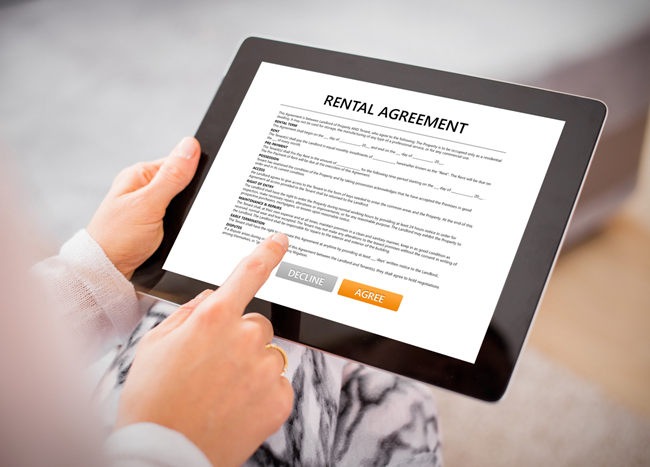
Property owners frequently turn to free or low-cost rental-agreement templates found online. The appeal is obvious: A quick download saves time and money.
What many landlords discover too late is that a generic lease is not a legal safeguard. It is often the beginning of costly disputes, compliance problems and tenant-related headaches that could have been avoided with stronger, more tailored and state-specific agreements.
One common issue is many templates fail to reflect current landlord-tenant law. Housing regulations can change rapidly, particularly regarding tenant rights, eviction procedures and required disclosures. Landlords who unknowingly use outdated language can find themselves unable to collect fees, enforce rules or remove problem tenants. In the worst circumstances, they could face legal liability and severe penalties.
Key Issues Landlords And Property Owners Should Look For
To avoid turning tenants into long-term legal problems, landlords should think carefully about what their lease includes and what it leaves out. Some areas where online templates often fall short include:
- State-specific compliance: States laws require certain disclosures, such as information about flooding, lead-based paint, mold and bedbugs. Missing a required disclosure can lead to penalties or make parts of the lease unenforceable. Property owners should ensure their agreements are customized to state laws.
- Clear rent and fee provisions: Word templates often include vague language about rent due dates or late fees. But many jurisdictions limit how much can be charged, when it can be applied and how it must be communicated. Without precise wording, landlords may lose the ability to collect unpaid fees.
- Maintenance and responsibility: Who clears gutters? Who maintains a swimming pool? Who tests smoke and carbon-monoxide detectors? A lease should clearly define landlord and tenant responsibilities. Otherwise, maintenance disputes can quickly become legal disputes.
- Occupancy and unauthorized tenants: Another frequent problem is unauthorized occupants. Many templates do not include strong clauses about guests, long-term visitors or subleasing. A tenant may move in additional people without approval, increasing wear and tear and creating liability concerns. Lease language should address occupancy limits, screening requirements and enforcement options.
- When eviction clauses don’t hold up: If your template lease agreement includes an eviction provision from an unknown source, you may find the money you thought you saved avoiding a tailored lease would have been a wise investment. If your tenant stops paying rent, and your agreement’s lease language doesn’t adhere to state laws or regulations, courts can dismiss an eviction filing. In this situation, you may find yourself having to begin the eviction process anew while losing months of rental income in the interim. Eviction procedures are highly regulated. Lease clauses must align with state law and cannot replace statutory requirements.
The Value of Professionally Supported Lease Solutions
Property owners don’t need to become legal experts, but they do need leases that reflect real-world risks. The most effective agreements are specific to your state and written by qualified, licensed attorneys. Your insurance carrier or insurance agent or broker may be able to provide you with access to an online legal document service provider who can ensure that the nuances of both your property and your state guidelines are all factored into your lease agreements.
These solutions are designed to stay current with state-specific regulations while addressing common landlord challenges. Instead of relying on random internet templates, landlords can access online lease tools that provide:
- Jurisdiction-specific compliance updates
- Clear, enforceable clauses
- Integrated protections for disputes
- Support when tenant issues arise
These resources help landlords avoid the expensive lesson of learning lease law in court.
A Lease Is Risk Management
At its core, a rental agreement isn’t merely paperwork. It is a risk-management tool. The right lease can prevent misunderstandings, reduce conflict and provide legal clarity when problems occur. The wrong lease can leave property owners exposed to financial loss, delayed evictions and ongoing tenant disputes.
Before downloading another free template, landlords should ask a simple question: Will this agreement protect me when something goes wrong? Because sooner or later, something will.
About the author:

Grahame Cohen is founder and CEO of Epoq North America (www.epoq.co), a legal insurtech company protecting businesses and consumers from legal and compliance risks since 1997, with services provided to more than 60 major brands and insurance carriers in the U.S., Canada, U.K. and Republic of Ireland. He can be reached at
[email protected].