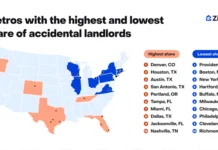
A growing number of small landlords are choosing to sell their rental properties, a trend many are calling the landlord exodus which is reshaping the rental housing market.
By Scot Aubrey
For almost all of human history, the word “exodus” has represented a mass departure or emigration of a large group of people from a specific location at the same time, often used to describe a group of people fleeing a situation.
Across the United States, a growing number of small landlords are choosing to sell their rental properties, a trend many are calling the “landlord exodus.” While large institutional investors have continued expanding in some markets, independent landlords—those who own one to 10 rental units—are increasingly stepping away from the business. This shift is beginning to reshape the rental-housing landscape, affecting tenants, local communities, and the future of affordable housing.
In most markets, small landlords have played a critical role in providing rental housing for decades. Like you, the many own and rent out a single-family home, duplex, or a small apartment building as a source of retirement income or long-term wealth-building. Unlike corporate property owners, you often manage your own property, maintain direct relationships with your tenants, and operate on relatively thin profit margins that you hope to maintain for years to come. However, in recent years, rental ownership has become significantly more challenging due to unforeseen changes in the market.
Property taxes, insurance and maintenance costs
One of the primary drivers behind the landlord exodus is something we are all experiencing, regardless of the market we are in, and that is rising operating costs. Property taxes have increased in many cities and counties, placing additional financial pressure on owners. Insurance premiums have also skyrocketed, particularly in areas affected by severe weather events, natural disasters, or increased liability claims. At the same time, maintenance and repair costs have surged due to inflation, labor shortages, and higher prices for building materials. For landlords managing older properties, unexpected repairs such as HVAC replacement, plumbing failures, or roof repairs can quickly erase months or even years of rental income.
Interest rates have added another layer of difficulty. For landlords who purchased or refinanced properties during the “glory days” of low interest rates, you are generally in a stronger position to weather market changes. Unfortunately, if you find yourself among those seeking to expand, refinance adjustable-rate loans, or purchase replacement properties, you face much higher borrowing costs. Higher-priced financing and shrinking cash flow combine to make rental ownership less attractive, especially to landlords who are new to the industry.
If the previously listed challenges were not enough, regulatory changes are also influencing decisions. Changes like new tenant protections, extended eviction timelines, rent-increase restrictions, and additional compliance requirements have changed the risk profile of rental ownership. It’s true that while many of these policies were designed to protect tenants, they are not exactly landlord-friendly. With the added legal complexity and delayed ability to address nonpayment or lease violations, sustaining a profitable business is challenging – especially for owners without professional management teams or legal resources.
The long-term effects of the pandemic also continue to affect the market. Many of you and your fellow landlords experienced delayed rent payments, eviction moratoriums, and rising vacancy concerns during and after COVID-era protections. The financial strain left lasting effects on many small property owners, even years after the pandemic’s end.
These varied challenges have taken a toll on some and as a result, some landlords are choosing to sell while property values remain relatively strong. Buyers include owner-occupants, local investors, or large real estate firms, which has resulted in a reduction in the number of independently owned rental units in a community, leading to a consolidation within the housing market.
The long-term impact of the landlord exodus remains uncertain. For tenants, the change could mean fewer housing options in certain neighborhoods, less flexibility in lease negotiations, or a shift toward professionally managed properties. For communities, it holds important implications about who will own and manage local housing in the years ahead.
For investors like us, being a small landlord has long been an essential part of the housing ecosystem, providing valuable housing where needed. As more of us exit the market, policymakers, investors, and renters alike will need to adapt to a changing rental landscape. The same can be said for those who decide to stay in the landlord game and find new ways to thrive.
About the author:

Scot Aubrey is vice-president of Rent Perfect, a private investigator, fellow landlord and cohost of the Rent Perfect Podcast. Subscribe wherever you find your podcasts to stay up to date on the latest industry news and for expert tips on how to manage your properties.