
Since home is now a primary work environment for many, the needs of a hybrid workforce are something apartment communities infrastructure needs to consider.
By Shannon Dunnigan
For a while, remote work was treated as a temporary disruption. Then, hybrid work was expected to fade. Neither happened.
Current headlines may focus on return-to-office mandates, but according to Gallup, the market has largely settled and stabilized. About half of remote-capable workplaces have decided to maintain hybrid models, so millions of employees now split up their workweek across multiple locations.
Hybrid workers spend, on average, about 2.3 days in the office each week, leaving a meaningful share of their time open to working elsewhere. For many, that elsewhere is home.
And since home is now a primary work environment, apartment communities need to function like it. A lounge shouldn’t just be for relaxing. A coffee bar shouldn’t just be decorative hospitality. Reliable printing shouldn’t just be an afterthought. Shared spaces have become part of the infrastructure residents rely on to get through the week.
Hybrid work has become the new standard for employment, so work-friendly amenities must become the new standard for multifamily.
Utility over optics
Amenity strategy is becoming less about image and more about performance.
When expenses are put under a microscope, amenities chosen for optics lose their shine. Frequency of use should be the benchmark, and the strongest performers are often the simplest. Reliable internet. Quiet spaces to work. Good coffee. Access to dependable printing.
Residents build routines around what helps get them through the week. That’s where real value is created. Not in the first impression, but in the fiftieth use.
If someone needs to leave the property to take a call, buy coffee, or print an important document, the community is effectively outsourcing part of the resident experience. This ultimately creates operational consequences in the form of underutilized spaces, unsatisfactory reviews and low retention rates.
Amenity admiration has a short shelf life. Utility is what lasts.
Reliability is a lived experience
Reliability is often discussed as a maintenance issue when it’s really a performance issue. Residents don’t think in terms of service tickets. They evaluate amenities in real time.
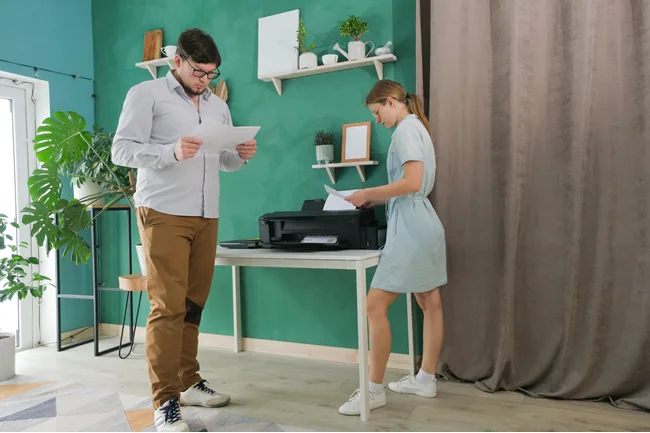
A Zoom call shouldn’t lag or freeze mid-presentation. A coffee machine shouldn’t have a line ten people deep complaining about slow, cold drip. A printer shouldn’t be out of paper, low on toner or so complex that residents need to ask for help before they can use it.
Just as important, residents should feel confident that the technology they use respects their privacy. Greystar found that security expectations across multifamily are strengthening. With personal data now part of the business model for much of modern technology, owners and operators should choose vendors with strong built-in security protections, because digital convenience should never come at the expense of privacy.
Reliability does more than improve satisfaction. It protects staff time, supports repeat use and helps existing square footage produce more value.
In tighter markets, those advantages are easier to defend than amenities that present well but underdeliver.
Shared spaces should work harder than they cost
Supporting a hybrid workforce begins with spaces residents can genuinely use. Rooms can look the part, but they also need to be comfortable enough to spend hours in, quiet enough for focused work, and practical enough to serve everyday needs.
Then, there are the amenities inside those areas. Every shared space has different constraints, so owners and operators need to be thoughtful about what solutions they prioritize. The right tech-enabled amenities can bring office-level consistency, convenience and functionality into a residential setting.
Many communities start there. However, it isn’t where they should stop.
The highest-performing properties treat spaces built for the workday as assets that can continue creating value well beyond traditional working hours. The lounge residents use during the day may host a yoga class before sunrise or a community workshop on the weekend. The coffee bar that supports the weekday grind is also appreciated on a slow Sunday morning. A printer might support a client presentation one day and a child’s coloring page the next.
That flexibility matters, because idle space becomes expensive space. Every common area carries a cost in square footage, utilities, furnishings, cleaning and upkeep. Rooms built for one narrow purpose are more difficult to justify than spaces that serve residents across different hours, needs and routines.
For operators, flexibility creates a more durable return on the square footage already in place.
Measured use is how you defend investments
One of the biggest advantages of practical amenities is that their impact is easy to see.
There should be signs of use visible everywhere. Lounge reservations. Coffee consumption. Printing volume. Event attendance. Access patterns. Resident feedback. Together, these metrics paint a far clearer picture than assuming a polished room is performing simply because it photographs well.
Some tech-enabled amenities now surface this data automatically. Usage reports can show which spaces and services are being accessed, at what frequency, at what times, and by whom, removing the guesswork from amenity planning. Resident satisfaction scores tied to specific amenities add another layer, helping operators distinguish between what residents notice and what they actually rely on. When the data is aggregated over time, patterns emerge: which offerings drive repeat engagement, which are rarely touched, and where small operational adjustments could improve uptake. That kind of visibility makes it easier to reallocate resources toward what’s working and justify continued investment in high-performing services.
With margins under pressure and vacancy still elevated in some regions, amenity decisions are becoming less about instinct and more about evidence. That puts greater weight on high-frequency services than low-frequency spectacle.
About the author:
Shannon Dunnigan, Director of Sales at WithMe, Inc
Is a ‘Landlord Exodus’ Reshaping the Rental-Housing Market?