
For multifamily owners in southwest Washington this natural gas rate hike is not a utility story it is a higher housing cost story that hits renter flexibility, renewals and collections.
By Aaron Kirk Douglas
Northwest Natural Gas Co. is seeking a major rate increase for Washington customers, and it deserves more attention from apartment owners than it is getting.
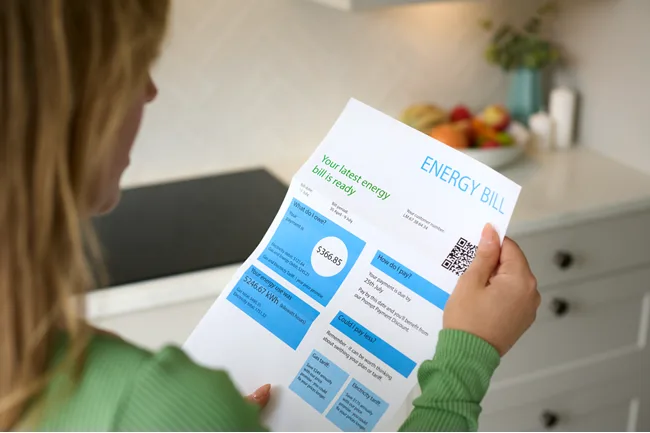
KATU-TV reported that the proposal would raise rates by 19 percent, or an average of $12.96 per month per household, beginning in August if approved. The filing also includes additional increases of 5.1 percent in 2027 and 5.9 percent in 2028 – a combined total of 30% by 2028.
The Washington Attorney General’s Office has also weighed in; Attorney General Nick Brown has opposed the request, arguing that Washington residents are already dealing with high living costs. NW Natural says the increase is needed to safely manage its system and notes that customers have also felt recent bill pressure tied to the state’s Climate Commitment Act.
For multifamily owners, this is not just a utility story. It is a housing-cost story.
If gas is owner-paid, the impact is straightforward. Higher rates mean higher operating expenses. That matters for properties with central systems, boilers, hot water loads or any other owner-paid gas usage. In a market where expense growth is already putting pressure on margins, another utility increase goes straight to the bottom line.
If tenants pay their own gas bills, the story still matters. Higher utility costs reduce renter flexibility. They affect renewals. They affect collections. And they affect how much room households have to absorb future rent increases. At lower- and moderate-income properties, rising utility costs can quickly become a housing stability issue.
That is why utility costs are increasingly a housing issue, not just a consumer issue.
When tenants are paying more for gas, electricity, insurance pass-throughs, transportation, and food, rent is no longer the only affordability pressure point. Owners may still have demand. But household budgets can become the real limiting factor.
That is especially true in Southwest Washington. Vancouver and Clark County remain strong demand markets. But strong demand does not make residents immune to cost fatigue. If this rate case moves forward, apartment owners should treat it as another signal that operating costs and tenant affordability are becoming more closely linked.
About the author:

Aaron Kirk Douglas is Director of Market Intelligence for HFO Investment Real Estate in Portland, 2424 SE 11th Ave, Portland, OR 97214
Main: (503) 241.5541 | Direct: (971) 717-6337 | Cell: (503) 307-7869
[email protected] | www.hfore.com
Licensed in Washington and Oregon
Oregon’s 2026 Legislative Session Delivers Mixed Housing Results