
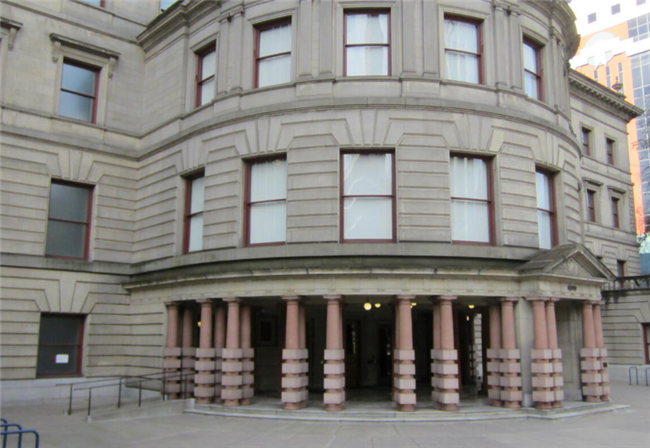
After months of discussion, the Portland City Council approved a $56 million housing package on April 8 aimed at stabilizing renters, but the measure also carries important implications for landlords operating in the city.
While not a direct bailout, the package injects money into the rental ecosystem in ways that can help offset rising costs and softening rents.
Where landlords benefit from this package
The biggest impact comes from expanded rent assistance. In most cases, these funds are paid directly to property owners, helping recover unpaid rent and stabilize cash flow. For landlords dealing with arrears, this represents immediate financial relief.
The package also includes funding for rent buydowns tied to affordable housing. These programs allow landlords to accept below-market rents while receiving subsidies to cover part of the difference, creating more predictable income streams.
While the package reflects a tenant-first policy approach, it is still one that backstops landlord revenue. Instead of direct subsidies to owners, the city is funding the rent stream itself — helping reduce worst-case losses and maintain occupancy in a challenging market.
For Portland landlords, the policy shift is less about profitability and rent increases and more about operational stability and tenant retention.
City officials first disclosed that the Portland Housing Bureau was sitting on $21 million of unbudgeted dollars in November. That money was generated by a fee that landlords must pay to register new rentals, which is intended to be spent on programs that support renters. The bureau said this money had accumulated during the COVID-19 pandemic, during which city staff were more focused on quickly distributing unanticipated federal stimulus dollars to help renters.
The money came from a patchwork of revenue streams including fees that landlords paid, that had accumulated over the years. Those funds were meant to grow over the years until that money would pay for large projects, like a new housing development or maintenance project.
According to Oregon Public Broadcasting here’s what the council approved:
- $17.5 million to buy properties for the city’s first foray into “social housing,” a term for publicly-owned, permanently affordable housing. This money also will go toward other future affordable housing developments proposed by the housing bureau
- $9 million on rental assistance for tenants facing eviction or experiencing homelessness
- $8.8 million to help lower the cost of rent at affordable housing developments to increase tenancy and ensure housing providers can pay off debts — also called “rent buydowns”
- $8.6 million toward the city’s general fund. $4.3 million of that money would go to this current fiscal year, which ends June 30, and the other half would go to the next fiscal year
- $5.6 million to speed up development of affordable housing as part of the city’s Broadway Corridor project
- $3.5 million to cover remaining construction costs for an apartment complex in North Portland managed by Hacienda CDC for low-income tenants – those making at least 60% of the area median income, or $75,000 for a family of four
- $2 million to pay for legal services for renters facing eviction
- $200,000 to improve renter and landlord education on tenant rights
- $800,000 to help prospective homeowners cover down payment costs