
Simple fixes help rental properties cut water costs so here are three practical ways to cut water costs and save water.
By Paula Paciorek
Rising utility costs are putting pressure on already-tight rental-property budgets. The good news? Many of the biggest savings can come from simple, low-cost fixes.
Assessments Can Reveal Hidden Waste
The best starting point is a water-efficiency assessment. Nearly every rental property—regardless of age or size—has opportunities to reduce water waste. A conservation expert can quickly identify inefficiencies, estimate potential savings, and outline exactly what improvements will pay off and when.
A typical property assessment can uncover:
- Leaks — from dripping faucets to broken or misaligned sprinklers.
- Faulty or failed metering — which experts can detect by walking the site and reviewing past usage data.
- Outdated equipment — such as older washing machines, appliances, and fixtures.
Addressing these common issues can significantly reduce operating costs and tenant utility bills, making properties more desirable and competitive. Owners and managers can also incorporate simple retrofits with high return on investment. In some cases, newer or upgraded buildings may also qualify for water-efficiency certifications that unlock additional savings and incentives.
Cities and Utilities Can Help with the Cost
Many municipalities and utilities offer rebates and free assessments to encourage water conservation. Property owners can often have a city or utility cover part—or even all—of the costs for assessments and upgrades to fixtures, appliances, or equipment.
For example, since 2012, the City of Dallas has partnered with the Water Efficiency and Energy Services (WEES) team at Plummer to conduct more than 1,440 free assessments for local businesses. The program identified potential savings of over 740 million gallons of water per year and earned the Texas Chapter of the American Water Works Association’s Water Conservation and Reuse Award.
Even in areas without existing programs, conservation specialists can work with cities or utilities to create custom rebate or assessment initiatives—creating win-win solutions for both property owners and the community.
Unlocking Hidden Value in Multifamily Affordable Properties
Many affordable housing properties—especially those financed through the Low-Income Housing Tax Credit (LIHTC) program—can benefit from an often-overlooked strategy: Utility Allowance (UA) modeling.
Instead of relying on the standard utility allowance published by the local housing authority, property owners and managers can have their property’s actual water use analyzed. A custom UA model reflects the true consumption patterns of a specific property—and in most cases, that usage is lower than the public allowance. The result? Higher allowable rents, improved cash flow, and greater long-term sustainability.
A UA model not only supports increased rent potential, but it typically covers its own cost very quickly. Industry data shows that the expense of developing a model can often be recovered in just a few months. After that, the ongoing savings and increased revenue can be reinvested into property upgrades such as water-efficient improvements that reduce tenant utility bills and enhance overall property performance.
3 Practical Ways to Cut Rental Property Water Costs
Take advantage of these simple ways to cut costs and save water:
- Find hidden inefficiencies.
Hire a conservation specialist to walk your property, identify “leaks” in water systems, and provide a clear action plan for cost savings. - Leverage local resources.
Many cities and utility companies offer rebates, free assessments, or incentive programs for water conservation. Don’t leave that money on the table. - Explore UA modeling for LIHTC properties.
A tailored utility allowance model can reveal how your property truly performs—and potentially open the door to higher rents and reinvestment opportunities.
Across the country, housing providers are using simple conservation assessments, programs and UA modeling as a smart financial and operational strategy to strengthen both their bottom line and their communities. For more information, visit https://www.plummer.com/wees-services
About the author:
Paula Paciorek is team leader of the Water and Energy Efficiency Practice team at Plummer. Paula leads initiatives that promote water conservation, efficiency, and sustainability for cities, utilities, and businesses, with 14 years of experience in advancing sustainable water management solutions.
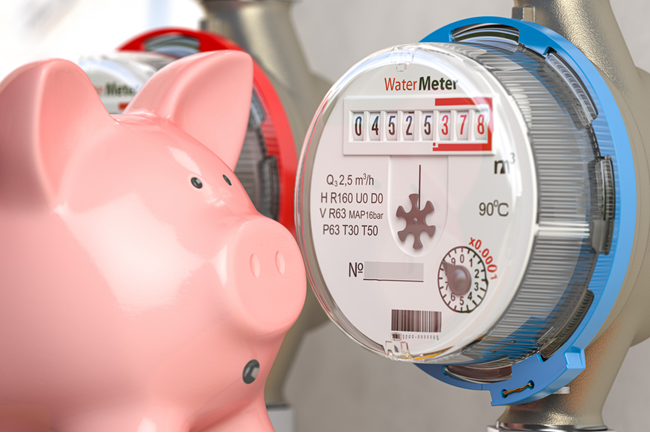
Photo credit Bet_Noire via istockimages