
The Utah Legislature made some changes in landlord laws this year. As the 2026 leasing season continues, property managers and independent landlords should review lease documents and operating procedures to ensure they reflect the new legal requirements and best practices.
One of the biggest changes was in property handling and documentation of security deposits so be sure and check on that item for compliance.
Even small omissions—such as failing to properly disclose nonrefundable fees or document security deposit deductions—can lead to disputes that are costly and time-consuming.
1. Review Your Written Lease for Clear, Plain Language
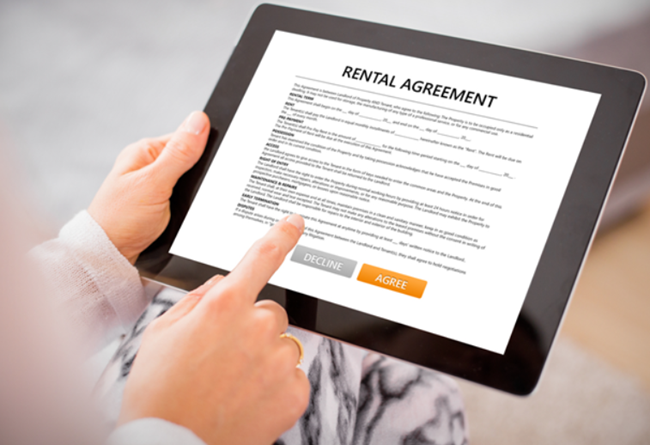
A well-written lease remains a landlord’s first line of defense. Review lease templates so they clearly explain rent, due dates, late fees, renewal and termination procedures, maintenance responsibilities, and how notices are delivered.
2. Strengthen Security Deposit Documentation
Maintain detailed move-in and move-out inspections, date-stamped photographs, repair invoices, and itemized deductions. Follow Utah’s statutory timelines for deposit returns and written explanations of deductions.
3. Clearly Explain Fees and Rent Payment Policies
Clearly disclose monthly rent, payment methods, due dates, late fees, nonrefundable fees, pet fees, and any recurring charges. Written transparency helps reduce disputes and improves collections.
4. Update Maintenance and Repair Procedures
Explain how tenants submit maintenance requests, emergency procedures, tenant upkeep responsibilities, and the landlord’s maintenance obligations. Clear procedures improve documentation and communication.
5. Review Notice and Property Access Provisions
Spell out when advance notice will be provided before entering a unit, emergency entry situations, inspection procedures, and how official notices will be delivered.
See The Rental Housing Association of Utah for more information.