
The end of Portland’s five-year Cooling Portland initiative doesn’t end the debate over cooling in rental housing so Oregon landlords should pay attention.
As Spokane, Washington’s cooling ordinance returns with teeth, a July 15 vote could change how Washington landlords operate if the ordinance becomes a template for other cities in Washington and Oregon.
Here’s why multifamily owners should begin preparing now for changing expectations and possible future policy changes.
Portland’s Cooling Portland program is coming to an end, but multifamily owners shouldn’t assume the issue of cooling is going away.
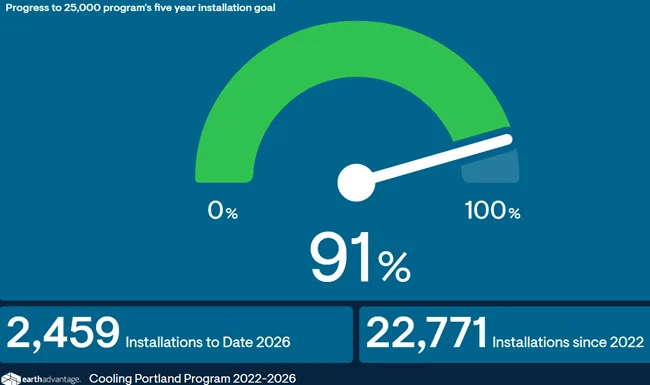
The city is wrapping up its five-year effort to provide free cooling units to thousands of low-income residents, yet extreme heat continues to reshape housing policy across Oregon. For apartment owners, the bigger story isn’t the program ending—it’s what may come next.
Created after the deadly 2021 Pacific Northwest heat dome, the Portland Clean Energy Community Benefits Fund (PCEF) helped thousands of vulnerable households receive portable heat pump cooling units. City officials have described the initiative as a temporary response to an immediate public health need, not a permanent program.
As the program winds down, landlords should recognize that the broader discussion about cooling, housing safety and climate resilience is likely to continue.
While Oregon has not adopted broad cooling requirements for existing apartment communities, lawmakers and housing advocates continue to examine ways to improve heat resilience in rental housing. As summers become warmer, multifamily owners may see additional proposals involving cooling equipment, tenant protections or incentives for building upgrades.
Why this matters to apartment owners
Rather than waiting for future legislation, owners can use this period to prepare their properties and operations. Reviewing policies today may make it easier to respond if expectations or regulations evolve in the coming years.
Five steps to take now
- Review lease language covering portable air conditioners, heat pumps, window units and resident responsibilities.
- Evaluate whether older electrical systems can safely support additional cooling equipment.
- Consider energy-efficient heat pumps during future HVAC replacements or capital improvement projects.
- Develop a heat-response communication plan for residents before the next extreme heat event.
- Monitor Oregon legislative and local government activity involving cooling, building standards and rental housing.
The end of Portland’s Cooling Portland program will not be the end of conversations over cooling apartments. Instead, it marks a transition from emergency assistance toward broader discussions about how rental housing should adapt to increasingly hot summers. Apartment owners who prepare now—by reviewing leases, evaluating building systems and planning future improvements—will be in a stronger position regardless of what policy changes emerge.