
Secure mailrooms are becoming a coveted rental property amenity as tenants receive multiple packages, sometimes daily, and porch pirates are a major concern. Here is a question and answer on the issue.
-
The mailroom has traditionally been a behind-the-scenes feature. What’s changed to elevate it into a coveted amenity for renters in today’s housing market?
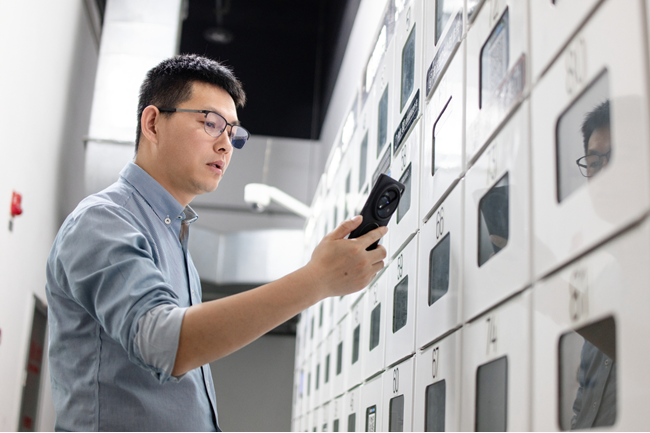
Mailrooms have evolved out of necessity. We’re seeing tremendous growth in package volume, and residents are now receiving deliveries multiple times a day. With that, porch piracy has become a major concern, especially in multifamily communities. Lockers and centralized delivery systems not only provide 24/7 access but also help protect residents’ packages from theft.
Efficient package management and security are not the only drivers; the mailroom has become part of the amenity conversation. Communities want to offer residents convenience and peace of mind, and they’re also thinking about aesthetics. Some high-end communities have incorporated premium lockers that match the building’s design, making the mailroom feel like a thoughtful extension of the overall resident experience.
-
How are smart lockers or automated mailroom solutions helping property managers differentiate themselves in an increasingly competitive real-estate environment?
In a crowded rental market, property managers are constantly seeking ways to stand out, and smart lockers have emerged as a powerful differentiator. They check multiple boxes: security, convenience, and operational efficiency.
Our company has worked with a number of apartment communities and multifamily properties where lockers become a key selling point. When residents see a community prioritizing a convenient solution to a daily challenge, it makes an impression.
Communities are increasingly appreciating the expectations of Generation Z, which will reshape the multifamily housing landscape. This generation’s blend of digital fluency, budget consciousness, and commitment to authenticity and sustainability creates a powerful market force. Gen Z renters see lockers as an amenity they will use regularly, unlike other big-ticket community investments such as gyms, swimming pools or clubhouses. Automated lockers also fit with this generation’s preference for on-demand, 24/7 access.
From an operational perspective, lockers free up staff time by automating package management. That means leasing agents and community managers can focus on higher-touch services and creating a great experience for current and prospective renters. It’s a win-win, since at the same time lockers provide tangible value to residents.
-
As mail and parcel locker rooms are evolving into multipurpose communal spaces, can you speak to some of the creative ways buildings are designing and using these spaces today?
In new builds, lockers are being integrated from the start, often in lobbies, amenity centers, or near coworking spaces. These placements increase convenience and visibility, which in turn boosts resident adoption.
For older buildings, where space is limited, we’re seeing a lot of creative repurposing. Some properties are transforming laundry rooms, especially in units where in-apartment laundry has become standard, into secure package hubs. Others are making use of space in garages or next to existing mailbox clusters. We’ve even seen clients repurpose other areas, such as shuffleboard courts that weren’t being used.
Part of this creative wave is the boost in the community identity. Communities are wrapping lockers with branded graphics, incorporating signage, and turning the locker area into a polished, welcoming extension of the lobby. With remote work still prevalent, some properties are placing lockers near business centers or waiting areas so residents can pick up packages during breaks. It’s all about increasing utility while creating spaces that fit how people live today.
-
Package theft and delivery failures remain top concerns for residents. What role do smart lockers play in improving security and trust in last-mile delivery?
Smart lockers are one of the most effective tools we have for securing last-mile delivery. They provide 24/7 self-service access, so residents can retrieve packages on their own schedule without worrying about someone snatching their deliveries. Each delivery to an automated locker is tracked and only accessible by the recipient using a unique code or barcode, which means a full chain of custody from the carrier to the recipient.
This system eliminates the all-too-common scenario of packages being left in a leasing office or unsecured hallway or storage room. This also benefits staff, who don’t need to oversee every delivery. In addition to this, residents get peace of mind, and carriers appreciate the streamlined drop-off experience.
-
There’s a growing emphasis on the “experience economy.” How do you see delivery and locker automation enhancing the overall resident experience in multifamily living?
Today’s residents expect the same kind of instant gratification from their homes that they get from the rest of their lives. We know convenience is king, and lockers help bring that level of service to multifamily living.
For residents, it’s about more than just getting a package. It’s about getting it securely, quickly, and without any hassle. Lockers provide that seamless experience. They also open the door to new interactions—community managers are using them to distribute welcome kits, keys, documents, and even items like pool towels or promotional giveaways.
It’s a seemingly small detail with a big impact. Locker systems are one of the ways communities are turning routine interactions into elevated experiences that enhance resident satisfaction and retention.
-
How have building codes, city regulations, or insurance policies influenced the rise in demand for locker systems in recent years?
We’ve seen these factors play a growing role in locker adoption. As package theft becomes more frequent and reimbursement from vendors and carriers becomes more limited, residents are increasingly looking for ways to safeguard their deliveries. Lockers have become a form of “package insurance.”
Sustainability initiatives are also coming into play. City codes are evolving to prioritize eco-friendly practices, and smart lockers can help properties reduce the environmental impact of multiple delivery trips. By consolidating deliveries into one drop-off, lockers cut down on emissions and vehicle traffic. For younger renters, those sustainability credentials matter.
While lockers weren’t originally designed to solve regulatory challenges, they’ve become a smart, proactive solution that helps communities meet some resident expectations on multiple fronts.
-
What changes or improvements can residents expect to see moving forward in how mail and parcel rooms are integrated into their living spaces?
Looking ahead, we expect to see lockers integrated even more deeply in the daily lives of residents, not just as a delivery solution, but as part of the broader amenity ecosystem. We’re already seeing properties use lockers for more than packages. They’re storing documents, managing key handoffs, distributing welcome letters, information on building events and more.
Locker systems can reflect the unique needs and personality of each community. Some buildings are using modular locker designs to retrofit tight urban spaces, while new developments are designing locker areas as high-traffic touchpoints that enhance the resident experience.
These systems are also being connected with mobile apps and community platforms, enabling residents to receive notifications, access features, and even schedule services all from one place. Automated lockers have become more than a mailroom add-on.
About the author:
Austin Maddox is executive vice president of sales and operations for North America, Lockers Automation, Quadient.
Photo credit zhudifengvia istockimages